Pool pump air lock is one of those problems that makes a homeowner stare at the equipment pad and think, “Well, the pump is on, so why is nothing moving?” The motor may sound alive, but trapped air can keep the pump from pulling steady water from the pool. When that happens, circulation drops, filtration slows down, and Texas pool water can get cloudy faster than you expect. If your pump basket will not fill, the returns are bubbling, or the pool pump won’t prime after cleaning the basket, air is usually the first suspect.
What Is a Pool Pump Air Lock?
A pool pump air lock happens when air gets trapped inside the pump housing or suction line and blocks normal water flow. Pool pumps are made to move water, not air. Once enough air collects in the system, the pump may run loudly, lose suction, or fail to prime at all.
This is different from a dead motor. With a bad motor, the pump may not start. With a pool pump air lock, the pump may run, but it struggles to move water. Hayward explains that a pump that will not prime often points to a suction-side air leak, which is exactly why repeated air problems should not be ignored.
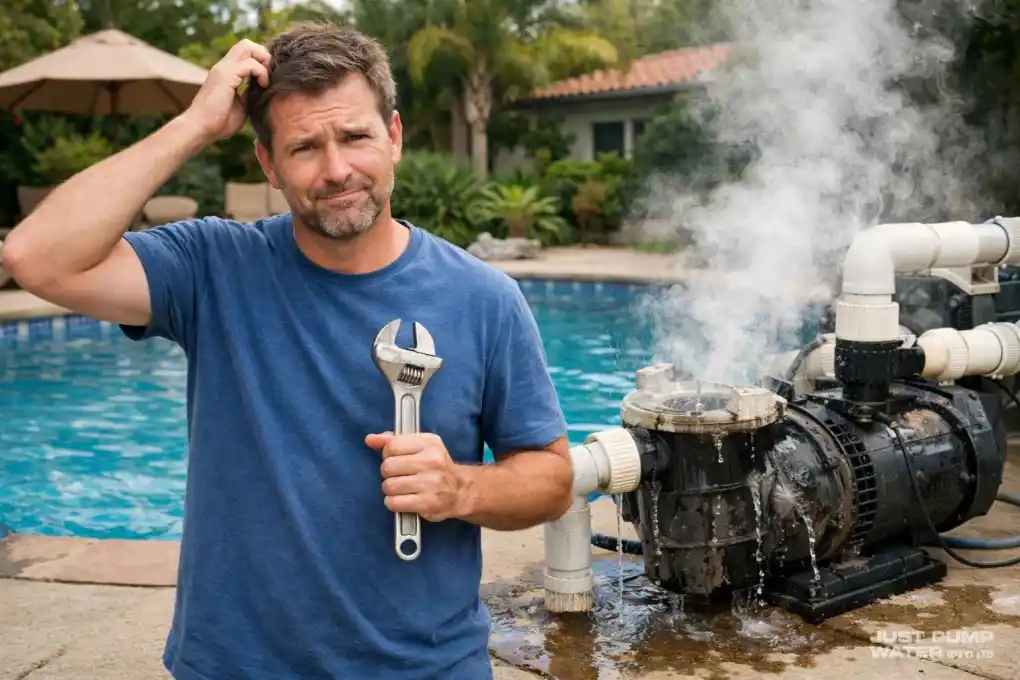
Signs of Air Lock in a Pool Pump
The easiest sign is pool pump air in basket. A small bubble under the lid can be normal on some systems, but a basket that will not fill, surges, or looks like a washing machine usually means air is entering somewhere. You may also see air bubbles shooting from the return jets, low filter pressure, weak skimmer pull, or no visible water movement at all.
Another clue is a pump that starts, catches for a moment, then loses prime. If your pool pump losing prime happens every morning or after the system shuts off, the air is probably not random. Something is letting air enter or water drain back when the pump is off.
Common Causes of Pool Pump Air Lock
Most pool pump air lock issues come from one of these simple-but-annoying causes:
- Low pool water level that lets the skimmer suck air
- Pump lid not seated tightly
- Dry, cracked, or flattened lid O-ring
- Skimmer weir door stuck in the wrong position
- Valve turned partly closed or set incorrectly
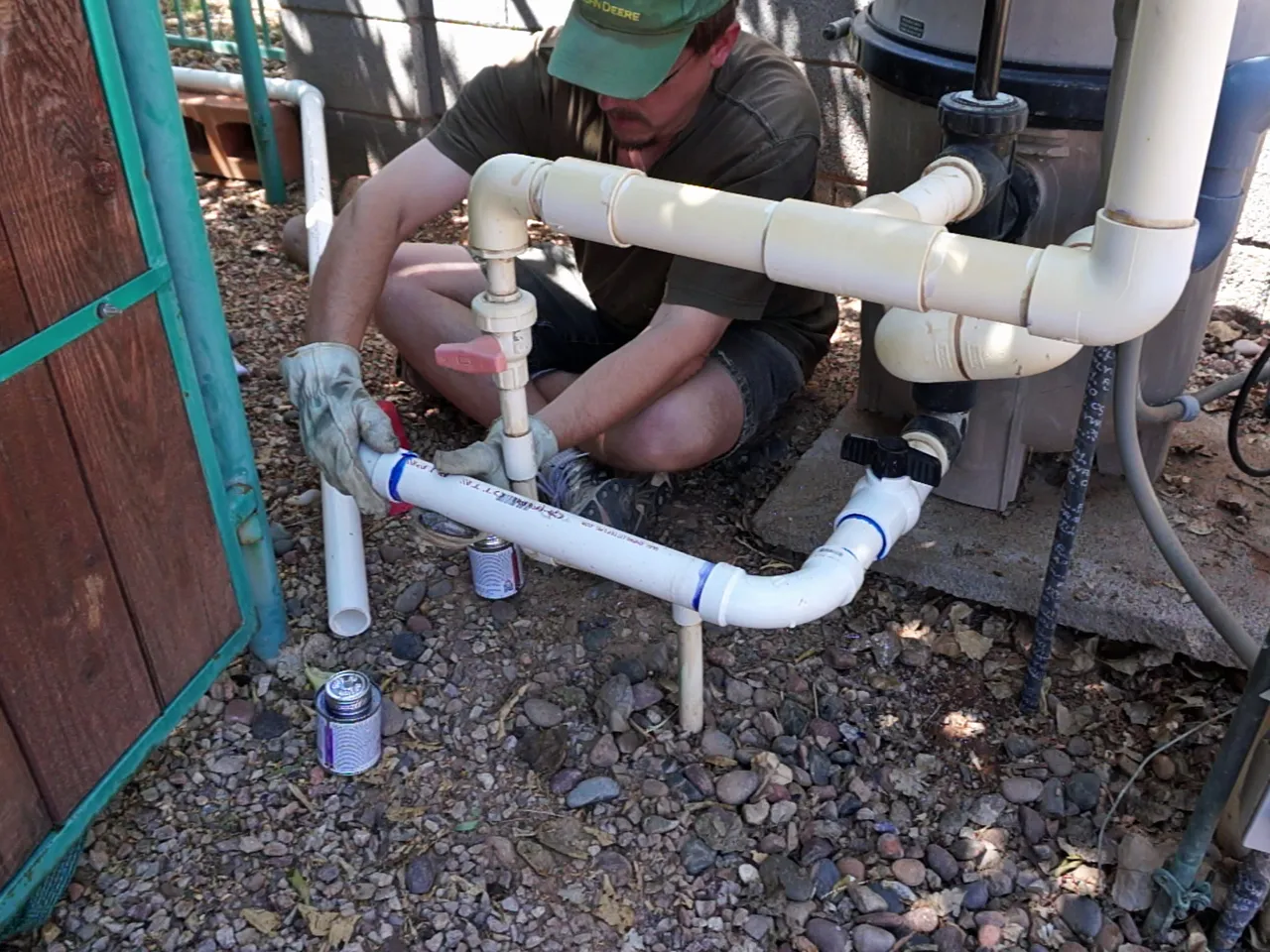
- Air leak in suction-side plumbing
- Opening the pump basket or filter system after cleaning
In The Colony, Lewisville, Grapevine, Carrollton, Farmers Branch, and Addison, older plumbing, shifting soil, and sun-baked equipment pads can make small suction leaks show up at the worst time. If the same problem keeps coming back, PoolBurg can check pool plumbing repair and pool valve repair issues instead of guessing.
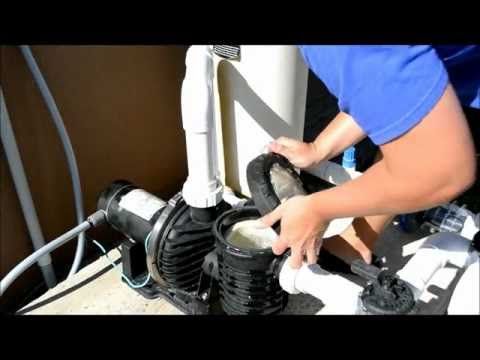
Basic Steps to Try Before Calling for Service
Before you panic, try the basics. Turn the pump off first. Check that the pool water level is halfway up the skimmer opening. Empty the skimmer and pump baskets. Fill the pump basket with water, reseat the lid, and make sure the O-ring is clean and lightly lubricated with pool-safe lubricant. If your filter has an air relief valve, open it while restarting until water pushes air out, then close it.
Do not let the pump sit there screaming dry. CDC pool chemical safety guidance recommends shutting off recirculation systems before servicing related pool equipment, and that same cautious mindset belongs at home too. Water and electrical equipment are not a place for heroic guessing.
When Air Lock Means a Bigger Problem
A one-time pool pump air lock after cleaning the basket may not be a crisis. Repeated air lock is different. If you see bubbles every day, the pump loses prime overnight, or the basket never fully fills, there may be a cracked suction line, leaking valve, bad union, warped lid, or failing seal. That is when pool pump priming problems deserve a real diagnosis.
This also affects water quality. CDC home pool water treatment guidance ties safe pool water to proper disinfectant and pH levels, but chemicals cannot spread well when circulation is weak. That is how a small air leak becomes cloudy water, algae, and a Saturday you did not plan for.
Why You Should Not Let the Pump Run Dry
A pump running dry can build heat quickly. That heat can damage seals, stress the motor, warp plastic parts, and shorten the life of the equipment. If the pump keeps losing water flow, shut it off and deal with the cause. If the unit is old, inefficient, or repeatedly failing, it may also be worth reviewing ENERGY STAR pool pump guidance or Department of Energy pool pump efficiency tips before putting money into another patch.
People Also Ask
How do you fix a pool pump air lock?
Turn the pump off, check the water level, fill the pump basket with water, reseat the lid and O-ring, open the filter air relief valve if available, then restart and watch for steady flow. If the pool pump air lock returns, call for service.
Why does my pool pump keep getting air in it?
Air usually enters through a low water level, loose pump lid, bad O-ring, suction-side plumbing leak, or valve issue.
Can air damage a pool pump?
Yes. Air can cause the pump to lose prime and run dry, which can damage seals, overheat parts, and stress the motor.
Why is my pump basket not filling with water?
The pump may be sucking air, the water level may be low, the basket may be clogged, or the suction line may have a restriction or leak.
How do I get air out of my pool pump?
Prime the pump by filling the basket with water, sealing the lid properly, and bleeding air from the filter if your system has an air relief valve.
Why do I have bubbles coming from my pool jets?
Bubbles from the returns usually mean air is entering before the pump, often from the pump lid, O-ring, valves, or suction plumbing.
PoolBurg Can Find the Air Source Before It Burns Up the Pump
Restarting the pump over and over might get you through one afternoon, but it does not fix the reason the air got there. PoolBurg can inspect the lid seal, valves, water level, suction plumbing, filter pressure, and return flow to find out why your pool pump won’t prime or why the pool pump losing prime keeps happening.
If your DFW pool has bubbles, weak flow, or a stubborn pool pump air lock, contact PoolBurg and let us find the air source before it turns into a burned seal, a damaged motor, or a green pool.