Pool pump priming problems are one of those issues that make a homeowner stare at the equipment pad like, “Okay… why is this thing angry today?” If the pump basket will not fill with water, you see bubbles coming from the returns, or the pump keeps catching air, the system is usually telling you one thing: air is getting into the suction side somewhere. That matters because the pump needs a steady, water-filled path to move water through the filter, heater, salt cell, and returns. No prime means weak circulation, and weak circulation can make North Texas pool water go sideways fast.
What Does It Mean When a Pool Pump Won’t Prime?
A pool pump is “primed” when the pump basket and suction plumbing are filled with enough water for the impeller to pull water consistently. When air gets in, the pump loses that grip. Instead of moving water, it churns bubbles, runs louder, or sits half-empty. Pool pump priming problems often show up after the basket was opened, the water level dropped, or a lid O-ring stopped sealing.
The U.S. Department of Energy notes that pool pumps are major household energy users, so a struggling pump is not just annoying. It can waste power while doing a poor job moving water. U.S. Department of Energy pool pump guidance is a helpful resource for understanding why efficient circulation matters.

Common Reasons a Pool Pump Loses Prime
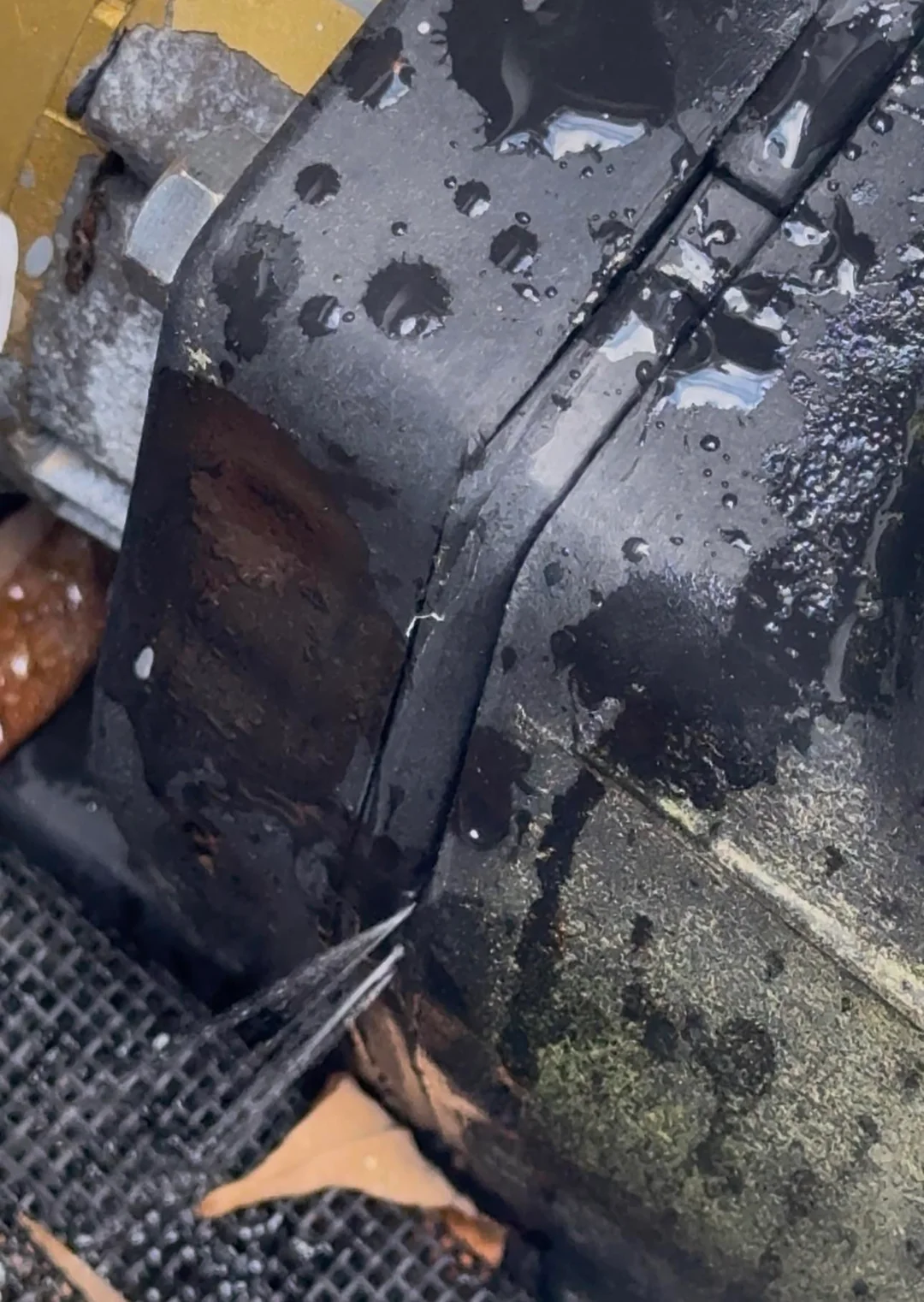
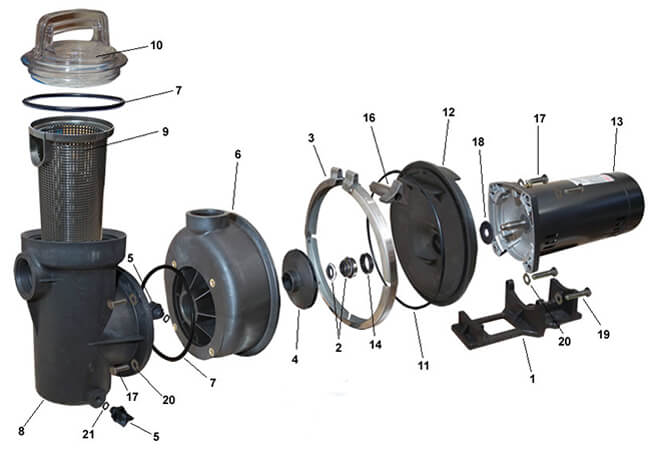
Most pool pump priming problems start with something simple: low pool water, a stuck skimmer weir, a packed skimmer basket, or a dirty pump basket. If the water line drops below the skimmer opening, the pump pulls air. If the pump lid is loose or the O-ring is flat, cracked, dry, or dirty, air sneaks in there too. A cracked lid, loose union, bad valve seal, or suction-side plumbing leak can also create a pool pump air leak. For a simple rule, keep the water level around the middle of the skimmer opening. This basic plumbing principle is also explained well in this pool plumbing basics guide.
Quick Checks Before Calling for Repair
Before assuming the worst, try the easy stuff first. Turn the pump off, clean the skimmer and pump baskets, check the water level, inspect the pump lid, and make sure the O-ring is seated correctly. If the O-ring looks dry, use pool-safe lubricant. Then refill the pump basket with water, secure the lid, and restart the system.
| What You Notice | What It May Mean |
| Pump basket will not fill | Low water, air leak, clogged basket, or suction restriction |
| Bubbles at return jets | Air is entering before the pump |
| Pump loses prime overnight | Lid seal, check valve, or suction-side leak |
| Weak flow after cleaning baskets | Valve issue, impeller problem, or deeper plumbing restriction |
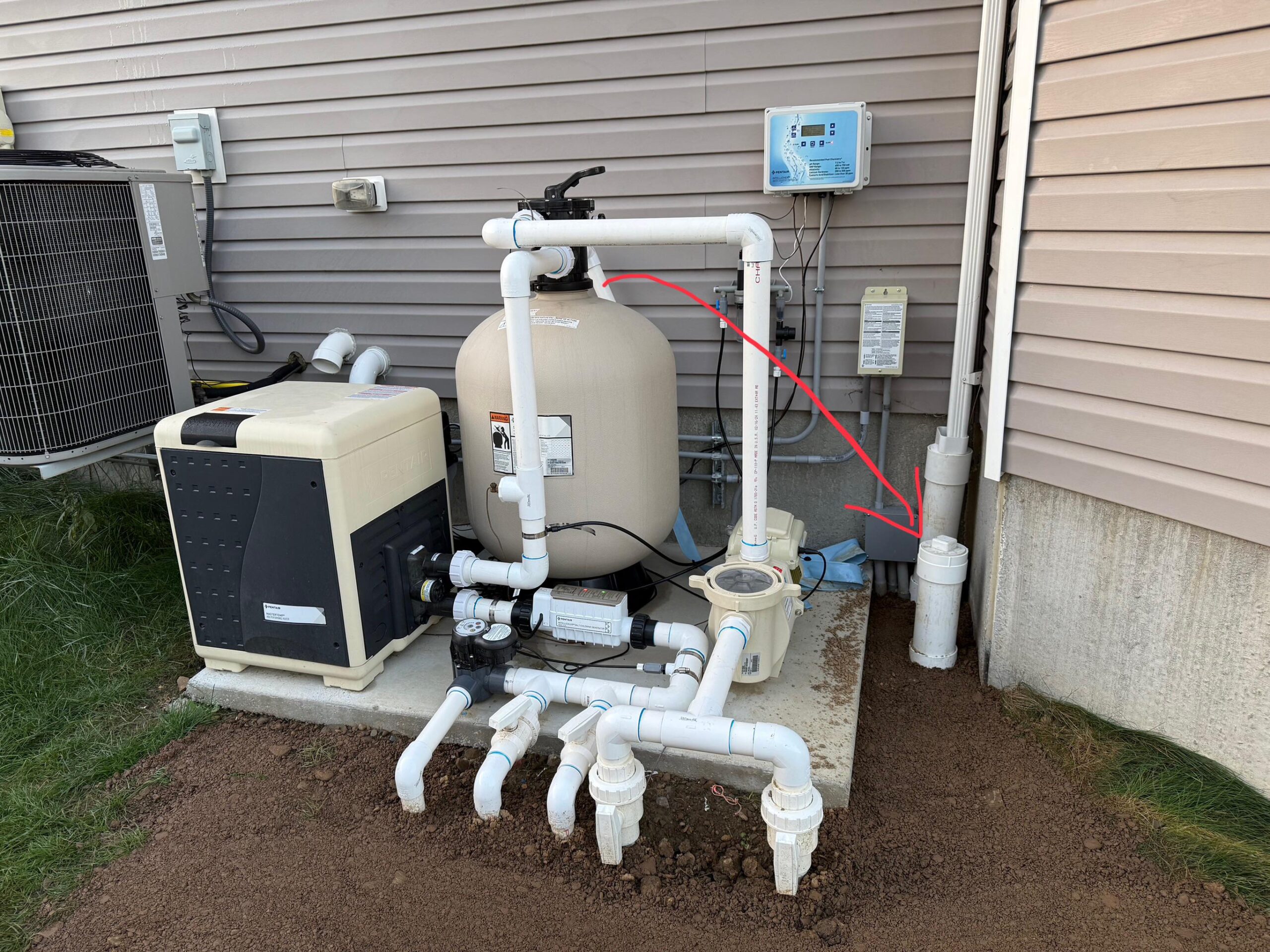
If you need a step-by-step visual idea of what a homeowner check looks like, this pool pump priming troubleshooting guide covers the basic “fill the pump and test again” approach. Still, do not keep running the pump dry just to see what happens. That is how a small pool pump suction problem becomes a motor problem.
When Priming Problems Point to a Bigger Issue
Some pool pump priming problems are not fixed with a basket cleanout. If the pump keeps losing prime, the issue may be an underground suction leak, cracked plumbing, worn valve seals, damaged pump housing, or a failing impeller. This is where guessing gets expensive. A pool pump losing prime over and over can overheat, strain the motor, and reduce filtration. If you also hear grinding, see water around the pad, or notice cloudy water, it is time to stop treating it like a tiny inconvenience. PoolBurg’s guide to Pool Circulation Problems explains why weak movement can create bigger water-quality issues in Texas heat.
Why Priming Problems Are Worse in Hot Weather
DFW heat does not give pool owners much grace. When circulation slows down, chlorine does not distribute evenly, debris sits longer, and algae gets a better chance to settle in. The CDC recommends keeping disinfection, filtration, and recirculation systems operating properly for safer pool operation, which is why a priming issue should not be ignored. You can review that guidance here: CDC pool operation guidance. In Carrollton, Farmers Branch, Addison, Las Colinas, Lewisville, and nearby areas, older plumbing plus clay soil movement can make pool pump priming problems especially frustrating.
How PoolBurg Troubleshoots Priming Issues
PoolBurg does not just glance at the pump and throw parts at it. We check flow, inspect the equipment pad, look for air intrusion, test valves, examine the pump lid and O-ring, and decide whether the issue is simple, equipment-side, or plumbing-related. If the problem points to pipe or valve work, our Pool Plumbing Repair team can help find the real cause. If the pump has noise, heat, or motor symptoms too, our Diagnose Common Pool Pump Problems resource is a good next read.

People Also Ask
Why will my pool pump not prime?
Usually because air is entering the suction side, the water level is too low, baskets are clogged, or the pump lid is not sealing.
How do I fix a pool pump air leak?
Start with water level, baskets, lid tightness, and the O-ring. If bubbles continue, call for leak detection or plumbing inspection.
Why does my pool pump lose prime overnight?
A worn lid seal, suction leak, failing valve, or check valve issue can allow water to drain back when the pump shuts off.
Can low water cause a pool pump not to prime?
Yes. If the skimmer pulls air instead of water, the pump can lose prime quickly.
How long should it take for a pool pump to prime?
A healthy pump usually primes within a few minutes. If it takes much longer or fails repeatedly, something is wrong.
PoolBurg Can Find the Leak Before It Gets Expensive
If your pump keeps losing prime, do not let it cook itself in the Texas sun. PoolBurg can inspect the system, confirm whether it is a lid issue or a deeper suction-side problem, and give you a straight repair recommendation. For ongoing protection, pair equipment checks with Weekly Pool Service, or use Contact Us to schedule help before pool pump priming problems turn into cloudy water, algae, or a burned-out pump.