Pool pump motor burned out is not a phrase any homeowner wants to Google, but if your pump is dead, humming, hot, or tripping the breaker, it is exactly the problem worth checking fast. In North Texas, a stopped pump is more than annoying. Water stops moving, chlorine stops spreading evenly, and clear water can start sliding toward cloudy or green in a hurry.
PoolBurg helps homeowners across Frisco, Plano, McKinney, Allen, Keller, Garland, Mesquite, Wylie, and nearby DFW cities figure out whether they need a simple pool pump motor repair, an electrical fix, or a full pump replacement.
What Does a Burned-Out Pool Pump Motor Look Like?
A pool pump motor burned out problem usually shows up in a few obvious ways. The pump may not start at all. It may hum for a few seconds but never spin. You might smell something electrical or burnt near the equipment pad. The breaker may trip again and again. Sometimes the pump runs for a short time, gets extremely hot, then shuts itself off. Those are serious faulty pool pump signs, especially during a Texas summer.
The confusing part is that not every dead pump means the motor is gone. A bad capacitor, timer issue, loose wiring, GFCI trip, or clogged impeller can make a pump act “dead” even when the motor is still repairable. That is why PoolBurg checks the whole equipment system before recommending replacement.
Burned-Out Motor vs Simple Electrical Problem
Before calling it a pool pump motor burned out situation, the basics matter. Is the breaker tripped? Did a storm knock out the timer? Is the GFCI protecting the circuit doing its job? The U.S. Consumer Product Safety Commission encourages GFCI protection around pools, and that is one reason pool electrical troubleshooting should be handled carefully. Water and electricity are not a “let me just poke around” combo.
A weak capacitor is one of the most common false alarms. The motor hums, but the impeller does not turn. In some cases, replacing the capacitor is much cheaper than replacing the pump. In other cases, the capacitor failed because the motor is already worn out and pulling too much load.
Why Pool Pump Motors Burn Out
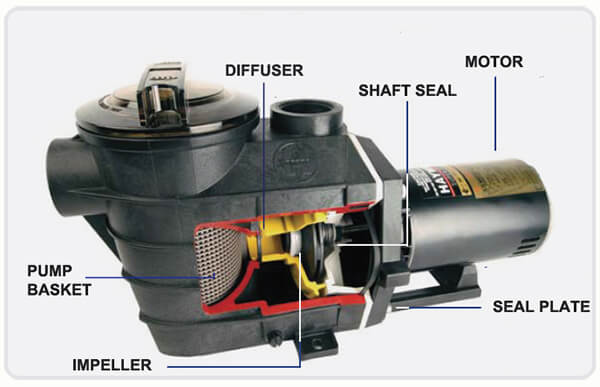
A pool pump motor burned out problem usually has a backstory. The pump may have run dry after losing prime. Baskets may have stayed clogged too long. Worn bearings may have forced the motor to work harder. A shaft seal leak may have let water creep toward the motor. Electrical surges can also shorten motor life. Older single-speed motors take an extra beating because they run at full power for long stretches.
Heat matters too. DFW pools often run long hours through summer, and a struggling motor can overheat quickly. If your pump has been loud, hot, or randomly shutting down, do not wait until it fails completely.
Can a Pool Pump Motor Be Repaired?
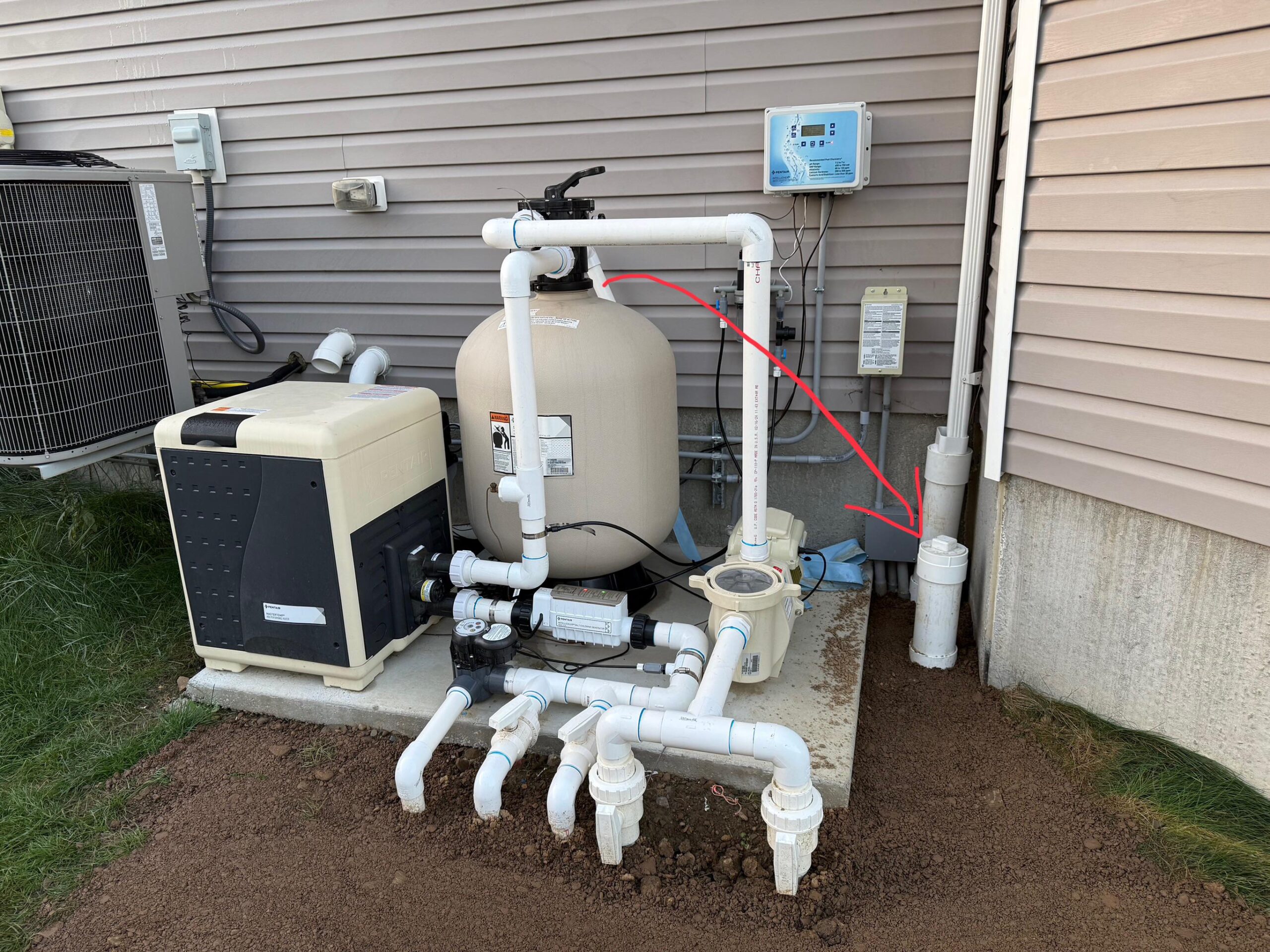
Yes, sometimes. Pool pump motor repair may include a capacitor replacement, seal replacement, bearing evaluation, wiring correction, or motor swap. If the wet end of the pump is still healthy, repairing the motor can make sense. If the pump body is cracked, leaking, outdated, or repeatedly failing, replacement may be the smarter call.
This is also where a variable speed pool pump upgrade becomes worth discussing. ENERGY STAR explains that certified pool pumps can run at different speeds and use less energy during lower-flow filtration tasks, while the U.S. Department of Energy notes that reducing unnecessary pump run time can cut pumping costs. If your old motor died and your electric bill already feels rude, upgrading may solve two problems at once.
When Replacing the Whole Pump Makes More Sense
If your pool pump motor burned out and the equipment is already old, replacement can be the better long-term move. This is especially true when the wet end is worn, parts are hard to find, the motor has failed before, or the pump is an inefficient single-speed model. Replacing only the motor on a tired pump can feel cheaper today but cost more later if the seals, housing, or bearings keep causing trouble.
PoolBurg looks at the age of the equipment, visible leaks, noise, wiring condition, plumbing fit, and the pool’s circulation needs before recommending a repair or replacement. No guessing. No scare tactics. Just the real condition of the pump.
What Happens If the Pool Pump Is Down in Texas Summer?
When the pump stops, the pool stops circulating. Chemicals sit unevenly, debris settles, algae gets comfortable, and the filter cannot do its job. The CDC emphasizes keeping recirculation systems and filters operating for managed pools, and the same idea matters in a backyard pool even if the rules are different for residential use. If your water is already turning dull, our pool algae treatment guide can help explain why fast circulation matters.
In peak summer, a dead pump in Frisco, Plano, McKinney, Keller, Garland, Mesquite, Wylie, Prosper, Carrollton, Farmers Branch, Addison, The Colony, Lewisville, Southlake, Grapevine, or Las Colinas can go from “we will deal with it later” to “why is the pool green?” very quickly. If the pump is down and the water is changing, treat it like a pool emergency before it becomes a full recovery job.
People Also Ask
How do I know if my pool pump motor is burned out?
A pool pump motor burned out warning usually includes humming without starting, a burning smell, repeated breaker trips, overheating, or a pump that will not turn on even when power is confirmed.
Can a pool pump motor be repaired?
Sometimes. Capacitors, seals, and some motor-related issues can be repaired. If the motor windings, bearings, or pump body are badly damaged, replacement may be smarter.
What causes a pool pump to stop working?
Common causes include a tripped breaker, bad capacitor, clogged impeller, failed timer, shaft seal leak, overheating, or a fully burned-out motor.
Is it cheaper to buy a motor or rebuild a motor?
Usually, replacing a motor or upgrading the pump is more practical than rebuilding an old motor, but the right answer depends on the pump age and condition.
What are the signs of a faulty pool pump?
Faulty pool pump signs include weak flow, loud grinding, leaks, overheating, air in the pump basket, random shutoffs, and poor circulation.
PoolBurg Can Diagnose the Motor Before You Replace the Wrong Thing
If you think your pool pump motor burned out, PoolBurg can inspect the motor, test the electrical side, check for hidden leaks, and explain whether repair or replacement makes more sense. Sometimes it is a simple fix. Sometimes the motor is truly done. Either way, we help you make the call before a small equipment problem turns into green water, wasted chemicals, and a bigger repair bill.