A pool pump shaft seal leak is one of those little equipment-pad problems that looks harmless until it is not. A few drops under the pump can turn into rust, bearing noise, and a full motor replacement if water keeps sneaking past the seal. If you have a leaking pool pump in Frisco, Plano, McKinney, Allen, The Colony, Lewisville, Southlake, Grapevine, Las Colinas, Farmers Branch, Carrollton, Addison, Keller, Garland, Mesquite, Wylie, or Prosper, the smart move is to catch it early. PoolBurg can help with pool pump replacement and repair decisions before a small seal issue becomes an expensive motor problem.
What Is a Pool Pump Shaft Seal Leak?
A pool pump shaft seal leak happens inside the pump, where the motor shaft passes into the wet end of the pump. The shaft seal sits behind the impeller and acts like a tiny gatekeeper, keeping pool water away from the electric motor. This is why a pool pump shaft seal has to match the exact pump model, not just the horsepower on the motor label.
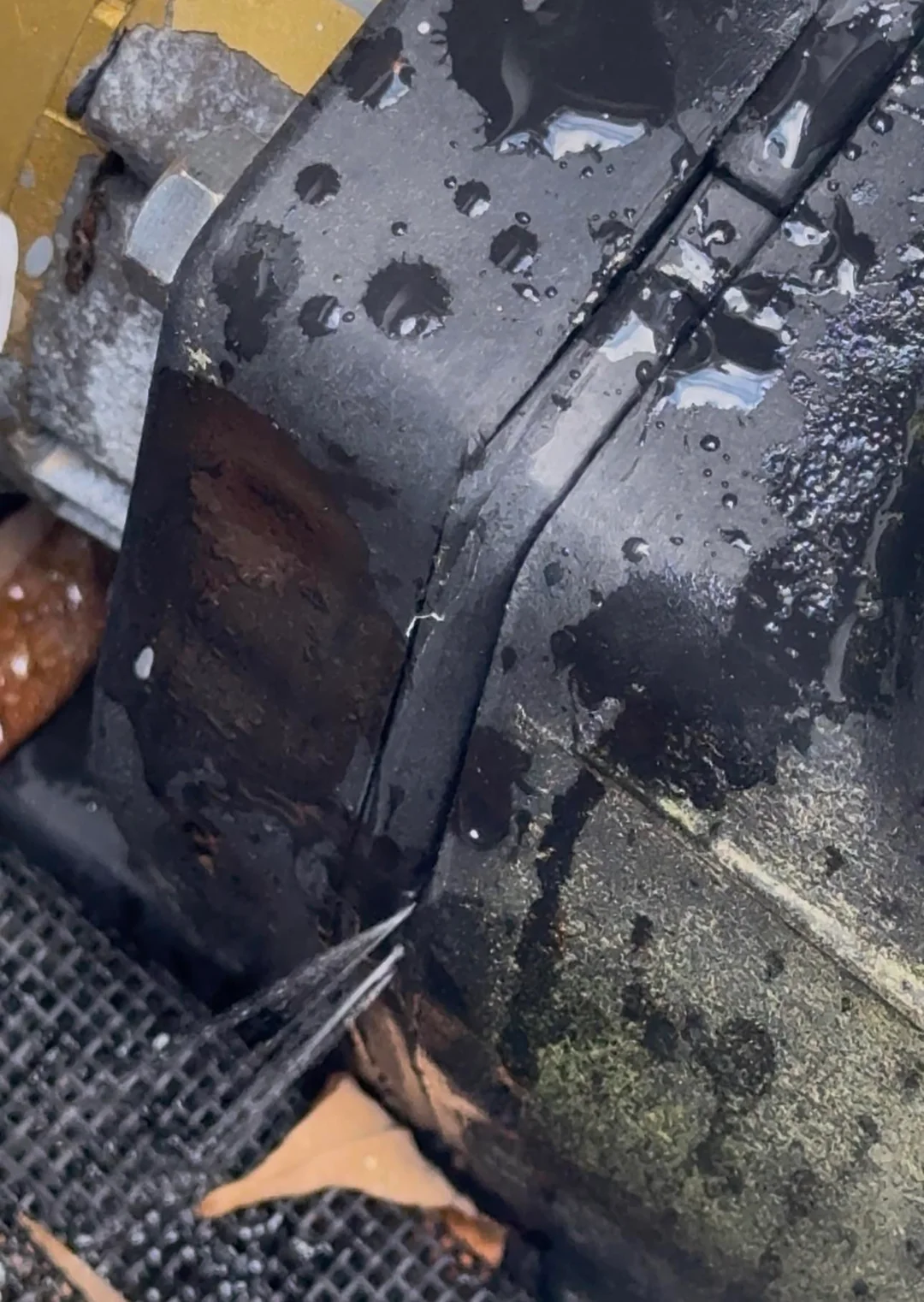
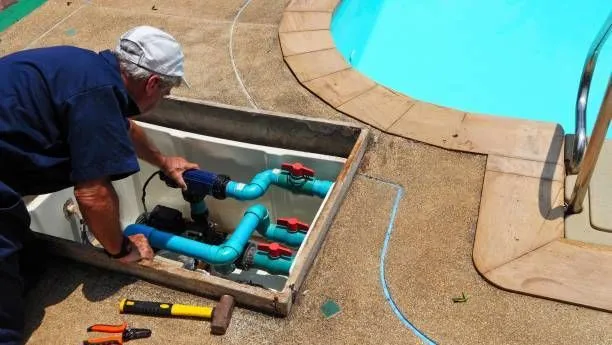
Most homeowners notice water under the pump, behind the basket housing, or right between the motor and pump housing. That middle drip is the classic “uh-oh” zone. When water reaches the motor side, a pool pump seal replacement is usually needed before corrosion spreads.
Signs Your Pool Pump Shaft Seal Is Leaking
The biggest sign is water dripping between the motor and pump housing while the pump is running. You may also see rust around the motor plate, a white mineral trail under the pump, or a pool pump dripping slowly even though the lid and plumbing unions look dry.
Another clue is sound. If the pump still runs but gets louder, hotter, or starts squealing, the leak may already be touching the bearings. That is when a simple pool pump shaft seal leak can slide into a motor repair.
Why Pool Pump Shaft Seals Fail in Texas
North Texas is rough on pool equipment. Long summer run times, high equipment-pad temperatures, hard water, and chemical swings all wear down seals. A pump that runs dry after low water or a clogged skimmer can overheat the seal quickly. Freeze events can also shift gaskets, crack plastic, or stress old pump parts.
Good chemistry matters too. The CDC healthy swimming guidance is a good reminder that balanced, clean water protects swimmers, but balanced water also protects equipment. Water that is too acidic, too scaled, or poorly maintained can shorten the life of seals and O-rings.
Can You Keep Running a Pool Pump With a Shaft Seal Leak?
Not for long. A tiny pool pump shaft seal leak may not kill the motor today, but it is still water leaking toward electrical and mechanical parts. If water is spraying, the motor is smoking, the breaker trips, or you hear grinding, shut it off and schedule service.
If the pump is your only circulation source during a hot DFW week, do not ignore it either. Stagnant water turns cloudy fast in Texas heat. PoolBurg’s pool emergency guide explains why a dead pump needs quick attention, especially when the weather is pushing 100 degrees.
How PoolBurg Diagnoses a Shaft Seal Leak
PoolBurg starts with a dry visual inspection, then runs the pump to confirm where the first drip appears. Our tech checks the pump housing, seal plate, unions, lid O-ring, drain plugs, motor plate corrosion, and bearing sound. That matters because not every leaking pool pump is a shaft seal problem.
If the seal is the issue and the motor is still healthy, the repair is usually straightforward. If the bearings are noisy or the motor has corrosion, we explain the repair versus replacement choice clearly through our broader pool equipment repair support so you are not guessing.
Repair vs Replace the Pool Pump
Repair usually makes sense when the motor is quiet, the housing is intact, and the pump is not ancient. A typical pool pump seal replacement can save the motor if it is handled early. Replacement makes more sense if the motor bearings are failing, the pump body is cracked, the unit is inefficient, or it keeps leaking after previous repairs.
If replacement is on the table, ask about a variable-speed upgrade. ENERGY STAR certified pool pumps use less energy than standard pumps, and the Department of Energy pool pump guidance notes that pool pumps can be one of the larger energy users around a home. PoolBurg can also walk you through a practical pool pump upgrade if the repair no longer makes financial sense.
Quick Cost Guide for a Leaking Pool Pump
| Issue | Likely Fix | Typical Range |
| Small shaft seal leak | Replace seal and related gaskets | About $150-$350 |
| Leaking pump with noisy motor | Seal plus motor diagnosis | About $250-$700 |
| Old pump repeatedly leaking | Pump replacement or upgrade | Varies by model and plumbing |
People Also Ask
How do I know if my pool pump shaft seal is bad?
Look for water dripping between the motor and pump housing, rust near the motor plate, or a pump that leaks only while running.
Can a pool pump seal leak damage the motor?
Yes. Water can reach bearings and electrical components, turning a seal repair into a motor replacement.
How much does it cost to fix a pool pump leak?
A simple seal leak is often a smaller repair, but costs rise if the motor, housing, or bearings are already damaged.
Why is my pool pump leaking from the bottom?
It could be the shaft seal, drain plugs, pump housing, or plumbing fittings. The first wet spot usually tells the story.
Should I repair or replace a leaking pool pump?
Repair it if the pump is newer and the motor is healthy. Replace it if the motor is loud, old, inefficient, or repeatedly leaking.
If your pump is leaking, do not wait until the motor gets cooked. PoolBurg can inspect the equipment pad, confirm whether it is a pool pump shaft seal leak, and help you choose the right repair before a small drip becomes a full replacement. For ongoing prevention, our weekly pool service includes routine equipment checks that catch small problems early. Ready for help? Contact PoolBurg and let’s get your pump dry, quiet, and moving water again.