Pool pump upgrade is one of those backyard improvements that sounds boring until the electric bill drops, the equipment pad gets quieter, and the pool finally circulates the way it should. In North Texas, where pumps can run hard through long, hot months, an old single-speed motor can quietly chew through money every single day. That is why many homeowners are comparing a variable speed pool pump with their current setup before deciding whether repair or replacement makes more sense.
Here is the simple truth: not every noisy pump needs replacement, but the right pool pump upgrade can change how your whole pool behaves. A good technician should look at horsepower, plumbing size, filter pressure, automation, run schedule, and the age of the motor before recommending anything. PoolBurg handles that kind of diagnosis through pool equipment repair and pump troubleshooting instead of just guessing from the driveway.
Why a Pool Pump Upgrade Matters So Much
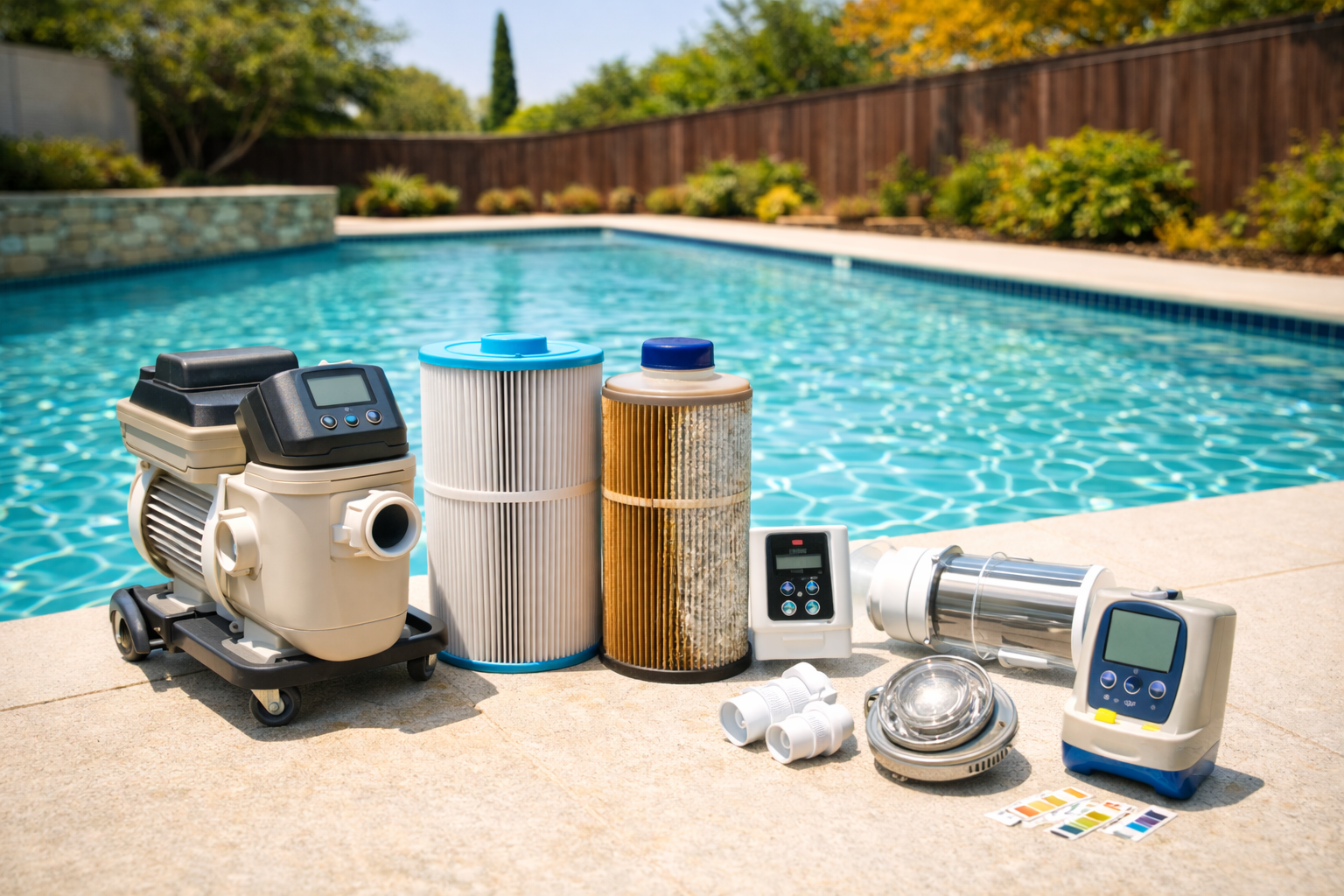
Your pump is basically the heart of the pool. It moves water through the filter, heater, sanitizer, cleaner lines, and return jets. When it is oversized, undersized, worn out, or running at one speed all day, the whole system suffers. An energy efficient pool pump is designed to move water more intelligently, not just aggressively.
ENERGY STAR notes that certified pool pumps can run quieter, reduce strain on filtration equipment, and save significant energy over their lifetime. Their fact sheet also says certified pumps use up to 70% less energy than standard models and can save about $290 to $350 per year in energy bills. For a DFW pool owner, that is not small-change money.
5 Powerful Benefits of a Pool Pump Upgrade
| Benefit | What It Means | Why Homeowners Care |
| Lower energy use | A variable speed pool pump can run slower for daily filtration. | Less wasted electricity during long Texas swim seasons. |
| Quieter operation | Lower RPMs usually mean less equipment pad noise. | Better evenings outside without the pump roaring nearby. |
| Better filtration | Slower circulation can allow longer, steadier filter cycles. | Cleaner water without blasting the system all day. |
| Less equipment strain | Lower speed reduces pressure on plumbing and filters. | Fewer leaks, seal failures, and surprise repair calls. |
| Smarter scheduling | Modern pumps pair well with automation and timers. | Easier control for daily service, vacations, and storm recovery. |
Is a Variable Speed Pool Pump Always Worth It?
Most of the time, yes, especially if your current pump is single-speed, loud, hot to the touch, tripping breakers, or costing too much to run. A variable speed pool pump lets the system use higher speeds only when needed, then slow down for normal filtration. That is the big difference. Your pool does not need “full blast” circulation every hour of the day.
There are still cases where repair makes sense. A capacitor, seal plate, bearing, timer, or wiring issue may be cheaper than a full pool pump upgrade. But if the motor is old, inefficient, or repeatedly failing, pouring money into repairs can become the expensive option. PoolBurg’s pool pump repair team can inspect the system and help you decide without the sales drama.
What About DOE Rules and Energy Standards?
Pool equipment has moved heavily toward efficiency. The U.S. Department of Energy standards changed the market for many dedicated-purpose pool pumps, and manufacturers now emphasize higher efficiency ratings, better motor design, and smarter speed control. Pentair’s DOE resource explains terms like weighted energy factor, which works a bit like miles per gallon for pump efficiency.
That is why a modern pool pump upgrade is not just about swapping a box. The pump should be sized for your plumbing, filter, water features, cleaner, and automation. Bigger is not automatically better. A poorly sized “powerful” pump can waste energy, create high filter pressure, and stress older plumbing.
How Much Can an Energy Efficient Pool Pump Save?
Savings depend on pool size, electricity rate, run schedule, pump horsepower, and how the new pump is programmed. ENERGY STAR says certified pool pumps can save more than $2,800 over their lifetime, while PoolBurg’s own pool energy savings guide shows how moving from a 1,500-watt single-speed pump to an optimized variable-speed setup can make a major monthly difference.
Before choosing a pool pump upgrade, it is smart to run real numbers. You can compare options using the ENERGY STAR pool pump savings calculator or a manufacturer calculator like the Pentair Pool Pump Savings Calculator. PoolBurg can also review your current run schedule and recommend a practical setup through pool energy savings planning.
Signs You May Need a Pool Pump Upgrade
- The pump is loud, grinding, humming, or overheating.
- Your breaker trips or the pump struggles to start.
- Water circulation feels weak even after filter cleaning.
- The pump runs many hours but the pool still looks dull.
- Your electric bill spikes during pool season.
- The pump is old and still single-speed.
Best Variable Speed Pumps to Ask About
Homeowners often ask about Pentair IntelliFlo, Pentair SuperFlo, Hayward TriStar VS, Hayward Super Pump VS, and Jandy variable-speed models. The “best” variable speed pool pump is not one universal product. It is the one that matches your pool’s plumbing, filter, automation, and daily demand. That is why PoolBurg starts with diagnosis before recommending a pool pump upgrade.

People Also Ask
Is a pool pump upgrade worth it?
Yes, if your current pump is single-speed, noisy, failing, or expensive to run. The best value usually comes from an energy efficient pool pump that is sized and programmed correctly.
How long does a pool pump upgrade take?
Many standard replacements can be completed in one visit, but electrical, automation, plumbing, or pad changes can add time.
Will a variable speed pool pump clean better?
It can help because it allows longer, slower filtration cycles. Clean water still depends on chemistry, filter condition, brushing, and service consistency.
Can PoolBurg repair my current pump instead?
Yes. If repair is the smarter move, PoolBurg can help with diagnostics, motor issues, seals, wiring concerns, and equipment repair.
PoolBurg Can Help You Choose the Right Upgrade
A pool pump upgrade should not feel like a gamble. PoolBurg can inspect your equipment, explain the repair-versus-replace choice, and help you choose a setup that fits your pool instead of forcing a one-size-fits-all answer. If you want a quieter pad, better circulation, and a more energy efficient pool pump, schedule service with PoolBurg and let the equipment tell the truth.