
Pool water problems usually show up at the worst time: right before guests come over, after a North Texas storm, or when the weather finally feels perfect for swimming. If you are staring at cloudy pool water and asking, “why is my pool cloudy,” the good news is that the cause is usually one of seven things. The trick is not guessing. It is diagnosing the water, the filter, and the equipment together.
Your Pool Is Cloudy and It Is Probably One of These 7 Causes
Cloudy water is one of the most common pool water problems PoolBurg sees across DFW. Sometimes it is simple chemistry. Sometimes it is a tired filter. Sometimes it is early algae giving you a little warning before the pool turns green. Here is the honest breakdown.
1. Your Filter Is Not Doing Its Job
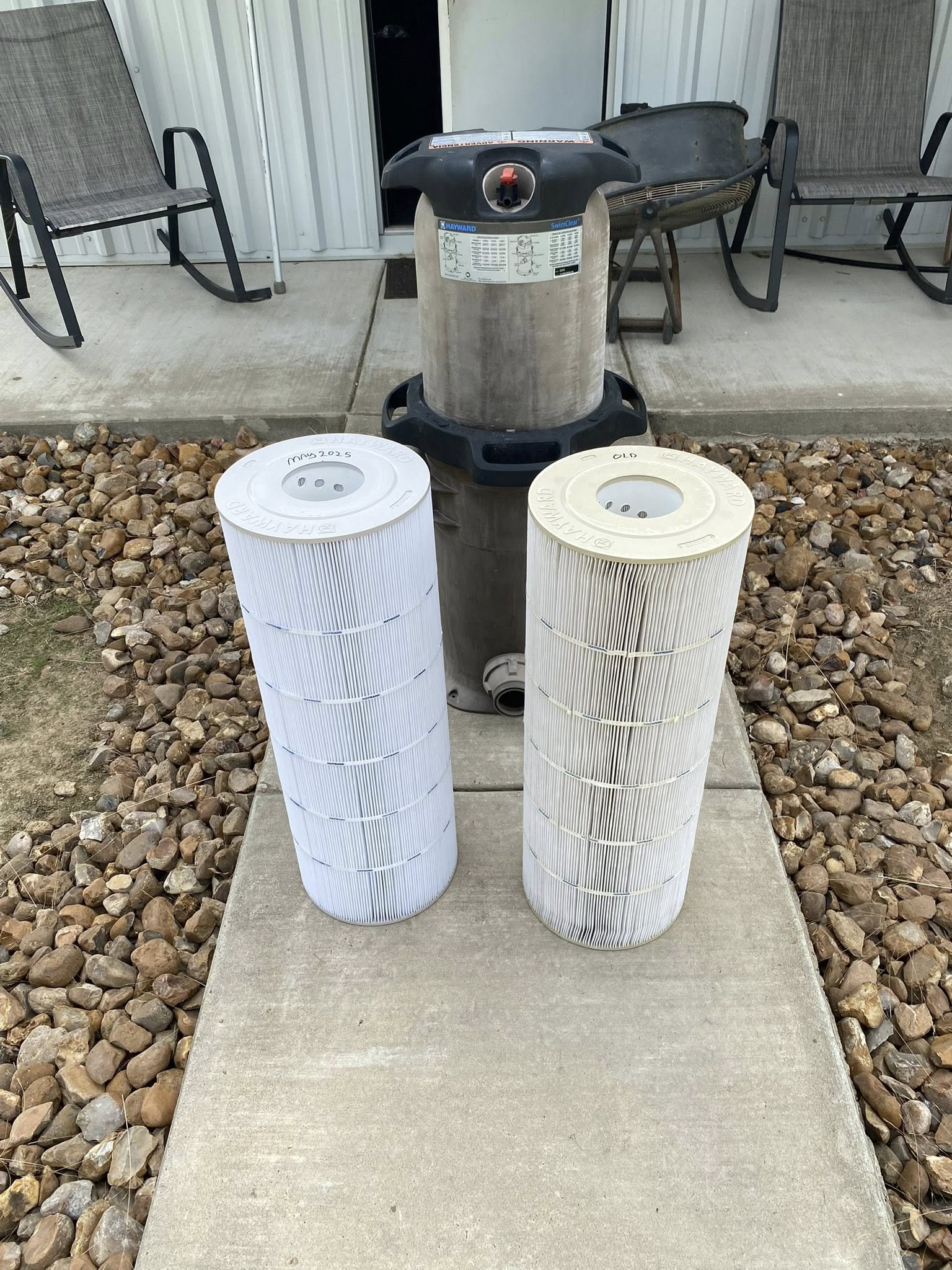
A pool filter is not decoration. It is doing the dirty work all day. If the pump is not running long enough, the cartridge is packed with debris, the sand is old, or the DE grid needs attention, the water can stay hazy even after you add chemicals. In Texas summer, many pools need longer run times because heat, sun, and swimmer load hit harder. PoolBurg’s guide on professional filter cleaning explains why dirty filters can reduce flow and lead to cloudy water.
2. The Chemistry Is Out of Range
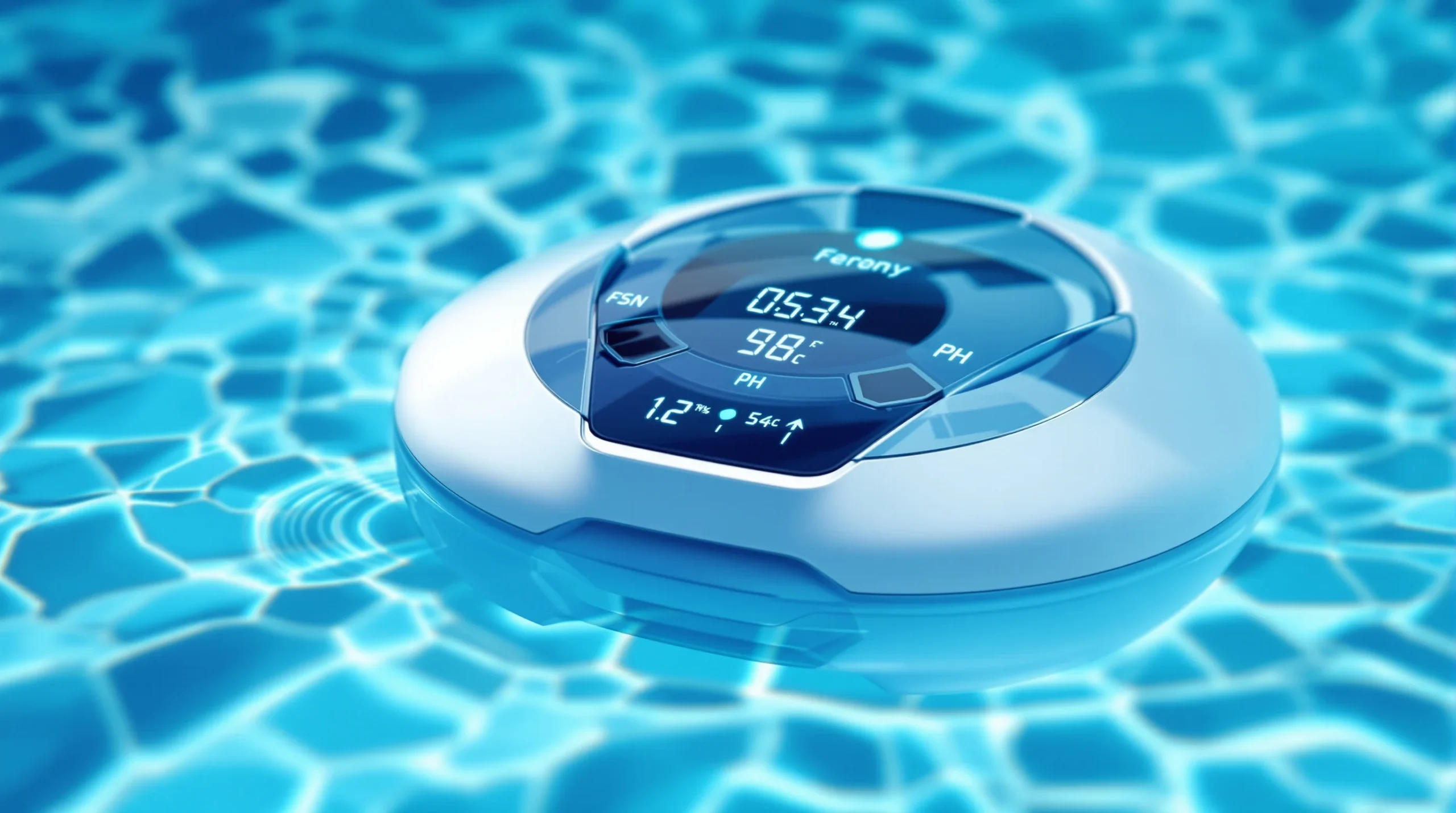
Chemical imbalance is behind a lot of pool water problems. High pH can make chlorine less effective and cause minerals to fall out of solution, which creates that dull, milky look. Low chlorine lets bacteria and organic material build up. High alkalinity can push pH upward again and again. The CDC recommends keeping pool pH between 7.0 and 7.8 and maintaining proper disinfectant levels, so testing is not optional if you want clear water.
3. DFW Hard Water Is Bringing Calcium Trouble
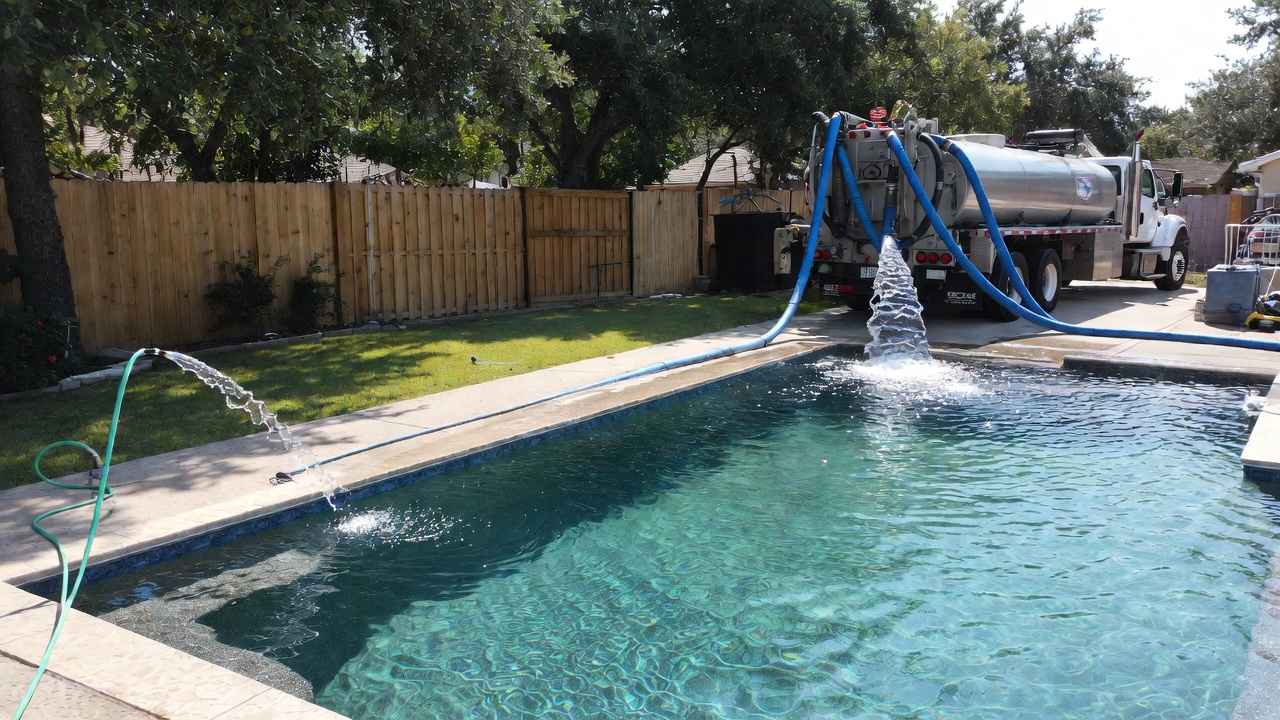
North Texas water is famous for minerals. When calcium hardness climbs too high, especially with high pH, calcium can cloud the water and scale tile, heaters, salt cells, and plaster. This is one reason cloudy pool water in DFW is not always fixed with shock alone. You may need pH adjustment, a sequestering product, or in severe cases a partial drain and refill.
4. Algae Is Starting Before You See Green
If your pool is cloudy, chlorine is low, and the weather is hot, algae may already be waking up. Cloudiness often arrives before the green color. Brush the pool, correct pH, shock properly, and run the filter continuously until the water clears. Waiting a week usually turns a quick fix into a recovery job.
5. Total Dissolved Solids Are Too High
Older water can collect dissolved minerals, stabilizer, salt, chemical byproducts, and debris over time. When the water is overloaded, normal treatments may stop working like they should. Persistent pool water problems that come back after every “fix” may be a sign that the water itself needs dilution.
6. A Storm Knocked the Pool Out of Balance
DFW storms do not politely ask before dumping leaves, dirt, fertilizer runoff, and rainwater into your pool. Rain can dilute sanitizer, push debris into the skimmers, and overwhelm filtration. After heavy rain, test the water, skim and empty baskets, run the pump longer, and clean the filter if pressure rises.
7. Heavy Swimming Overloaded the Water
A weekend pool party can leave behind sunscreen, sweat, body oils, hair products, and organics. That extra load eats chlorine and clouds the water. After heavy use, a little extra filtration and a proper chlorine boost can prevent bigger pool water problems the next morning.
Cloudy Pool Quick Fix Guide
- Test chlorine, pH, alkalinity, and calcium hardness immediately.
- Fix pH first, ideally bringing it near 7.2 to 7.4 before shocking.
- Shock the pool if chlorine is low or algae is suspected.
- Run the filter 24/7 until cloudy pool water starts clearing.
- Clean the filter after 24 hours of continuous running.
- Use clarifier only if the water is improving but still hazy.
- Call a pro if the pool is still cloudy after 48 hours.
When Cloudy Water Means Something Bigger
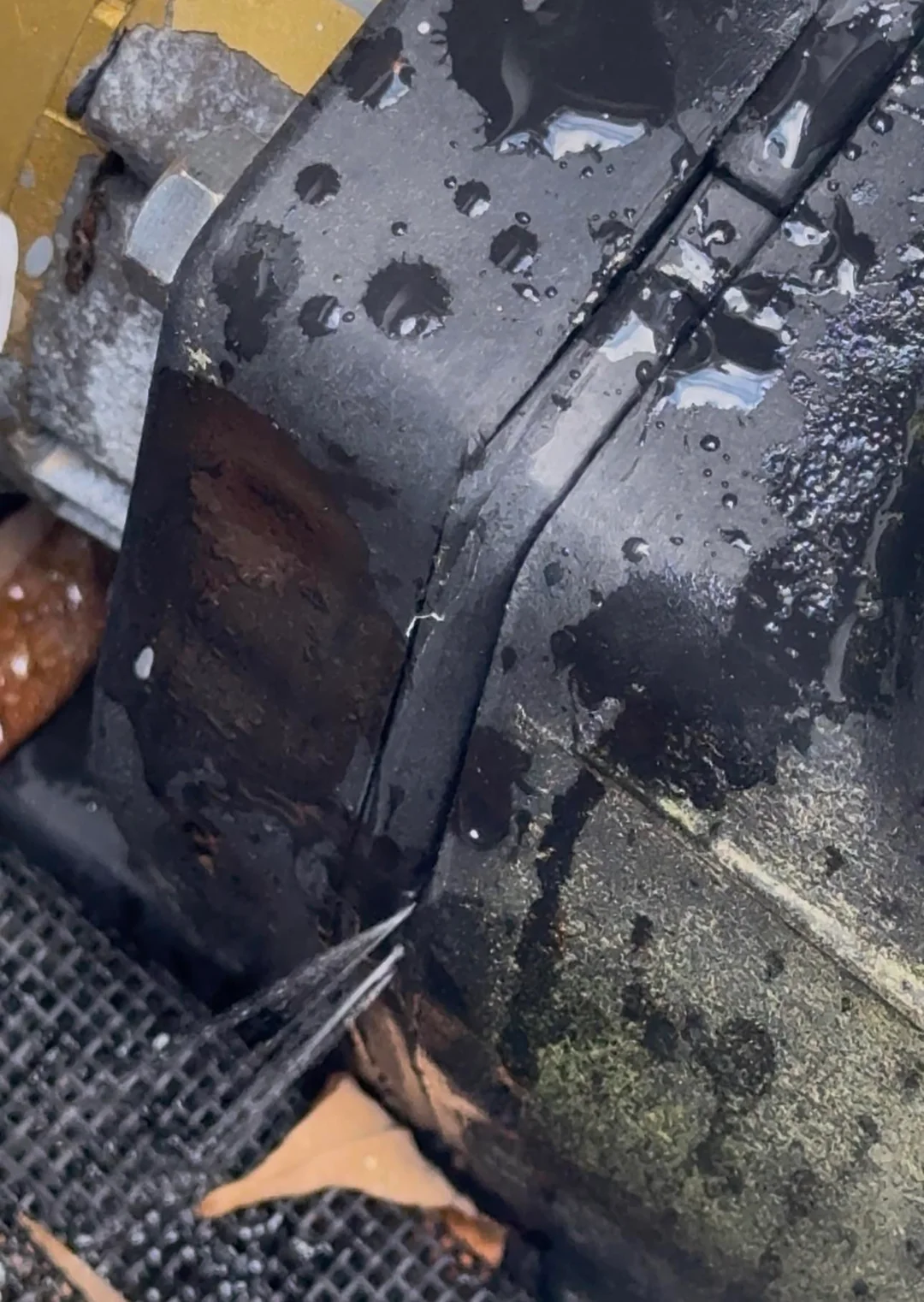
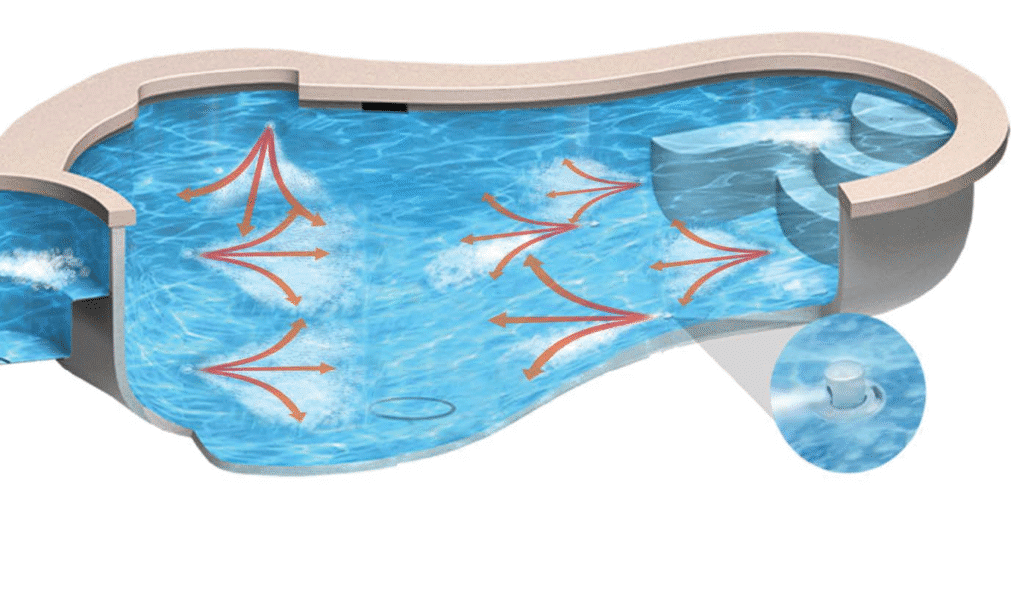
If chemistry looks right but the water stays cloudy, the issue may be circulation, weak suction, a clogged line, a filter problem, or dead spots where water is not moving. Cloudiness with visible particles can also point to surface deterioration. That is when PoolBurg’s pool repair and pool cleaning support can save you from chasing the same problem over and over.
People Also Ask
Why is my pool cloudy even though chemicals are balanced?
Your filter may be dirty, circulation may be weak, calcium may be high, or the test results may be missing something like combined chlorine or stabilizer.
Can you swim in a cloudy pool?
It is better to wait. Cloudy water can hide the pool floor and may mean sanitizer is not working properly.
How long does it take to clear a cloudy pool?
Simple cloudy pool water can clear in 24 to 48 hours. Algae, high calcium, or filtration issues can take longer.
Does hard water cause cloudy pool water?
Yes. High calcium hardness, especially with high pH, can create a milky haze and scale buildup.
Will pool clarifier fix cloudy water?
Clarifier can help small particles collect so the filter catches them, but it will not fix bad chemistry, algae, or a failing filter.
PoolBurg Fixes Cloudy Pools Across DFW
Pool water problems are frustrating because they do not always have one obvious cause. PoolBurg checks the chemistry, filter, pump, circulation, and local water conditions together. Cloudy pool driving you crazy? Contact PoolBurg and we will diagnose it, clean it up, and help you keep the water clear.