If you can’t lower pool pH no matter how carefully you add acid, you are not crazy and your pool is not being dramatic for fun. It usually means something in the water, equipment, or local fill water is pushing the pH back up. Around North Texas, this can show up a lot because many pools are dealing with hard water, high alkalinity, heavy aeration, salt systems, and long hot stretches that make water chemistry less forgiving.
The frustrating part is that high pH does not always look like a disaster right away. The water may still appear mostly clear. But over time, a pool pH always high can lead to cloudy water, scale on tile, rough-feeling surfaces, weaker chlorine performance, and equipment that works harder than it should. For a quick reference point, the CDC’s healthy swimming guidance emphasizes routine water testing because sanitizer and pH balance work together, not separately.
So if you have been asking, “why is my pool pH always high,” the answer is usually not one single thing. It is a pattern.
Why you can’t lower pool pH for long
When you add muriatic acid or dry acid, the pH should drop. If it drops for a day and then creeps back up, the bigger issue is often total alkalinity. Alkalinity acts like a buffer. That is useful when it keeps pH stable, but when alkalinity is too high, it can make the water resist change. This is one of the most common reasons a homeowner says they can’t lower pool pH even after following the bottle instructions.
Another reason is aeration. Spillovers, fountains, bubblers, spa jets, sheer descents, and return jets pointed too high can drive carbon dioxide out of the water, which naturally raises pH. That beautiful water feature may be part of your backyard vibe, but it can also be part of your chemistry headache. Salt chlorine generators can also contribute to a gradual pH rise, so a salt pool can still become a high pH pool DFW problem if it is not being tested and adjusted consistently.
What high pH can do to your pool
A high pH pool DFW homeowners ignore for too long can start leaving clues. The pool may look dull instead of crisp. The walls may feel a little slick or chalky. Tile can collect white scale. Chlorine may seem like it disappears without doing much. You might add more shock, more tablets, more clarifier, and still feel like the water is arguing with you.
- Cloudy water even when the filter is running
- White flakes or calcium scale around tile and spillways
- Chlorine that feels less effective than normal
- Eye or skin irritation for swimmers
- Rough surfaces or scaling on heaters, salt cells, and equipment
This is why using a pool service checklist matters. The answer is not just dumping in acid. A good pool tech looks at pH, alkalinity, calcium hardness, sanitizer, circulation, brushing needs, and the way the pool is physically operating.
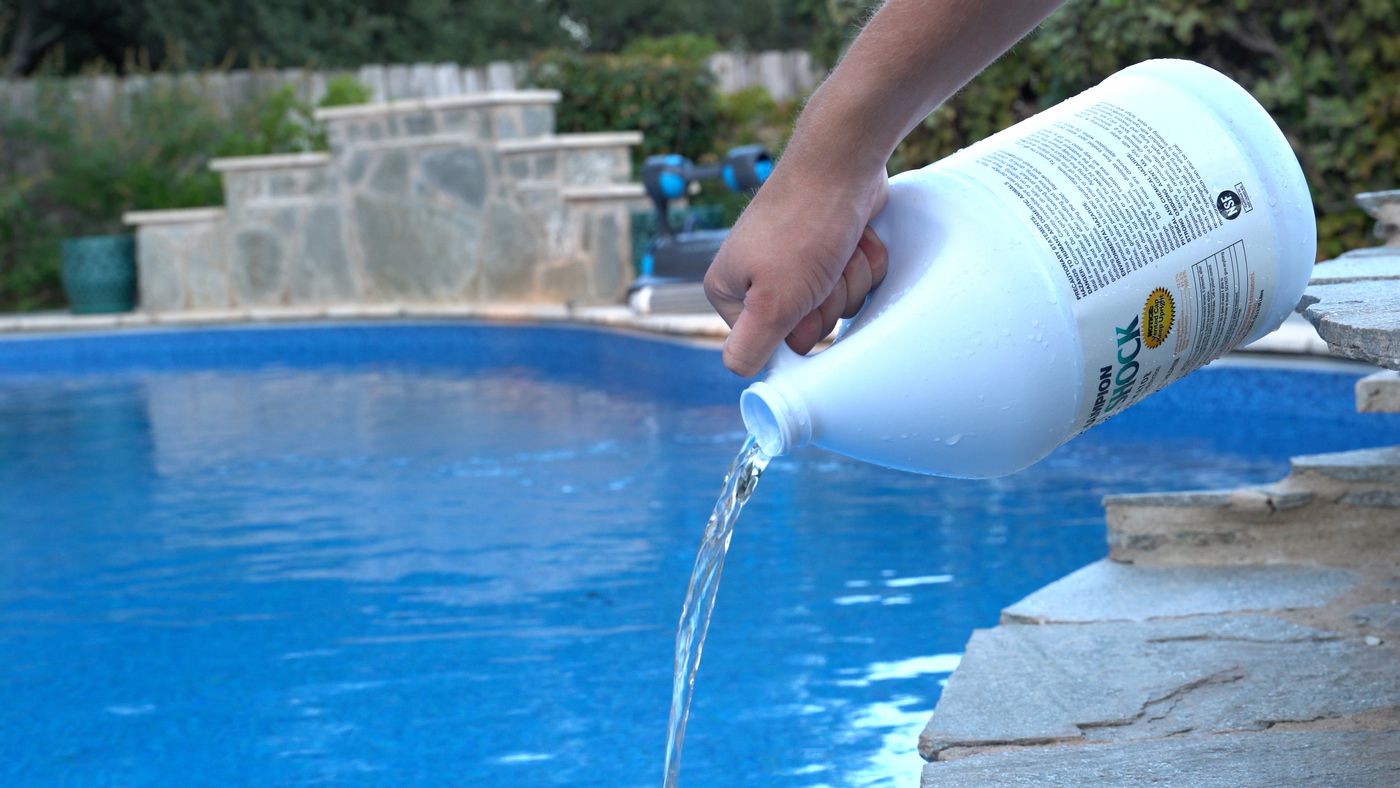
A simple pool emergency guide for high pH moments
This does not always have to be a full pool emergency, but it can become one if the water is scaling badly, the heater is involved, or the pool turns cloudy before a weekend swim. Here is a simple pool emergency guide for when you can’t lower pool pH and need to make smart moves instead of panic moves.
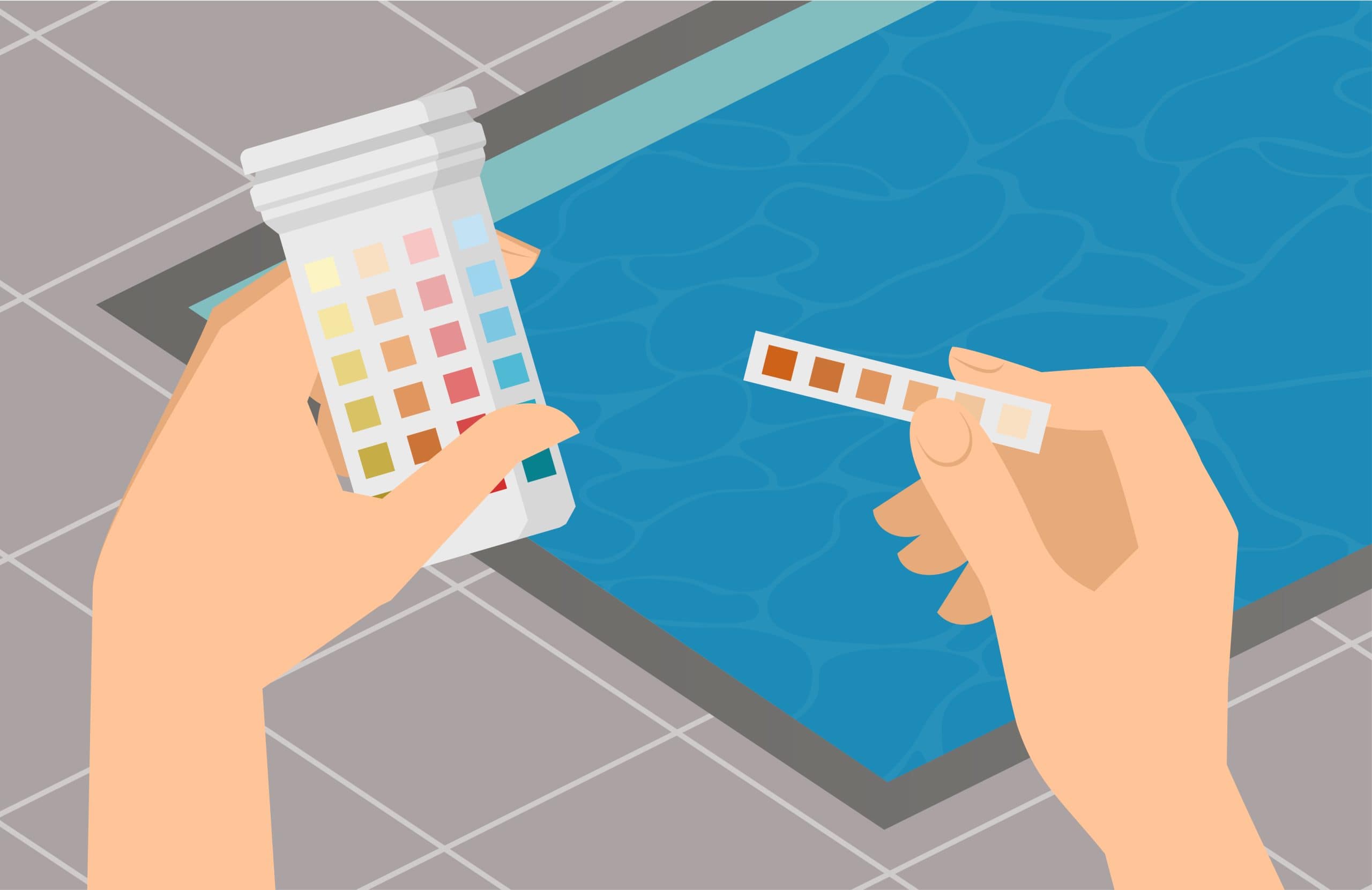
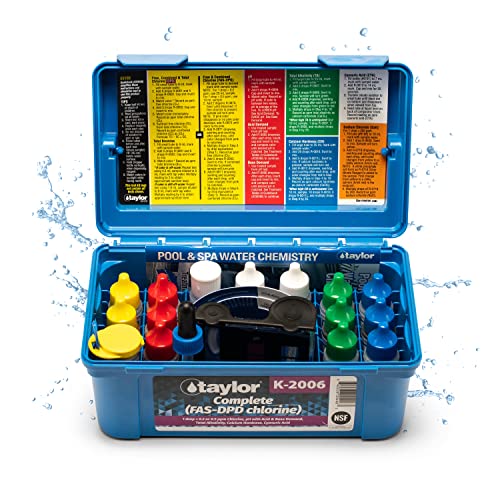
- Retest with a reliable kit, not old strips that sat in a hot garage.
- Check total alkalinity before adding more acid.
- Turn off or reduce water features temporarily if pH keeps climbing.
- Do not mix chemicals or add acid and chlorine products at the same time.
- Brush the pool and keep circulation strong while chemistry is being corrected.
- Call a pro if the pH stays high after repeated measured adjustments.
For homeowners who like to verify numbers before making changes, PoolBurg’s pool calculators can help with basic sizing and dosage planning. Knowing pool volume matters because the wrong gallon estimate can make every chemical adjustment feel random.
Why high pH pool DFW problems are so common
DFW pools have their own personality. Long summers, evaporation, top-offs from hard municipal water, raised spas, waterfalls, tanning ledges, and salt systems all create a setup where pH can drift upward again and again. So when someone says they can’t lower pool pH, the real question is: what keeps raising it after treatment?
That is where a tech’s eyes help. At PoolBurg, we look at the whole pool, not just the number on the test kit. The return direction, equipment pad, salt cell condition, water level, surface scaling, and fill-water habits can all point toward the real cause. Sometimes the solution is a better acid routine. Sometimes it is lowering alkalinity in stages. Sometimes it is changing how the pool is circulating or how often features run.
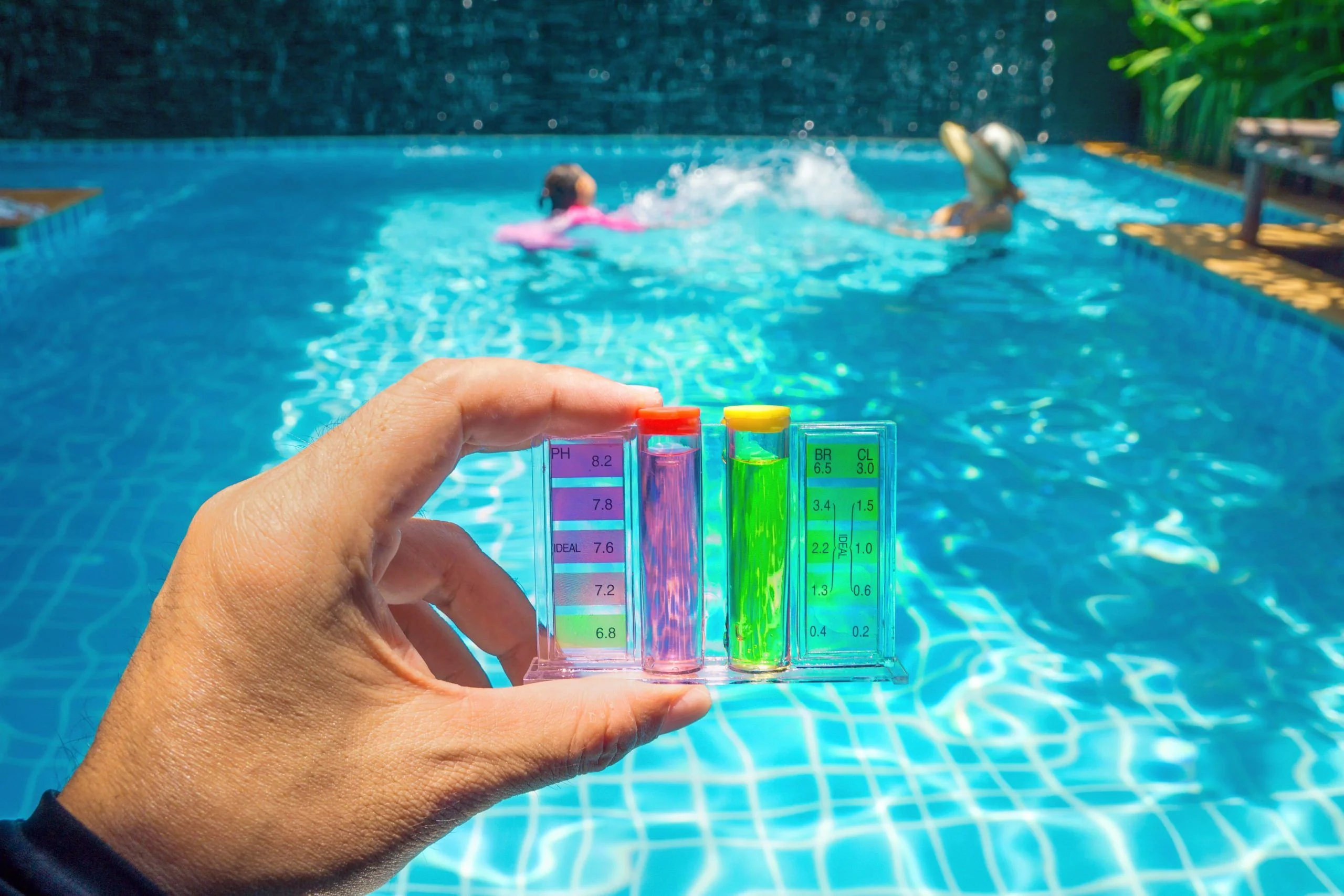
When to call PoolBurg
You should reach out if you can’t lower pool pH after several careful attempts, if your pool pH always high keeps coming back weekly, or if you are wondering why is my pool pH always high while the water starts looking cloudy or rough. Repeated high pH is not just annoying. It can shorten equipment life and make maintenance more expensive than it needs to be.
PoolBurg helps homeowners across the DFW area troubleshoot pool chemistry, inspect equipment, and build a more predictable maintenance rhythm. If your pool is acting stubborn, skip the guessing game and contact PoolBurg. A balanced pool should feel easy to enjoy, not like a weekly science fight in the backyard.