A pool crisis usually starts with one weird clue. The pump gets loud. The water drops overnight. The breaker trips. The pool turns cloudy right before guests arrive. And suddenly you are standing in the backyard thinking, “Okay…what now?”
The good news is that not every pool emergency means disaster. The bad news is that waiting too long can turn a small repair into a much bigger bill. This pool emergency guide breaks down what matters first, what can wait, and when PoolBurg should step in before the problem gets expensive.
What Counts as a Pool Crisis?
A real pool crisis is any issue that affects safety, water clarity, equipment operation, or the structure around the pool. In DFW, that can happen fast because heat, storms, clay soil movement, and heavy swim use all work against your pool.
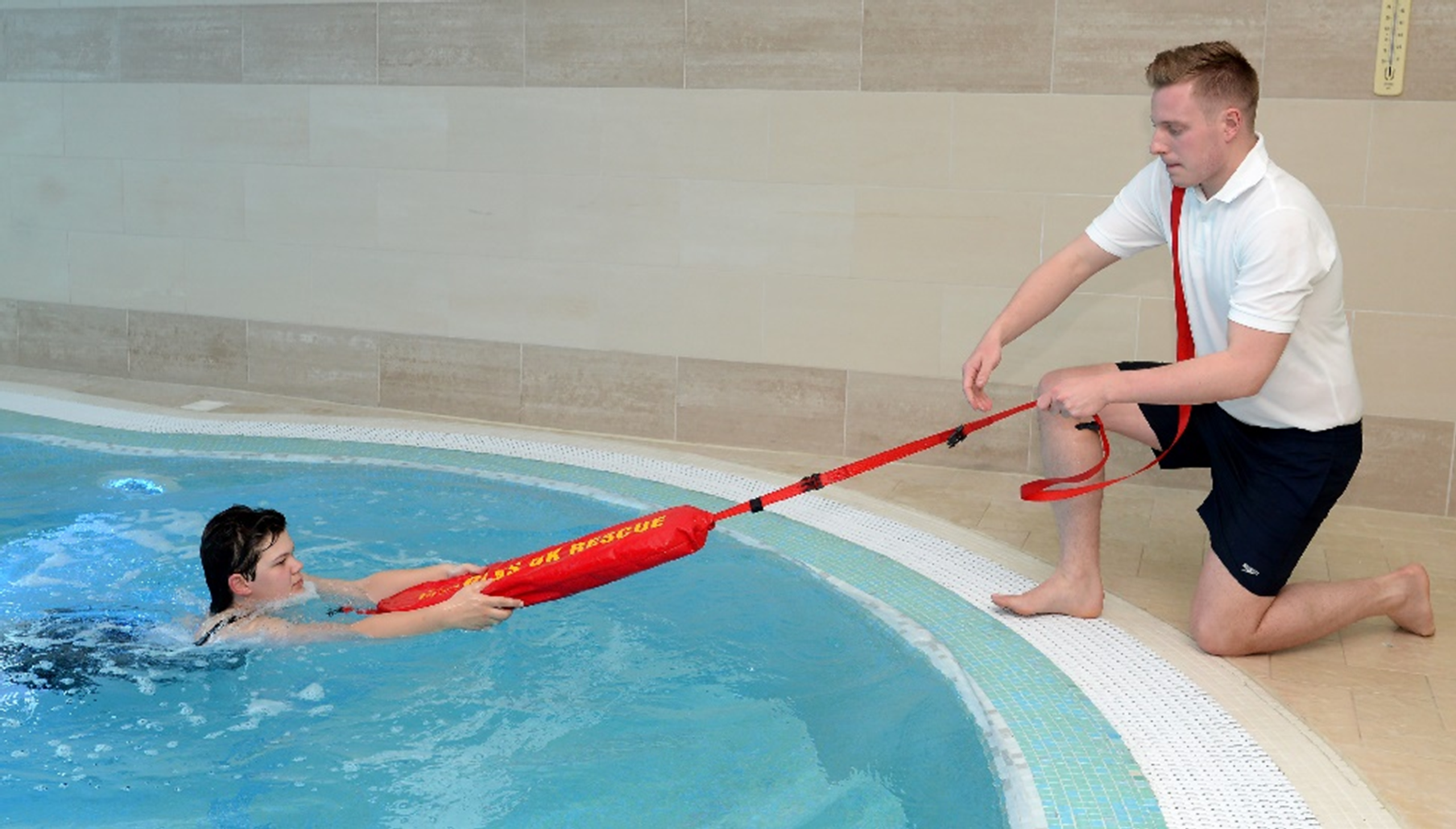
Common emergency pool situations include a pump that will not run, a sudden leak, green or cloudy water, electrical problems, broken plumbing, storm debris, chemical mistakes, or water so murky that you cannot see the floor. The CDC’s drowning prevention guidance is a good reminder that visibility and supervision matter around water, especially when kids are present.
The First Move Is Simple
Before you touch anything, slow down. A pool crisis is not the time to start dumping chemicals, opening valves randomly, or resetting breakers over and over. First, keep swimmers out of the water. Then look for the obvious signs: water level, pump sound, filter pressure, breaker status, visible leaks, strong smells, or debris blocking the skimmer.
If electricity is involved, do not guess. The Consumer Product Safety Commission has warned homeowners to treat shocks, tingling, or electrical issues near pools seriously. If lights flicker, a breaker keeps tripping, or anyone feels a tingle in the water, get out immediately and call a professional.
Pool Emergency Situations Homeowners Should Not Ignore
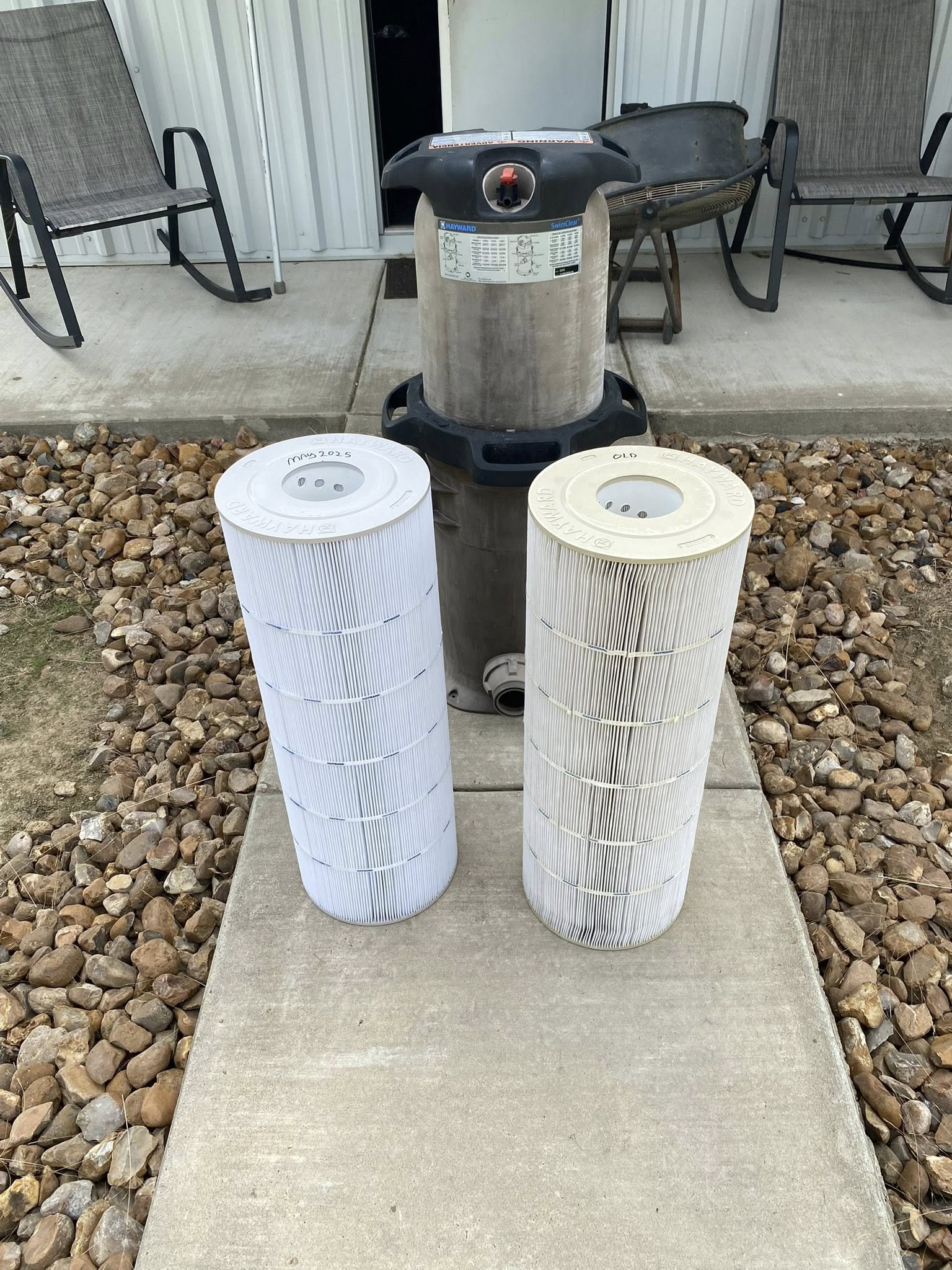
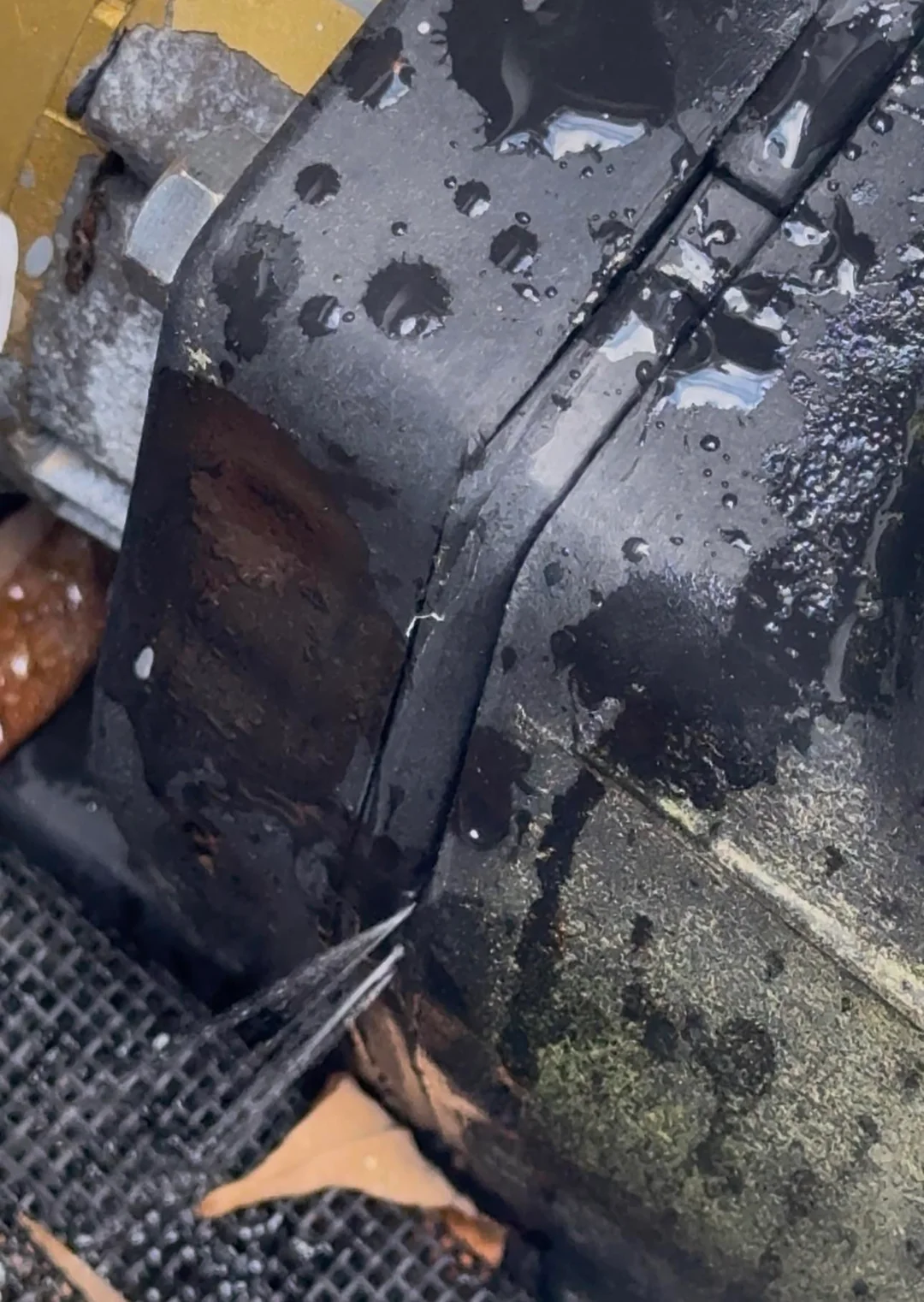
A pump that stops running is one of the biggest pool emergency problems because water can go bad quickly in Texas heat. No circulation means poor filtration, weak chemical distribution, and faster algae growth. If the pump is humming, overheating, leaking, or losing prime, PoolBurg can inspect the equipment and diagnose the problem through our Frisco Pool Service page.
A sudden water drop is another red flag. If your pool loses more than normal evaporation, you could be dealing with a plumbing leak, shell issue, skimmer leak, or equipment pad problem. PoolBurg’s Services page explains how leak detection uses visual inspection, pressure testing, electronic listening, and dye testing to find the source.
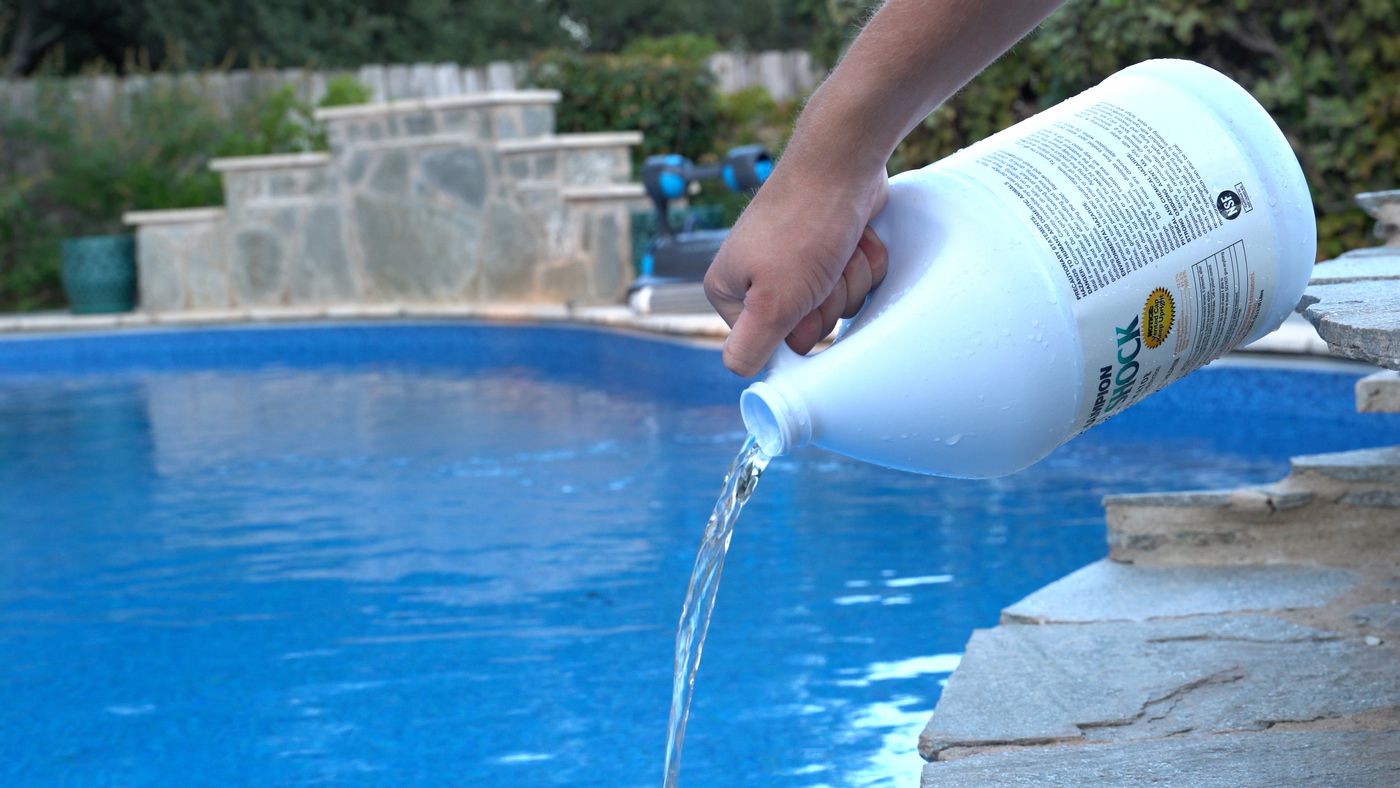
Bad water can also become a pool crisis. If the water turns green, cloudy, brown, or smells harsh, stay out until it is tested. Pool chemicals can be helpful, but the CDC’s pool chemical safety advice is clear: store chemicals properly, follow labels, and never mix products together. Guessing with chlorine, acid, and shock is how a messy pool becomes a dangerous pool.
What to Do if Pool Water or Equipment Looks Wrong
People often search “what to do if pool water turns cloudy” or “what to do if pool pump stops,” but the answer depends on the cause. Start with a quick pool service checklist: check water level, empty baskets, look at the pressure gauge, confirm the pump is pulling water, inspect the equipment pad for leaks, and test chlorine, pH, alkalinity, and stabilizer.
That is also why regular maintenance matters. PoolBurg’s Weekly Pool Service includes water testing, chemical balancing, basket cleaning, brushing, vacuuming, and equipment assessment. In plain English, a good weekly visit catches the little warning signs before they become emergency pool situations.

Storms, Power Outages, and DFW Weather Problems
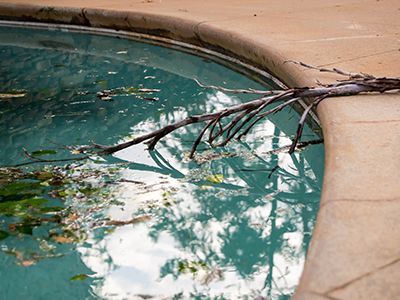
A North Texas storm can create a pool crisis in one afternoon. Wind dumps leaves into the water, rain dilutes chemistry, hail damages equipment, and power outages stop circulation. If the power goes out, avoid opening electrical panels in wet conditions. Ready.gov also advises safe generator use away from doors and windows because carbon monoxide is a serious hazard during outages.
After a storm, remove large debris if it is safe, keep the pump off if the equipment pad is flooded, and schedule a professional inspection. PoolBurg’s Pool After a Storm guide is a useful next read for storm cleanup and recovery.
When to Call PoolBurg
Call a pool professional when the pool crisis involves electricity, leaks, equipment failure, cloudy water you cannot see through, chemical mistakes, strong odors, broken plumbing, or anything that feels unsafe. This is especially important for homebuyers too. A pool can look pretty during a showing but still hide expensive problems, which is why PoolBurg offers detailed Pool Inspection services.
The main thing is not to panic and not to guess. A pool emergency feels stressful because everything is happening in real time, but the right order is simple: keep people out, protect the equipment, avoid unsafe chemical or electrical moves, and get the issue diagnosed. A pool crisis handled early is usually cheaper, safer, and a whole lot less dramatic than one ignored until the weekend.
Need help now? Contact Us and PoolBurg can help you get your pool back under control.
Quick Pool Crisis Checklist
- Keep swimmers out until the water and equipment are safe.
- Do not reset breakers repeatedly or touch electrical equipment in wet conditions.
- Check water level, baskets, filter pressure, and visible leaks.
- Avoid mixing pool chemicals or guessing on dosage.
- Call PoolBurg when the issue involves leaks, electricity, equipment failure, or unsafe water.