Pool algae treatment starts with one honest truth: green water is not just “dirty water.” It is a warning that chemistry, circulation, sunlight, and organic debris have started working against you. In North Texas, that can happen annoyingly fast, especially after a hot week, a storm, or a few missed service visits. The good news? Most algae in pool water can be fixed when the response is quick, organized, and not based on guesswork.
At PoolBurg, we treat pool algae like a full-system problem, not just a “dump shock and hope” situation. A proper pool algae treatment should clean the water, clean the surfaces, protect the equipment, and make it harder for algae to come right back.
Why Pool Algae Shows Up So Fast
Pool algae loves warm water, weak sanitizer, poor circulation, and debris. The CDC recommends healthy pool water stay within proper disinfectant and pH ranges, because water that is out of balance can become unsafe and difficult to clear. The EPA also explains that excess nutrients can intensify algae growth in water, and while backyard pools are controlled systems, leaves, dirt, fertilizer drift, and swimmer waste can still feed a bloom.
That is why pool algae often appears after rain, windy weather, heavy swimming, or a clogged filter. In DFW heat, chlorine gets used up faster, water warms up, and algae can move from “barely noticeable” to “wow, that pool is green” before the weekend is over.
The 7 Step Pool Algae Treatment Process
1. Test the water first
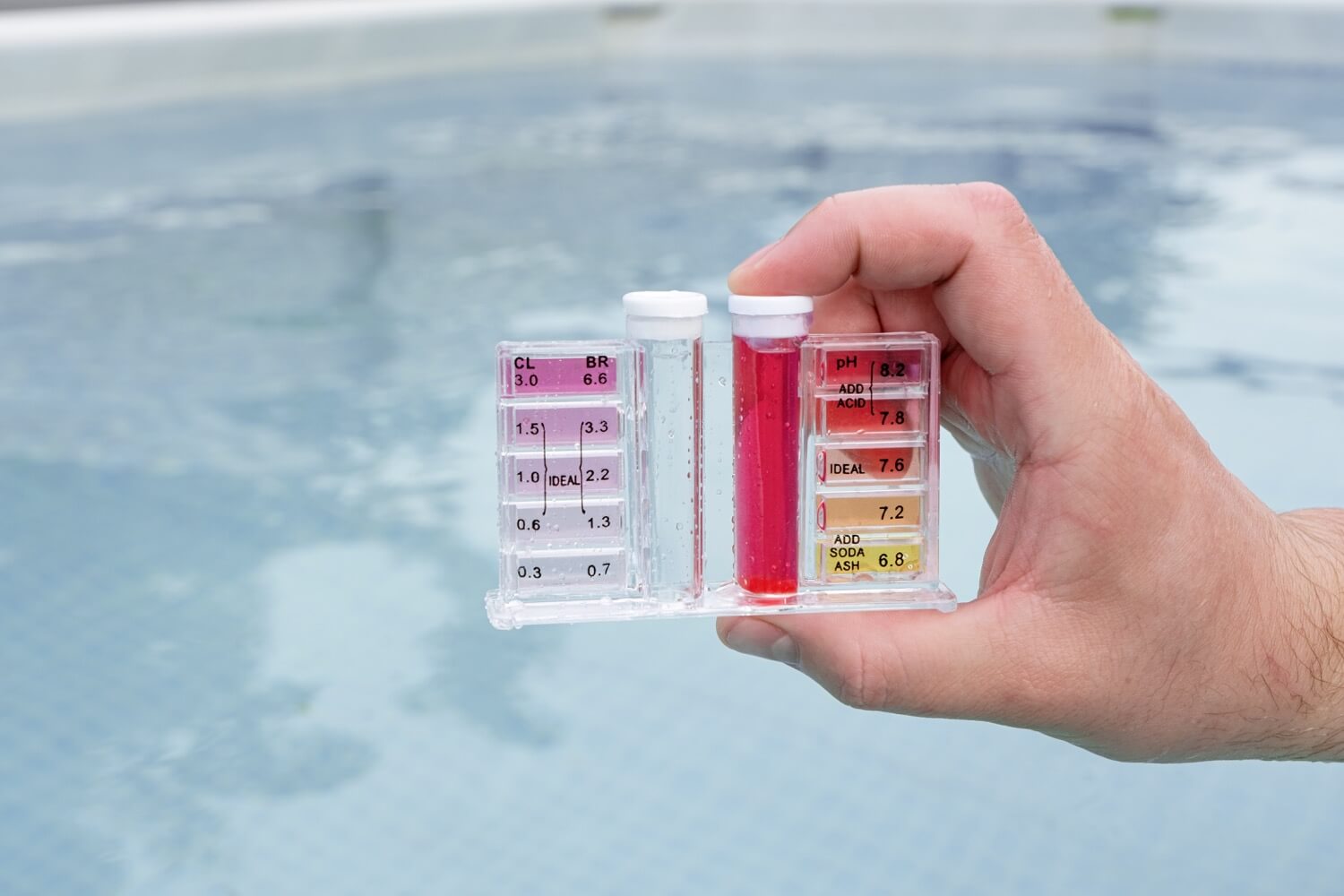
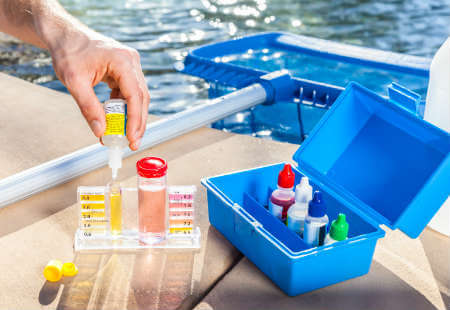
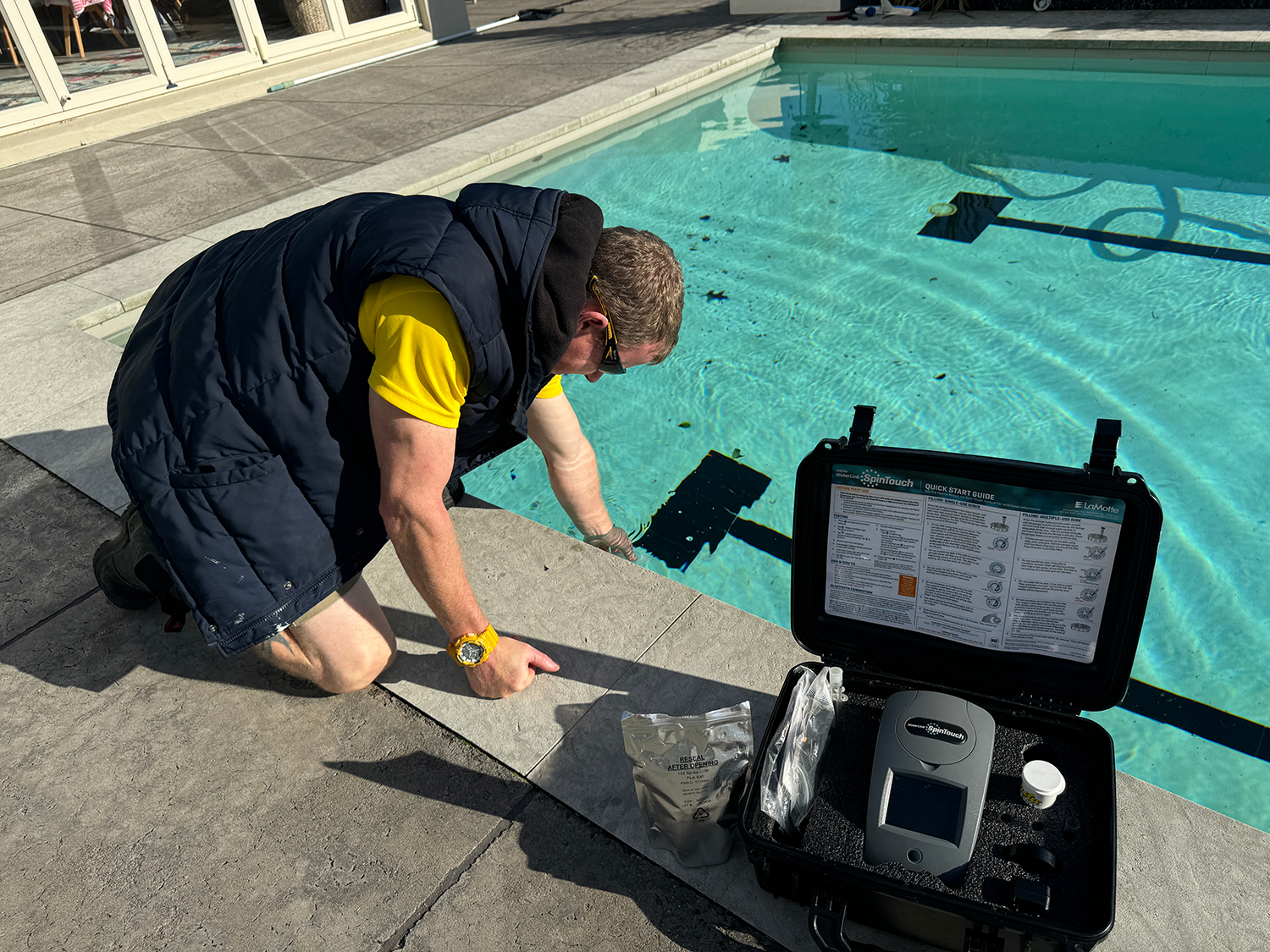
Before any pool algae treatment, test chlorine, pH, alkalinity, and stabilizer. If pH is too high, chlorine works poorly. If stabilizer is too high, chlorine may be present but sluggish. Testing keeps you from wasting chemicals.
2. Brush every surface
Algae sticks to walls, steps, corners, tile lines, lights, ladders, and shaded spots. Brushing breaks that slimy layer so chlorine can actually reach it. This is where many DIY fixes fail.
3. Remove leaves and debris
Leaves and dirt chew through chlorine. Skim the surface, empty baskets, and remove anything sitting on the floor before shock treatment.
4. Shock at the right strength
A true pool algae treatment usually needs more than a tiny maintenance dose. The amount depends on pool size, algae severity, current chemistry, and chlorine type. Always follow the product label and never mix pool chemicals.
5. Run the pump long enough
Your filter has to catch the dead algae after chlorine kills it. Running the pump for a short afternoon is usually not enough. Heavy algae in pool water may need extended circulation and repeated filter cleaning.
6. Clean the filter
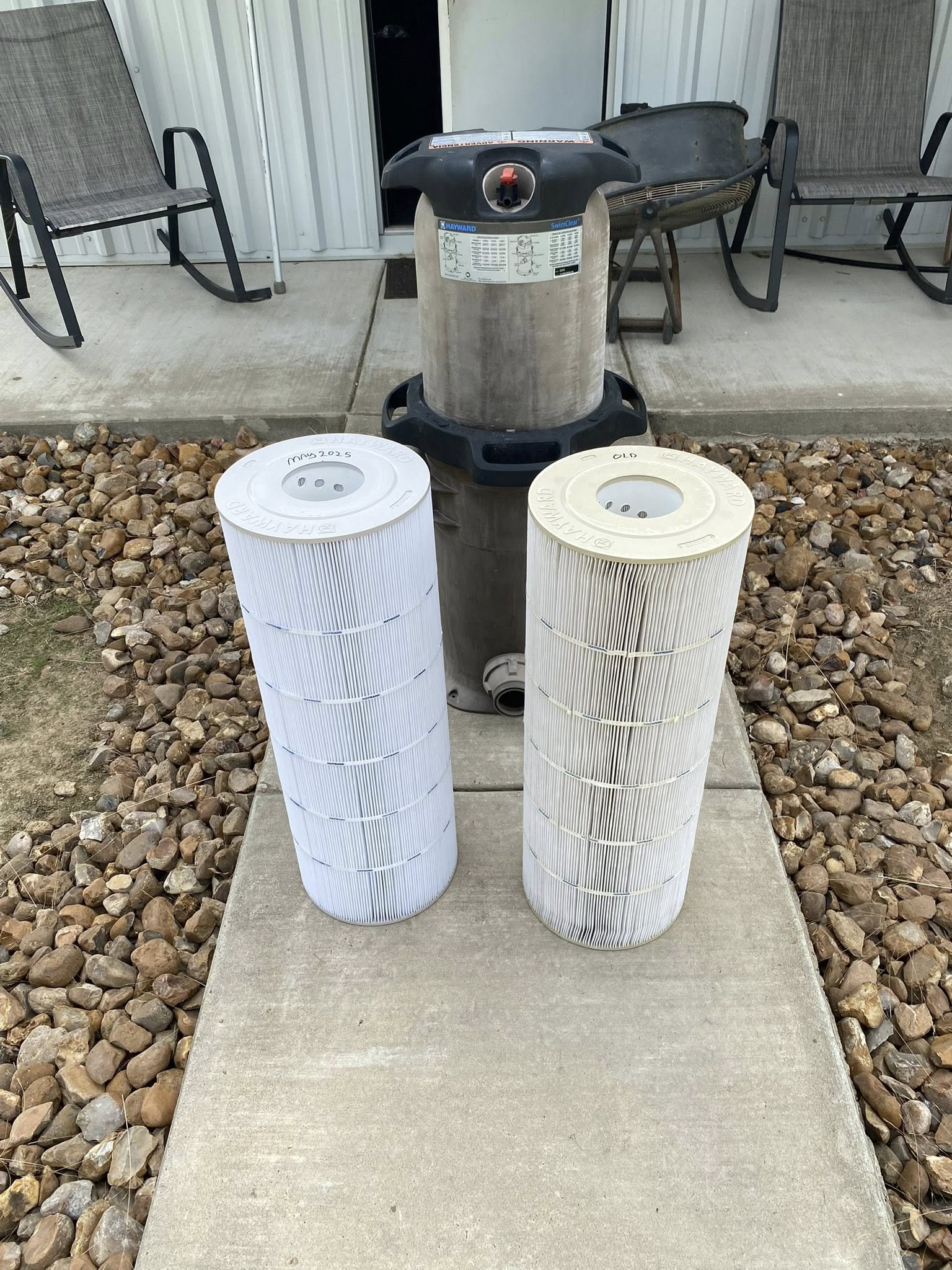
A dirty cartridge, clogged DE grid, or overloaded sand filter can keep cloudy water circulating. If water is still dull after shocking, the filter may be holding the mess.
7. Retest and repeat if needed
One round may not solve a bad bloom. The final pool algae treatment step is retesting, checking clarity, and adjusting before the algae has a chance to rebound.
How to Get Rid of Pool Algae Without Making It Worse
If you are wondering how to get rid of pool algae, avoid the panic routine: random algaecide, random shock, no brushing, no filter cleaning. That approach can create cloudy water, stains, or wasted money. The safer route is to test, correct pH, brush, shock, circulate, clean the filter, and retest. The CDC also warns homeowners to handle pool chemicals carefully, including keeping chemicals dry, separate, and used only as directed.
For homeowners who already have recurring service, this is where PoolBurg weekly pool service helps. Regular chemistry checks and brushing can stop pool algae before it becomes a full rescue project. If the water has already turned green, a one-time clean-up or service visit may be the better move.
Green, Yellow, or Black Algae in Pool Water
Not all algae behaves the same. Green algae is the most common and usually responds well to a strong pool algae treatment. Yellow or mustard algae tends to hide in shady areas and can cling to brushes, toys, and swimsuits. Black algae is more stubborn because it roots into porous surfaces, especially plaster. If you have black spots that keep returning, you may need professional help instead of another DIY chemical run.
People Also Ask
How fast can pool algae grow?
In warm weather, algae can become visible within days when chlorine drops, circulation is weak, or debris is left in the pool. Texas heat makes that window even shorter.
Can I swim if there is algae in my pool?
No, it is better to wait. Algae usually means sanitation and visibility are not where they should be. The Texas pool water quality rules for public pools emphasize sanitizer, pH, and clarity for a reason.
Will algaecide fix everything?
Not by itself. Algaecide can help in some cases, but pool algae treatment still needs brushing, proper chlorine, filtration, and balanced water.
When to Call PoolBurg
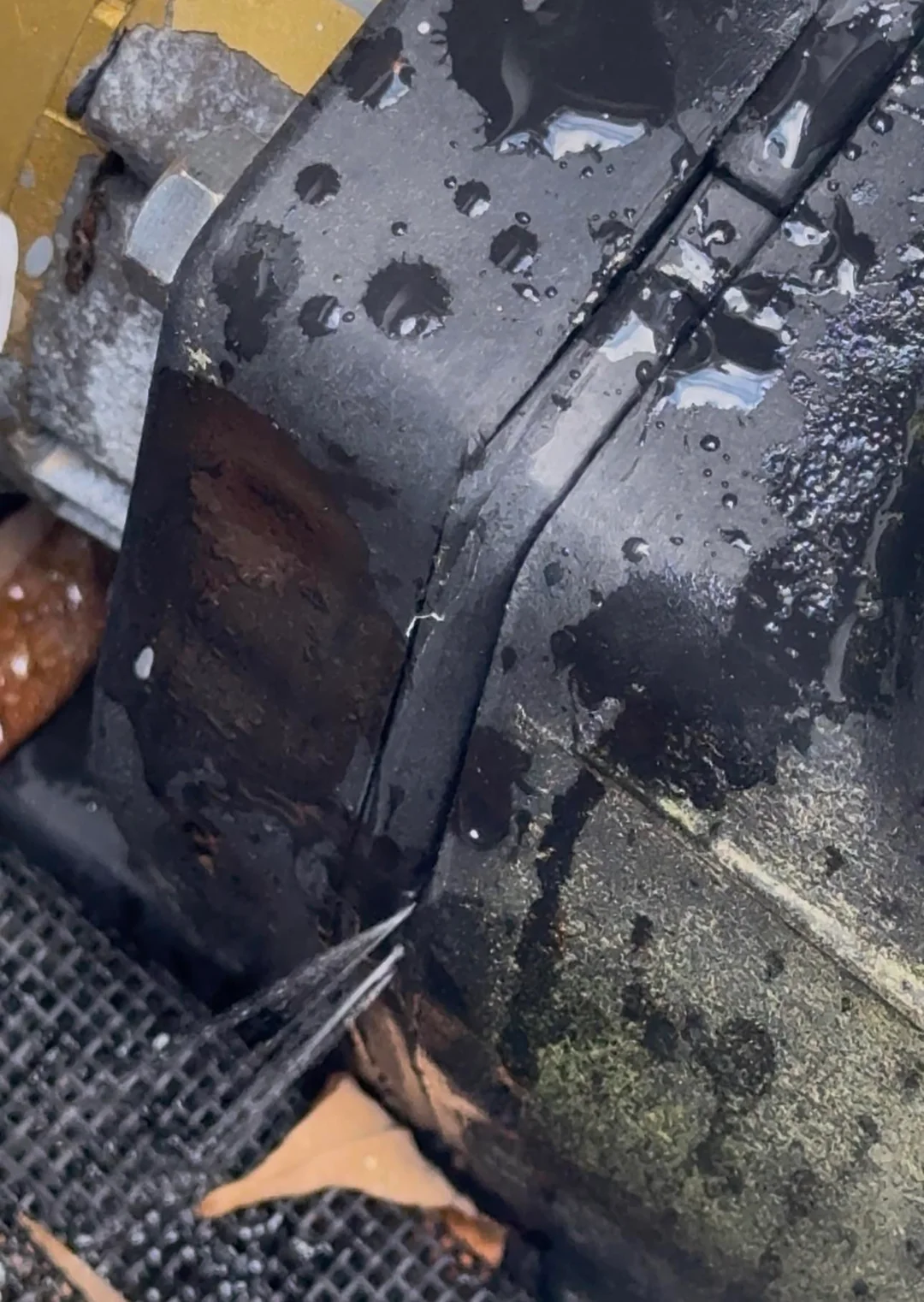
Call PoolBurg when the pool is green, cloudy, slimy, or keeps getting algae even after shocking. That usually means something deeper is going on: poor circulation, filter trouble, hidden debris, bad chemistry, or an equipment issue. Our team can inspect the system, clean the pool, balance the water, and help you prevent the same headache from coming back.
Need help now? Visit PoolBurg contact page and ask about pool algae treatment, recurring maintenance, or a clean-up visit that gets your water back under control.