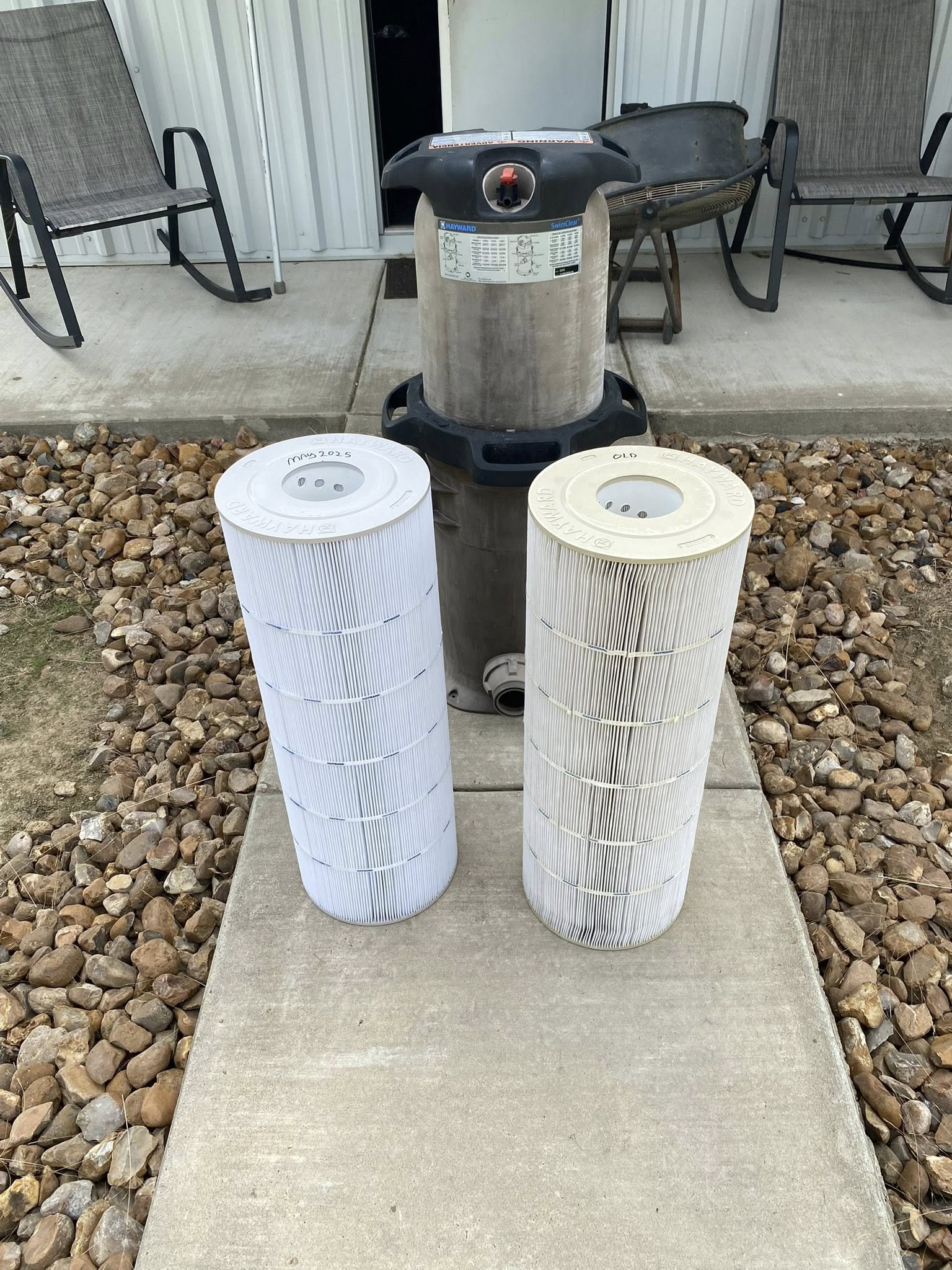
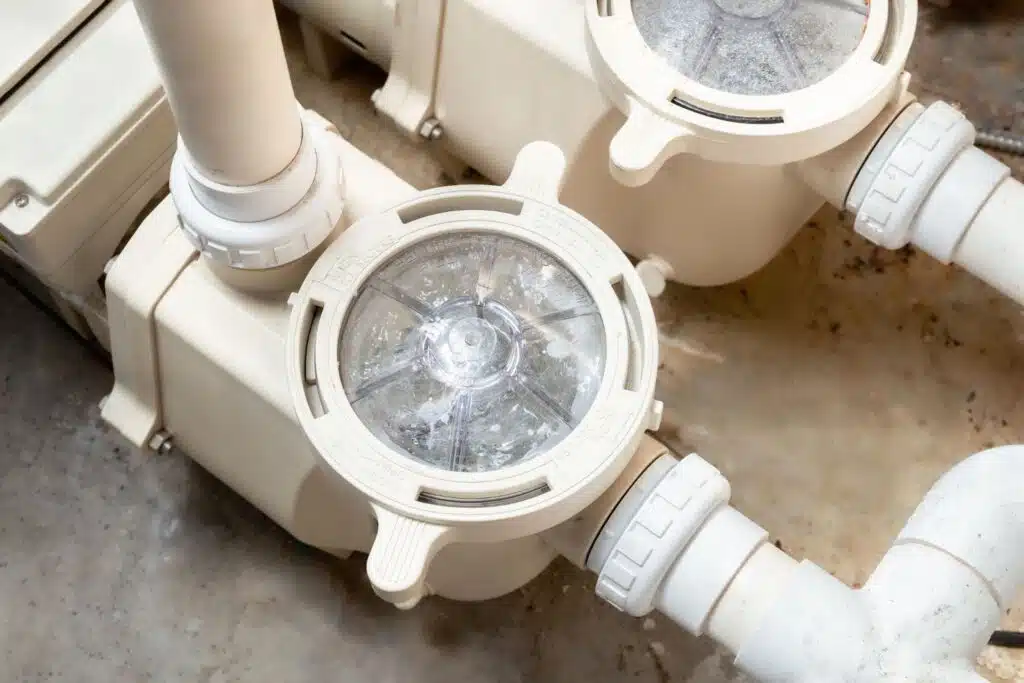
Average lifespan of a pool pump is one of those questions homeowners usually ask after the equipment pad starts sounding different. Maybe the pump is louder than last season. Maybe it runs hot. Maybe it still moves water, but not with the same confidence. Most pool pumps do not fail overnight. They usually give you hints first, and catching those hints early can save a Texas pool owner from a green pool, an emergency visit, or a rushed replacement decision.
How Long Does the Average Lifespan of a Pool Pump Usually Last?
In general, the average lifespan of a pool pump is often around 8 to 12 years, but that range is not a promise. The motor may wear out before the wet end. The seals may fail while the housing is still fine. A variable-speed pump that is sized and programmed correctly may age more gracefully than an older single-speed pump running full blast every day.
That is why pool pump life expectancy depends on the whole setup: runtime, filter pressure, water chemistry, heat exposure, ventilation, plumbing restrictions, and whether small leaks were handled early. The ENERGY STAR pool pump guidance also points homeowners toward efficient pump choices, which matters because a pump that works smarter usually does not have to fight the system as hard.
Why Texas Pools Work Pumps Harder
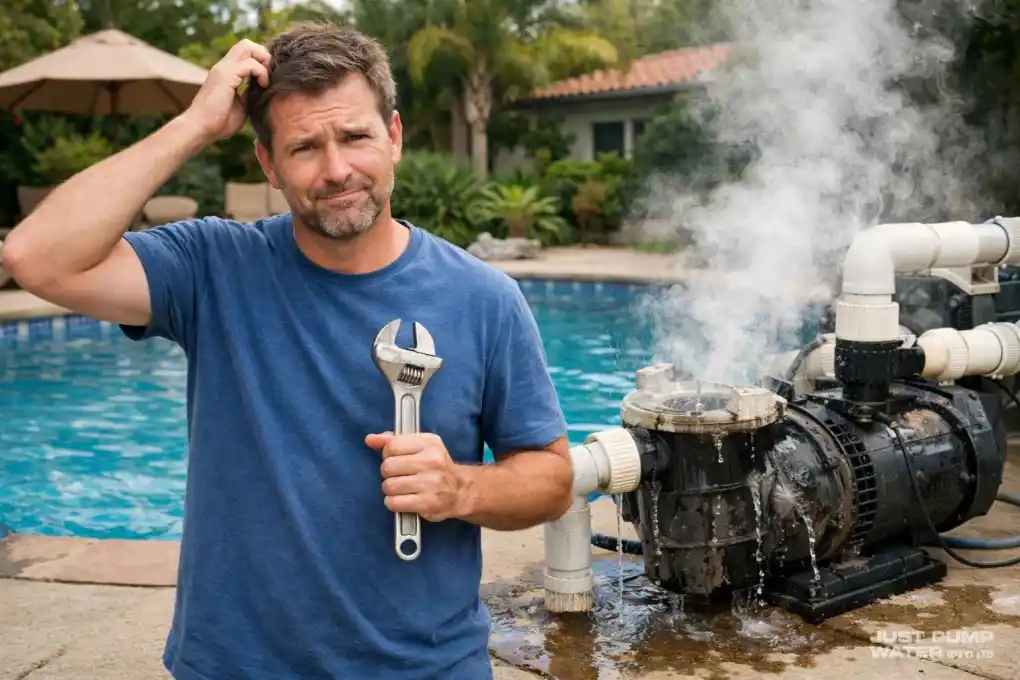
The average lifespan of a pool pump can be shorter in North Texas because our pools work long seasons. Frisco, Plano, McKinney, Allen, Prosper, and Southlake pools often run through heavy heat, pollen, wind, dust, and long stretches of daily swimming. More debris means more filtration demand. More heat means faster algae pressure. More use means longer run times.
A pump that might have an easier life in a milder climate can feel overworked here. If the filter is dirty, baskets are packed, or valves are restricting flow, the motor works even harder. PoolBurg’s guide to pool pump running time can help homeowners understand why circulation schedules matter so much in DFW.
Pool Pump Replacement Signs You Should Not Ignore
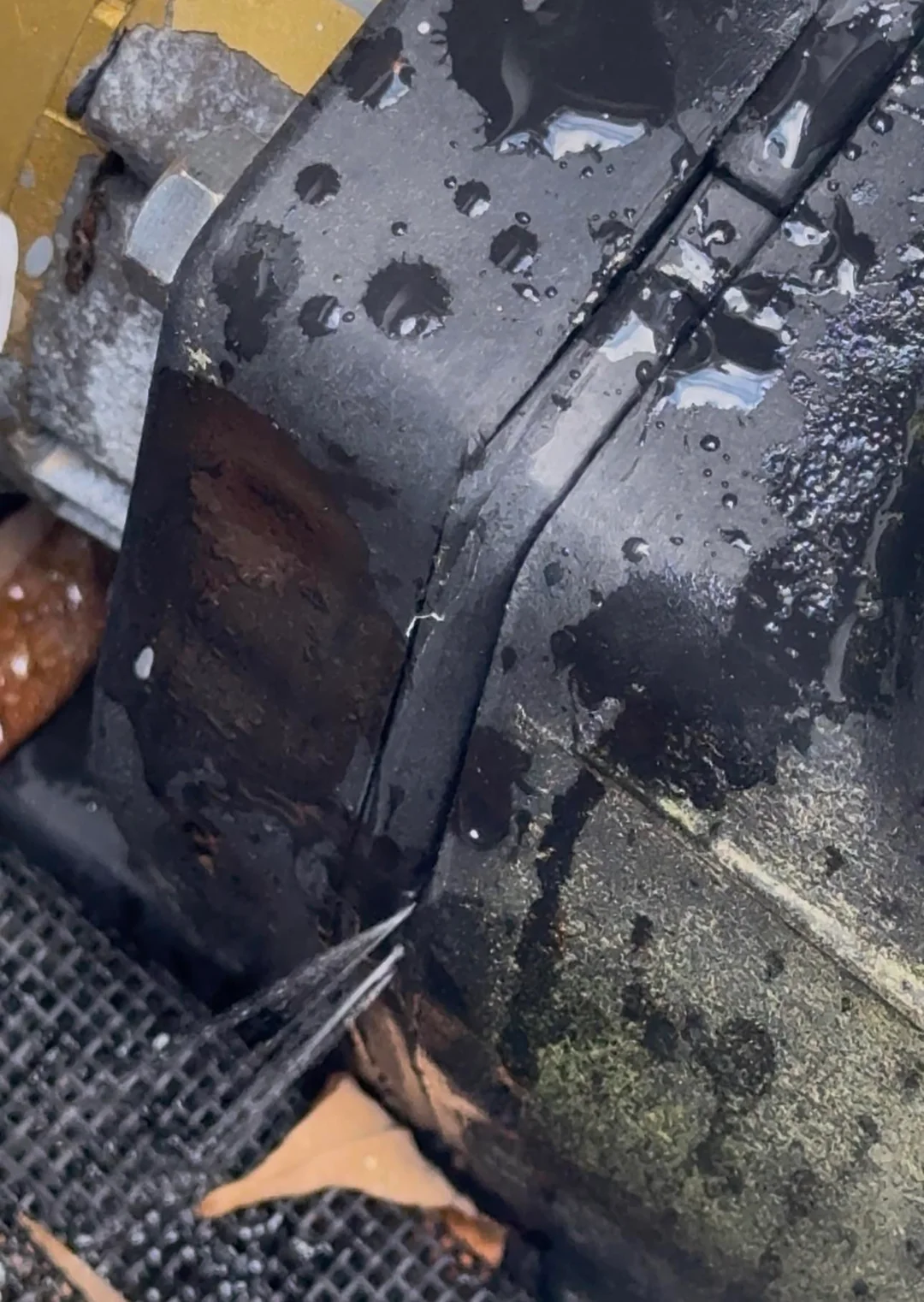
Some pool pump replacement signs are obvious. Others sneak up quietly. Loud bearings, grinding noises, repeated overheating, water leaking near the motor, weak suction, breaker trips, and rising energy bills all deserve attention. A pump that keeps needing repairs every few months is also telling you something.
One repair is normal. A pattern is different. If the pump loses prime, struggles to move water, or runs hot enough that you avoid touching the motor, it is time for real pool pump troubleshooting instead of guessing. The CDC pool water treatment guidance is a good reminder that circulation and water treatment work together. If the pump cannot circulate water properly, chemistry cannot do its job evenly.
Motor Replacement vs Full Pump Replacement
A motor replacement can make sense when the wet end is still healthy, the pump body is not cracked, the plumbing is solid, and the failed part is limited to the motor, capacitor, bearings, or shaft seal. But a full pool pump replacement may be smarter when the pump is old, inefficient, leaking from multiple areas, or built around obsolete parts.
Old single-speed pumps deserve a closer look. The Department of Energy efficient pool pump guidance and the Pentair DOE pool pump regulation overview both highlight why efficient pump design matters. If the pump is already near the end, upgrading may be better than pouring money into yesterday’s equipment.
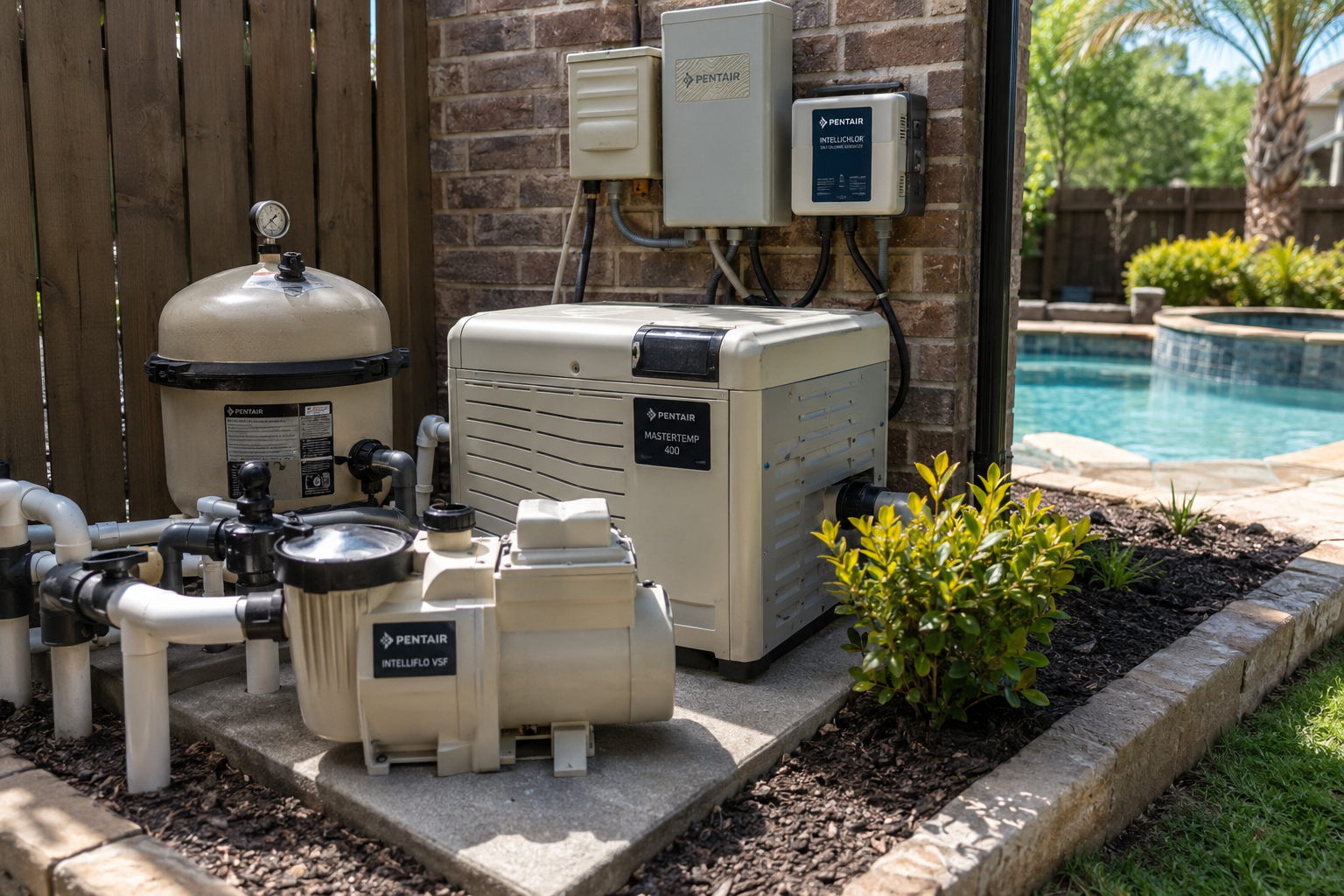
How to Make a Pool Pump Last Longer
The best way to stretch the average lifespan of a pool pump is boring but powerful: keep water moving without making the pump strain. Empty skimmer and pump baskets. Keep the pool water level halfway up the skimmer. Clean the filter before pressure gets ridiculous. Fix suction leaks early. Keep water balanced so seals, heaters, and equipment do not age faster than they should.
A yearly pool equipment assessment is also worth it if you want fewer surprises. PoolBurg can check the pump, valves, filter pressure, visible leaks, wiring behavior, and performance before a small issue turns into a Saturday panic.
What Happens When You Wait Too Long?
Waiting too long can turn a manageable repair into a full failure. When a pump quits in Texas heat, water can cloud up quickly, algae can bloom fast, and chemical balance can swing because nothing is circulating properly. A leaking shaft seal can also let water reach the motor, which may turn a small seal job into a bigger repair.
If your pump is older and your energy bill keeps climbing, compare your options before the equipment forces your hand. The ENERGY STAR certified pool pump finder is helpful for comparing efficient models, and PoolBurg’s pool pump upgrade guide explains when a variable-speed option may make sense for DFW homes.
People Also Ask
What is the average lifespan of a pool pump?
The average lifespan of a pool pump is often around 8 to 12 years, but Texas heat, long run times, dirty filters, leaks, and poor water chemistry can shorten that range.
How do I know if I need a new pool pump?
Common pool pump replacement signs include loud bearings, overheating, weak flow, leaks, repeated breaker trips, and repairs that keep coming back.
Is it worth repairing an old pool pump?
Sometimes. A capacitor, seal, O-ring, or minor blockage may be worth fixing. If the motor is old, inefficient, or failing repeatedly, replacement may save more money long-term.
How long does a pool pump motor last?
A pump motor may last several years with good airflow, clean filtration, and proper electrical supply. Motors usually fail sooner when they run hot, wet, restricted, or overloaded.
Should I replace a single-speed pool pump?
If the pump is old, loud, expensive to run, or near the end of its service life, a variable-speed replacement may be the smarter long-term move.
What shortens the life of a pool pump?
Low water level, clogged baskets, dirty filters, air leaks, bad seals, overheating, poor chemistry, and long high-speed run times can all shorten pool pump life expectancy.
PoolBurg Can Help You Decide Before the Pump Dies
The average lifespan of a pool pump is useful to know, but your actual pump tells the better story. If it is quiet, dry, cool, and moving water well, it may have plenty of life left. If it is noisy, leaking, hot, weak, or unpredictable, it deserves a closer look.
PoolBurg can inspect your equipment, explain whether repair still makes sense, and recommend replacement only when replacement is the smarter move. If you want help before a small warning sign becomes a green-water emergency, schedule weekly pool service or contact PoolBurg for pump help across North Texas.