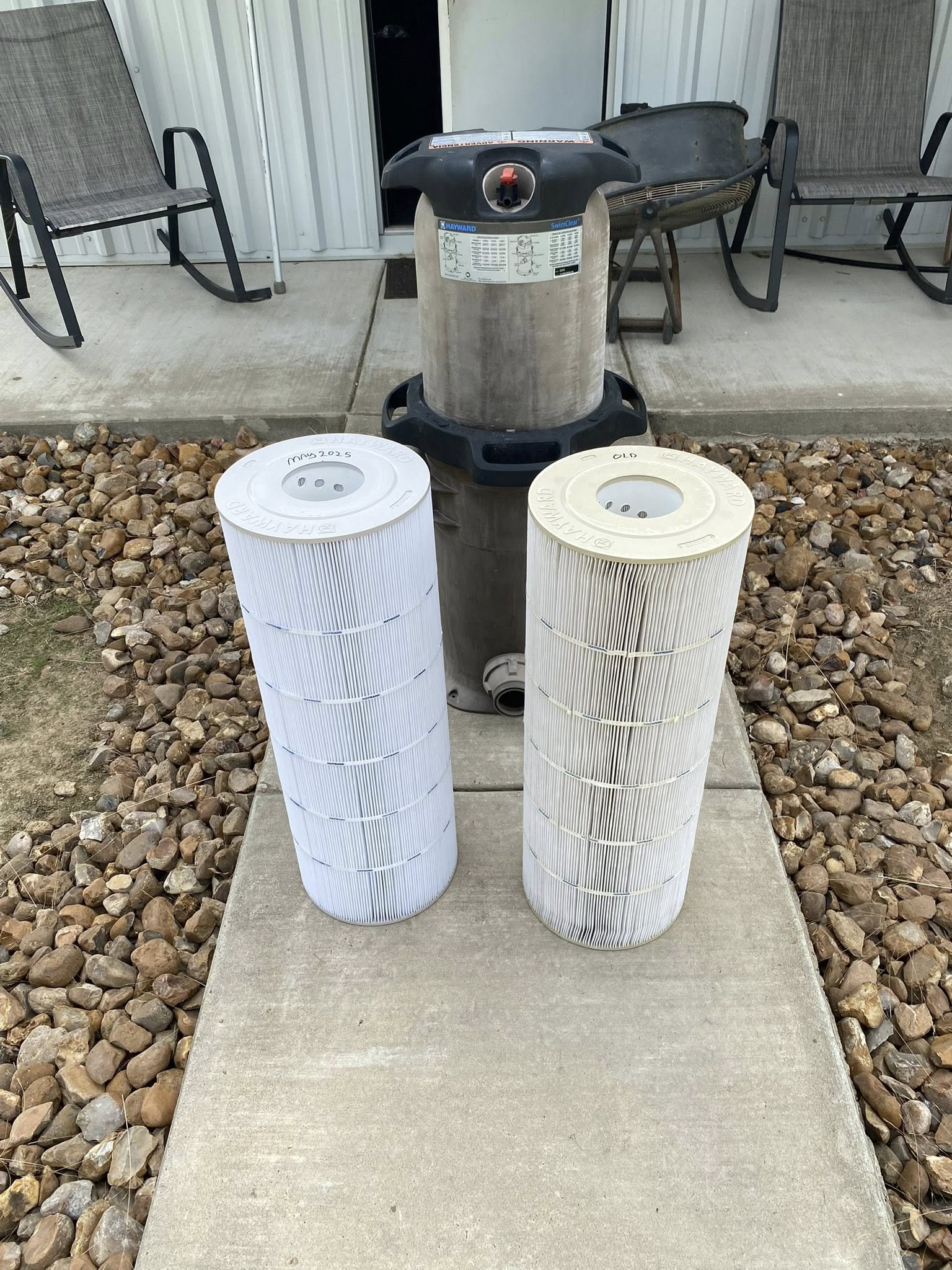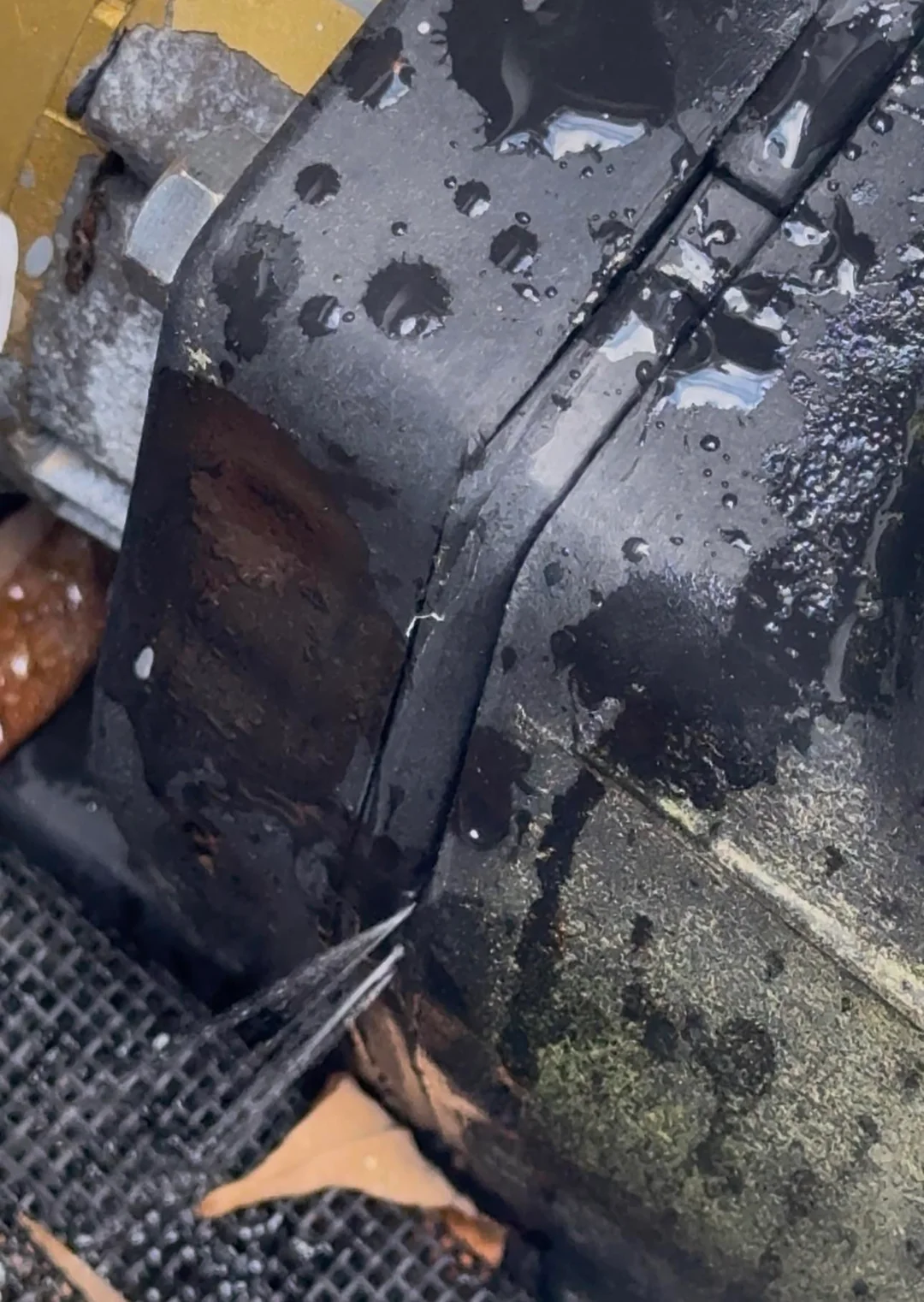

A professional pool equipment assessment is the one thing that separates the homeowners who enjoy their backyards from the ones who constantly write checks for emergency repairs. Look, I’ve been in the North Texas pool industry for many years, and I can tell you that most major failures don’t happen overnight. They are slow-motion train wrecks that start with a small leak or a noisy bearing that you just don’t notice during your daily life. By the time you’re calling me for a pool equipment assessment in the middle of a July heatwave, the damage is already done.
The truth is that your backyard oasis needs a literal check-up once a year. Think of a pool equipment assessment like your annual physical or a high-mileage oil change for your car. In our aggressive DFW climate, the water, sun, and shifting soil are always looking for a weakness. This guide gives you the unvarnished truth on why a pool equipment assessment in the fall is your best defense against the $2,000 “Friday night surprise.” Let’s get into what a real pool equipment assessment looks like and why you need a pool annual inspection before the first hard freeze hits Frisco.
Why a Professional Pool Equipment Assessment Is Your Best Insurance Policy
Most families only think about their equipment when the water stops moving. But a scheduled pool equipment assessment allows us to see the bigger picture. We look at the “lifecycle” of your system—the aging pump motor that’s drawing too much power or the heater header that’s starting to pit from North Texas hard water. According toofficial water safety standards from the PHTA, proactive monitoring is the only way to ensure structural and mechanical longevity. Without a regular pool equipment assessment, you are essentially gambling with a six-figure investment.
What to Expect During a Comprehensive Pool Equipment Assessment
When we arrive for a pool equipment assessment, we follow a rigorous 50-point checklist. It’s not just a quick glance; it is a deep dive into the health of your backyard.
Equipment Lifecycle Evaluation
The heart of every pool equipment assessment is the pump and motor. We check for vibration and heat signatures that signal an imminent failure. If your motor is over 8 years old, our pool equipment assessment will prioritize a plan for its eventual replacement. We also look at energy efficiency. According to current pool repair data from HomeAdvisor, upgrading to a variable speed pump during a pool equipment assessment can save DFW owners up to $600 a year in electricity alone.
Plumbing and Structural Integrity
Our shifting clay soil in Frisco and Plano is a nightmare for PVC lines. During a pool equipment assessment, we look for “wet zones” around the equipment pad that suggest a small underground leak. We also perform a visual check of your waterline tile and coping. If we find heavy calcium scale during the pool equipment assessment, we know your pH has been drifting high, which can lead to expensive surface damage. Managing hard water minerals is a cornerstone of our annual review process.
Electrical Safety and Compliance
This is the most critical part of any pool equipment assessment. We test every GFCI circuit and inspect the bonding wire. According to North Shore Safety, proper grounding is the only thing protecting your family from electric shock drowning. If your light seal is leaking, a pool equipment assessment will catch it before it becomes a life-safety crisis.
Why Fall Is the Best Time for a Pool Annual Inspection
I always recommend October or November for a pool equipment assessment. Why? Because your system just finished its hardest work of the year during the 100°F summer. A pool year end review at this time allows us to identify wear and tear before the winter stress begins. If we find a problem during the pool equipment assessment in the fall, you have the entire off-season to budget and repair it. Plus, parts are much easier to find than during the spring rush.
According to official health reports from the CDC, water clarity issues in the spring often stem from equipment neglect during the winter. A proactive pool equipment assessment ensures that when the “Cedar Fever” pollen arrives in February, your filter is ready for the onslaught.
People Also Ask About Pool Equipment Assessment
How often should I get a pool equipment assessment?
For North Texas pools, once a year is the professional standard to account for our temperature swings and hard water.
How much does a pool equipment assessment cost in DFW?
A comprehensive pool equipment assessment with a written report usually ranges from $150 to $300 for non-customers, but we often discount this for our regular service clients.
What is the difference between service and a pool equipment assessment?
Weekly service is about the “now”—chemicals and cleaning. A pool equipment assessment is about the “future”—catching mechanical decline and structural movement.
PoolBurg’s Annual Assessment — Your Pool’s Yearly Health Check
We don’t just “fix things when they break.” At PoolBurg, our pool equipment assessment provides a prioritized roadmap for your backyard. We tell you what needs fixing today, what to plan for next year, and how to keep your pool resurfacing looking like new. Schedule your annual pool equipment assessment with PoolBurg — catch small problems before they become big ones.