Saltwater pool not producing chlorine problems can confuse homeowners because the system feels like it should be automatic. You have salt in the water, the control panel is on, and the pool still tests low. Annoying, right? The catch is that “I have salt” is not the same thing as “I have effective chlorine.” A salt pool still needs the right chemistry, enough water flow, a clean cell, correct output settings, and a working salt chlorinator. In Texas heat, when pools run long hours and chlorine gets used up fast, one small issue can turn into cloudy water or algae before the weekend is over.
Why A Saltwater Pool Can Still End Up Low In Chlorine
Salt does not replace testing. A salt chlorine generator uses dissolved salt to make chlorine, but the water still needs to be tested and balanced like any other pool. The CDC explains that chlorine and pH are the first defense against germs in pool water, and it recommends keeping pH in the proper range because chlorine works less effectively as pH rises.
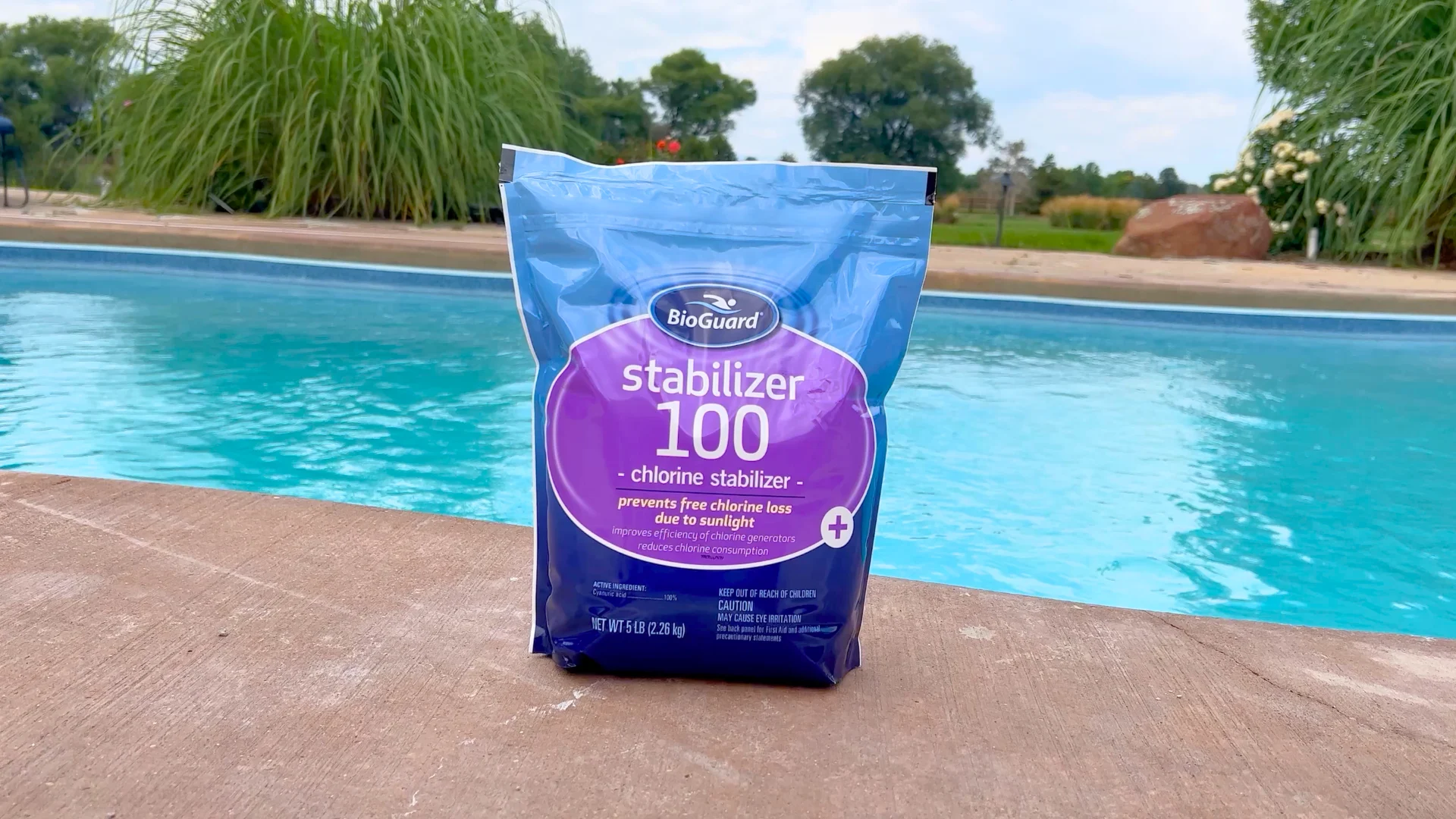
That is why a salt pool not making chlorine may not be a “bad cell” right away. The pool may be making chlorine, but sunlight, high pH, low stabilizer, heavy use, or poor circulation may be burning through it faster than the system can keep up.
The Most Common Causes
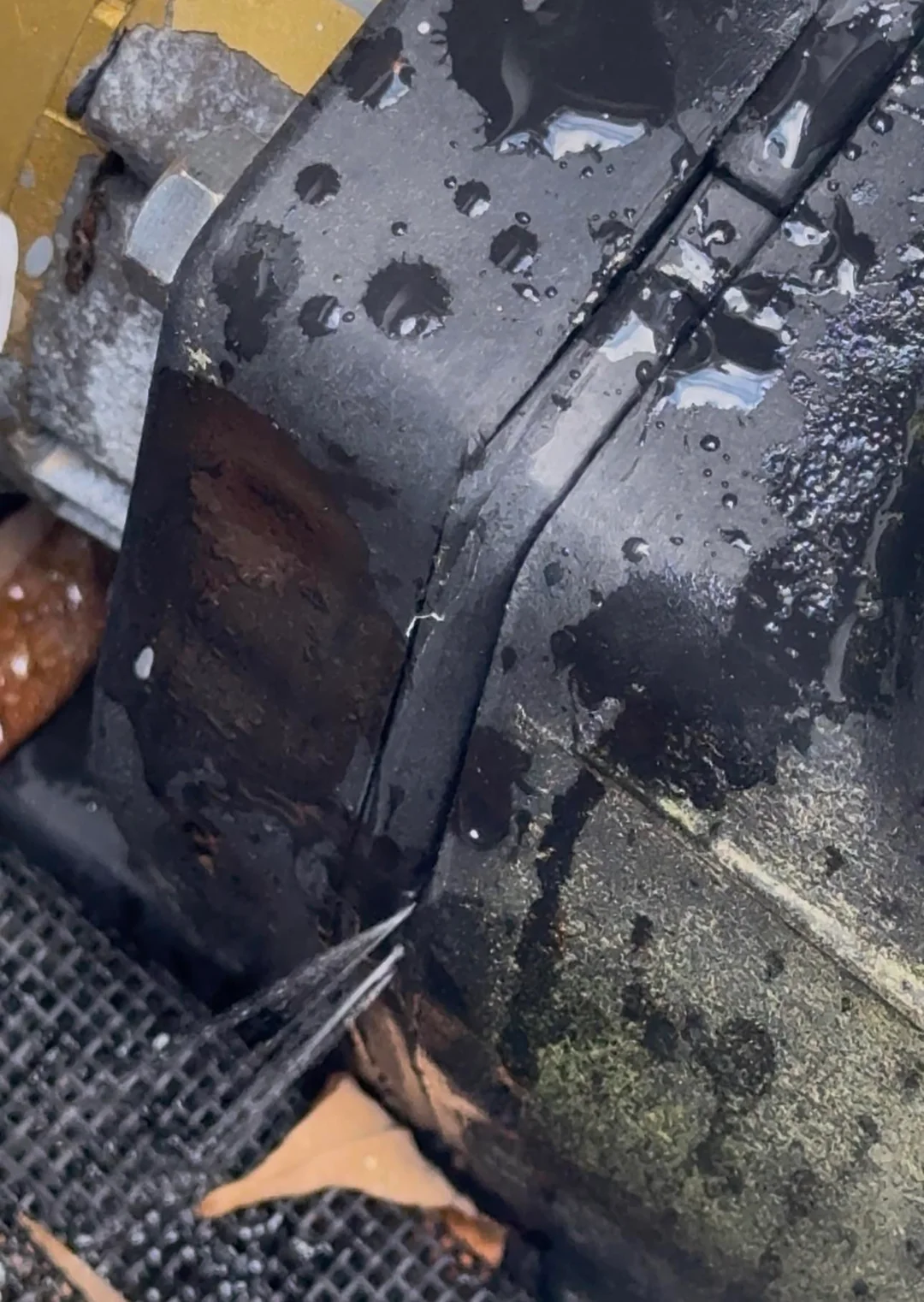
A dirty or scaled salt cell is one of the first things to check. Calcium scale can block the plates and reduce production. Hayward’s AquaRite manual recommends visually inspecting the cell every three months or after filter cleaning, and cleaning only if necessary.
Output settings matter too. If the percentage is set too low for Texas summer, the pool may stay behind all week. Low salt, inaccurate salt readings, sensor issues, poor flow, dirty filters, cold water, and an aging cell can also create low chlorine in saltwater pool water. Pentair’s IntelliChlor guide lists salt level, flow, water temperature, and cell status indicators as part of how the system communicates production problems.
What Homeowners Can Check Before Booking Service
Start with the panel readings. Is there a low salt, no flow, inspect cell, service, or sensor warning? Next, check the cell visually if you know how to do it safely. Look for white crusty scale on the plates. Then compare your salt reading with an independent water test, because panel readings can drift as cells age.
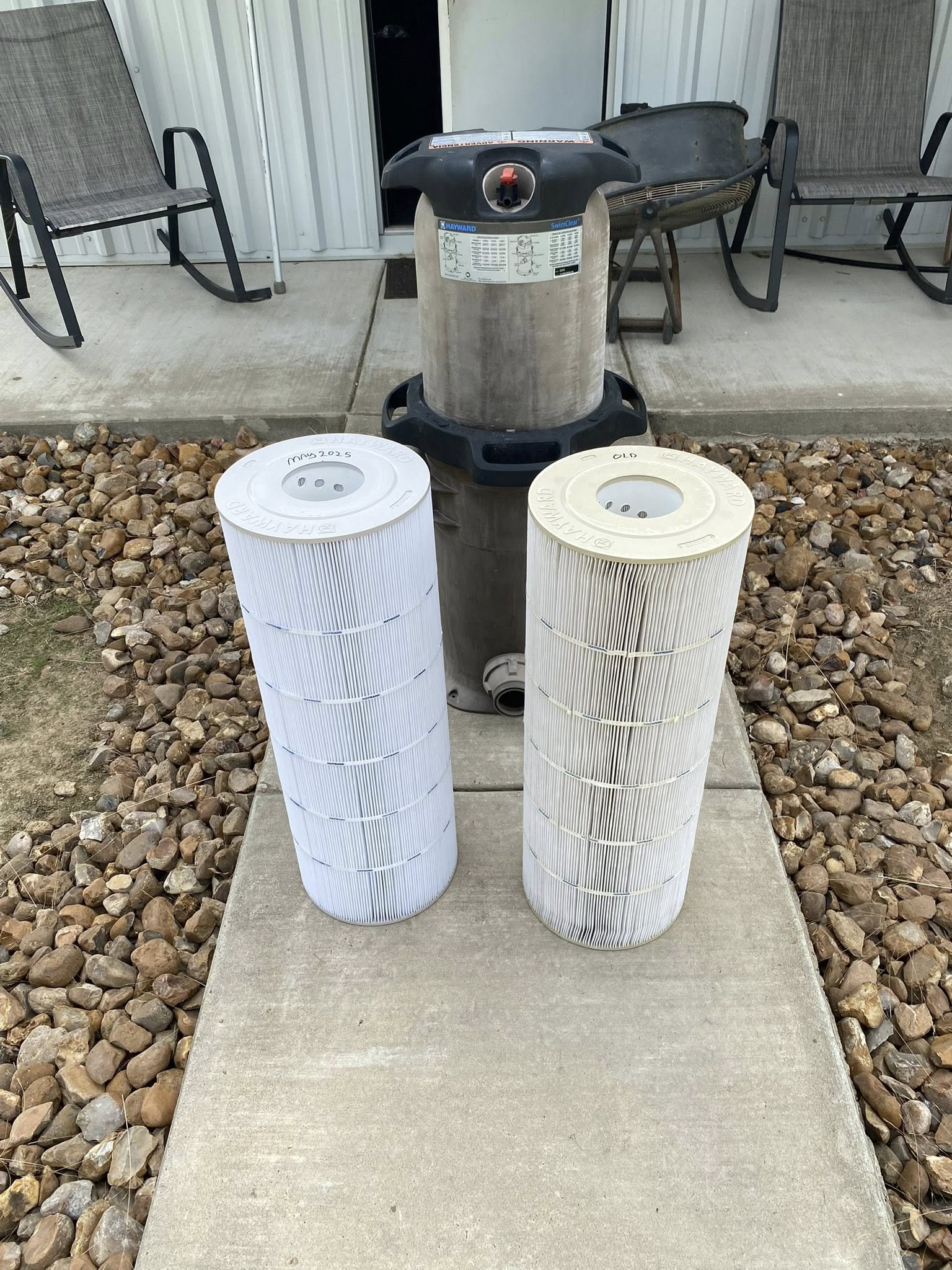
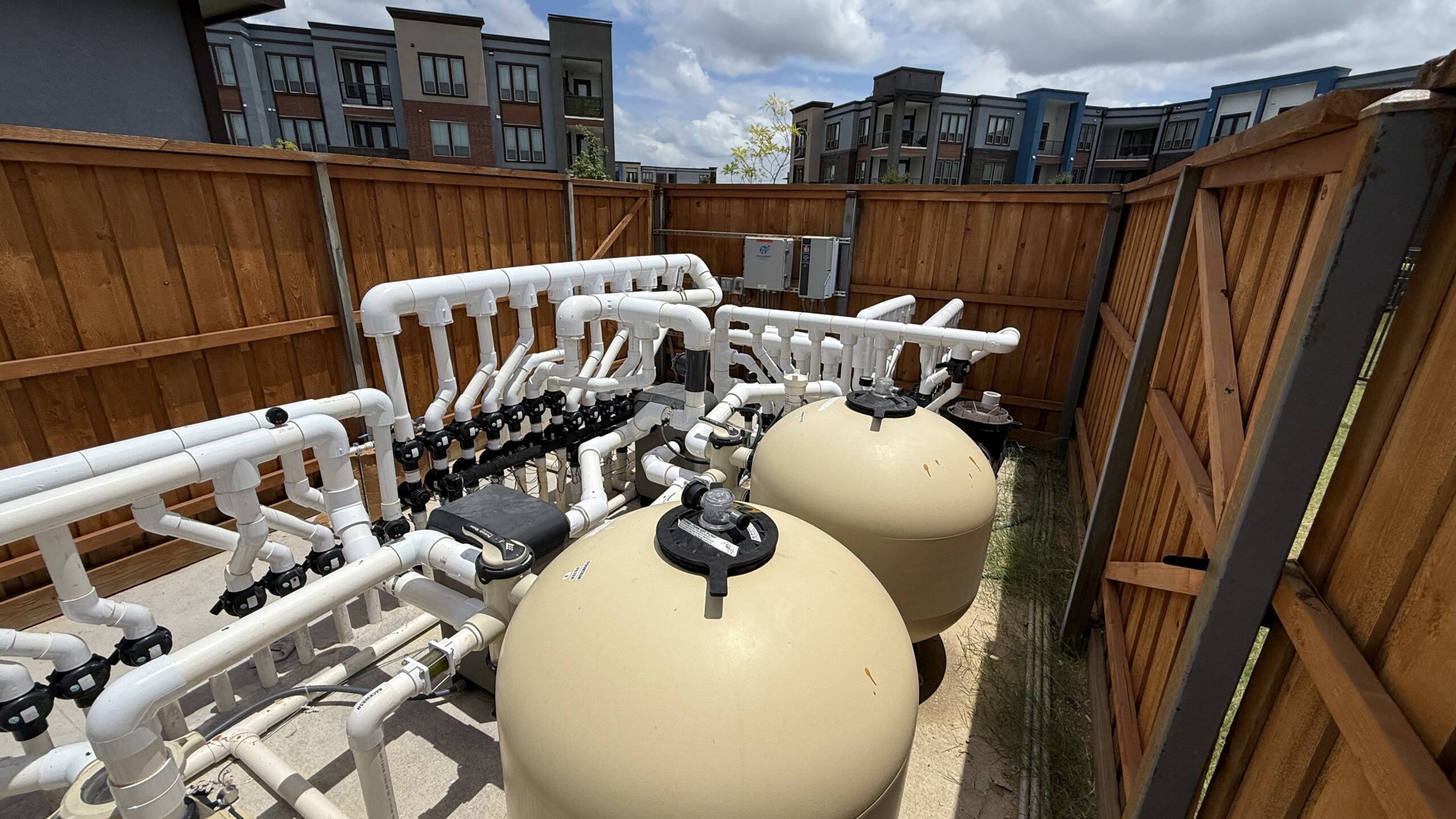
Also check the obvious stuff: pump run time, filter pressure, return flow, water level, pump basket, skimmer basket, and whether valves are open correctly. A salt chlorinator not working can be an equipment issue, but it can also be a flow issue wearing a salt-system costume.
When Low Chlorine Becomes A Bigger Water Problem
Low chlorine can move from “minor reading” to “green pool project” quickly. Cloudiness usually comes first. Then algae pressure builds on steps, walls, shady corners, and low-flow areas. Swimmers may also notice eye or skin discomfort if pH and sanitizer are off.
The CDC’s healthy swimming guidance says disinfection and pH are the first defense against germs that cause swimming-related illnesses. That is the big reason PoolBurg does not treat low chlorine as just a number on a strip. It is a warning that the pool’s protection system is not keeping up.
Repair, Rebalance, Or Replace
If the issue is chemistry-related, the fix may be balancing pH, stabilizer, salt, alkalinity, and calcium hardness. If the issue is cleaning-related, the cell may need careful scale removal. If the cell is old and no longer producing correctly even after cleaning and balancing, replacement may be the honest answer.
Orenda’s scale guidance explains that high pH and unbalanced water can encourage scale in salt chlorine generators. That matters in DFW because hard water, evaporation, hot equipment pads, and long summer run times all push salt systems harder.
How PoolBurg Approaches A Low-Chlorine Salt Pool
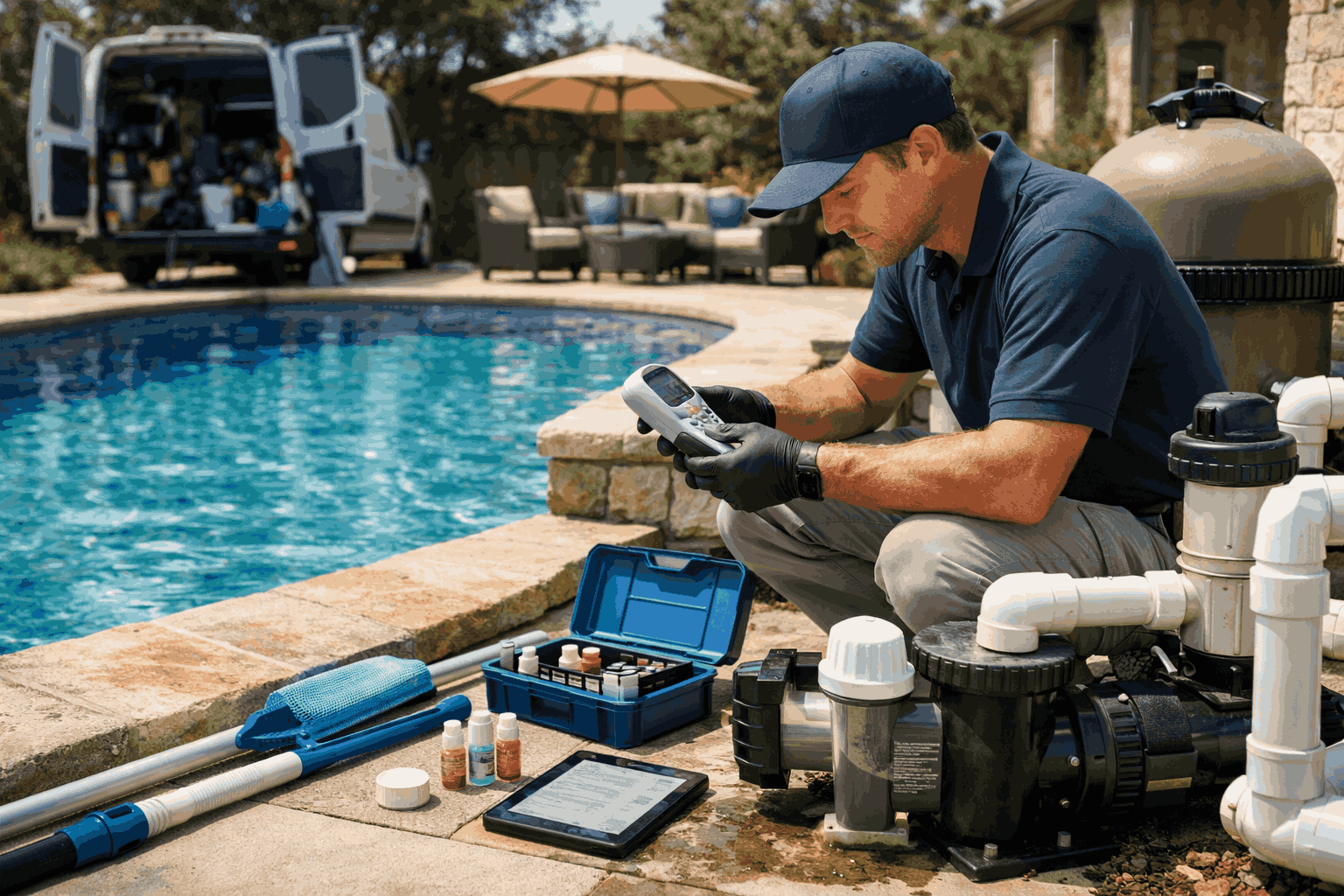
PoolBurg starts with testing. We check free chlorine, pH, alkalinity, stabilizer, calcium hardness, salt level, water temperature, and overall water condition. Then we check flow, filter pressure, pump run time, cell condition, output setting, and system warnings.
From there, the fix might be a chemistry correction, salt adjustment, salt cell cleaning, output change, filter cleaning, or cell replacement recommendation. Our salt water pool chemicals needed guide, saltwater pool pH problems article, salt cell scale buildup guide, and how often to clean a salt cell article are good supporting reads for homeowners trying to understand the bigger salt-system picture.
People Also Ask
Why is my saltwater pool not producing chlorine?
The most common causes are a dirty or scaled cell, low salt, wrong output setting, high pH, low stabilizer, poor flow, dirty filter, cold water, sensor issues, or an aging cell.
Can a dirty salt cell cause low chlorine?
Yes. Scale on the plates can reduce chlorine production and trigger service or inspect-cell warnings.
Does high pH make chlorine less effective?
Yes. As pH rises, chlorine becomes less effective, which means the pool may test low or behave like it has low sanitizer even when the generator is running.
Why is my saltwater pool cloudy?
Cloudiness can come from low chlorine, poor filtration, high pH, algae starting up, heavy swimmer load, or poor circulation.
How long does a salt cell last?
It depends on water balance, run time, cell quality, cleaning habits, and usage. A cell that is constantly scaled or over-cleaned may fail sooner.
PoolBurg Can Diagnose Your Salt System Before Algae Takes Over
If your saltwater pool not producing chlorine problem keeps coming back, do not wait until the water turns green. PoolBurg can diagnose the salt system, test the water, inspect the cell, verify flow, and set a smarter output strategy for pools in Frisco, Plano, McKinney, Allen, The Colony, Lewisville, Southlake, Grapevine, Las Colinas, Farmers Branch, Carrollton, Addison, Keller, Garland, Mesquite, Wylie, and Prosper. Contact PoolBurg before low chlorine turns into full algae recovery.