Pool cover maintenance is one of those pool care habits that feels small until you skip it for a few weeks and suddenly the cover looks tired, the water underneath smells weird, and every leaf in the neighborhood has apparently moved into your backyard. A pool cover is supposed to make pool ownership easier, not turn into a second pool sitting on top of the first one.
For homeowners in Frisco, Plano, Allen, McKinney, Southlake, Grapevine, Keller, and surrounding DFW areas, covers can be a big help during storms, pollen season, winter weather, and long stretches when the pool is not being used. But whether you have a safety cover, a seasonal cover, or an automatic pool cover, the cover still needs regular attention.
Why Pool Cover Maintenance Matters
A pool cover protects your water from leaves, sunlight, evaporation, debris, and sometimes even accidental access. But the cover itself is exposed to sun, rain, wind, dirt, animals, and Texas weather mood swings. That means pool cover maintenance protects two things at once: the cover above and the water below.
When a cover is ignored, debris can collect, water can pool, straps can loosen, tracks can jam, and small tears can become bigger damage. Even worse, dirty covers can dump grime straight into the pool when they are removed or opened.If you are still deciding which type of cover fits your pool, PoolBurg’s guide on pool cover types is a good place to start before thinking about long-term care.
How to Maintain a Standard Pool Cover
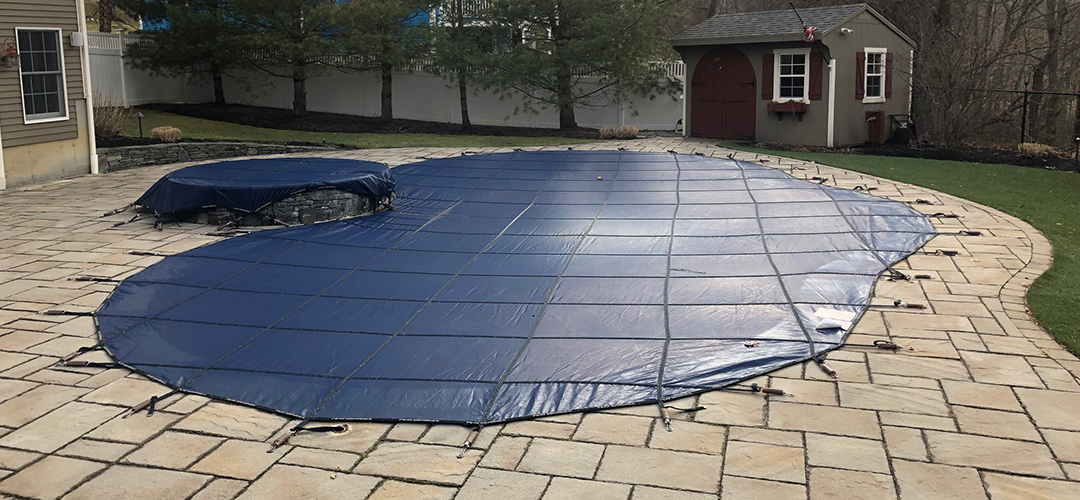
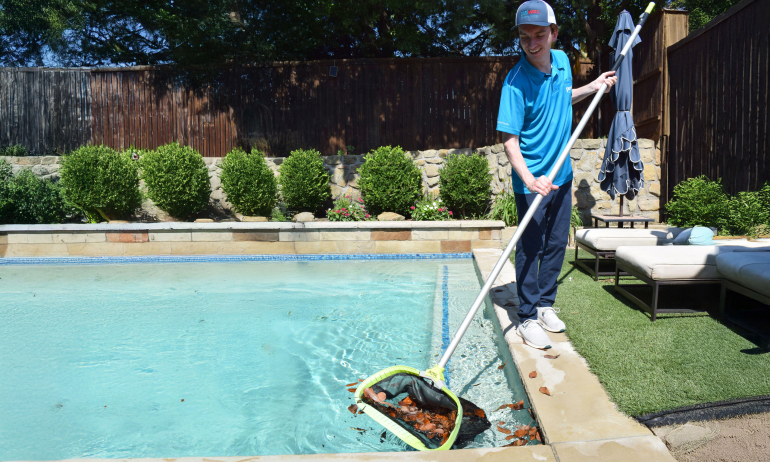
For a standard pool cover, the biggest rule is simple: do not let debris sit forever. Leaves, sticks, acorns, pollen, and dirt get heavier when wet. Over time, that weight can stretch the cover, stress the seams, and make removal messier than it needs to be.
A simple pool cover cleaning routine should include:
- Remove leaves and branches with a soft brush, pool cover rake, or leaf blower.
- Pump off standing water when it becomes excessive.
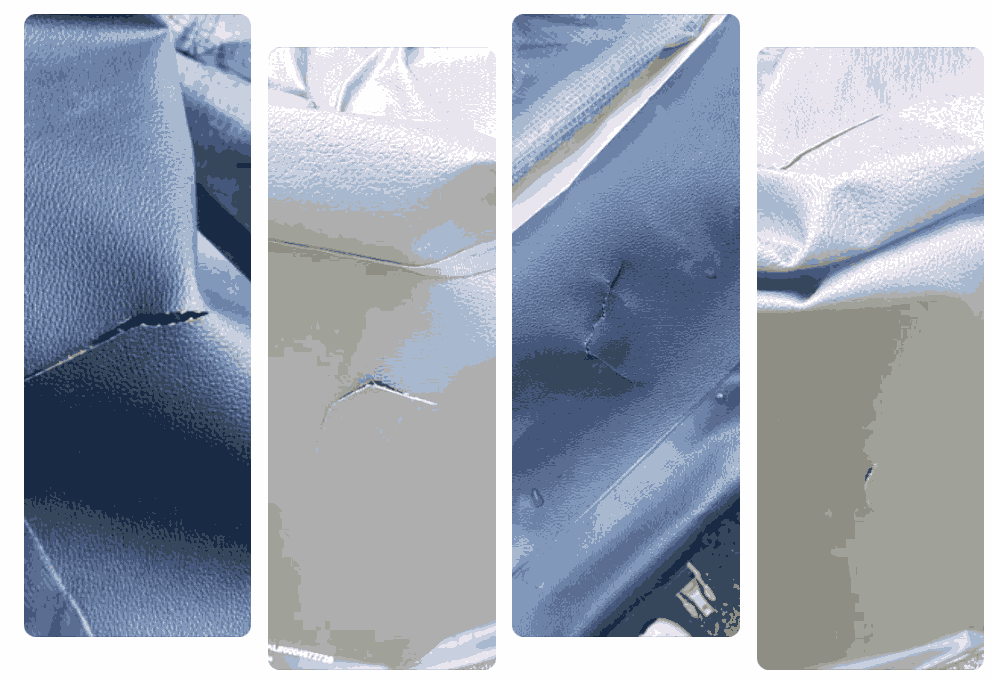
- Check for rips, worn edges, or sagging areas.
- Clean the cover before storage.
- Let the cover dry before folding it away when possible.
Standing water is especially sneaky. A little water on top of the cover may not seem dramatic, but too much can pull the cover down, attract bugs, and make the cover harder to remove safely.
For general water safety and chemical handling around pools, the CDC’s guidance on pool chemical safety is worth linking as an external resource.
Automatic Pool Cover Maintenance
Automatic pool cover maintenance is a little different because the cover has moving parts. The fabric matters, yes, but so do the tracks, motor, pulleys, ropes, and alignment. If debris gets into the tracks, the cover can drag, bind, stop unevenly, or strain the system.
Before opening or closing an automatic cover, check for leaves, toys, branches, or anything sitting on the cover. Never force a cover that is stuck or moving crooked. That is how a small issue can become a costly repair.
Good automatic pool cover maintenance includes:
- Keeping the cover tracks clean.
- Removing debris before operating the cover.
- Watching for uneven movement.
- Listening for grinding, popping, or straining.
- Calling for service if the cover sticks or pulls sideways.
Manufacturers often recommend keeping tracks clear and avoiding unnecessary stress on the system. For an external reference, you can link the phrase automatic pool cover maintenance to a manufacturer resource page.
Winter Pool Cover Care in Texas
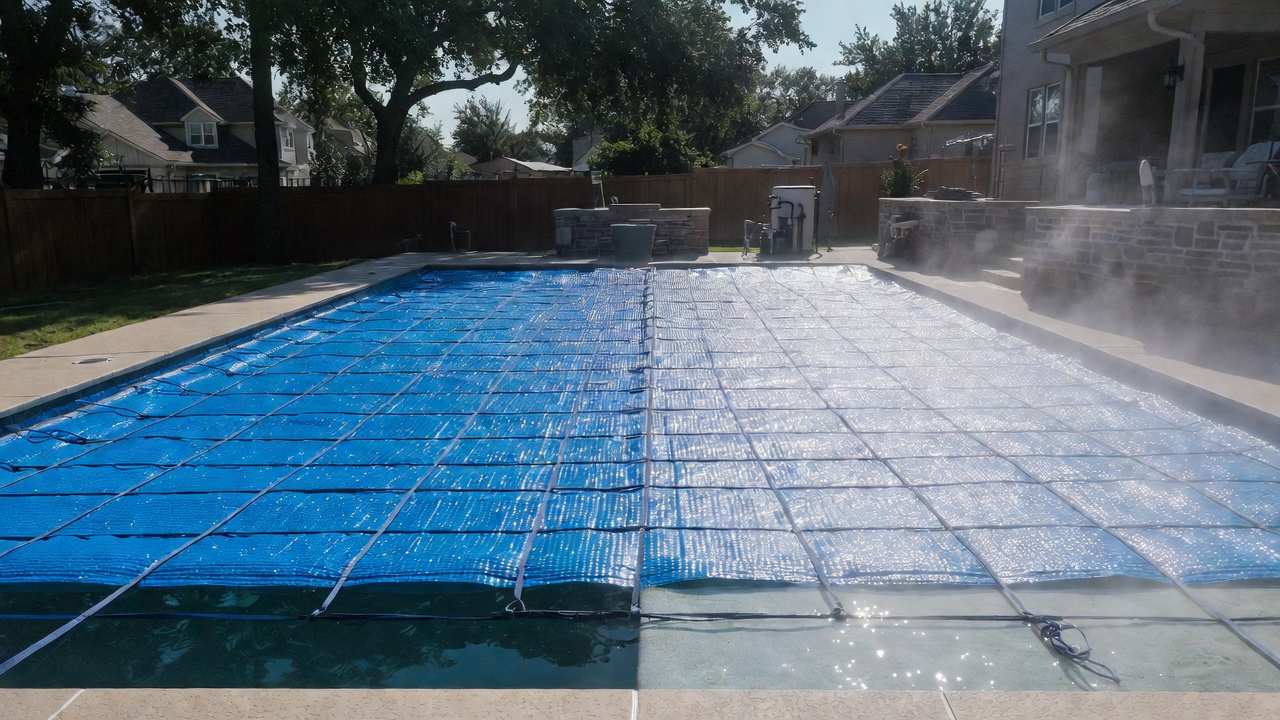
Winter pool cover care in DFW is not the same as winter care in colder northern states. North Texas may have mild weeks, sudden storms, freeze warnings, and heavy wind all in one season. Fun? Not really. Normal? Unfortunately, yes.
After storms, check the cover for debris and standing water. After freeze events, inspect straps, anchors, edges, and any areas where ice may have added weight. If the pool was winterized or partially closed, the cover should not be forgotten until spring.
PoolBurg has also covered seasonal topics like pool closing vs winterizing Texas, which connects naturally with winter pool cover care.
Common Pool Cover Problems
Most cover problems start quietly. A little sag. A small tear. A cover that opens slower than usual. A musty smell. Then, one day, the cover looks rough and the water underneath looks even worse.
Common issues include:
- Sagging fabric
- Rips or worn seams
- Water pooling on top
- Track problems on automatic covers
- Mold or odor
- Debris falling into the pool
- Stuck or uneven movement
- Loose anchors or straps
If the pool cover is connected to safety, do not guess. A damaged cover should be inspected before you rely on it.
For safety-related pool topics, link to PoolBurg’s pool safety for kids article when discussing secure covers and backyard protection.
How Pool Cover Maintenance Helps Water Quality
A clean, well-maintained cover can make your water easier to manage. It reduces leaves, blocks some sunlight, limits debris, and can help reduce evaporation. The U.S. Department of Energy notes that pool covers can help reduce evaporation, which is one reason they are useful for water and energy conservation. Link the phrase reduce evaporation to that resource.
Less debris also means less organic material breaking down in the water. That can help chlorine work more efficiently and make spring opening easier. If the pool has been covered after storms or long breaks, PoolBurg’s article on pool maintenance after storm can support the next step.
People Also Ask
How do you maintain a pool cover?
Remove debris regularly, pump off excess standing water, inspect for tears, clean the cover before storage, and keep automatic cover tracks clear. Pool cover maintenance is mostly about preventing weight, grime, and mechanical strain from building up.
Should you clean a pool cover?
Yes. Pool cover cleaning helps prevent mold, odor, staining, and dirty water from falling into the pool when the cover is opened or removed.
How do you maintain an automatic pool cover?
Keep the tracks clean, remove debris before operation, watch for uneven movement, and never force the cover if it sticks. Automatic pool cover maintenance should include professional service when the system strains or moves crooked.
Can leaves damage a pool cover?
Yes, especially when leaves get wet and heavy. They can stretch the cover, stain the surface, clog tracks, and make removal much messier.
Should water sit on top of a pool cover?
A small amount may happen naturally, but too much standing water should be removed. Excess water adds weight and can pull the cover down.
How long should a pool cover last?
It depends on the cover type, material, weather exposure, maintenance routine, and how often it is used. A neglected cover usually wears out faster than one that is cleaned and inspected regularly.
Let PoolBurg Help Keep Your Covered Pool Cleaner
Pool cover maintenance is not complicated, but it does need consistency. The cover should protect your pool, not create a new set of problems every time you open it.
PoolBurg helps homeowners in Frisco, Plano, Allen, McKinney, Southlake, Grapevine, Keller, and nearby DFW areas keep covered pools cleaner, safer, and easier to manage. Whether you need help with winter pool cover care, automatic pool cover maintenance, or water problems after the cover comes off, PoolBurg can help you stay ahead of the mess.
If your covered pool is starting to smell, sag, collect water, or dump debris into the pool, schedule service with PoolBurg before a small cover issue turns into a bigger cleanup.