Three Cs of pool care is one of the easiest ways to understand pool maintenance without feeling like you need a chemistry degree, a toolbox, and three cups of coffee just to keep the water blue.
The three Cs are circulation, cleaning, and chemistry. That is the big picture. When all three are working together, your pool usually behaves. When one gets ignored, the pool starts acting like it has a personal problem with you.
For homeowners in Frisco, Plano, McKinney, Allen, The Colony, Lewisville, Prosper, Wylie, Keller, Garland, Mesquite, and the rest of DFW, the three Cs of pool care matter even more because Texas heat, storms, pollen, and heavy swim seasons can stress a pool quickly.
What Are the Three Cs of Pool Care?
The three Cs of pool care are:
- Circulation
- Cleaning
- Chemistry
Think of them like three legs on a chair. If one leg is weak, the whole thing gets wobbly. Good pool chemistry cannot save a pool with poor circulation forever. Great circulation will not remove algae stuck to walls if nobody brushes. Clean water will not stay clean if the chlorine, pH, and alkalinity are all over the place.
That is why PoolBurg likes looking at the full maintenance pattern, not just the symptom. A cloudy pool, green patch, weak skimmer, or chemical swing usually has a cause hiding somewhere inside the three Cs of pool care.

C One Is Circulation
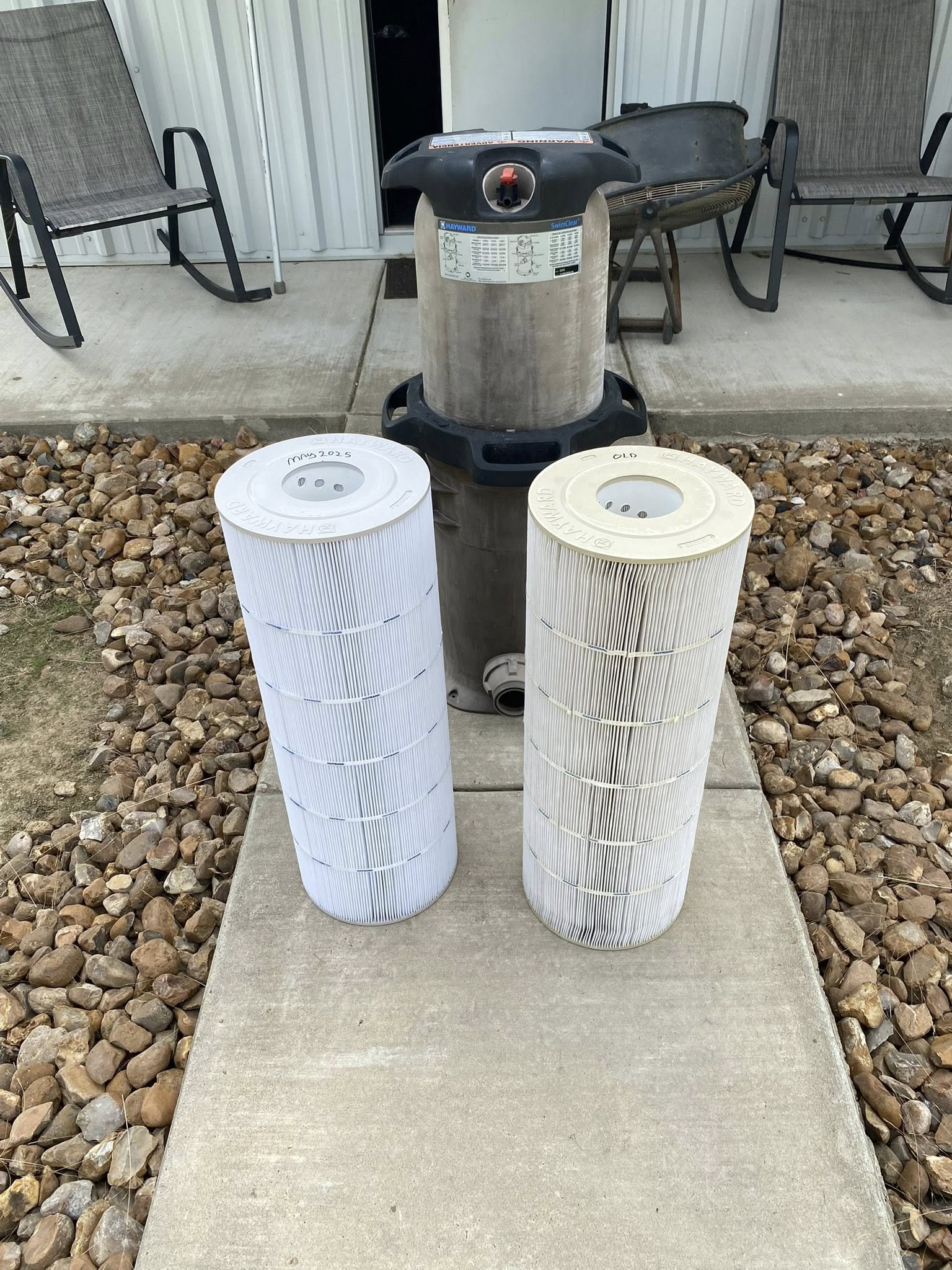
Circulation is the part of the pool care basics that keeps water moving. Your pump pulls water from the pool, pushes it through the filter, and sends it back through the return jets. That movement helps distribute chemicals, skim floating debris, and prevent dead spots where algae loves to settle.
A healthy circulation system depends on:
- Proper pump run time
- Clean baskets
- Strong skimmer pull
- Good return jet direction
- A clean filter
- No suction leaks or clogged lines
If your pool has weak movement, you may notice cloudy water, debris sitting in corners, or algae coming back in the same areas. That is a good time to read more about pool circulation problems or have PoolBurg inspect the system before the issue turns into a bigger headache.
The CDC healthy swimming guidance also points out the importance of proper filtration and water treatment, which is exactly why circulation sits first in the 3 Cs of pool maintenance.
C Two Is Cleaning
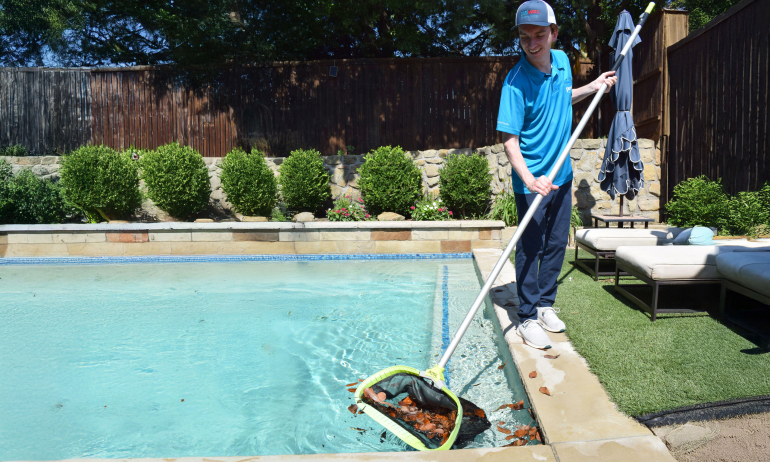
Cleaning is the hands-on part of the three Cs of pool care. It is not glamorous, but it is the difference between a pool that looks fresh and a pool that slowly starts growing little science projects on the steps.
Weekly cleaning usually includes:
- Skimming leaves and bugs
- Emptying skimmer and pump baskets
- Brushing walls, steps, benches, and corners
- Vacuuming debris from the floor
- Cleaning the tile line
- Checking the filter condition
Brushing is especially important. Many homeowners think chlorine alone should do everything, but algae often starts as a thin film on surfaces. If those areas are not brushed, even decent chlorine levels may struggle.
This is where many pool care mistakes begin. People treat the water but ignore the surfaces. Then they wonder why algae keeps returning. If that sounds familiar, check out common pool maintenance problems and pool maintenance for beginners for more simple guidance.
C Three Is Chemistry
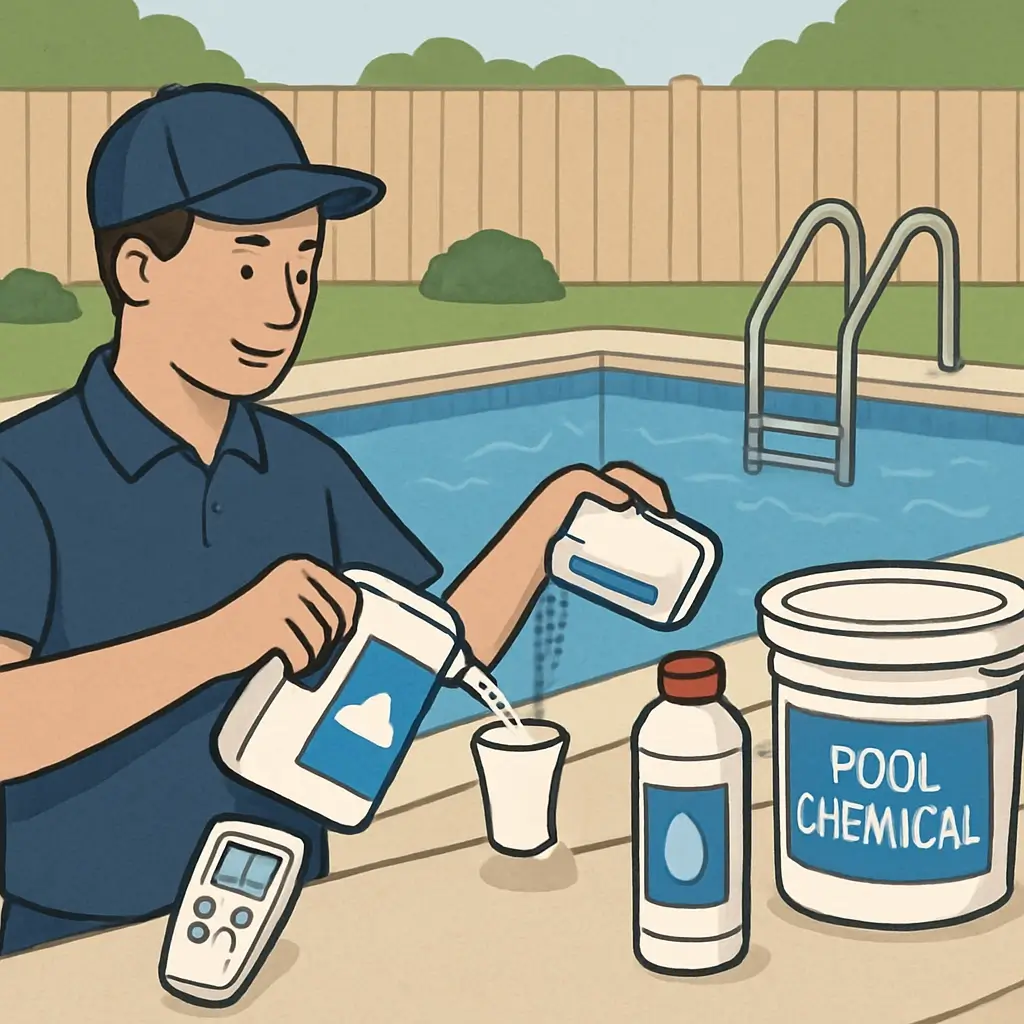
Chemistry is the part most homeowners either overthink or completely avoid. The goal is not to dump random chemicals into the pool and hope for a miracle. The goal is balance.
Basic pool chemistry includes:
- Chlorine
- pH
- Alkalinity
- Calcium hardness
- Stabilizer
- Salt level for saltwater pools
The CDC chlorine and swimming pool guidance explains that chlorine works with proper pH to help keep pool water safer. That is why chemistry cannot be treated like an afterthought. If pH is too high, chlorine can feel weak. If pH is too low, water can become harsh and corrosive.
The EPA safe pool chemical guidance is also worth linking for homeowners because chemical safety matters. Pool chemicals should be handled carefully, stored properly, and added according to label instructions.
If your water balance keeps shifting, PoolBurg can help with pool chemical maintenance, professional pool water testing, and swimming pool pH levels.

What Happens When One C Is Ignored?
Here is where the three Cs of pool care become very real.
If circulation is weak, chemicals do not spread evenly. The water may test okay in one spot but still grow algae in corners. If cleaning is ignored, dirt and biofilm create more chemical demand. If chemistry is off, the pool may look cloudy, irritate skin and eyes, or start scaling equipment.
In simple terms:
A pool usually does not go bad because of one tiny mistake. It goes bad because one small issue gets ignored long enough to invite five more.
This is why a steady pool maintenance routine works better than panic-cleaning after the water turns green.
Why the Three Cs Matter More in Texas
DFW pools work hard. Summer heat burns through chlorine faster. Storms dump leaves, dust, and organic debris into the water. Pollen can coat the surface. Heavy swimming adds sunscreen, sweat, body oils, and more demand on the sanitizer.
That means the three Cs of pool care are not just cute maintenance words. They are the rhythm that keeps a Texas pool from flipping on you after one hot weekend.
Homeowners in Frisco, Plano, McKinney, Allen, Prosper, Wylie, Keller, and Southlake often need small seasonal adjustments instead of one fixed routine all year. A pool in July does not behave like a pool in February. PoolBurg can adjust cleaning, chemistry, and equipment checks based on the season and the condition of the pool.
For more general homeowner education, the Pool and Hot Tub Alliance homeowner resources and Texas A&M AgriLife Extension resources are useful external references to link alongside service-focused content.
People Also Ask
What are the three Cs of pool care?
The three Cs of pool care are circulation, cleaning, and chemistry. Circulation moves the water, cleaning removes debris and buildup, and chemistry keeps the water balanced and sanitized.
What is a good pool maintenance routine?
A good pool maintenance routine includes skimming, brushing, vacuuming, emptying baskets, testing water, checking equipment, and cleaning the filter when needed.
What regular maintenance should be done on a pool?
Regular swimming pool maintenance should include water testing, chlorine and pH adjustment, brushing, skimming, vacuuming, filter checks, and equipment inspection.
How often should you brush a pool?
Most pools should be brushed at least once a week. Pools with algae, heavy debris, new plaster, or poor circulation may need more frequent brushing.
Is circulation more important than chemicals?
Circulation and chemicals work together. Chemicals need good circulation to spread through the pool, while circulation alone cannot sanitize water without proper chemistry.
Why does my pool get cloudy even when chlorine is okay?
Your pool may get cloudy because of poor filtration, high pH, high calcium, poor circulation, debris buildup, or a dirty filter. That is why the three Cs of pool care should be checked together.
Let PoolBurg Handle the Three Cs Before the Pool Gets Complicated
The three Cs of pool care make pool ownership much easier once you understand the pattern. Keep water moving. Keep surfaces clean. Keep chemistry balanced. Simple idea, big difference.
If your pool keeps getting cloudy, algae keeps coming back, or the water just never looks quite right, PoolBurg can help. Our team checks the full picture instead of only treating the symptom. From weekly pool service to pool water problems and equipment checks, PoolBurg helps DFW homeowners keep the pool clean, clear, and actually enjoyable.
Need help with the three Cs of pool care? Contact PoolBurg and let us keep your pool from turning against you.