Pool maintenance for beginners can feel like being handed the keys to a tiny backyard science lab. You have water, equipment, chemicals, baskets, filters, and somehow, everyone expects the pool to stay clear, blue, and ready for Saturday. Good news though: once you understand the basics, pool care becomes much less intimidating.
For homeowners in Frisco, Plano, McKinney, Allen, The Colony, Lewisville, Prosper, and Wylie, the main challenge is consistency. Texas heat, storms, leaves, dust, and heavy swim weeks can change pool water fast. That is why pool maintenance for beginners should start with three simple ideas: circulation, cleaning, and chemistry.
What Beginners Need to Understand First
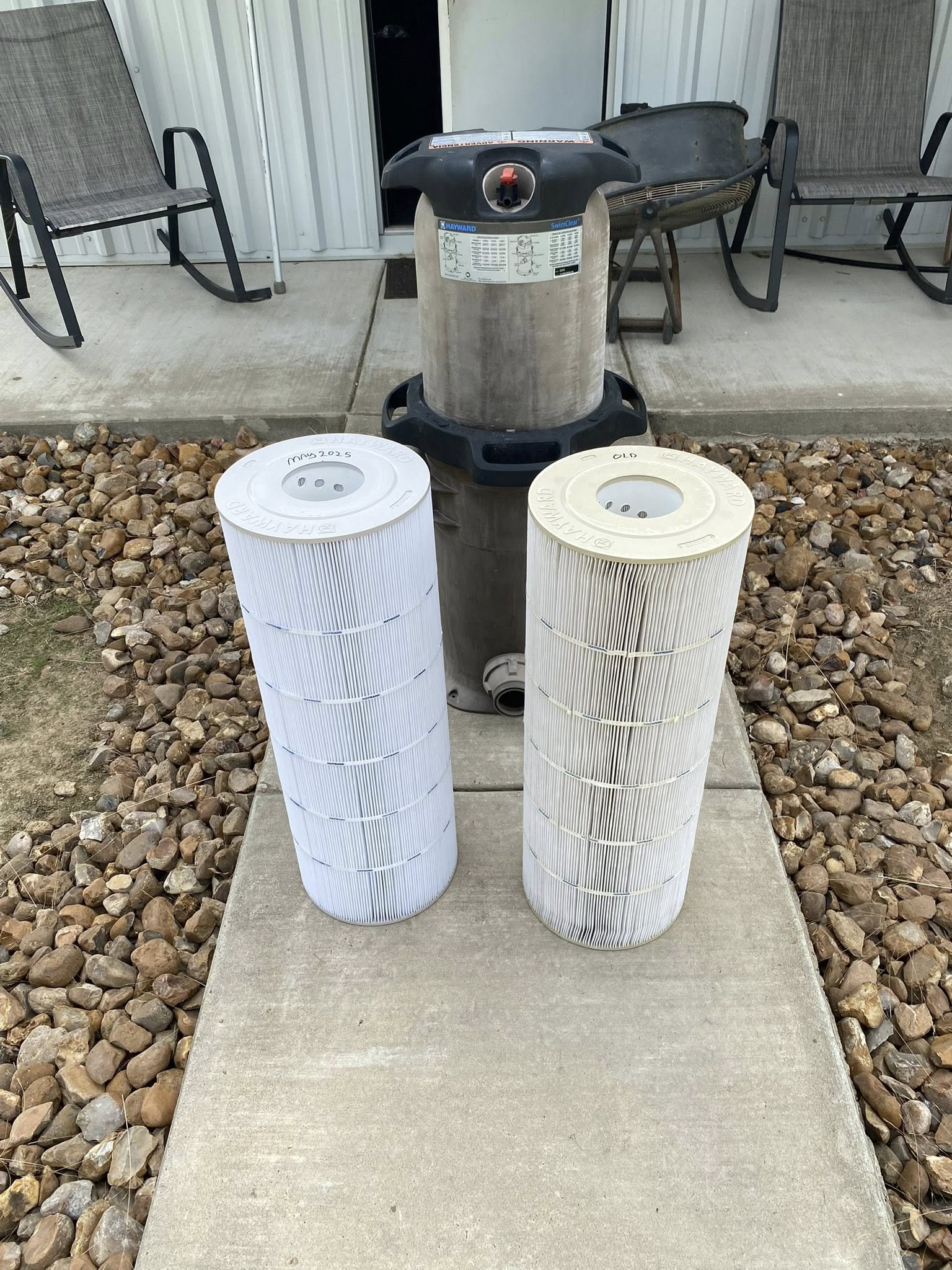
A pool is not just a hole full of water. It is a connected system. Your pump moves water. Your filter catches debris. Your chemicals keep the water safe and balanced. Your brushing and skimming help prevent algae from finding a cozy little corner to move into.
That is the heart of pool maintenance for beginners. If circulation is weak, chemicals do not spread properly. If cleaning is ignored, chlorine gets used up faster. If chemistry is off, water can turn cloudy, irritate skin, or damage equipment.
The CDC healthy swimming guidelines are a great reminder that clean, well-managed pool water matters for swimmer comfort and safety. You do not need to become a chemist, but you do need a repeatable plan.If you are brand new, PoolBurg’s guide on new pool owner maintenance is a smart place to start.
The Basic Weekly Pool Maintenance Tasks
A simple pool maintenance routine is better than random emergency fixing. Most beginner pool maintenance problems happen because small tasks get skipped for too long.
Here is a beginner-friendly weekly checklist:
- Skim leaves and floating debris.
- Empty skimmer and pump baskets.
- Brush walls, steps, benches, and corners.
- Vacuum when dirt settles on the floor.
- Test chlorine, pH, and alkalinity.
- Check water level.
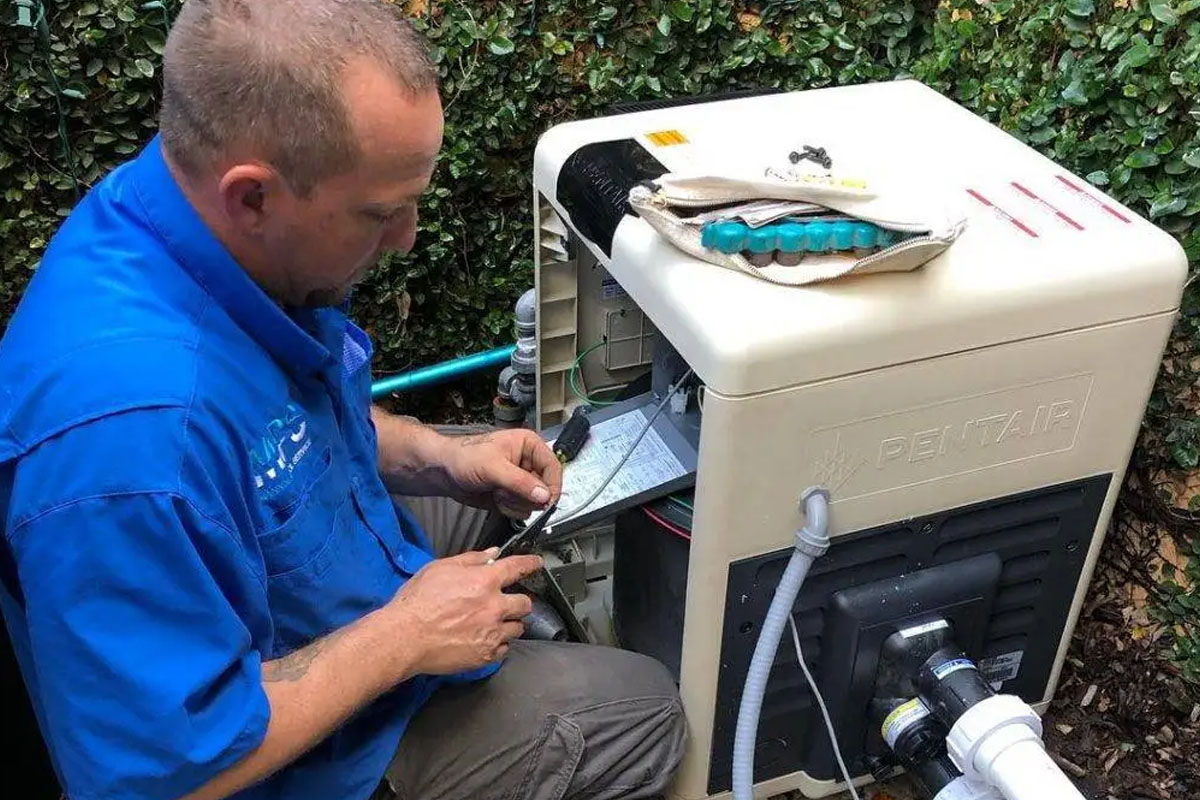
- Look at the pump, filter, valves, and cleaner.
- Make sure return jets have strong flow.
This is the part of swimming pool maintenance that saves you from bigger headaches. A basket packed with leaves can reduce flow. A dirty filter can slow circulation. A missed brushing session can let algae cling to surfaces before you even notice it.
For more help with weekly care, visit PoolBurg’s page on weekly pool service.
The First Chemicals New Pool Owners Should Understand
Pool chemicals are where most beginners get nervous, and honestly, fair enough. The labels can look like they were written by someone trying to win a chemistry spelling bee.
For pool maintenance for beginners, these are the main chemicals and readings to understand first:
- Chlorine keeps the water sanitized.
- pH affects comfort, clarity, and chlorine performance.
- Alkalinity helps keep pH from swinging wildly.
- Stabilizer, also called cyanuric acid, helps protect chlorine from sunlight.
- Calcium hardness matters for surface and equipment protection.
- Shock helps handle heavy demand, algae, or contamination.
- Salt matters if you have a saltwater pool.
The Pool & Hot Tub Alliance water care information is useful for understanding why proper water care standards matter. For chemical safety, the EPA pool chemical safety guidance is also worth reviewing before storing or handling products.
If the test results confuse you, PoolBurg’s professional pool water test service can help you stop guessing.
Common Beginner Pool Maintenance Mistakes
Most new pool owner maintenance mistakes are not dramatic. They are small, ordinary things that slowly turn into cloudy water, algae, or equipment strain.
The most common pool care mistakes include:
- Only adding chlorine and ignoring pH.
- Testing water too rarely.
- Running the pump too little.
- Forgetting to brush steps and corners.
- Letting baskets clog.
- Not cleaning or backwashing the filter.
- Adding chemicals without testing first.
- Shock-treating the pool without fixing the cause.
Good pool maintenance for beginners is not about dumping more chemicals into the water. It is about knowing what the water actually needs. The CDC pool safety information also reinforces the importance of reducing illness risks around pools through better awareness and maintenance habits.For related mistakes, PoolBurg’s article on pool maintenance mistakes is a helpful follow-up.
How Often Should a Beginner Test Pool Water?
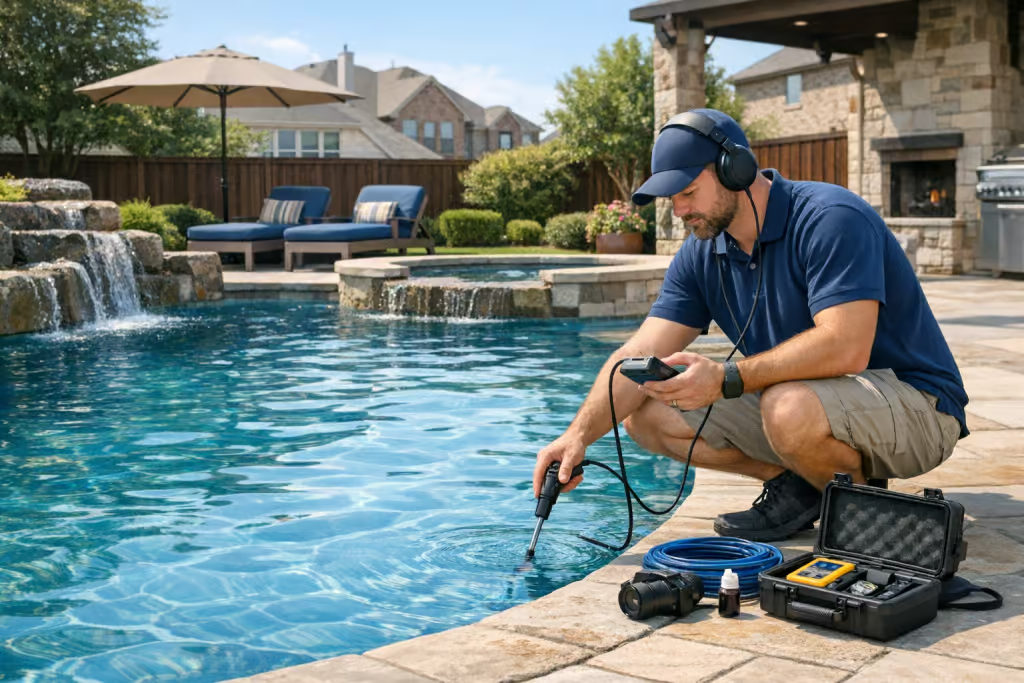
For beginners, water testing should happen at least weekly, and more often during hot weather. In North Texas, summer pool water can change quickly because of sun, evaporation, heavy swimming, and storms.
Test your water:
- After heavy rain.
- After a pool party.
- When water looks cloudy.
- Before adding chemicals.
- During long stretches of hot weather.
- If algae appears.
- If swimmers complain about eye or skin irritation.
This is one of the most important pool care basics. You cannot balance what you have not tested. For learning more about pH, alkalinity, and sanitizer readings, the National Swimming Pool Foundation education resources are helpful for understanding why water balance matters.
When Beginners Should Call a Pool Service
DIY pool care is possible, but some problems are better handled before they grow teeth. Call a professional if you have persistent algae, cloudy water that will not clear, confusing test results, pump noise, weak circulation, filter pressure issues, or storm debris that overwhelms the system.
Pool maintenance for beginners should feel manageable, not like a second job you secretly resent. If your pool keeps slipping out of balance, the problem may be the routine, equipment, filter, or chemistry pattern.
That is where PoolBurg can help. Whether you need a first visit, a seasonal reset, or ongoing swimming pool maintenance, PoolBurg can show you what matters, what can wait, and what needs attention now.
People Also Ask
How do you maintain a pool for beginners?
Start with circulation, cleaning, and chemistry. Run the pump properly, skim and brush weekly, empty baskets, test the water, and keep chlorine, pH, and alkalinity balanced.
Is it hard to maintain a pool yourself?
It can be manageable if you stay consistent. The hard part is not one task. The hard part is remembering all the small tasks before they become expensive problems.
What chemicals do I put in my pool first?
For most pools, beginners should understand chlorine, pH, alkalinity, stabilizer, and calcium hardness first. Always test before adding anything.
How often should beginners test pool water?
Weekly is a good baseline, but test more often during hot weather, after storms, after heavy swimming, or anytime the water looks off.
What is the easiest pool maintenance routine?
The easiest routine is weekly skimming, brushing, basket cleaning, water testing, filter checking, and equipment inspection.
When should I hire a pool service?
Hire a pool service when algae keeps returning, water stays cloudy, equipment sounds wrong, the pump is not circulating well, or test results stop making sense.
Final Thoughts
Pool maintenance for beginners is not about perfection. It is about building a simple rhythm. Keep water moving, keep surfaces clean, test before adding chemicals, and do not ignore early warning signs.
If you are a new pool owner in Frisco, Plano, McKinney, Allen, The Colony, Lewisville, Prosper, or Wylie, PoolBurg can help you build the right pool maintenance routine from week one, so your pool stays clear without turning your weekends into chemistry class.
Need help getting your pool under control? Contact PoolBurg today and let our team make beginner pool maintenance feel simple.