Pool maintenance after rain is one of those little pool-owner habits that can save you from a very annoying weekend. One storm rolls through, leaves blow in, the water level jumps, chlorine drops, and suddenly your pool looks like it has been thinking about becoming a pond.
The good news? A pool after rain is usually very fixable if you move quickly. The trick is not guessing. Rain affects pool chemicals, water level, circulation, debris load, and sometimes even equipment safety. So instead of dumping in random shock and hoping for the best, use a simple cleanup routine that actually makes sense.
What Rain Does to Pool Water
Rain may look clean falling from the sky, but once it hits roofs, patios, trees, soil, mulch, and your pool deck, it can carry plenty of junk with it. Heavy rain can dilute chlorine, shift pH and alkalinity, raise the water level, and push dirt, pollen, leaves, and organic material into the pool.
That is why pool water after storm situations often turn cloudy fast. The pool suddenly has more contaminants to fight, but sometimes less sanitizer strength to fight with. That is not a fair battle.
For safe swimming basics, homeowners can review the CDC’s guidance on healthy swimming and pool chemical safety. For environmental runoff context, the EPA’s information on stormwater runoff is also helpful.

What to Do First After Heavy Rain
The first step in pool maintenance after rain is not chemicals. It is cleanup and inspection.
Start here:
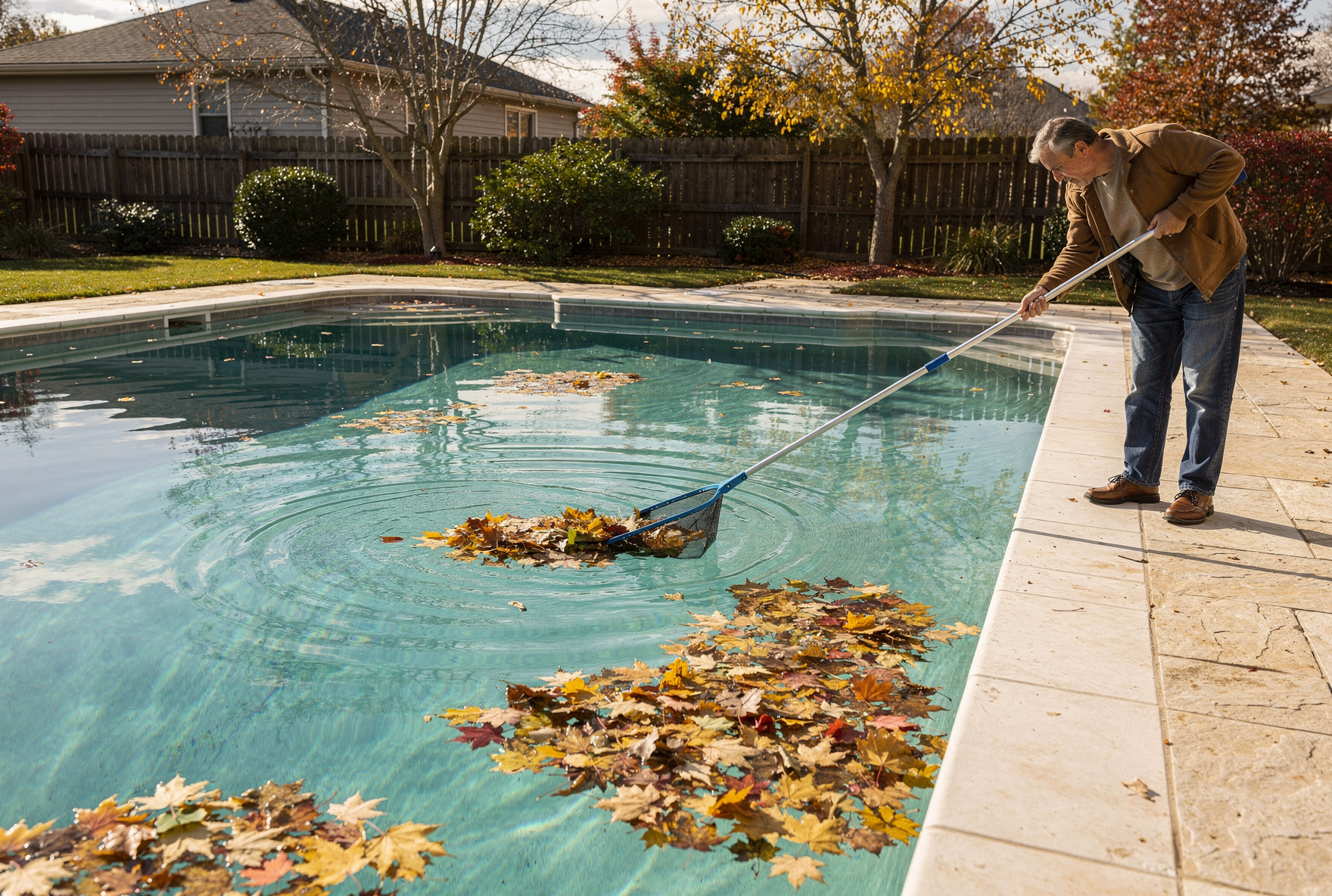
- Skim leaves, twigs, bugs, and surface debris.
- Empty skimmer and pump baskets.
- Check the water level.
- Make sure the pump and equipment pad are not flooded.
- Look for unusual pump sounds or weak circulation.
- Test the water before adding anything.
If your pool after rain has debris sitting at the bottom, vacuum it before it breaks down further. Organic debris consumes chlorine, feeds algae, and makes the filter work harder than it should.
This is also a good time to check for pool circulation problems because storm debris can clog baskets, skimmers, cleaner lines, or return flow.
Should You Shock the Pool After Rain?
Sometimes yes. But not always.
A light shower does not automatically mean your pool needs shock. A heavy storm with lots of leaves, dirt, cloudy water, or low chlorine? That may be different. The smarter move is to test first, then decide.
You may need shock if:
- Free chlorine is very low.
- The pool is cloudy after the rain.
- Heavy debris entered the pool.
- The water smells unpleasant.
- Algae is beginning to show.
Still, avoid shocking blindly. Too much chemical guessing can create a new problem while trying to fix the old one. If you are unsure what your test results mean, a professional pool water test can save you from chasing the wrong issue.
For general chemistry education, the Pool & Hot Tub Alliance has useful homeowner resources through Step Into Swim, and Orenda offers helpful explanations on pool water chemistry.
Why Pools Turn Cloudy After Rain
Cloudy water after rain is extremely common in North Texas. Rain affects pool chemicals by diluting sanitizer and changing the water balance. At the same time, storms dump debris, pollen, dust, and organics into the pool.
A cloudy pool after rain can happen because of:
- Low chlorine
- pH changes
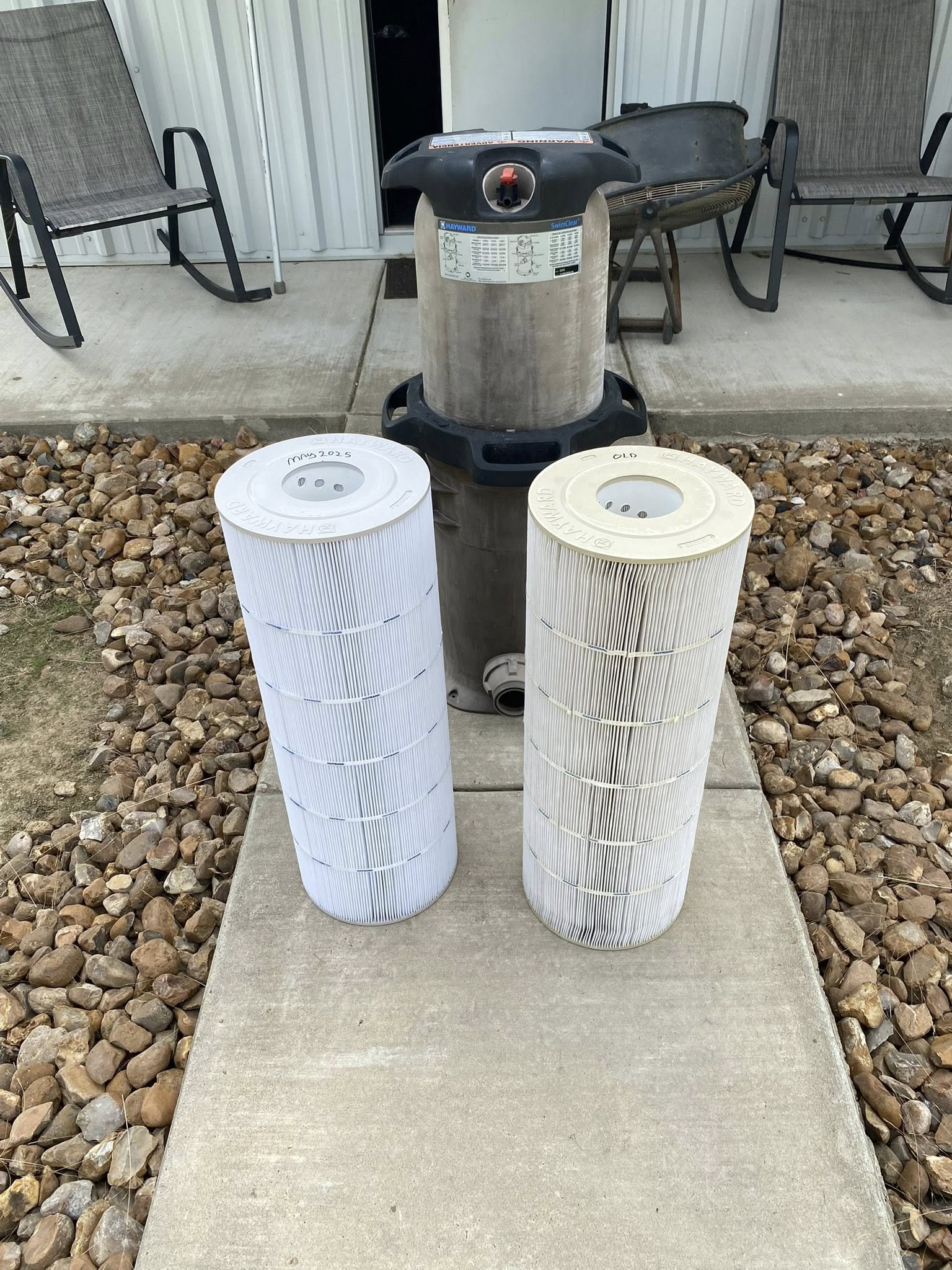
- Dirty filter media
- Poor circulation
- High debris load
- Phosphates and organics
- Fine dirt suspended in the water
This is why pool maintenance after rain should include both cleaning and testing. If you only add chlorine but ignore the filter, the pool may stay hazy. If you only run the filter but ignore low sanitizer, algae may still move in like it signed a lease.For a deeper guide, visit our article on cloudy pool water.
When Rain Can Become an Equipment Problem
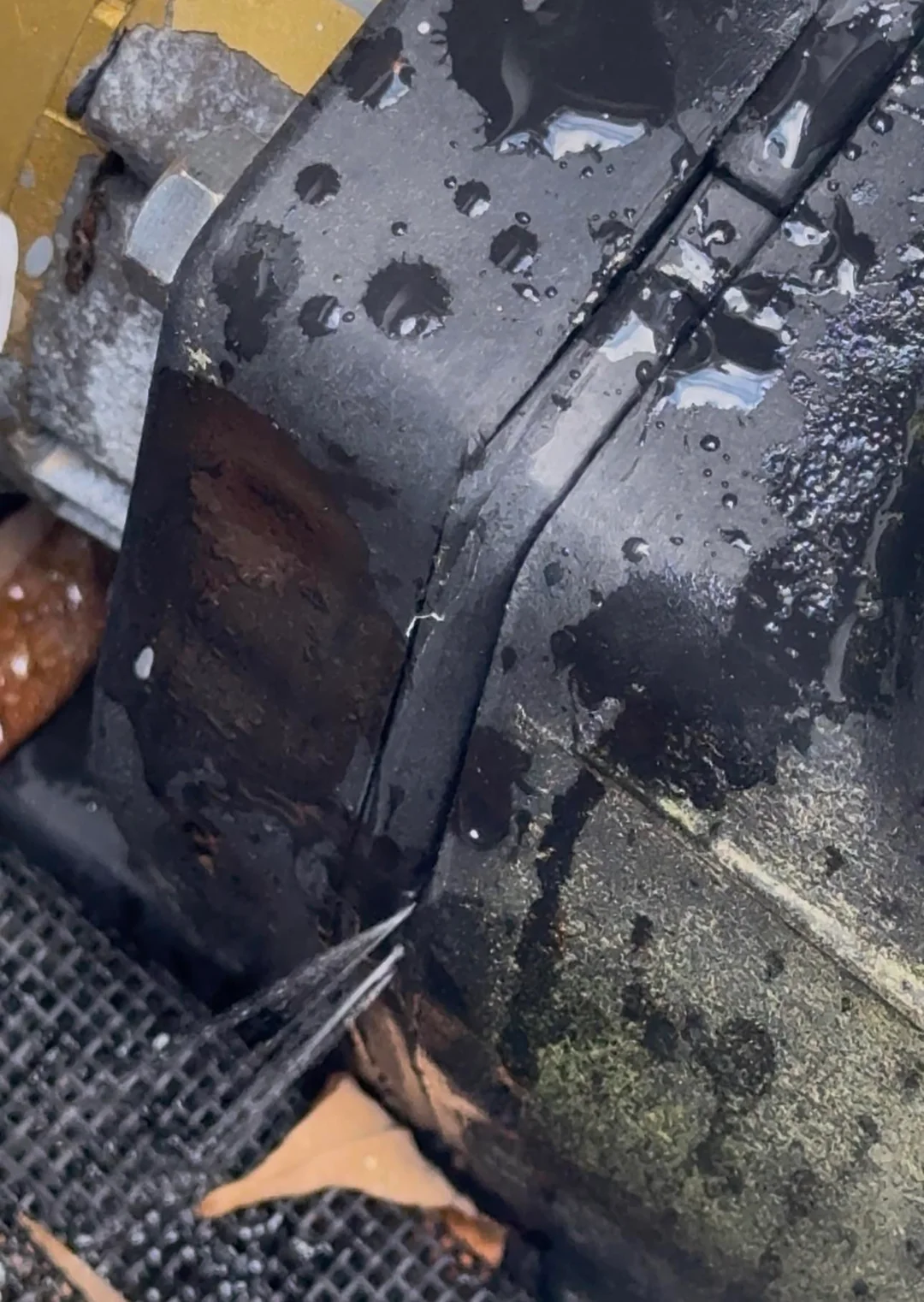
Most rain cleanup is water-related, but heavy storms can also create equipment trouble. If the equipment pad floods, do not casually walk over and start flipping switches. Water and electrical equipment are not a cute little combo.
Watch for:
- Flooding around the pump
- Debris clogging skimmers
- Pump losing prime
- Weak suction
- Tripped breakers
- Unusual motor noise
- Water level too high for proper skimming
The National Weather Service has helpful safety information on flooding and storm hazards. If your equipment looks flooded or unsafe, let a professional inspect it.
Should You Drain Water From the Pool After Rain?
Maybe, but carefully.
If the water level rises above the skimmer opening, your skimmer may not work properly. That can hurt surface cleaning and circulation. In that case, lowering the water to the correct level may help.
But do not drain too much. Low water can cause the pump to pull air, lose prime, or run dry. That can turn a simple pool maintenance after rain visit into a repair bill nobody wanted.
If you are not sure where the water level should be, check your system or call PoolBurg before draining aggressively.
Pool Maintenance After Rain in DFW
Storm-prone areas like Garland, Mesquite, Wylie, Plano, Carrollton, Farmers Branch, and The Colony can see quick changes after a hard rain. Wind brings leaves. Runoff brings dirt. Heat returns fast. Then the pool chemistry starts acting dramatic.
That is why a good pool maintenance after rain routine matters so much here. North Texas pools already deal with long swim seasons, heavy sun, and sudden storms. After rain, the pool just needs a reset before the water gets away from you.
People Also Ask
What should I do to my pool after it rains?
Skim debris, empty baskets, check the water level, inspect equipment, run the pump, and test the water before adding chemicals. Pool maintenance after rain works best when you clean first and adjust chemistry second.
Should I shock my pool after heavy rain?
You may need to shock after heavy rain if chlorine is low, the pool is cloudy, or lots of debris entered the water. Light rain may only require testing and small adjustments.
Why is my pool cloudy after rain?
Pool water after storm conditions often turn cloudy because rain dilutes chlorine, shifts pH, adds debris, and increases the load on the filter.
Does rain lower chlorine?
Rain can dilute chlorine, and storm debris can use up sanitizer faster. That is why testing is important after heavy rain.
Can rain make pool pH high or low?
Yes. Rain affects pool chemicals differently depending on the rainwater, existing pool balance, debris, and alkalinity level.
Should I drain water from my pool after rain?
Only if the water level is too high. Keep the water around the proper skimmer level so circulation and surface cleaning work correctly.
Let PoolBurg Help Before Cloudy Water Turns Green
If your pool after rain keeps turning cloudy, green, or chemically confusing, PoolBurg can help. We handle cleanup, water testing, circulation checks, and storm recovery so you are not standing outside with test strips wondering what went wrong.
Schedule service with PoolBurg and let us get your water back under control before storm water becomes pool trouble.