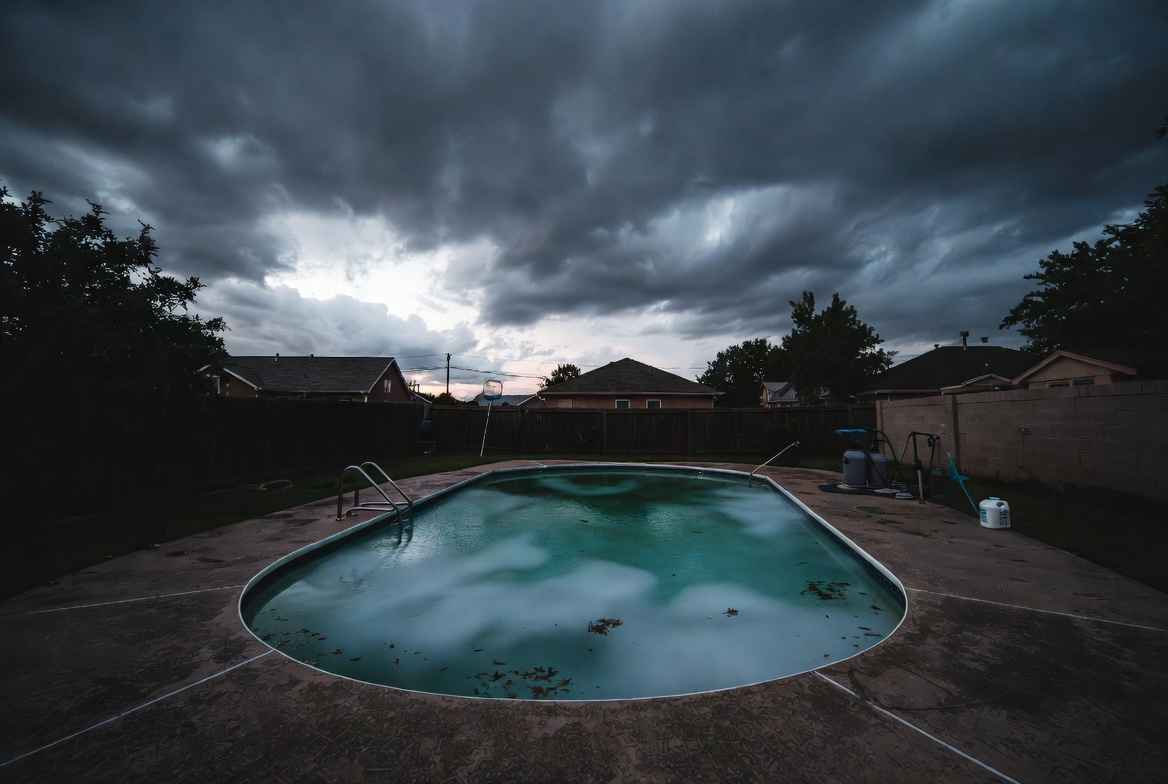
Pool maintenance after storm events in North Texas is basically a part-time job during the spring. If you live in Frisco, Plano, or McKinney, you know the drill: one minute it’s 85 degrees and sunny, and the next, a wall of gray clouds is dropping two inches of rain and golf-ball-sized hail on your backyard. It’s frustrating. You worked hard to get that water balanced, and now it looks like a tea-colored mess.
But here is the deal—what you do in the 24 hours following a big blow determines whether you spend $50 on extra chlorine or $500 on a professional “green-to-clean” recovery. Mastering pool care after heavy rain Texas style is all about speed and safety.
North Texas Storms Hit Pools Hard — Here’s How to Recover Fast
DFW experiences some of the most intense severe thunderstorms, hail, and straight-line winds in the country between March and October. Every major event is a chemistry reset button. A two-inch rainstorm on a 15,000-gallon pool adds roughly 1,000 gallons of untreated, slightly acidic water. According to Weather forecasts, our region is prone to “weather whiplash” that can crash your chlorine levels in hours. Fast action prevents those tiny algae spores from turning into a full-blown infestation.
Post-Storm Pool Checklist — Do This Within 24 Hours
Don’t wait for the water to turn cloudy. Follow these seven steps for effective pool maintenance after storm damage:
- Retest within 48 Hours: Once the filter has cleared the turbidity, run a full panel. You’ll likely need to add salt (if applicable) and stabilizer (CYA).
- Safety First: Do not approach the pool if you see downed power lines or if the equipment pad is submerged. If you smell gas near your heater, turn off the supply and call a pro immediately.
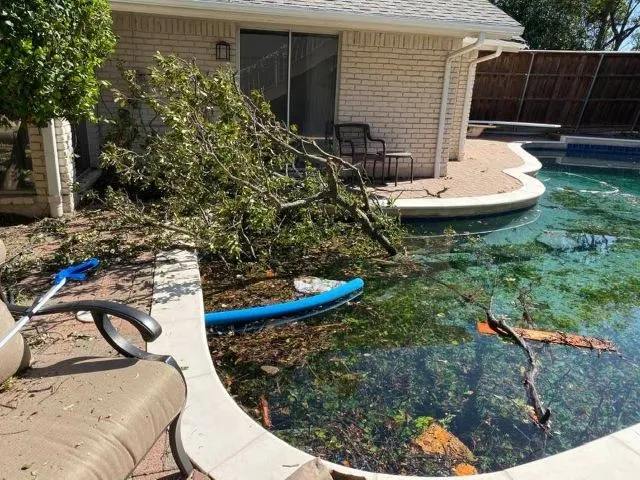
- Remove Large Debris: Use a leaf net to lift out branches and mulch. Do not rely on your robotic cleaner for this—heavy branches can tear the internal bags or jam the motor.
- Check the Baskets: Empty your skimmer and pump baskets. If they are packed with North Texas oak pollen or leaves, the pump will cavitate, starving for water and potentially melting the PVC fittings.
- Test Chemistry Immediately: Rain is naturally acidic. It will drop your pH and alkalinity, which can Department of Energy damage your copper heat exchanger if left uncorrected.
- The Big Shock: Don’t wait for a test to show 0 ppm chlorine. If the rain was heavy, pool care after heavy rain Texas requires an immediate “break-point” shock with liquid chlorine to kill pathogens introduced by runoff.
- Continuous Filtration: Run your pump for 24–48 hours straight. Moving water is much harder to turn green than still water.
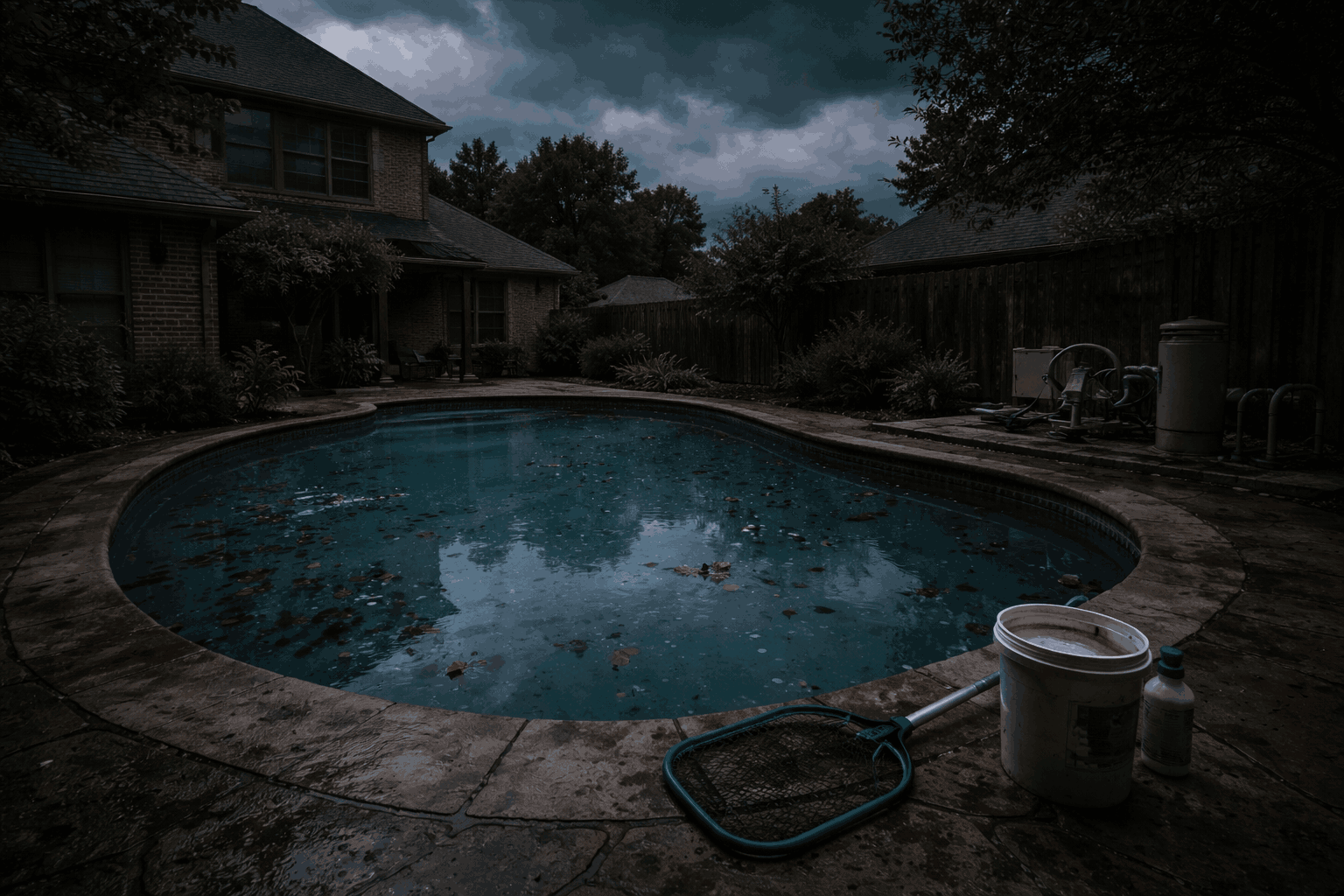
After Hail — Special Concerns for DFW Pool Owners
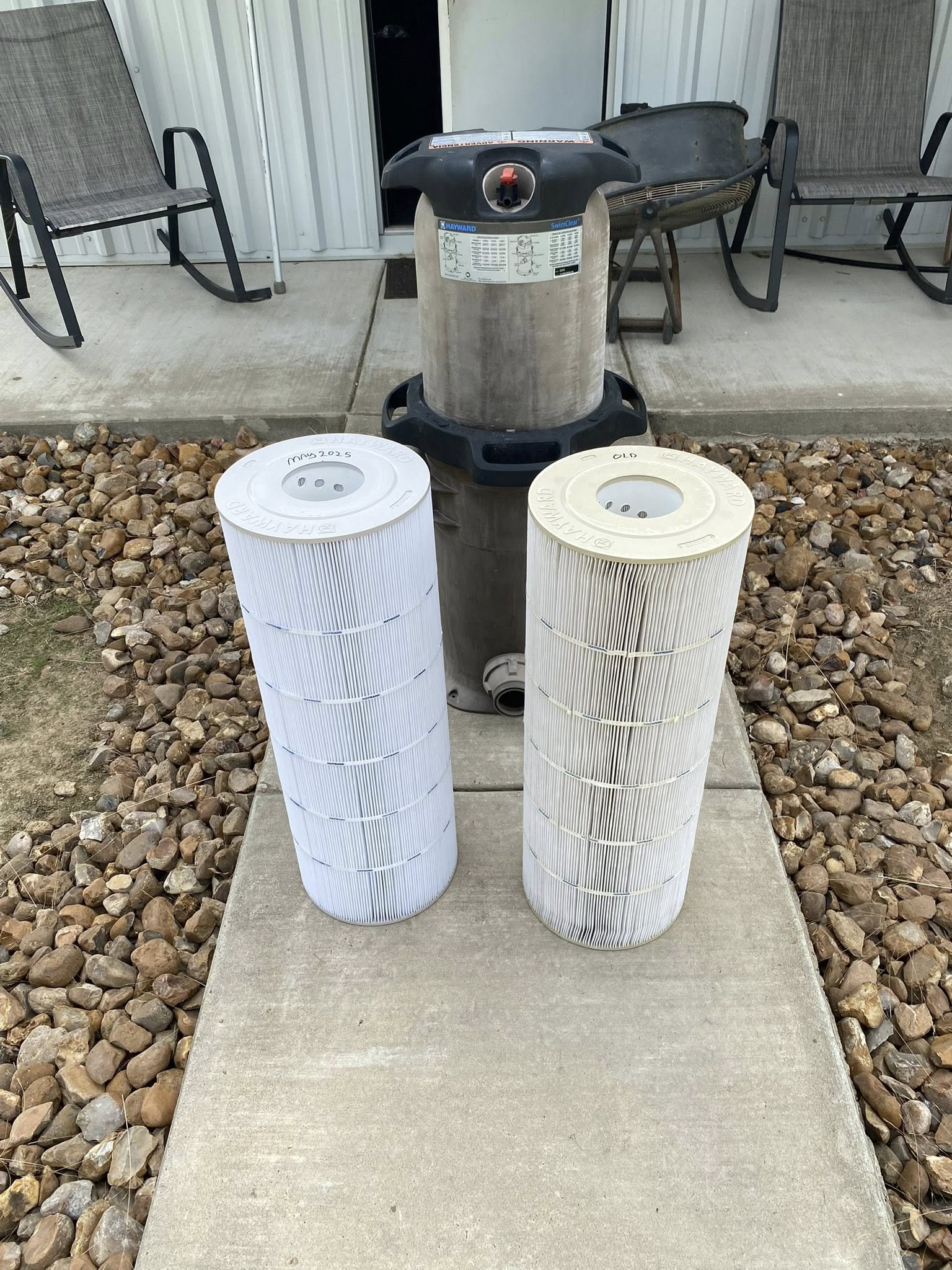
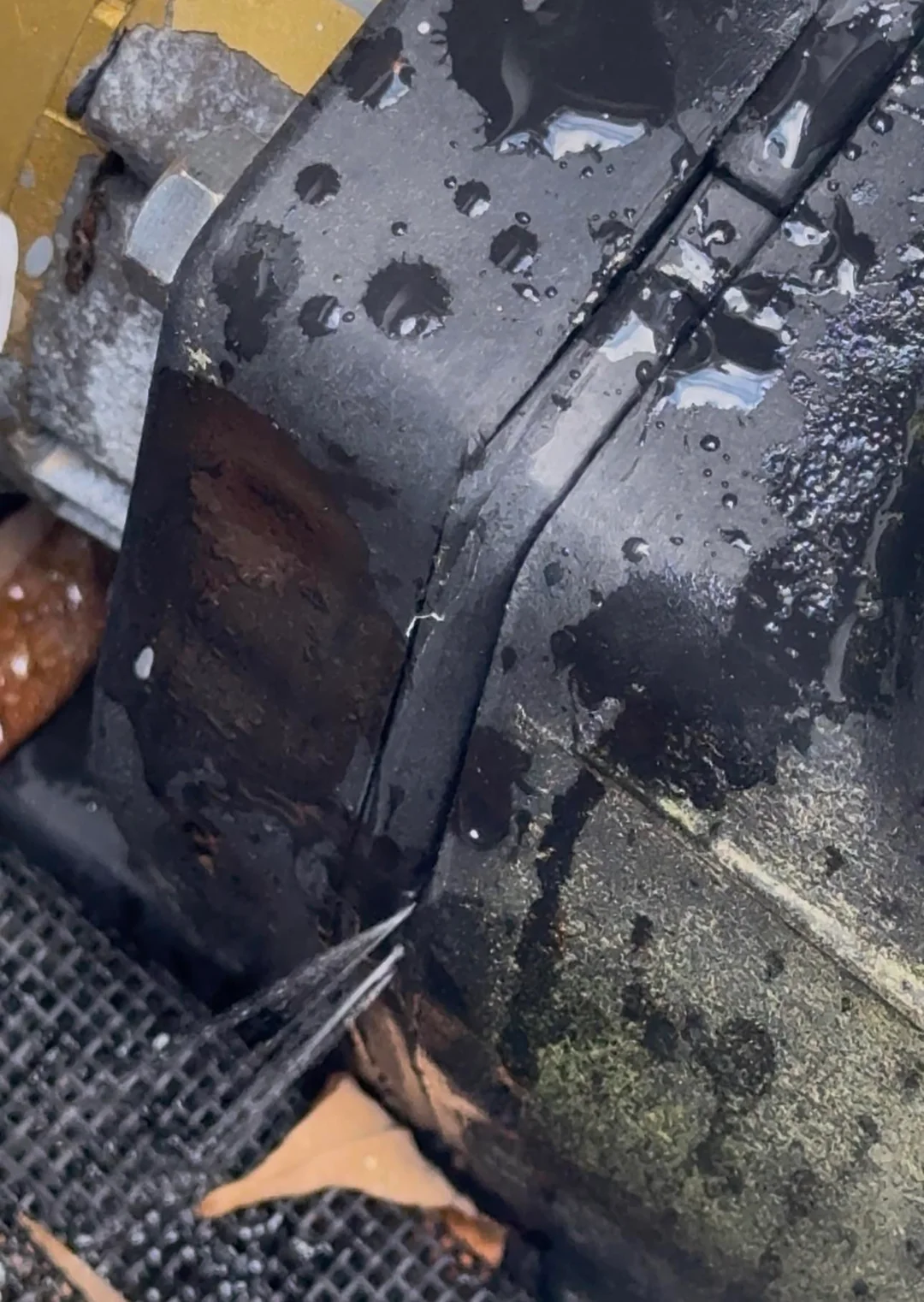
Hail is the silent equipment killer. While you’re checking your roof, don’t forget the equipment pad. Large hail can crack the plastic lids on your Pentair filter or dent the delicate fins on your heat pump. If you have solar panels on the roof, check them for “starburst” cracks that lead to internal cell delamination. Document every dent and crack with photos immediately; the Texas Department of Insurance suggests filing claims quickly before the “storm chasers” clog the system.
After High Winds — Tree and Debris Damage
DFW’s straight-line winds can toss patio furniture right into the deep end. If branches are in the pool, lift them straight out. Dragging them along the bottom can scratch your plaster or tear a vinyl liner. If a tree has fallen on your electrical equipment, stay away. Call a tree service and a pool professional to coordinate a safe removal. Your filter will likely need cleaning 2-3 times this week because of the excessive fine silt and organics wind brings in.
After Flooding — When Water Surrounds Your Pool Area
If runoff from your yard or a neighbor’s lawn entered the pool, the water is contaminated. Floodwater often carries sewage, fertilizers, and dangerous bacteria. According to the CDC, you should not swim until the water is professionally tested and triple-shocked. Also, check for structural “weeping”—cracks in the plaster or deck shifting caused by the saturated DFW clay soil.

People Also Ask
What should I do to my pool after a storm?
Focus on the 3 C’s: Clean the debris, Check the equipment, and Correct the chemistry with a heavy shock dose.
Does rain ruin pool chemistry?
Yes. It dilutes sanitizer and introduces organic “food” for algae. It also usually drops pH and alkalinity, making the water corrosive.
Can hail damage my pool equipment?
Absolutely. It can crack filter housings, shatter automation screens, and damage solar panels or heater coils.
How long should I run my pump after a storm?
We recommend at least 24–48 hours of continuous circulation to ensure all chemicals are mixed and the filter has a chance to pull out fine silt.
Should I shock my pool after heavy rain?
Yes. It is better to “over-chlorinate” for 24 hours than to fight an algae bloom for two weeks.
Can I swim in my pool after a thunderstorm?
Not immediately. Wait until you have verified the chemistry is safe and the water is clear of debris and bacteria from runoff.
PoolBurg’s Post-Storm Pool Recovery — We Respond Fast After DFW Storms
At PoolBurg, we are the “Guardians” of your swim-ready water. We know that North Texas storms don’t wait for your scheduled service day. That is why we offer emergency post-storm assessments and equipment inspections across 17 cities. We’ll handle the heavy debris and the complex chemistry recovery so you can get back to relaxing.
Storm just hit? Call PoolBurg for post-storm pool recovery — we’ll get your pool back to safe and clear.