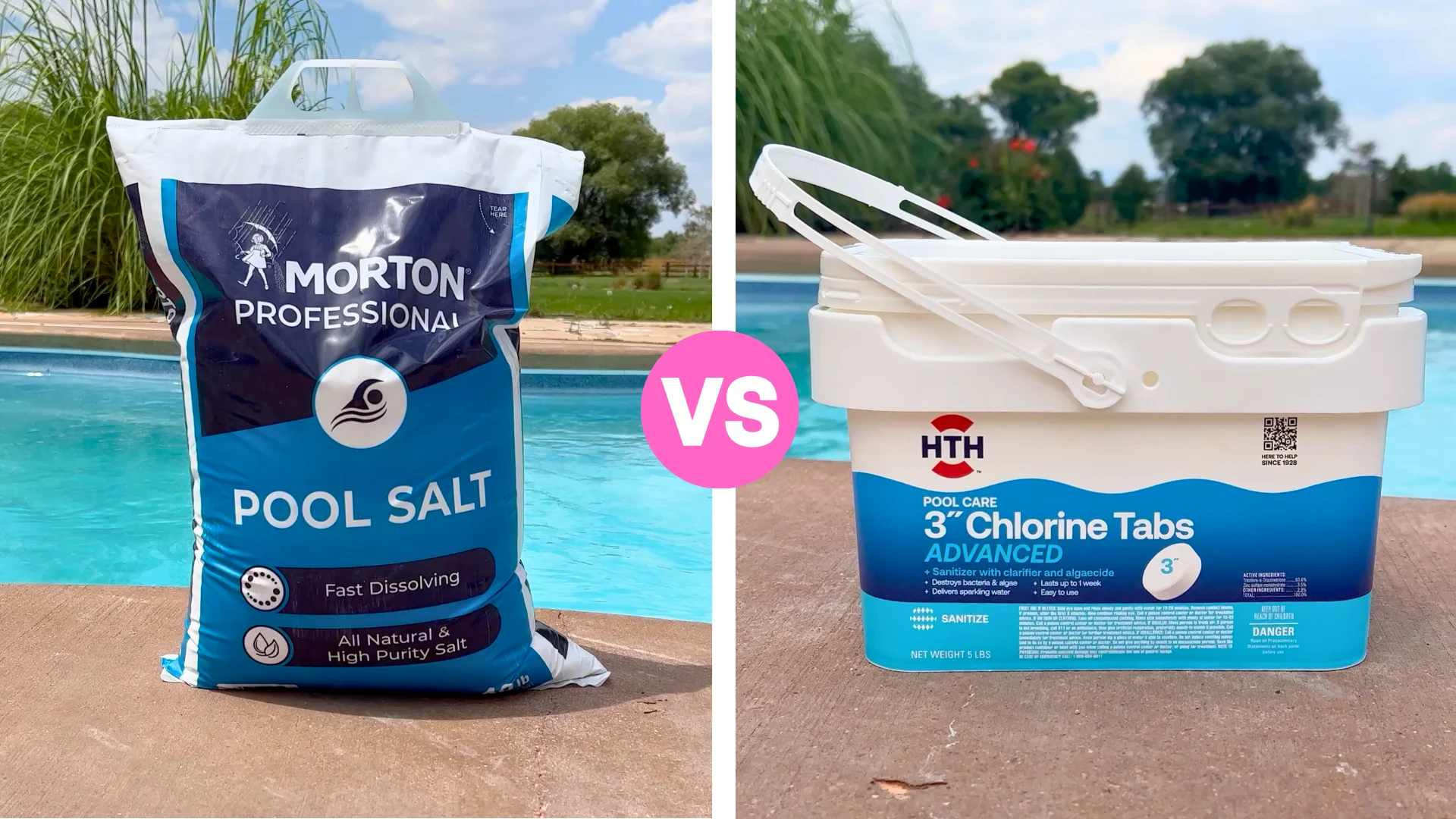
Salt water pool vs chlorine is the single most debated topic at backyard barbecues from Frisco to Plano. If you’re building a new oasis or tired of hauling heavy buckets of tabs, you’ve definitely wondered which is better salt water or chlorine. There’s no one-size-fits-all answer, especially in North Texas where our water is essentially “liquid rock.” Our regional conditions—think 105-degree August days and high calcium levels—change the math. This guide breaks down the salt water pool vs chlorine choice with unvarnished facts so you can decide what fits your lifestyle.
The Great Pool Debate — Chlorine or Salt Water?
Every DFW homeowner hits this fork in the road eventually. The choice between a salt water pool vs chlorine isn’t just about the water; it’s about how much time you want to spend with a test kit in your hand.
In our neck of the woods, your pool has to fight three things: intense UV rays, shifting clay soil, and hard water. When comparing a salt water pool vs chlorine, you have to look at how each system handles these local bullies. We see both systems every day, and honestly, both can produce a stunning swim if they’re managed by a “Guardian.”
How Each System Works (Quick Overview)
Traditional Chlorine Pool
You add the sanitizer yourself. Whether it’s liquid, granular, or slow-dissolve tablets, you are the one putting the chemicals in. It’s a simple, manual process that has worked for decades. If the water looks dull, you throw in a shock treatment and it’s fixed.
Salt Water Pool
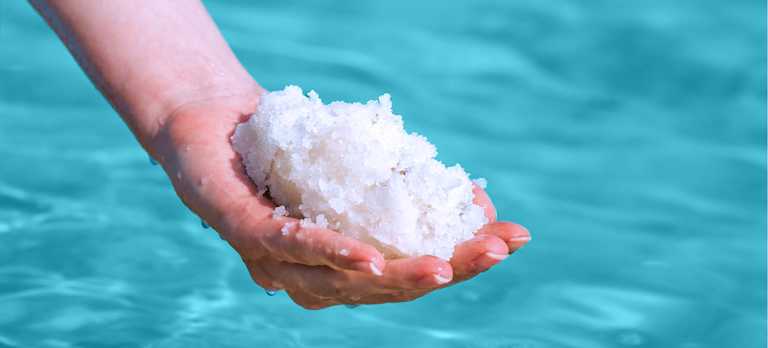
You add bags of pool-grade salt to the water. A salt chlorine generator then uses electrolysis to turn that salt into pure chlorine. The biggest myth we hear is that salt pools are “chlorine-free.” They aren’t. They just make their own chlorine on-site. When looking at a salt water pool vs chlorine, remember that the end result is still chlorinated water—the delivery method is just more high-tech.
Head-to-Head Comparison for DFW Conditions
Water Feel
When it comes to the salt water pool vs chlorine feel, salt is the winner. It has a silkier, softer quality that is much easier on your skin and eyes. If you have family members with chlorine sensitivity, the salt water pool vs chlorine debate ends here—salt is nearly always preferred for comfort.
Maintenance Effort
A salt water pool vs chlorine setup offers a “set it and forget it” appeal. The generator makes chlorine automatically while the pump runs. However, in DFW, our hard water causes calcium to build up on the salt cell plates. You’ll need to perform an acid wash on that cell every few months, or the system stops working. According to the WQA, Texas tap water often exceeds 300 ppm of calcium, which is a major factor in the salt water pool vs chlorine maintenance battle.
Cost Comparison for DFW
Installing a salt system adds $1,500 to $3,500 to your build or remodel. You’ll save about $50 a month on chlorine purchases, but you have to replace the salt cell every 3 to 5 years for $300 to $800. For most North Texas owners, the annual cost of a salt water pool vs chlorine ends up being about the same. You just spend the money differently.
Impact on Equipment and Surfaces
Salt can be more corrosive to metal ladders and stone. In a salt water pool vs chlorine comparison, traditional chlorine is slightly gentler on your heater and light fixtures. Both systems, however, struggle with DFW’s hard water pools scaling. It’s a tie here—you need to manage your Langelier Saturation Index (LSI) regardless of the system.
PoolBurg’s Honest Recommendation for DFW
If you value a luxury feel and hate handling chlorine tabs, go with salt. If you want a simple, bulletproof system that works even during a power outage, stick with traditional chlorine. If you are already on our weekly pool service, either choice works great because we handle the chemistry headaches for you. The “best” salt water pool vs chlorine option is whichever one stays balanced.
Converting Between Systems in DFW
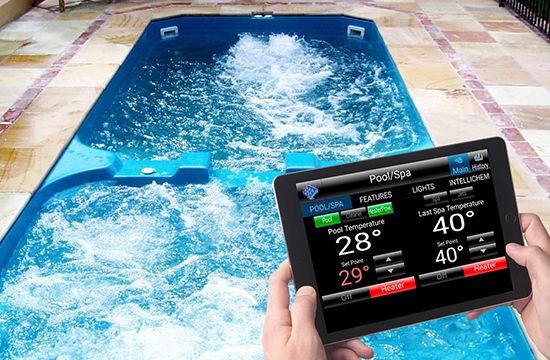
Switching from a traditional salt water pool vs chlorine setup is easier than you think. A conversion typically takes one day and involves installing a generator in your plumbing and adding a few hundred pounds of salt. Most modern automation systems can be retrofitted to control the new generator from your phone.
People Also Ask
Is a salt water pool better than chlorine in Texas?
It’s better for skin comfort, but it requires more attention to pH levels and salt cell descaling due to our hard water.
Is a salt water pool actually chlorine-free?
No. It uses salt to generate chlorine on-site. It’s just a different way of sanitizing the water.
Which is cheaper to maintain — salt water or chlorine?
Monthly chemicals are cheaper for salt, but equipment replacement costs make them roughly equal over 5 years.
Does hard water make salt pools harder to maintain?
Yes. High calcium in DFW water can “scale up” a salt cell in 60 days if the pH isn’t kept between 7.2 and 7.4.
Can I convert my chlorine pool to salt water?
Absolutely. It requires a generator kit and an electrical connection, but no major demolition is needed.
Do salt water pools damage equipment faster?
They can corrode low-grade metals or soft stone if you don’t use a zinc anode to protect your gear.
PoolBurg Maintains Both Systems Expertly Across DFW
Whether you land on a salt water pool vs chlorine or decide on a hybrid AOP system, we are the guardians of your North Texas water. We know how to prevent salt cell failure and how to keep your chlorine levels rock-steady during a 100-degree heatwave.
Not sure which system is right for you? PoolBurg gives honest advice — schedule a free consultation.