At first glance, a pool cover sagging might look like a harmless backyard problem. It is easy to ignore a minor dip in the center. However, when accumulated rainwater, leaves, snow, or a low pool water level continually pull it downward, that sag begins putting serious stress on the cover material, straps, seams, anchors, and potentially the pool structure itself.
The tricky part is that every sagging pool cover does not mean the same thing. Sometimes the fix is simple pool cover water removal. Other times, the cover is loose, the anchors are tired, the water level is wrong, or the material is aging out. Either way, a sag that keeps getting worse deserves attention before the next storm turns it into a bigger mess.
Why Pool Covers Sag
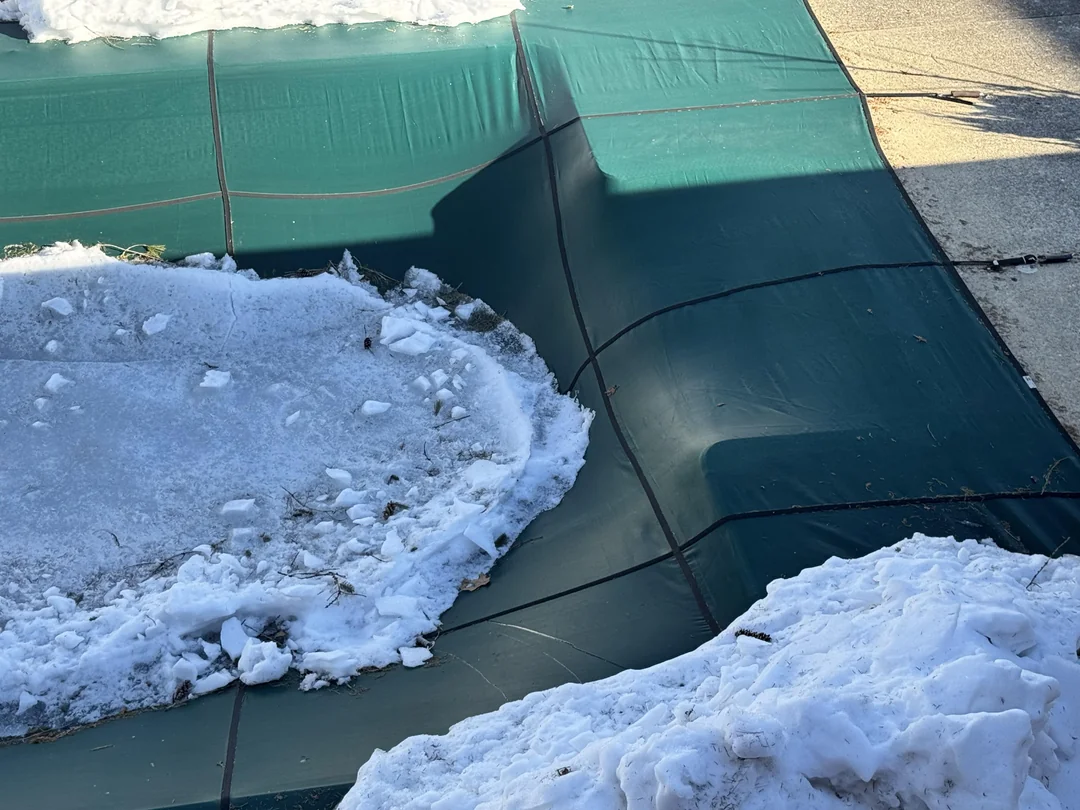
Most pool cover sagging comes down to weight, water, or tension. Standing rainwater is the big one. Water is heavy, and when it sits in the same low spot, it stretches the cover downward. Add leaves, acorns, ice, or wet debris, and the cover has to hold even more weight.
A sagging pool cover can also happen when the pool water underneath is too low. The water below the cover gives it some support. When the level drops too far, the cover has more empty space to fall into. That is why pool winterizing and the correct closing water level matter so much.
Loose straps, worn springs, weak anchors, poor fit, old material, and storm damage can also create sagging. If the cover used to sit tight and now dips heavily, something changed.
Is Some Pool Cover Sagging Normal?
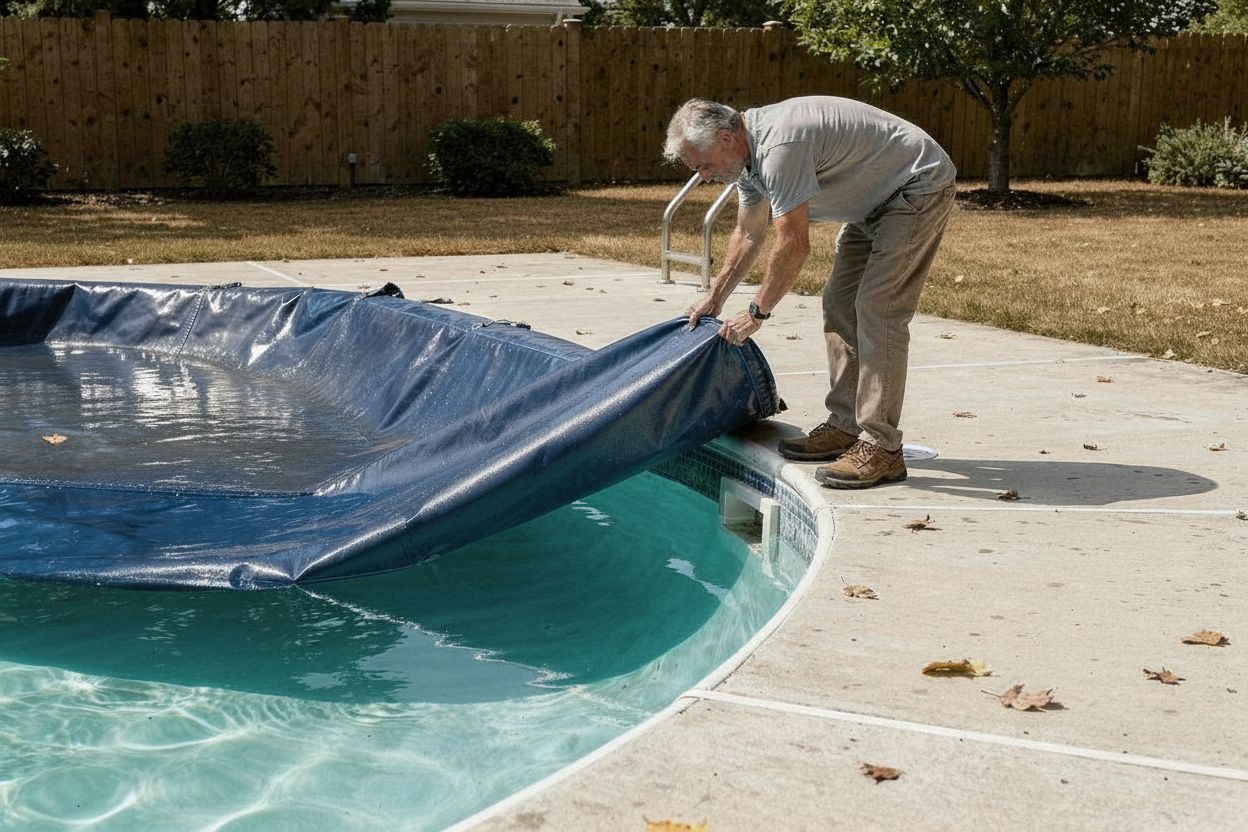
A little movement is normal. Pool covers are not concrete slabs. They flex with rain, wind, and temperature changes. Some safety covers even have a bit of bounce built into the design.
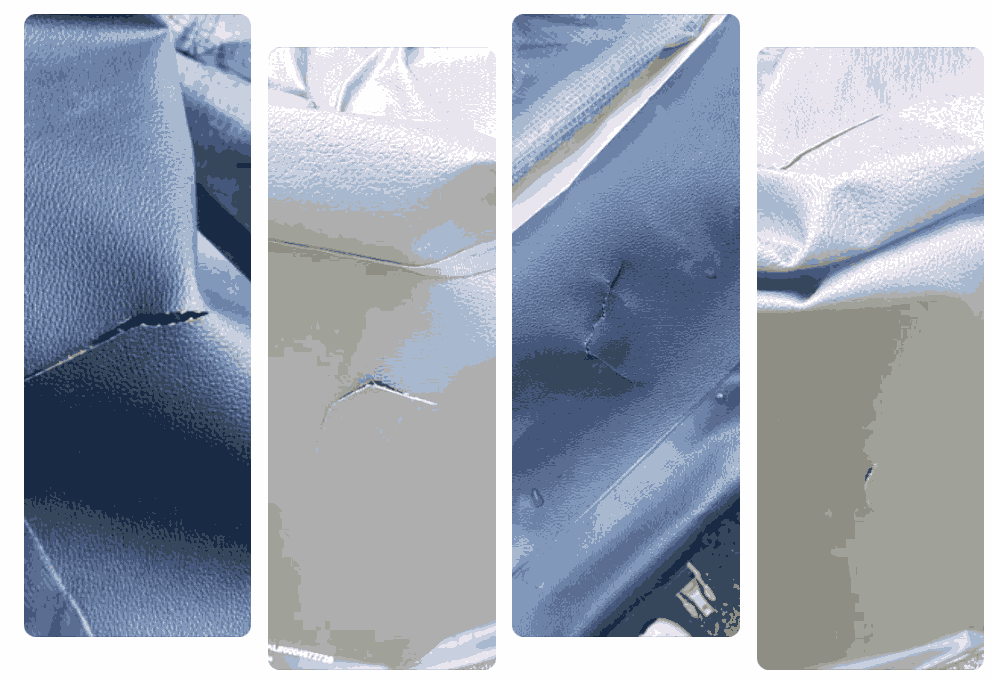
Deep pool cover sagging is different. If the cover is pulling down into the water, dragging across sharp coping, sitting under heavy leaves, or showing strain near the anchors, do not just “wait and see” forever. The longer the cover carries uneven weight, the more likely it is to stretch, tear, or lose its shape.
Why Standing Water Makes Sagging Worse
Pool cover water weight is sneaky because it keeps growing. A small puddle creates a low spot. That low spot catches more rain. Then more water gathers in the same place, pulling the cover even lower. Before long, the cover is sagging deeper than it should.
Standing water also collects dirt, pollen, leaves, and roof runoff. When the cover is opened, that dirty water can spill into the pool and make spring cleanup harder. If your pool cover pump not working, the cover may sag faster after heavy rain because water has nowhere to go.
There is also a pest angle. Stagnant water can attract mosquitoes, especially when leaves and organic debris sit long enough to turn the puddle into a little swamp. Nobody wants that right next to the patio.
Pool Cover Types and Sagging
Solid covers are the most likely to collect standing water because they block water from draining through. That is good for keeping dirty water out of the pool, but it also means you need a working pump and routine pool cover maintenance.
Mesh covers allow water to pass through, so they usually do not hold big puddles the same way. They can still sag if debris builds up, the pool water level is too low, or the springs and anchors are not set correctly. Automatic covers need careful water management too. Too much automatic pool cover water can strain the fabric and track system.
Safety covers depend on proper tension. If straps loosen, anchors shift, or springs wear out, the cover may start drooping even without a huge amount of water on top.
How to Prevent Pool Cover Sagging
The best prevention is boring but effective: keep weight off the cover. Remove water regularly, clear leaves before they mat down, and do not let branches, ice chunks, toys, or heavy debris sit for weeks.
Also keep the pool water level where it belongs for your specific cover type. Too high can create its own problems. Too low can remove support from the cover. If you are not sure, check your cover instructions or have PoolBurg look at it before storms or winter weather roll in.
You should also inspect anchors, straps, springs, fabric edges, and seams. If sagging keeps coming back after you remove water, the issue may be tension, fit, age, or a cover support problem rather than just rainwater.
People Also Ask
Why is my pool cover sagging?
Pool cover sagging usually happens because of standing water, heavy debris, low pool water level, loose straps, weak anchors, poor fit, or aging cover material.
Should a pool cover touch the water?
Some covers may lightly touch the water, but deep sagging or a cover pulling hard into the pool should be checked. The correct water level depends on the cover type.
Can water damage a pool cover?
Yes. Standing water adds weight, stretches the cover, strains anchors, and can pull dirty water into the pool when the cover is removed.
How do I tighten a sagging pool cover?
You may need to remove water and debris first, then inspect straps, springs, anchors, and fit. Do not overtighten blindly if the cover is damaged or heavily loaded.
Can leaves make a pool cover fail?
Yes. Wet leaves become heavy, trap moisture, and add stress to the cover. They can also make pool opening messier.
When should a pool cover be replaced?
Replacement may be needed if the cover is torn, stretched out, brittle, poorly fitting, or sagging even after water removal and proper adjustment.
PoolBurg Can Help Stop Cover Sagging Before It Gets Worse
In Garland, Mesquite, Wylie, Plano, Carrollton, Farmers Branch, and The Colony, a round of heavy rain can turn a small dip into a real cover issue fast. Pool covers can reduce evaporation and heat loss, but they still need care to keep working well. PoolBurg can inspect sagging covers, remove water safely, check the support system, and help you avoid a messy pool opening after winter storm. If the cover is sagging now, it is better to fix the reason than wait for the next storm to test it.