While it might seem like a minor technicality, pool return jet direction is actually a critical factor in maintaining a clean pool. You may not think much about it until you witness surface debris drifting right past the skimmer, pollen accumulating in stagnant corners, or cloudy spots appearing despite consistent pump operation. In those moments, the specific angle of your eyeball fittings becomes a significant priority for effective pool circulation.
The short answer is this: most pools do best when the return jets are angled slightly downward and slightly to one side so the water moves in a gentle circular pattern. But there is no one magic angle for every pool. Pool shape, skimmer location, pump speed, wind, trees, and even how many return jets you have can change the best setup.
Why Pool Return Jet Direction Matters
Pool return jet direction controls how filtered water re-enters the pool. Those jets help move chemicals, push floating debris, reduce stagnant areas, and keep water from sitting still in corners. When they are aimed badly, the pool may still “look” like it is circulating, but the water can move in lazy pockets instead of a useful pattern.
Good circulation matters because sanitizer and pH only help when the water is being mixed well. The CDC reminds pool owners to regularly test and adjust chlorine and pH because both affect swimmer comfort and water safety. Direction does not replace testing, but it helps the pool use that balanced water more evenly.
Which Way Should Pool Return Jets Point?
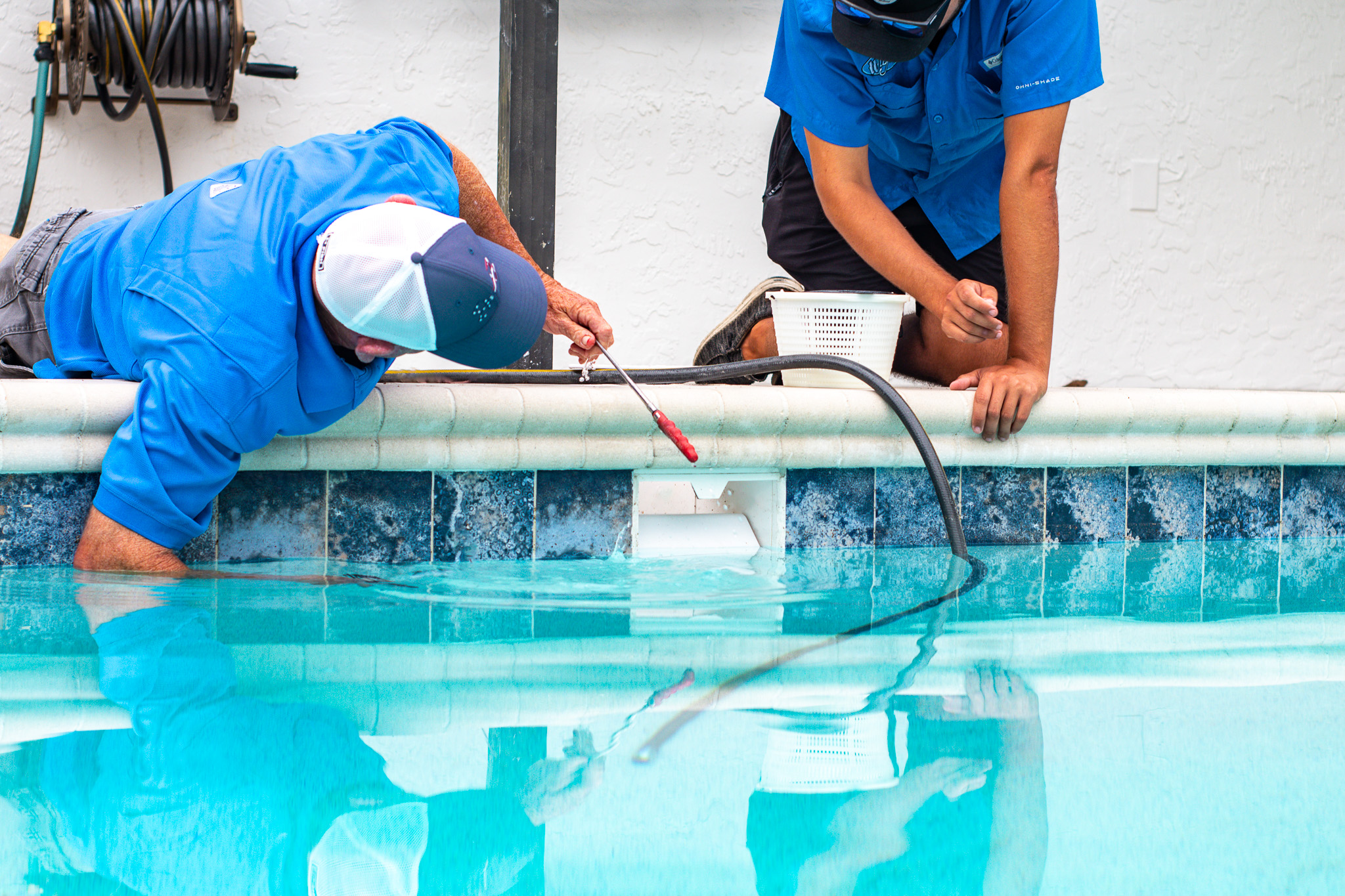
A practical starting point for pool return jet direction is slightly down and slightly sideways. Think of it like giving the water a slow spin, not blasting it straight across the pool. If you have multiple jets, point them in the same general direction so they work together instead of fighting each other.
Slightly downward helps mix deeper water instead of only moving the surface. Angling to the side helps create a pool circulation pattern that carries surface debris toward the skimmer. Avoid pointing every jet straight up. A small ripple is fine, especially if it helps you see movement, but constant splashing can waste energy, increase aeration, and sometimes make pH harder to manage.
For a simple test, drop a few leaves or small floating bits on the surface and watch where they travel. If they eventually pass the skimmer, your pool return jet direction is probably close. If they spin away from the skimmer or get trapped in one corner, adjust again.
Signs Your Return Jets Are Pointed Wrong
Your pool may need a return adjustment if you keep seeing the same annoying patterns:
- Debris collects in one corner and never reaches the skimmer.
- Leaves float past the skimmer opening instead of being pulled in.
- Dust, pollen, or algae keeps showing up in the same pool dead spots.
- The pool cleaner gets pushed off its normal route.
- Chemicals seem slow to spread after brushing or dosing.
- Some areas feel still while others have plenty of movement.
How Return Jets Affect Skimming
Skimmers are built to remove floating debris, but they need help from circulation. The return jets should encourage surface movement toward the skimmer, not shove debris away from it. This is where “where to point pool return jets” becomes less about up versus down and more about the overall path of the water.
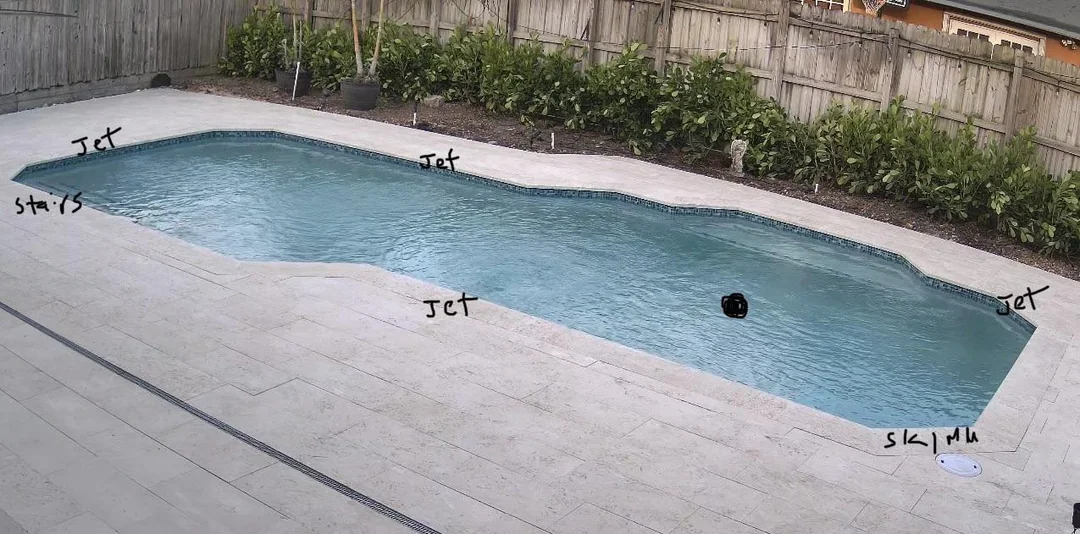
In a rectangular pool, one smooth clockwise or counterclockwise pattern often works well. In a kidney-shaped or freeform pool, you may need to aim one jet a little differently to stop a stubborn corner from turning into a leaf parking lot. If your pool has stairs, benches, tanning ledges, or deep curves, those features can create small dead zones too.
Return Jets, Pump Speed, and Filter Flow
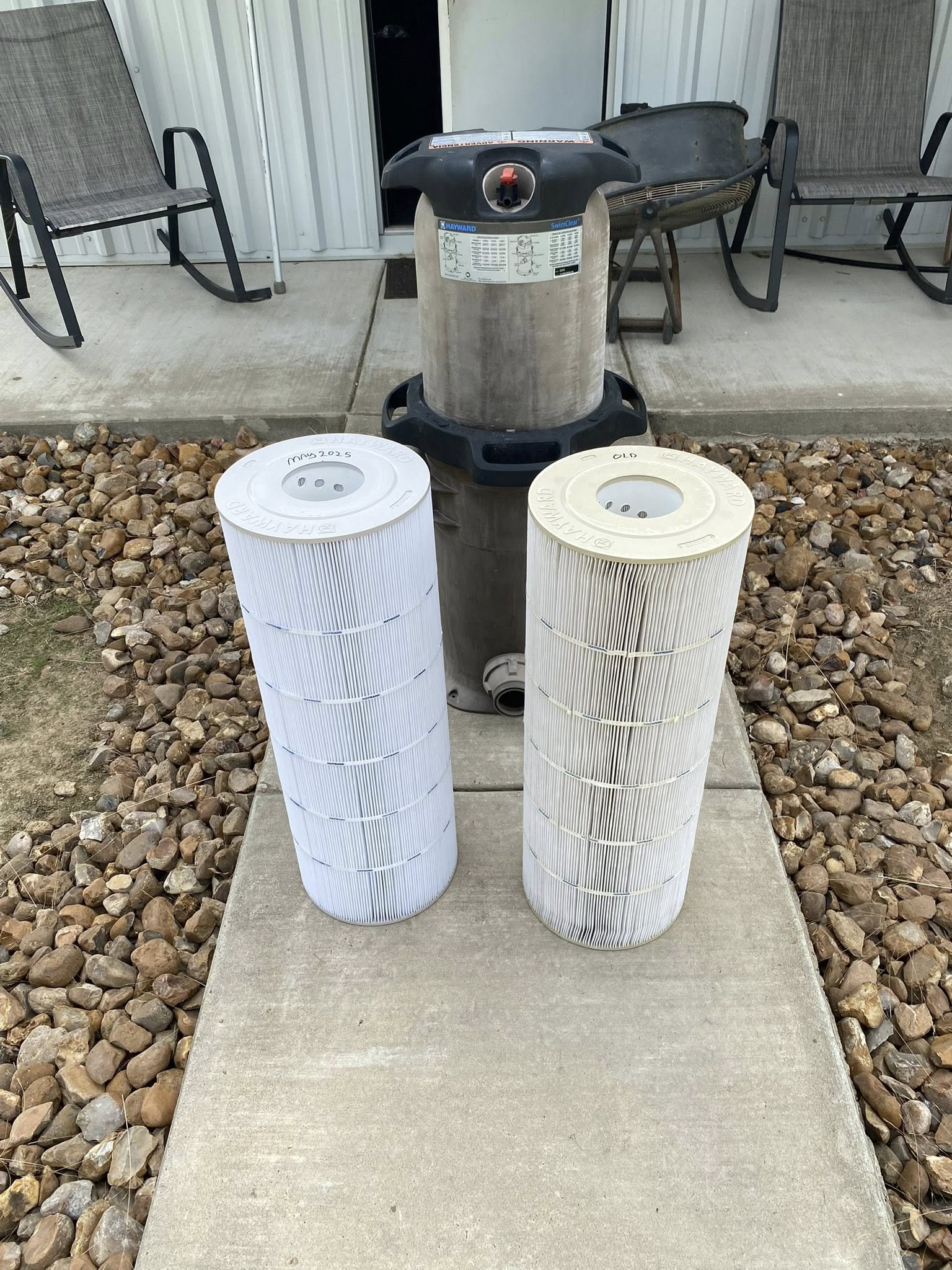
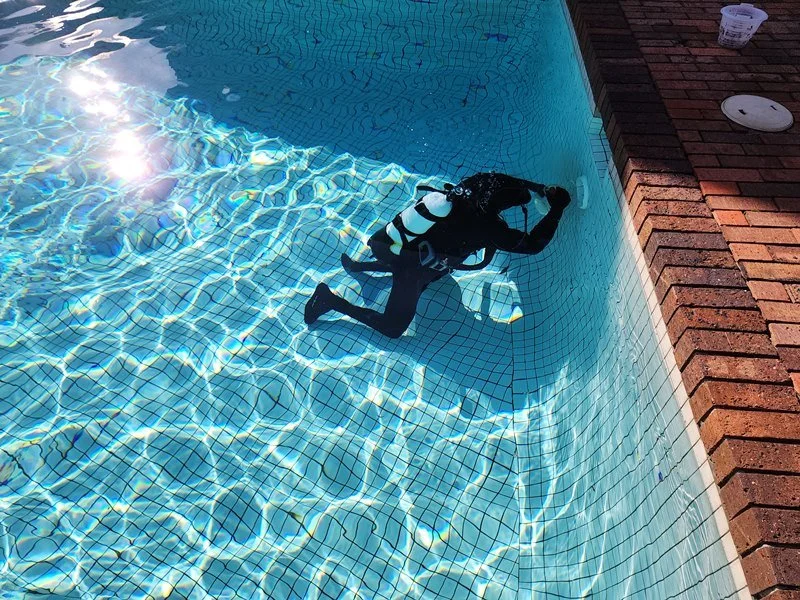
Pool return jet direction only works if the pool has enough flow behind it. If you have weak pool return jets, the angle may not be the real problem. Dirty filters, full skimmer baskets, low water level, air leaks, clogged impellers, and low pump speeds can all make returns feel soft.
This is especially true with variable-speed pumps. ENERGY STAR notes that variable-speed pumps can run at different speeds for different pool operations. That is great for saving energy, but if the pump schedule is too low during heavy pollen, leaves, or chemical treatment, the circulation pattern may not be strong enough to keep the pool moving well.
Before blaming the fittings, check the basics: clean baskets, normal filter pressure, correct valves, good water level, and no air in the pump basket. If all of that looks fine, then adjust the pool return jet direction in small steps and watch how the water behaves over a full pump cycle.
The PoolBurg Way to Dial In Circulation
For homeowners in Frisco, Plano, McKinney, Allen, Lewisville, The Colony, Wylie, and Prosper, return jet adjustment is not just a “nice little tweak.” North Texas pools deal with dust, pollen, leaves, wind, and quick weather swings, so small circulation problems can turn into cloudy water fast.
PoolBurg can adjust pool return jet direction during service, check whether weak pool return jets are really a flow issue, and help make sure debris is moving toward the skimmer instead of hanging out in dead spots. Sometimes the fix is a gentle twist of the eyeball fitting. Other times, the pool is telling you the filter, pump, or suction side needs attention.
People Also Ask
Which way should pool return jets point?
Most pools do well with return jets pointed slightly downward and slightly to one side. The goal is to create a circular pool circulation pattern that moves water through the whole pool and helps surface debris reach the skimmer.
Should pool jets point up or down?
Slightly down is a good starting point for deeper mixing. A slight upward angle can help surface skimming in some pools, but too much upward splash can create wasted turbulence.
Can return jets help skimming?
Yes. The right pool return jet direction can guide surface debris toward the skimmer instead of letting it collect in corners.
Why is debris collecting in one corner?
Debris collecting in one corner usually means poor circulation, bad jet direction, wind influence, weak flow, or a dead spot caused by the pool shape.
Can return jets cause cloudy water?
Badly aimed jets do not usually cause cloudy water alone, but poor circulation can make cloudy water harder to clear because chemicals and filtered water are not moving evenly.
How do I improve pool circulation?
Adjust the jets, clean baskets, check filter pressure, brush dead spots, confirm pump speed, and make sure the skimmer is pulling properly.
Conclusion
If your pool keeps collecting debris in the same areas, your return jets may need a better setup. PoolBurg can check pool return jet direction, pump flow, skimmer pull, and filter pressure so water moves the way it should. Schedule service and let the pool work with you, not against you.