The ideal salt cell cleaning frequency is rarely a one-size-fits-all schedule. While some saltwater systems can navigate an entire swim season with a simple check-up, others – particularly those in regions with high calcium hardness – might develop white crusty scale on the plates in just a few weeks. Determining the right moment for maintenance is essential, as over-cleaning can be just as detrimental to the life of the cell as neglecting scale buildup entirely.
What Salt Cell Cleaning Frequency Really Depends On
A salt cell makes chlorine by moving salty pool water across coated plates. That process is normal, and it is why salt pools still need regular chlorine and pH testing. But those plates can attract calcium scale when pH, alkalinity, calcium hardness, or saturation balance drifts too high. Once the cell gets crusty, chlorine output can drop, the system may show a check-cell warning, or the pool may act like the salt cell not producing chlorine.
For most homeowners, the best salt cell cleaning frequency is not “every Friday” or “once a year no matter what.” A better rule is: inspect regularly and clean only when scale is actually present or when the manufacturer warning makes sense after testing the water.

How Often Should a Salt Cell Be Cleaned?
A good starting point is to inspect the cell every one to three months during swim season. Some pools with soft water and steady chemistry may only need cleaning once or twice a year. Pools with high pH, hard fill water, high calcium hardness, or constant evaporation may need attention more often.
That said, cleaning every two or three weeks is usually a sign that something else is off. The cell may not be the real problem. The water may be scaling aggressively, the pH may be climbing too fast, or calcium may be building up because the pool is out of balance. In North Texas, where fill water can be hard and summer evaporation is no joke, salt cell maintenance should always include water balance, not just acid washing.
Signs Your Salt Cell Needs Cleaning
Your pool will usually give you clues before the cell becomes a total headache. Watch for:
- A check cell or inspect cell warning on the salt system
- White flakes coming from the returns
- Visible white crust on the cell plates
- Saltwater pool low chlorine even though the system is running
- Cloudy water or algae trying to return
- A cell that looks scaled when removed and inspected
What Causes Salt Cell Scale?
Salt cell scale is usually a water-balance problem. High pH, high calcium hardness, and high alkalinity can push the water toward scale formation. That is why many pool pros pay attention to the Langelier Saturation Index or similar saturation balance tools instead of looking at one number by itself.
Salt systems can also raise pH over time, which is why saltwater pool pH problems and scale often show up together. If the cell keeps scaling right after cleaning, the answer is usually not more acid cleaning. The answer is better testing, better balance, and sometimes a closer look at the fill water going into the pool.

Why Over-Cleaning a Salt Cell Is a Mistake
Here is where homeowners get into trouble: they see scale once, clean the cell with acid, then make acid cleaning part of the routine forever. That can shorten the life of the cell. Acid can remove scale, yes, but repeated strong acid washing can also be rough on the coated plates that make chlorine.
That is why salt cell cleaning frequency should be based on inspection, not panic. If there is no visible scale, do not clean just to feel productive. Check salt level, chlorine output, pH, calcium, alkalinity, and the system reading first. If the panel says low salt, the pool may actually need salt – or it may be a scaled or aging cell giving a bad reading, which is exactly why a saltwater pool low salt warning should be confirmed before adding bags of salt.
How to Clean a Salt Cell the Smart Way
Always follow your specific manufacturer instructions for systems like Pentair IntelliChlor, Hayward AquaRite, or Jandy salt systems. In general, the safe approach is to turn off power, remove the cell, inspect the plates, rinse away loose debris, and only use a manufacturer-approved cleaning solution when scale is visible.
Never scrape the cell plates with metal tools. Never guess with strong acid. Never clean the cell just because the water is cloudy. A cloudy saltwater pool may have low chlorine, poor circulation, high stabilizer, or filter problems. The cell matters, but it is only one part of the system.
People Also Ask
How often should I clean my salt cell?
Most salt cells should be inspected every one to three months during swim season, but actual cleaning should happen only when scale or a valid system warning points to a dirty cell.
Can I clean a salt cell too often?
Yes. Over-cleaning, especially with acid, can wear the cell faster. Good water balance is better than constant acid washing.
What causes scale on a salt cell?
High pH, high calcium hardness, high alkalinity, hard fill water, and poor saturation balance are common causes of salt cell scale.
Can a dirty salt cell cause low chlorine?
Yes. A dirty or scaled cell may produce less chlorine, which can lead to cloudy water, algae, or a saltwater pool low chlorine problem.
How long does a salt cell last?
Many salt cells last several years, but life depends on runtime, water balance, salt level, cleaning habits, and overall system care.
Should I clean the salt cell myself?
Light inspection and rinsing may be fine for some homeowners, but heavy scale, repeated warnings, or low chlorine should be checked by a pool professional.
PoolBurg Can Help Keep the Cell Clean Without Overdoing It
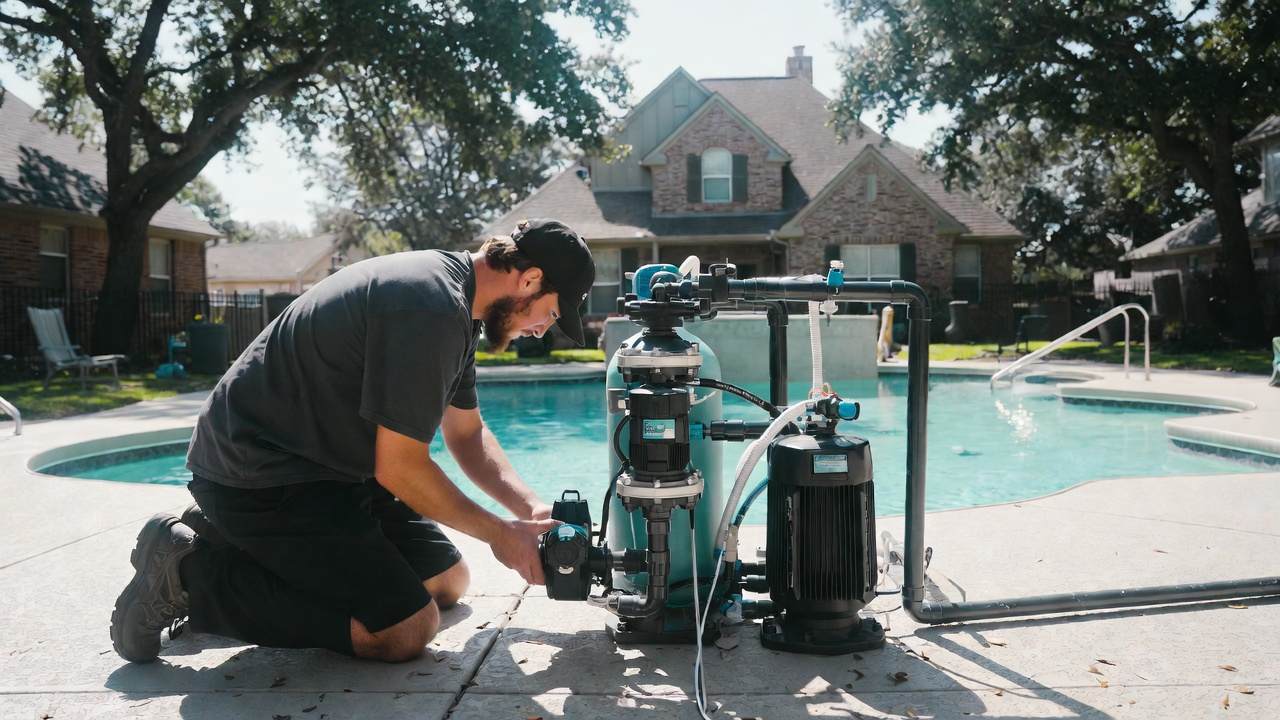
In Frisco, McKinney, Allen, Prosper, Keller, Southlake, and Grapevine, hard water and rising pH can make salt cell cleaning frequency feel like a guessing game. PoolBurg can inspect the cell, check for salt cell scale buildup, test the full water balance, and help prevent scale from coming right back. If your saltwater pool looks cloudy, shows low chlorine, or keeps warning you to check the cell, we can find the actual cause instead of just cleaning the same part over and over.