Salt cell not producing chlorine problems can make a homeowner feel like the whole saltwater system has failed overnight. One day the pool looks fine. Then the control box flashes low salt, the water turns dull, and suddenly you are wondering whether the cell needs cleaning, recalibration or full replacement. The good news is that a salt system not making chlorine is not always a dead cell.
In many Frisco, Allen, McKinney, Prosper, Keller and Wylie pools, the real problem is a mix of salt level, flow, scale, runtime and water chemistry. For a bigger picture of how salt chemistry affects clarity, see PoolBurg’s saltwater pool cloudy water guide.
How a Salt Cell Makes Chlorine
Quick plain-English explanation
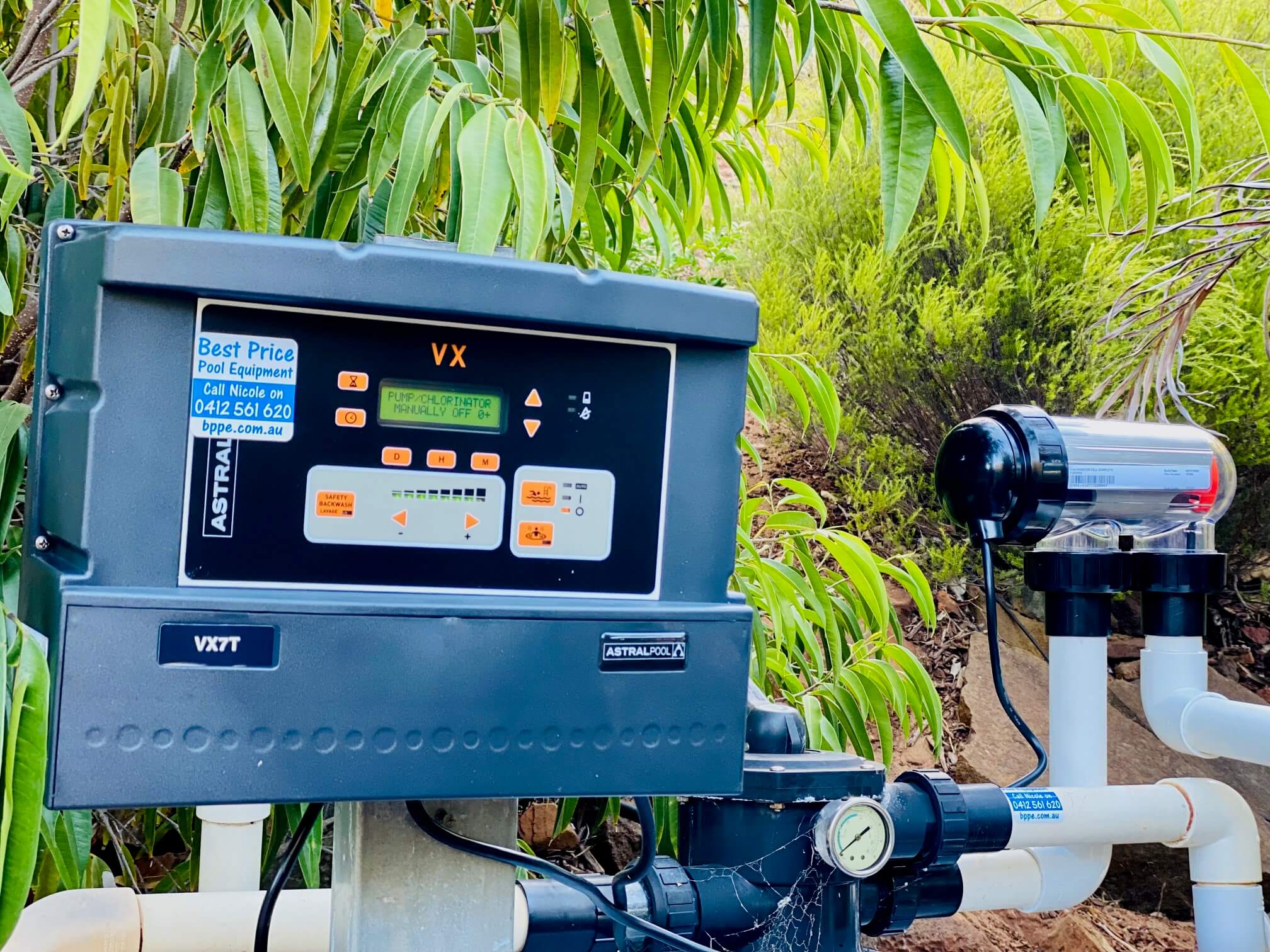
A salt cell passes a low-voltage electrical current through salty pool water. That process turns salt into chlorine sanitizer, then the chlorine gets used up fighting germs, algae, sunlight and organic debris. The salt is not magic powder that keeps the pool clean by itself. It is simply the raw material the generator uses to make chlorine.
Why “saltwater” still means chlorine production
This is where many owners get tripped up. A saltwater pool still needs testing, pH control, stabilizer and filtration. The CDC home pool water treatment guidance recommends maintaining proper chlorine and pH levels because both affect swimmer safety and comfort. PoolBurg’s salt water pool chemicals needed article explains the same simple truth: salt changes how chlorine enters the pool, not whether chlorine matters.
The Most Common Reasons the Cell Stops Producing Properly
Low salt
If the salt level is below the manufacturer’s range, the cell may reduce output or shut chlorine production down. Do not add bags blindly based on one reading, though. Compare the control-panel reading with a reliable salt test, then add salt slowly and allow the pool to circulate before retesting.
Scale on the plates
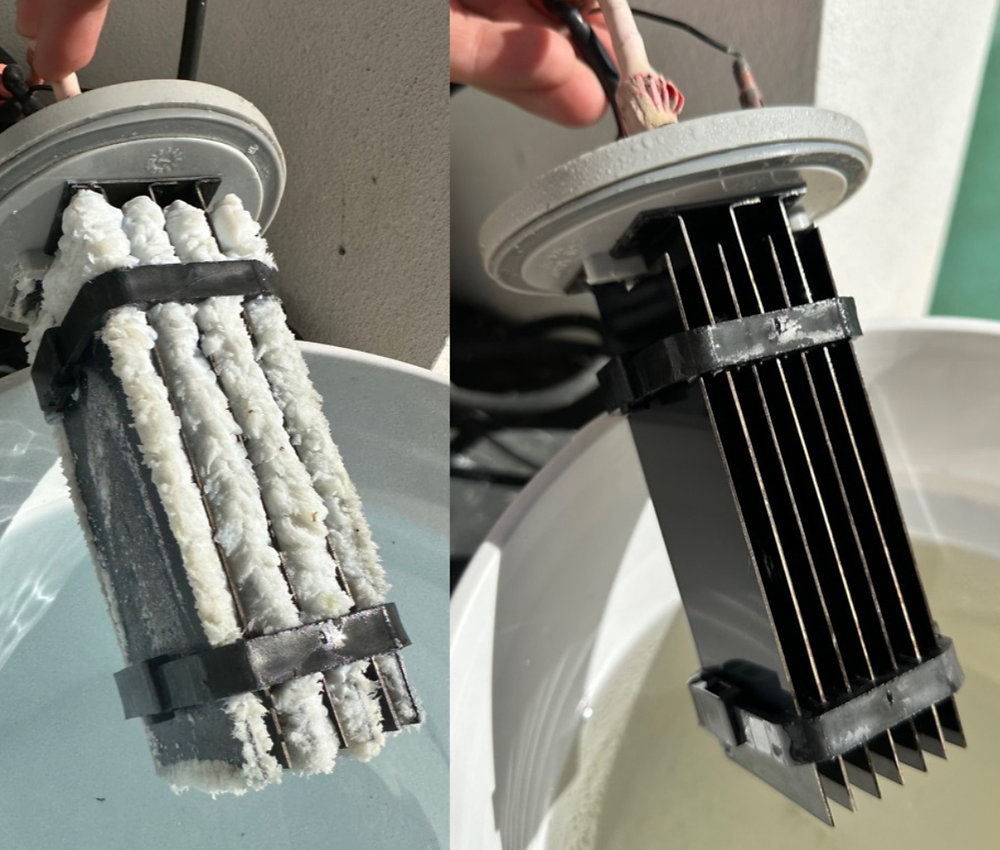
North Texas hard water can leave calcium scale on the cell plates, especially when pH and alkalinity run high. A scaled cell may report low salt, produce weak chlorine or trigger a check-cell warning even when the pool store test looks acceptable.
Low flow
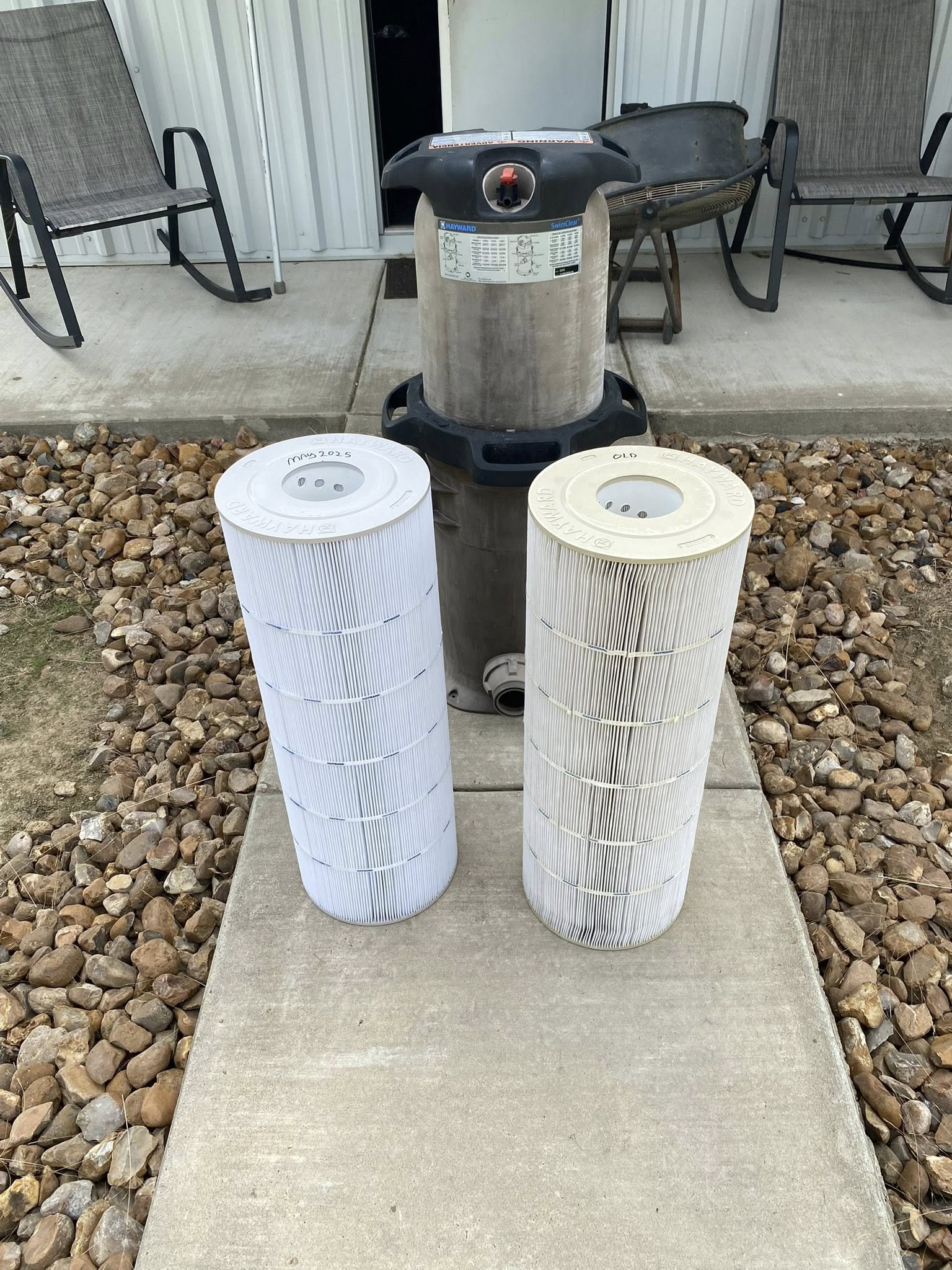
A salt chlorinator needs enough water moving through the cell. A dirty cartridge, clogged basket, weak pump speed, closed valve or flow-switch issue can all make the salt cell not producing chlorine problem look worse than it is. If filter pressure is creeping up, PoolBurg’s pool filter maintenance guide is a good place to start.
Water too cold
Many salt systems slow down or stop producing in cold water. That matters during spring openings and late-season cold snaps. If the pool is still cold, low chlorine in a salt pool may be normal until the water warms up or a temporary chlorine source is used.
Output setting too low or cell age
A cell set at 20 percent for a few hours a day may not keep up with full Texas sun, heavy swimmer load or algae starting in the background. Older cells also lose production capacity. If salt, flow, temperature and chemistry all check out, the cell or sensor may be near the end of its useful life.
Quick Salt Chlorinator Troubleshooting Guide
| Symptom | Likely Direction | Smart Next Step |
| Low-salt warning | Salt may be low or the cell may be scaled | Verify salt with a separate test before adding more |
| Check-cell warning | Scale, debris, age or sensor issue | Inspect and clean only if buildup is visible |
| Low chlorine with no warning | Runtime, CYA, pH, algae demand or output setting | Test water and increase runtime/output if needed |
| Flow warning | Dirty filter, valve issue, air, weak pump speed or sensor fault | Check baskets, filter pressure and flow switch |
What to Inspect Before You Blame the Cell
Test results and runtime
Before replacing anything, test free chlorine, combined chlorine, pH, alkalinity, stabilizer, calcium hardness, salt and water temperature. Low stabilizer can let sunlight burn off new chlorine as fast as the cell makes it. High pH makes chlorine less effective. Short pump runtime can make a good cell look weak.
Filter condition and recent pool load
Rain, parties, leaves, pollen and early algae can create more chlorine demand than the cell can handle. A salt generator is best at maintaining a clean pool. It is not a miracle machine for clearing a green one from zero sanitizer. If the filter is overdue, start with proper cleaning. PoolBurg’s cartridge pool filter cleaning frequency guide explains how pressure and debris change the schedule.
Cleaning the Cell Without Shortening Its Life
When cleaning is needed
Remove power before inspecting the cell and follow the manufacturer’s instructions. The Pentair IntelliChlor guide describes salt chlorine generation and regular free-chlorine monitoring, while the Pentair IntelliChlor Plus cleaning instructions warn against mechanical scraping and excessive acid washing.
Why over-acid washing is a mistake
If there is no visible scale, repeated acid cleaning can do more harm than good by wearing down the cell coating. Clean for a reason, not as a ritual. Always use proper protective gear, add acid to water, and never leave acid in the cell longer than the manual allows.
Repair or Replace
Sensor issue versus dead cell
Sometimes the cell is fine but the system is reading the wrong cell type, struggling with a flow sensor, or showing an outdated average salt reading. The Hayward Aqua Rite product manual and Hayward AquaRite troubleshooting guide both point homeowners toward checking salt, cell condition, settings and warnings before assuming replacement.
How to judge remaining life
If the salt level is correct, water is warm, flow is good, plates are clean, settings are right and the salt cell not producing chlorine issue still remains, replacement becomes more likely. A professional diagnostic can separate a worn cell from a control-board, sensor or chemistry problem.
PoolBurg Helps Diagnose Salt Systems Without Guesswork
If your salt cell not producing chlorine problem keeps coming back, PoolBurg can inspect the cell, verify salt readings, check flow, test chemistry and explain repair versus replacement options clearly. Our weekly pool service can also keep salt systems from drifting into low-chlorine trouble in the first place. Contact PoolBurg to schedule a salt-system diagnostic in Frisco, Allen, McKinney, Prosper, Keller, Wylie and nearby DFW communities.
People Also Ask
Why is my salt cell not producing chlorine?
Usually because of low salt, scale on the plates, low flow, cold water, short runtime, low output settings, poor stabilizer, or a worn cell.
Can a dirty salt cell cause low chlorine?
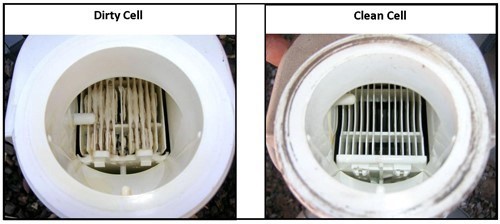
Yes. Scale or debris can interfere with chlorine production and can also confuse the salt reading.
How often should a salt cell be cleaned?
Inspect it regularly and clean only when scale is present. Many systems need inspection every couple of months in hard-water areas.
What salt level should my pool have?
Follow your system manual. Many residential salt systems operate around 2,500 to 3,500 ppm, but the exact range depends on the brand and model.
Can cold weather stop chlorine production?
Yes. Many salt systems reduce or stop output in cold water, so temporary chlorination may be needed until water warms up.
Why is my salt system saying the salt is low?
The salt may actually be low, the cell may be scaled, the wrong cell type may be programmed, or the system may be estimating salt inaccurately.
How long do salt cells usually last?
Many last several years, but lifespan depends on runtime, water balance, scale, cleaning habits and overall system care.
Can a dirty filter make the salt system look bad?
Yes. Low flow through a dirty filter can trigger flow issues and reduce effective chlorine delivery.