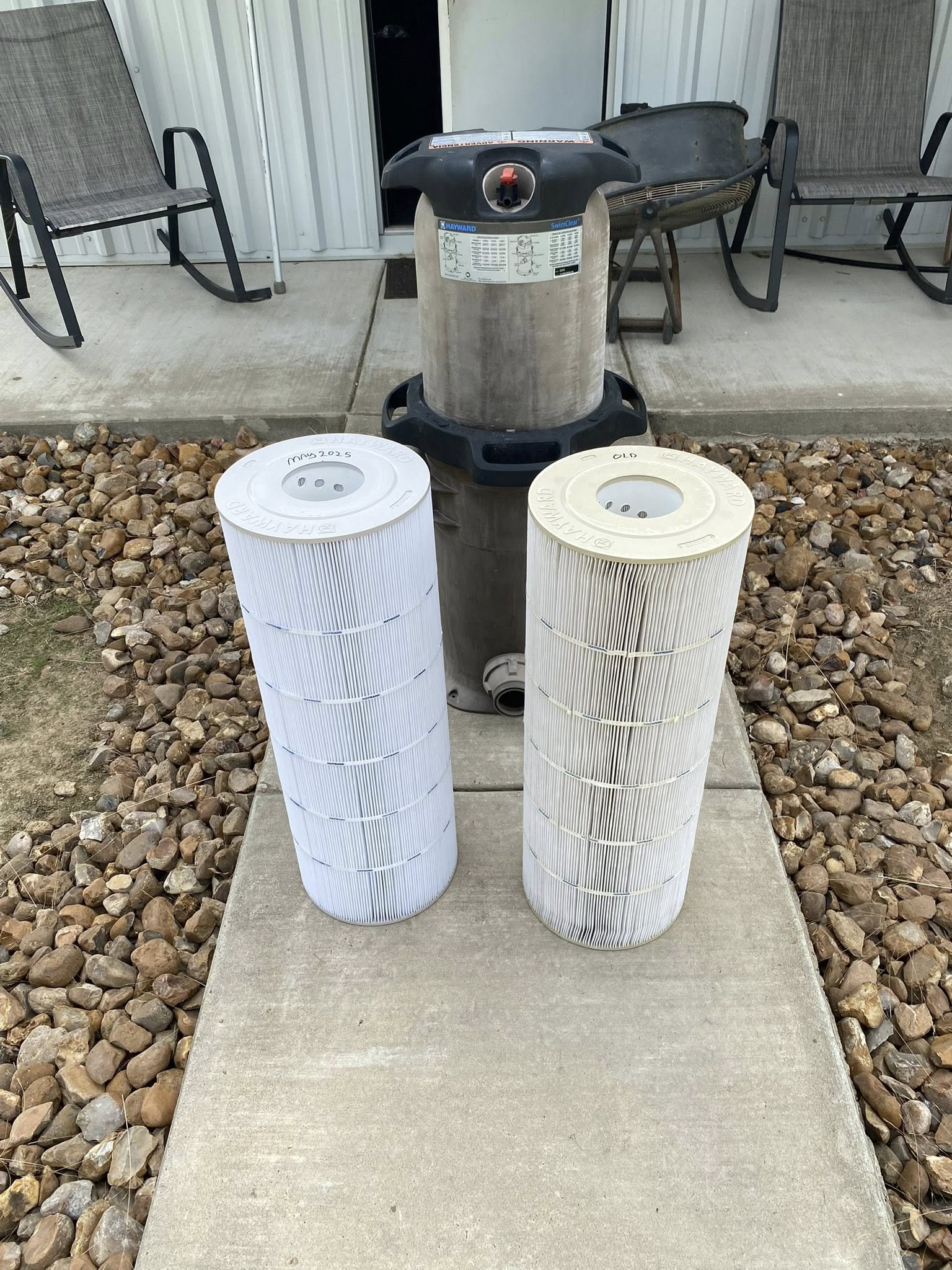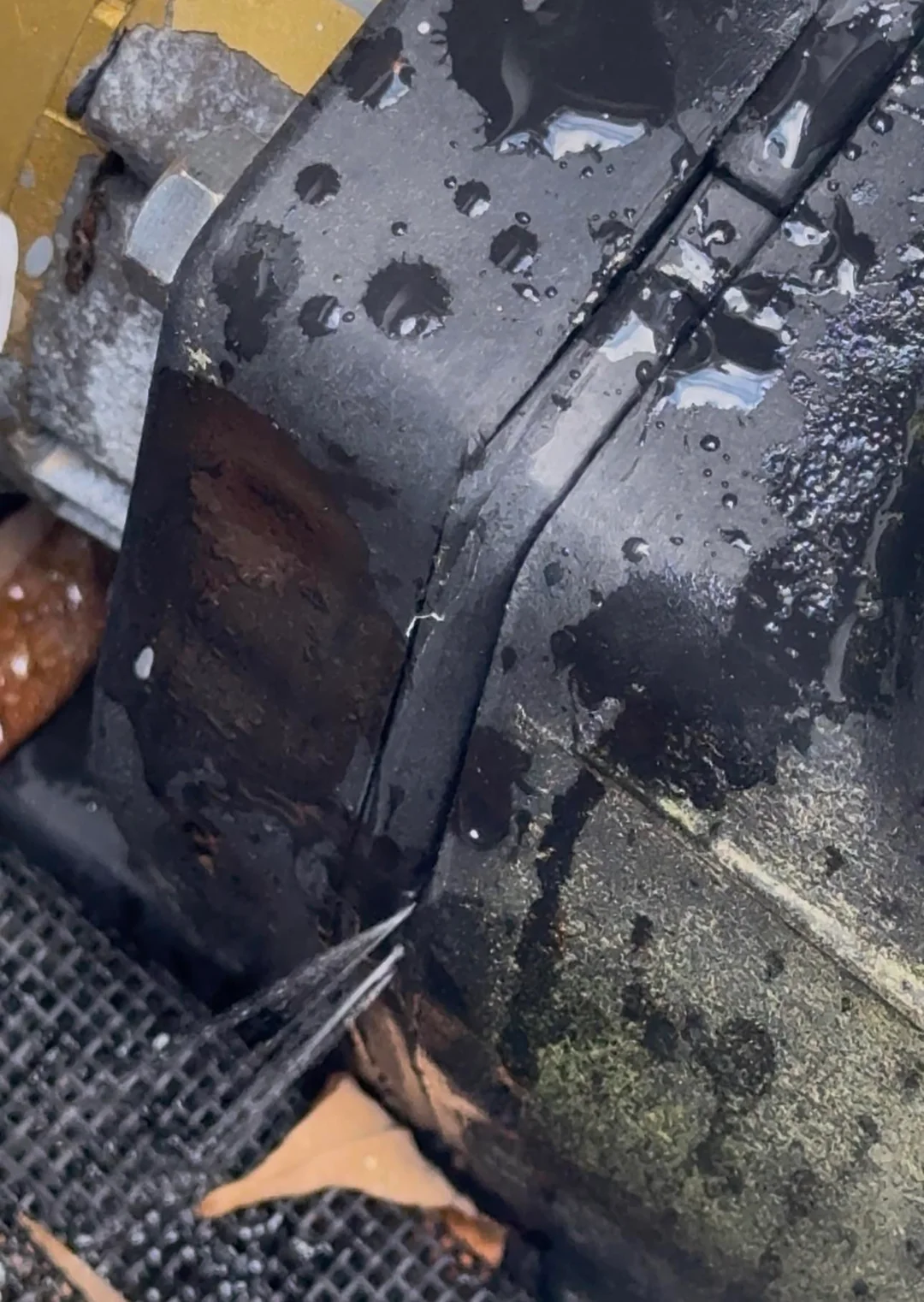
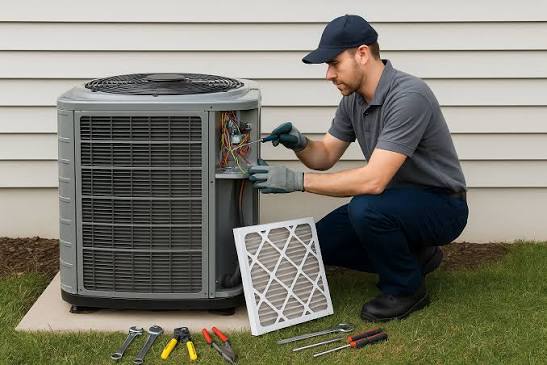
When to replace a pool heater is not always obvious. One homeowner sees rust and assumes the heater is done. Another gets a repair quote and wonders if one more sensor, igniter, or board will buy another season. The honest answer is this: age matters, but condition matters more. In Prosper, Southlake, Keller, Frisco, Plano, and McKinney, PoolBurg usually looks at heater age, water chemistry history, repair cost, safety, and how the family actually uses the pool before saying whether to replace pool heater equipment or repair it.
The normal lifespan conversation
Gas heater life
The first clue in deciding when to replace a pool heater is age. Many gas heaters can give years of good service, but once rust, poor combustion, leaks, or repeated ignition problems appear, the repair math changes fast. Energy.gov notes that gas pool heaters are ideal for quickly heating pools, especially when the pool is used periodically, but that speed does not cancel out old pool heater problems like corrosion, gas-pressure issues, or exchanger damage.
Heat-pump life
Heat pumps often have a different replacement timeline. They heat more slowly, but Energy.gov says heat pump pool heaters can last longer than gas heaters with proper maintenance. That makes them attractive for homeowners who hold steady temperatures through shoulder season instead of doing fast weekend warm-ups.
Why chemistry and maintenance change everything
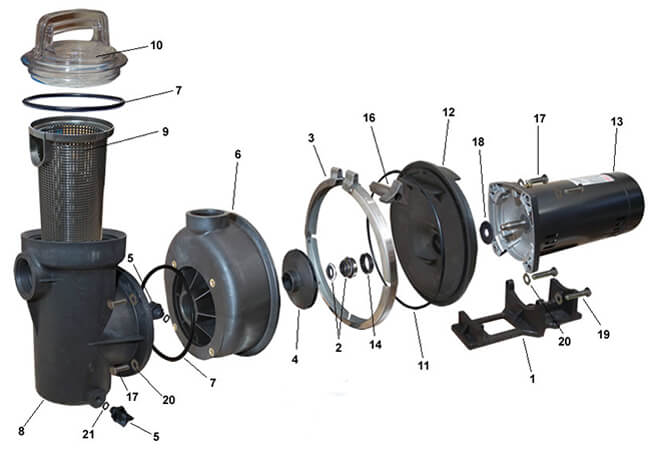
A heater that is only eight years old can be in worse shape than a twelve-year-old unit if the pool has lived with low pH, high chlorine, scale, poor flow, or skipped service. The Pentair MasterTemp guide ties correct chemical maintenance to safe, reliable operation, and some manufacturer manuals warn that poor chemistry can shorten heat-exchanger life. That is why PoolBurg treats pool heater service frequency as part of the replacement conversation, not a side note.
The repairs that are still worth paying for
Sensors, ignition parts and some flow issues
Not every heater problem means replacement. A failed temperature sensor, pressure switch, igniter, pilot assembly, thermostat, or dirty filter-related flow fault can often be a sensible repair if the heater body is solid. If the heater is otherwise healthy, the parts are available, and the repair cost is modest, fixing it may be the smarter move.
The failures that often push replacement
Heat exchanger, severe rust and compressor failure
The big-ticket parts are where homeowners need a cooler head. A leaking or corroded heat exchanger, severe cabinet rust, repeated control-board failures, or a failed compressor on a heat pump can push the decision toward replacement. The Hayward service manual makes clear that heater service belongs with qualified personnel because gas, electrical, and combustion issues are not guesswork territory.
If a heater leaks when water is sent through it, smells odd, trips breakers, or shows heavy corrosion around the burner area, stop treating it like a simple tune-up.
The cost-threshold decision
Repair today versus repeat failure risk
The classic question is whether to repair or replace pool heater equipment when the repair is expensive but still cheaper than a new unit. A practical rule is to compare the repair against age, parts availability, warranty left, and the chance of the next failure. Spending a little on a healthy heater is normal. Spending a lot on an old, rusty, hard-to-source unit is usually just buying time.
Energy and fuel efficiency upgrades
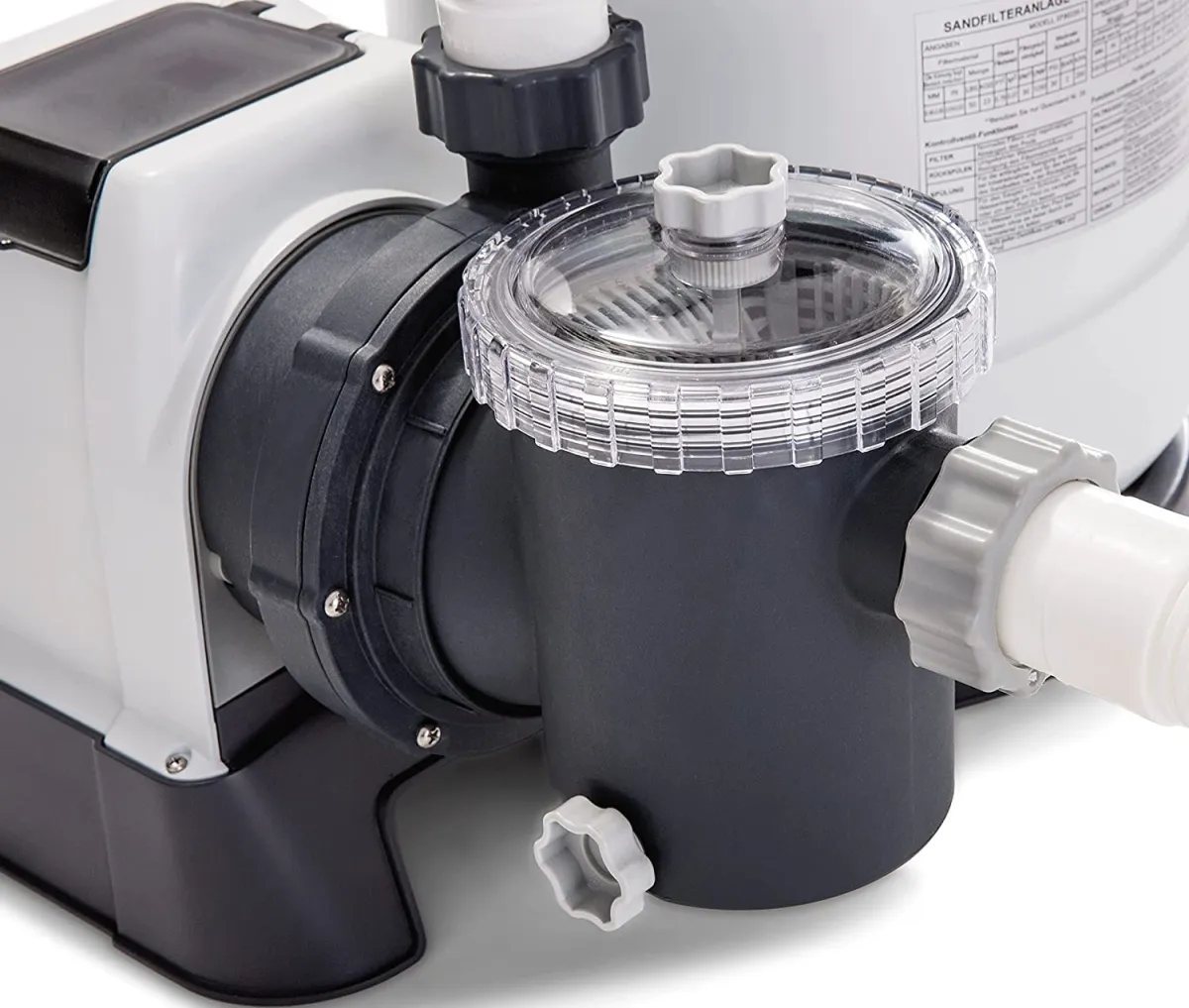
Replacement can also be a comfort upgrade. A newer gas heater may heat faster or burn fuel more efficiently than an older model. A heat pump may cost more upfront but make sense for long, steady Texas shoulder-season use. If you are comparing heater types, PoolBurg already breaks down heat pump vs gas pool heater choices for DFW swim habits. And if you use a cover, Energy.gov explains that pool covers can reduce pool heating costs, which can change the payback picture.
Why timing matters
Replacing before peak season
Another sign of when to replace a pool heater is timing. If the unit barely made it through spring, do not wait until the first cool family weekend to make the decision. Peak season can mean tighter schedules, parts delays, and rushed choices. Replacing before swim season gives you room to compare gas and heat-pump options, confirm sizing, check electrical or gas capacity, and avoid emergency buying.
What to ask before approving replacement
Best-fit heater type, sizing and runtime strategy
Before you replace pool heater equipment, ask what type fits your pool habits, not just what is in stock. Ask whether the heater is properly sized, whether existing plumbing works, whether gas or electrical upgrades are needed, and how a cover or runtime strategy affects the result. If you are considering a heat pump, review pool heat pump installation cost and heat pump pool heating time before approving the quote.
Quick Repair or Replace Pool Heater Guide
| Situation | Repair May Make Sense | Replacement May Be Smarter |
|---|---|---|
| Minor sensor or ignition fault | Yes, if the heater is otherwise clean and reliable | If the same fault keeps returning |
| Heavy rust or leaking exchanger | Rarely | Often, especially on older heaters |
| Older unit with expensive quote | Maybe, if parts are available and warranty helps | Often, if repair cost is high and lifespan is limited |
| Switching swim habits | If current heater still fits your usage | If you now need better efficiency or steadier heating |
People Also Ask
When should I replace my pool heater?
Replace it when repairs become expensive, corrosion is visible, the heat exchanger leaks, parts are hard to find, or the heater no longer matches how you use the pool.
What is the average lifespan of a pool heater?
Pool heater lifespan varies by type, installation, chemistry, maintenance, and use. Heat pumps often last longer than gas heaters when properly maintained, but poor water balance can shorten either one.
Can pool heaters be repaired?
Yes. Sensors, ignition parts, switches, wiring issues, and some flow problems can often be repaired. Structural corrosion, exchanger leaks, or compressor failure are more serious.
Is it worth fixing a ten-year-old pool heater?
Sometimes. If the heater is clean, safe, and the repair is small, yes. If the quote is large and the heater already has rust, leaks, or repeated failures, replacement deserves a serious look.
What is the most expensive part of a pool heater?
On gas heaters, the heat exchanger is often one of the expensive parts. On heat pumps, compressor-related failure can be costly.
Should I upgrade to a heat pump when replacing a heater?
A heat pump can be a good upgrade for steady, efficient heating in mild North Texas weather. Gas may still be better for attached spas or fast, occasional heat.
PoolBurg Helps You Make the Repair-or-Replace Call Clearly
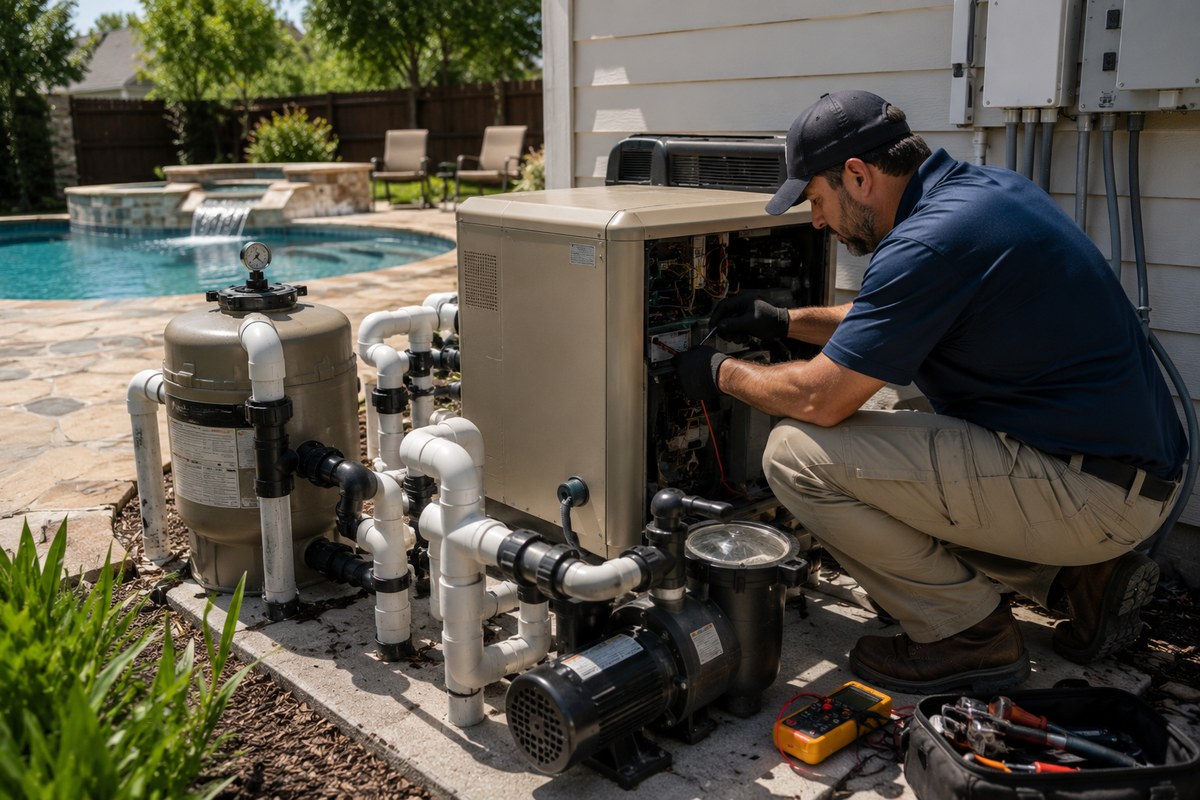
If you are stuck wondering when to replace a pool heater, PoolBurg can inspect the unit, check flow, look at corrosion, confirm electrical or gas conditions, and explain whether repair or replacement makes more sense. We help homeowners across Prosper, Southlake, Keller, Frisco, Plano, McKinney, and nearby DFW cities compare gas and heat-pump replacement options without pressure or guesswork. If your heater is old, unreliable, or suddenly expensive to repair, schedule a pool heater repair near me Texas diagnostic and let us give you a straight answer.