When pool cover anchors loose issues arise, what seems like a minor annoyance can rapidly escalate into a significant maintenance burden. Initially, the signs are subtle—perhaps a single strap appears slightly misaligned or a brass anchor feels unstable within the pool deck. However, once storm season arrives or heavy leaf accumulation begins, that slight sag can cause an entire section to experience excessive tension.
For residents throughout Frisco, Plano, McKinney, Allen, Southlake, Grapevine, Keller, and Prosper, maintaining anchor integrity is essential, as the volatile North Texas climate and seasonal debris can quickly compromise fabric health. Whether you utilize a winter barrier or a safety cover, ensuring the hardware remains secure is vital for long-term reliability. To better understand your options, you can explore the different varieties in the PoolBurg pool cover types guide.
Why Pool Cover Anchors Matter
The anchors do more than give the straps somewhere to hook. They hold the cover tension, help the fabric sit evenly, and keep the cover from shifting when wind or water weight pushes on it. With safety covers, anchor condition matters even more because the cover is only as dependable as the hardware, straps, springs, and deck connection supporting it. The ASTM F1346 safety cover specification is built around covers being correctly installed and used according to manufacturer instructions, which is why loose hardware should not be brushed off as cosmetic.
Signs Pool Cover Anchors Loose Are Becoming a Problem
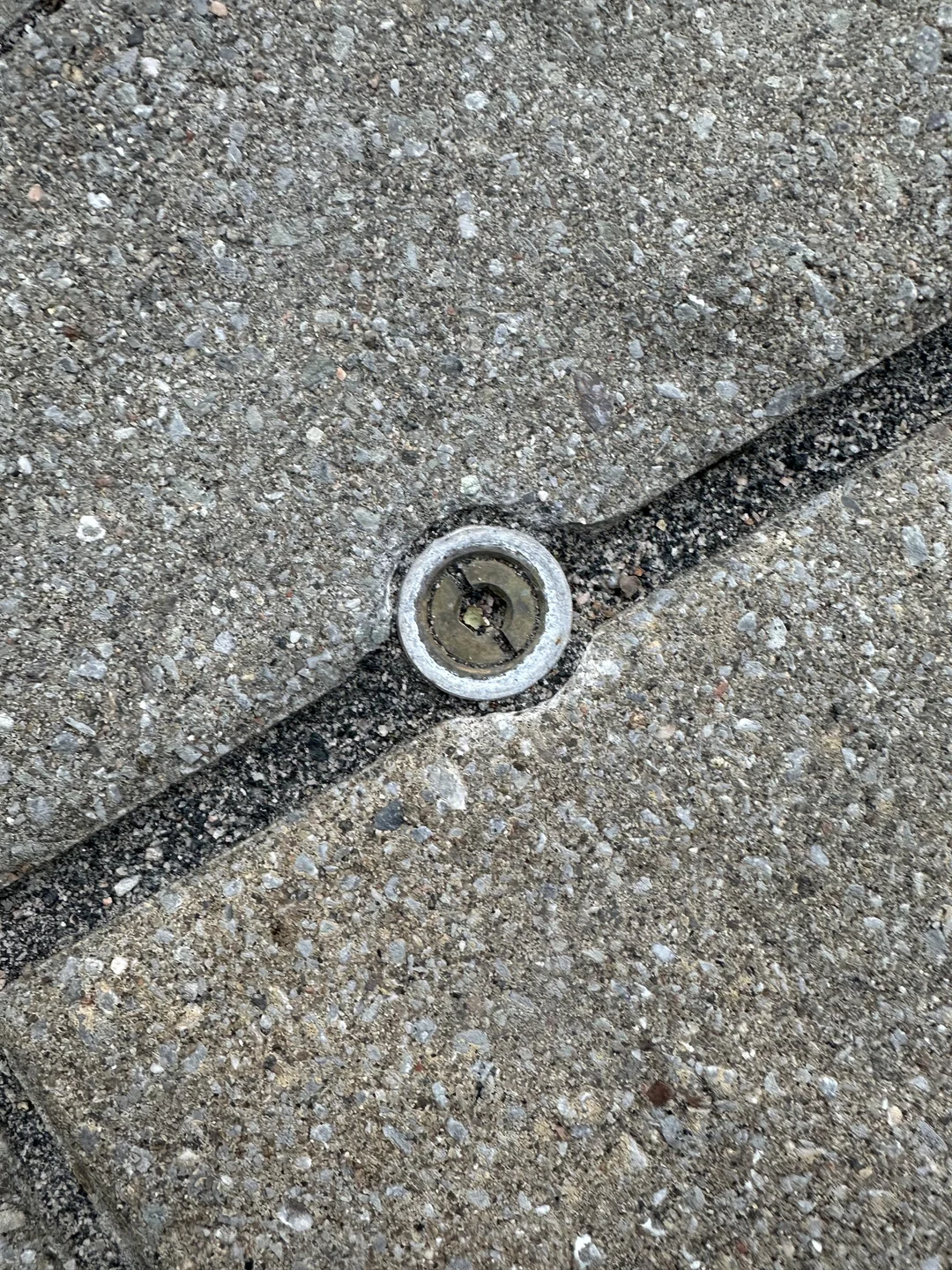
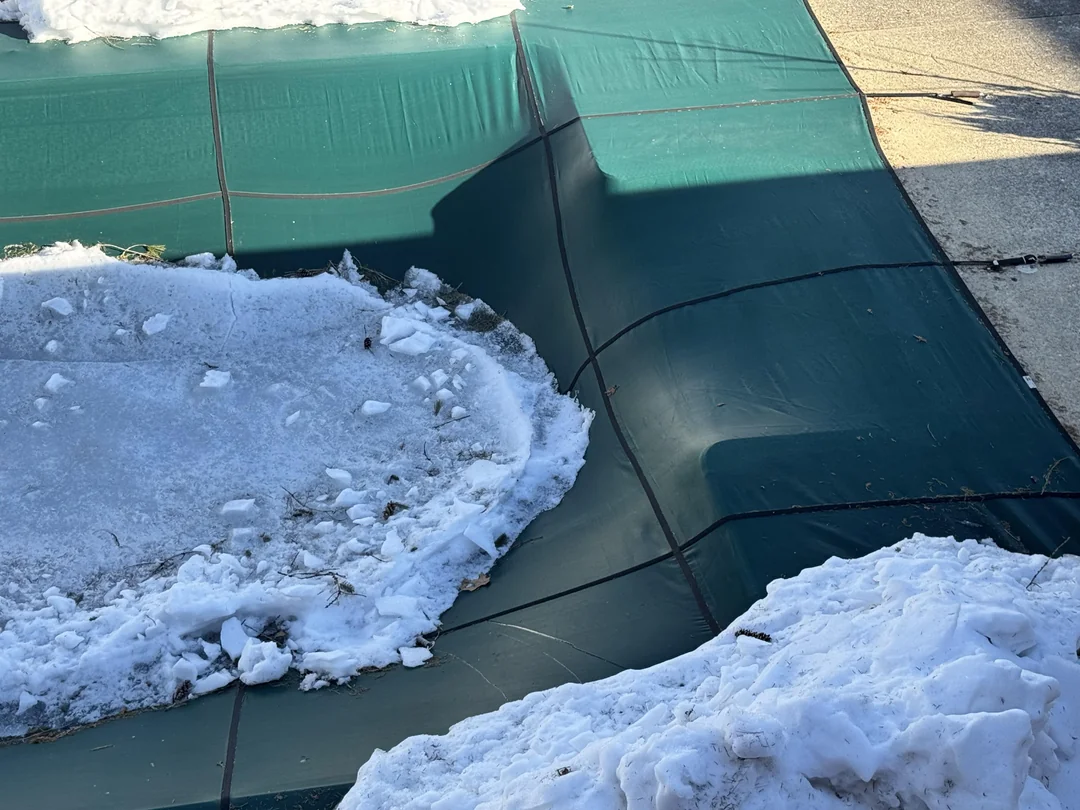
You may have loose pool cover anchors if the cover sags in one area, the straps look uneven, or a spring has lost its usual tension. Sometimes the anchor itself wobbles when raised. Other times, the cover shifts after wind or rain, or small gaps open near the pool edge where leaves and dirty water sneak through.
Another clue is timing. If the problem shows up right after closing, after a heavy storm, or after someone cleaned sand and debris out of the anchor holes, the anchor may not be seating properly. Pool cover sagging is not always a fabric problem. It can start with one weak anchor point tugging the cover out of balance.
Common Reasons Pool Cover Anchors Loosen
Pool cover anchors loose often come from ordinary wear, not one dramatic failure. Deck movement can slowly open the space around the anchor. Concrete cracking, aging brass hardware, repeated seasonal use, improper installation, and heavy leaf or water weight can all contribute. In colder areas, freeze and thaw cycles can make anchor pockets worse, while in DFW, storms and shifting soil can also play their part.
Some anchors also get packed with polymeric sand, grit, dirt, or old lubricant. When the bolt will not raise or lower smoothly, people sometimes force it, which can damage threads or loosen the surrounding deck material. Keeping anchors clean is part of normal cover care, and PoolBurg’s pool cover maintenance content is a good place to start if your cover keeps fighting you each season.
Can Loose Pool Cover Anchors Be Fixed?
Yes, many loose anchors can be repaired, but the right fix depends on what actually moved. A dirty anchor may only need cleaning and proper lubrication. A worn anchor may need replacement. A cracked deck area may need a more careful repair before a new anchor will hold. And if the strap, spring, or cover panel is worn out, replacing only the anchor may not solve the tension problem.
This is where a quick professional inspection helps. Pool cover repair is not just about making the cover look tighter. A tech should look at anchor depth, deck condition, spring compression, strap alignment, and whether the cover is being pulled too aggressively in one direction. Covers can also reduce evaporation and heat loss when they are used correctly; the Department of Energy swimming pool cover guidance notes that covers can cut heating costs and reduce water, chemical use, and cleaning time. But that only works well when the cover fits and sits properly.

Why Loose Anchors Should Not Be Ignored
A tiny wobble may not feel urgent, but pool cover anchors loose can lead to uneven tension, bigger sagging, more debris in the water, and extra stress on nearby straps. If it is a pool safety cover, loose anchors can also reduce confidence in how the cover performs. The Pool Safely safety device guidance reminds homeowners to keep pool and spa covers in working order as part of a layered safety approach, and the CDC drowning prevention guidance also emphasizes barriers, supervision, and reducing unsupervised access to water.
If the cover is sagging badly, a strap is extremely tight, an anchor pulls out easily, or concrete is breaking around the hole, stop forcing the cover into place. That is when a small maintenance issue can become a torn cover, damaged deck, or unsafe setup.
What Homeowners Can Check First
Before adjusting anything, look calmly. Are only one or two anchors loose, or is the whole side uneven? Are the springs stretched differently? Is there standing water or heavy leaf weight causing the cover to sag? Are anchor holes packed with sand or debris? A shop vac, gentle air, or careful cleaning may help with dirty anchors, but avoid drilling, prying, or forcing hardware if you are not sure what you are doing.
Also remember that automatic cover issues are different from pool safety cover anchors. If the track, motor, fabric, or cover box is involved, that needs a different diagnosis. For seasonal preparation, PoolBurg can also help with pool closing in Texas and winter-related cover checks. The CDC healthy and safe swimming guidelines are another reminder that safe swimming is about layers of protection, not one single product.
People Also Ask
Why are my pool cover anchors loose?
Pool cover anchors loose usually because of deck wear, cracked concrete, aging hardware, heavy cover load, storm movement, or anchors that were not installed or reset correctly.
Can pool cover anchors be repaired?
Yes. Some anchors can be cleaned, reset, or replaced. If the surrounding deck is damaged, the deck may need repair before the new anchor will hold properly.
Are loose safety cover anchors dangerous?
They can be. One loose anchor does not always mean the cover has failed, but it can reduce tension and allow sagging, shifting, or gaps near the edge.
How tight should a pool cover be?
A pool cover should be evenly tensioned, not drum-tight in one area and loose in another. Over-tight springs can strain straps and anchors.
Can concrete cracks affect pool cover anchors?
Yes. Cracked or worn concrete may let anchors wobble, pull up, or fail to hold tension correctly.
Should I replace the cover or just the anchors?
It depends. If the fabric, straps, and springs are still healthy, anchor repair may be enough. If the cover is stretched, torn, or badly sagging, more repairs may be needed.
PoolBurg Can Check the Cover Before It Fails
Pool cover anchors loose should not send you into panic mode, but they should get your attention. PoolBurg can inspect the anchors, springs, straps, deck condition, and overall cover tension before a small wobble turns into a bigger pool cover repair. If your cover is sagging, shifting, or not holding evenly after wind or rain, contact PoolBurg and let us take a look before the next storm makes the problem louder.