It is a common frustration: saltwater pool high chlorine levels can feel like a mystery when your setup is meant to be hands-off. You dial in your salt chlorinator setting, establish a pump schedule, and expect the water to stay balanced. While salt systems are efficient, they still generate real sanitizer; if the output exceeds the pool’s current demand, your free chlorine will inevitably spike. This is why many owners in Southlake, Keller, and across DFW find themselves questioning why their readings are climbing despite the system’s automated nature.
The good news: saltwater pool high chlorine is usually fixable. The trick is not guessing. A salt system reacts to pump runtime, sunlight, water temperature, bather load, stabilizer, and automation schedules. The CDC home pool water treatment guidance also reminds pool owners to routinely test chlorine and pH because both affect comfort and sanitation.
How Saltwater Pools Can End Up With High Chlorine
A saltwater pool is not chlorine-free. The salt cell uses dissolved salt to generate chlorine while water passes through the cell. If your salt system output too high setting runs with a long pump schedule, your pool can produce chlorine for hours longer than necessary. A 40% setting on a 24-hour pump schedule is very different from 40% on an 8-hour schedule.
This is why high chlorine in saltwater pool water often shows up after a schedule change. Maybe the pump was extended during a heat wave, the automation got adjusted, or the cell was bumped up before a party and never turned back down. If the pool is covered, shaded, lightly used, or cooler than normal, chlorine demand drops and the level can creep up fast.
Common Causes of High Chlorine in a Salt Pool
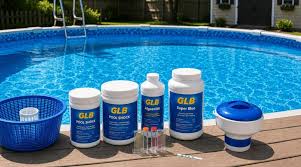
The most common reason for saltwater pool high chlorine is simple overproduction. The salt chlorinator setting may be too high for the current season, or the pump may be running longer than the water actually needs. Recent shock treatment is another big one. If you shocked the pool a few days ago and the salt cell kept running normally, the chlorine level can stay elevated longer than expected.
Other causes include low swimmer load, a cell oversized for the pool, testing too soon after chemical addition, or a recent automation change. A pool that needed 60% output in July may only need 15% or 25% during milder weather. That is not a failure; that is normal Jandy salt chlorinator guidance territory because salt systems are designed to generate chlorine steadily, not read the pool’s mind.
Is Saltwater Pool High Chlorine Dangerous?
A slightly high reading is usually more of a comfort and adjustment issue than a panic moment. Very high chlorine, though, can irritate skin, eyes, and swimsuits, and it should be handled carefully. Test before swimming, especially after shocking. CDC notes that chlorine and pH are a first defense against germs, but the water still needs to be maintained within a safe operating range.
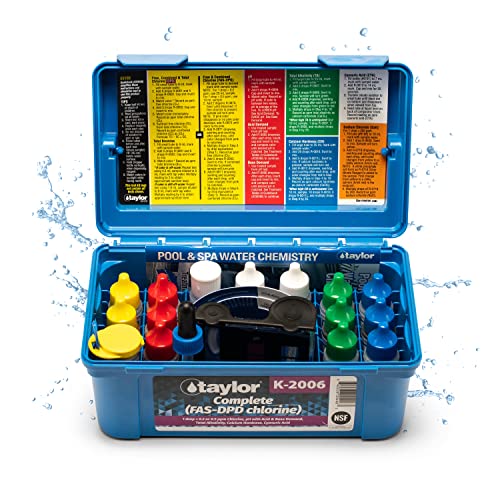
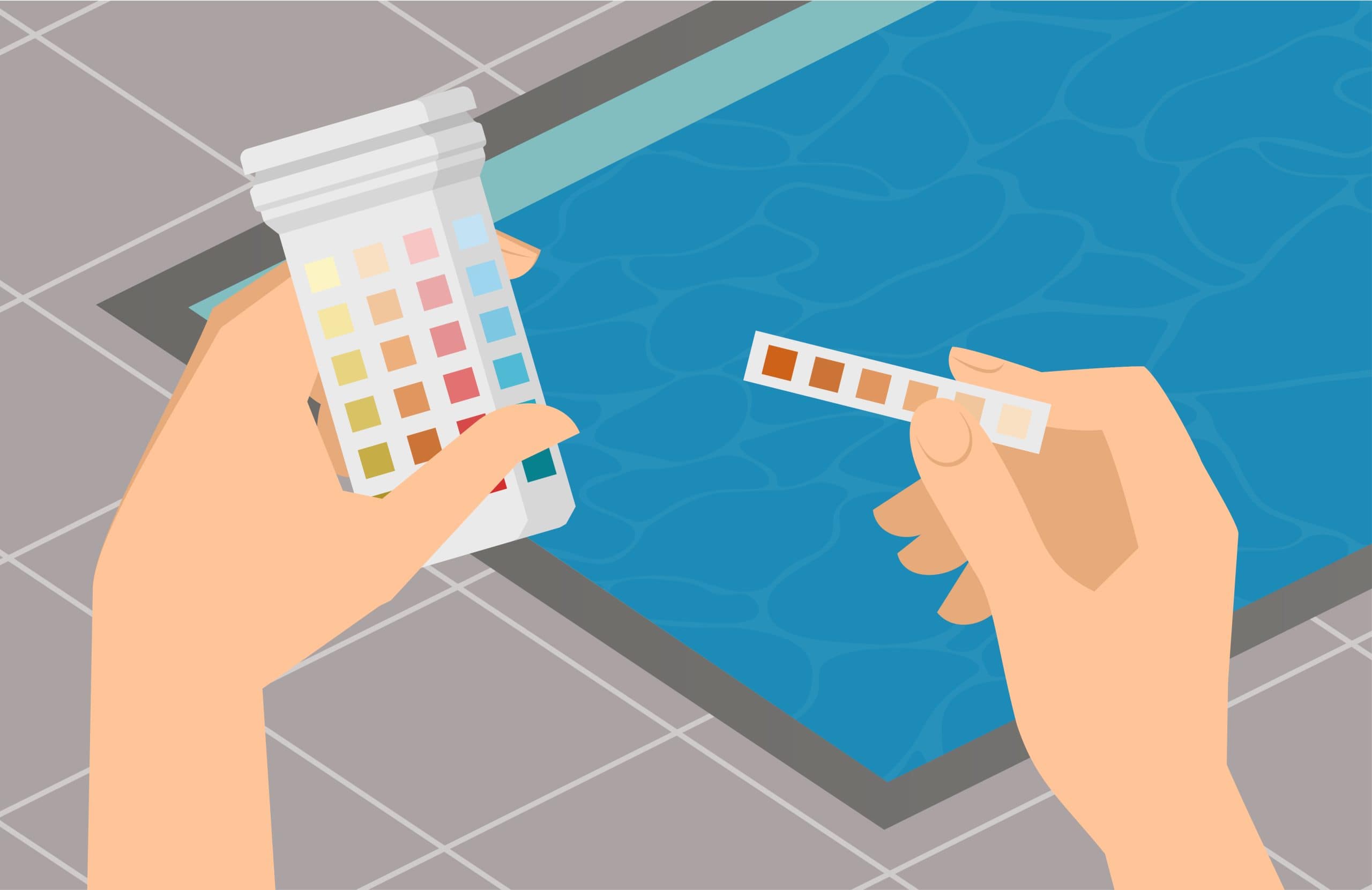
Also, do not rely on smell alone. A strong “chlorine smell” does not always mean high free chlorine. It can mean combined chlorine or chloramines from sweat, oils, debris, and swimmer waste. That is why proper testing matters. If your test strips look weird or your reading is extremely high, a DPD or FAS-DPD style test can be more useful than guessing from the smell.
How to Lower Chlorine in a Saltwater Pool
To lower chlorine, start by turning down the salt chlorinator setting. Do not keep shocking, do not add tablets, and do not assume the water needs more chemicals just because something feels off. Sunlight naturally breaks down chlorine, so many outdoor pools come down on their own once the cell output is reduced or temporarily turned off.
If pump runtime is part of the problem, shorten it carefully, but do not cut circulation so much that filtration suffers. Good saltwater pool chemistry is a balance between sanitation, circulation, pH, alkalinity, stabilizer, and calcium. PoolBurg can also help if you are dealing with a salt cell not producing chlorine one month and saltwater pool high chlorine the next. That kind of swing usually means the settings, testing, or water balance need a closer look.
High Chlorine vs Strong Chlorine Smell
This one trips up a lot of pool owners. High chlorine in saltwater pool water is a measured free chlorine problem. Strong odor is often a combined chlorine problem. Those are not the same. If the pool smells harsh, feels sticky, or irritates eyes, check free chlorine, combined chlorine, and pH before making a move. The CDC prevention tips for swimming-related illnesses point back to clean water habits, proper sanitizer levels, and good testing rather than guessing from appearance alone.
If you are new to salt pools, read through PoolBurg’s guide on salt water pool chemicals needed and our article on saltwater pool pH problems. Salt cells tend to push pH upward, and pH can change how comfortable the water feels.
People Also Ask
Why is chlorine too high in my saltwater pool?
Your salt cell is likely producing more chlorine than the pool is using. Common reasons include high output, long pump runtime, recent shock, low swimmer use, shade, cooler weather, or an oversized cell.
How do I lower chlorine in a salt pool?
Turn down or temporarily pause the salt cell, stop adding shock or tablets, let sunlight reduce chlorine naturally, and retest before swimming.
Should I turn down my salt cell?
Yes, if free chlorine is testing higher than your target. Small changes over a few days are usually better than big panic adjustments.
Can a salt system overchlorinate a pool?
Yes. A salt system can overchlorinate when output percentage and pump runtime produce more chlorine than the water needs.
Can I swim if chlorine is too high?
Test first. If chlorine is above the safe range listed on your test kit or product guidance, wait and retest before swimming.
Does pump runtime affect chlorine level?
Absolutely. The longer the pump runs while the cell is active, the more total chlorine the salt system can produce.
PoolBurg Can Dial In Your Saltwater Pool Chemistry
Saltwater pool high chlorine is annoying, but it is usually not mysterious once the whole system is checked. PoolBurg can test the chlorine accurately, review the salt chlorinator setting, look at pump runtime, check pH, and balance the water so the pool feels comfortable again.
If your DFW salt pool keeps bouncing from too low to too high, schedule help through PoolBurg’s contact page and let us get the settings back into a sane, swim-ready rhythm.