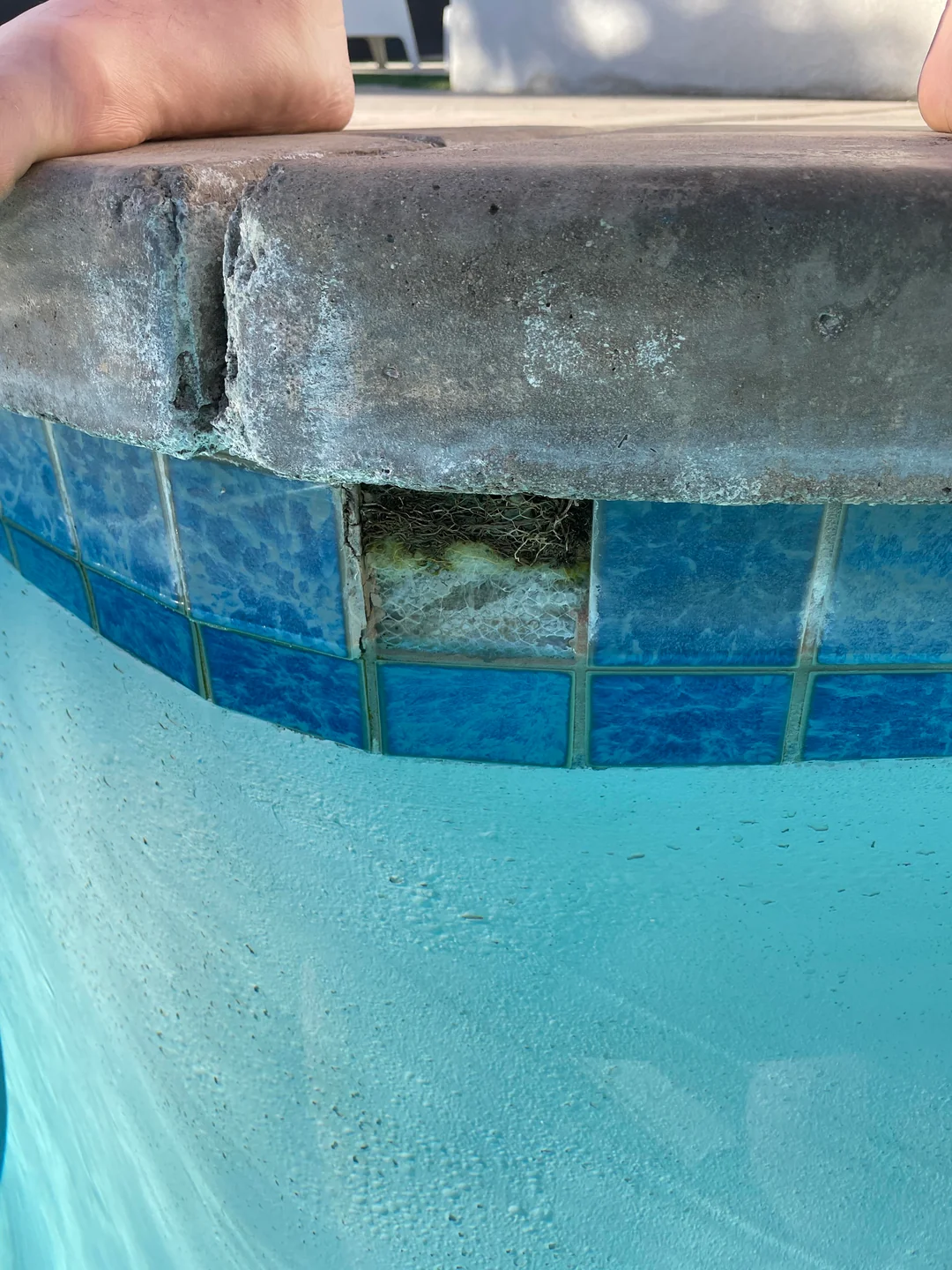
At first glance, a pool tile grout missing might seem like nothing more than a minor cosmetic blemish—perhaps a small gap, a loose joint, or a slightly rough patch near the coping. However, small openings around a swimming pool have a tendency to trigger much larger issues. When grout is absent along the waterline, elements like water, scale, dirt, and structural movement can begin to cause damage behind the tiles instead of staying safely on the visible surface.
For DFW homeowners in Frisco, Plano, McKinney, Allen, Southlake, Keller, and Grapevine, this is especially common because pools deal with hard water, hot summers, the occasional freeze, and soil movement. The good news is that missing pool tile grout does not always mean a major renovation. Caught early, it may be a straightforward pool tile repair. Ignored too long, it can become loose pool tile, cracked edges, and a much uglier waterline.
Why Pool Tile Grout Matters
Grout fills the joints between pool tiles. It helps support the tile edges, keeps the line looking finished, and reduces open spaces where water can sit. It is not the same thing as the adhesive behind the tile. In simple terms, mortar or thinset bonds the tile to the surface, while grout fills the joints after the tile is set. That difference matters, which is why grout and mortar are not the same material when a repair is being planned.
At the waterline, grout also protects the tile edges from water intrusion and daily movement. A pool shell, coping, deck, and tile line all expand and contract a little. Grout helps manage that transition. When pool tile grout missing sections appear, the tile has less support and the joint becomes easier for scale, debris, and moisture to attack.
Signs Pool Tile Grout Is Failing
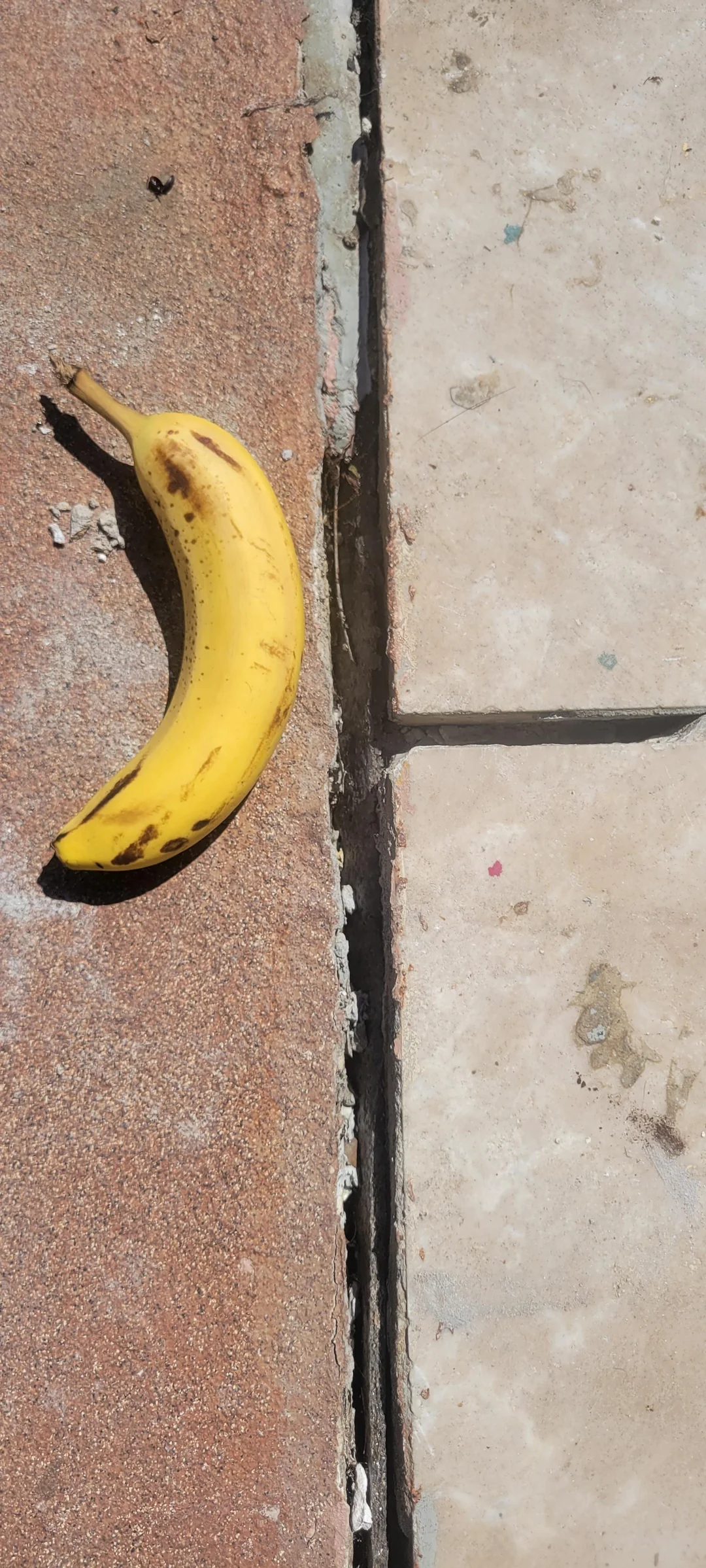
The obvious sign is a missing grout line, but that is not the only clue. You may see cracked grout, little gaps between tiles, a loose pool tile that moves when touched, sharp exposed tile edges, or calcium buildup collecting around the joints. Sometimes the tile still looks attached, but the grout has peeled away enough that water can sneak behind it.
Another red flag is a rough, chalky waterline. North Texas pools often fight scale, especially when pH and calcium hardness drift out of range. If you are already dealing with white crust around tile joints, PoolBurg’s pool tile restoration and calcium removal service can help determine whether the issue is surface scale, failing grout, or both.
What Causes Pool Tile Grout to Come Out?
Age is the easy answer, but it is rarely the only answer. Pool grout can fail from freeze stress, shell movement, deck movement, poor previous repair work, aggressive cleaning, or water chemistry that has been left out of balance for too long. Hard water can also make the waterline look worse because calcium scale collects in weak joints and cracks.
That is why grout repair and water chemistry go together. If pH keeps running high, calcium scale may keep coming back. If water is too aggressive, it can be tough on cement-based materials. PoolBurg’s guide to swimming pool pH levels is a helpful place to start if your tile line keeps showing buildup, stains, or rough patches.
What Happens If You Ignore Missing Grout?
If pool tile grout missing areas are ignored, the most common next step is loose tile. Water gets into the open joint, works behind the tile, and slowly breaks down weak spots. One missing section becomes two. One loose pool tile becomes a row. Eventually, the repair may require resetting tiles instead of simply regrouting.
It can also make the pool look neglected even when the water is clean. Nobody wants a pretty backyard with a chipped-looking waterline. After heavy rain, storms, or big chemistry swings, it is smart to inspect the tile line the same way you would check the skimmer, filter, and water level. Our pool maintenance after rain guide explains why storms can change pool conditions faster than homeowners expect.
Can Pool Tile Grout Be Repaired?
Yes, many small areas can be repaired. A technician may clean out loose material, inspect the tile, reset loose pieces, and regrout using pool-safe materials. The key is not to smear random household caulk or indoor grout into the gap and hope for the best. Pools are wet, chemically treated, sun-exposed environments, so materials need to be suitable for the location.
If cutting, grinding, or chipping is needed, safety matters too. Tile, mortar, grout, concrete, and similar materials can contain crystalline silica, and OSHA explains crystalline silica risks for workers who cut or disturb those materials. That is one reason bigger pool waterline tile repair is usually better handled by someone with the right tools and dust control habits.
A single missing tile may be simple. A long stretch of missing grout, hollow-sounding tile, coping movement, or repeated failure is different. That is when PoolBurg checks the tile, grout, scale, shell movement, and chemistry together instead of treating the symptom only.
People Also Ask
What happens if pool tile grout is missing?
Water can get into the open joint, weaken the bond behind the tile, collect debris, and make tiles loosen over time.
Can missing pool grout cause tile to fall off?
Yes. Missing grout does not always mean tile failure right away, but it removes support around the tile edges and can speed up loosening.
Can I use regular grout in a pool?
It is better to use materials rated for pool or wet-area conditions. Regular household products may not hold up underwater or at the waterline.
Why is my pool tile coming loose?
Loose tile can come from age, water behind the tile, calcium scale, freeze stress, bad repairs, poor bonding, or movement in the pool structure.
Does bad water chemistry damage grout?
It can. Water that is scaling or aggressive can contribute to rough joints, buildup, staining, or faster wear around pool surfaces.
When should pool tile be repaired?
Repair it when grout is missing, tiles move, sharp edges appear, or the waterline starts showing gaps, cracks, or repeated scale buildup.
PoolBurg Helps Repair Missing Grout and Loose Tile
Pool tile grout missing is one of those repairs that rewards early action. If the tile is still solid, the fix may be modest. If water has already gotten behind the tile, the repair needs a closer look. PoolBurg can inspect missing grout, loose tile, scale, waterline damage, and chemistry so you are not guessing with hardware-store products around your pool.
If your DFW pool has missing grout, rough tile joints, or waterline tile starting to loosen, contact PoolBurg and let us help you catch the problem before a small gap becomes a bigger repair.