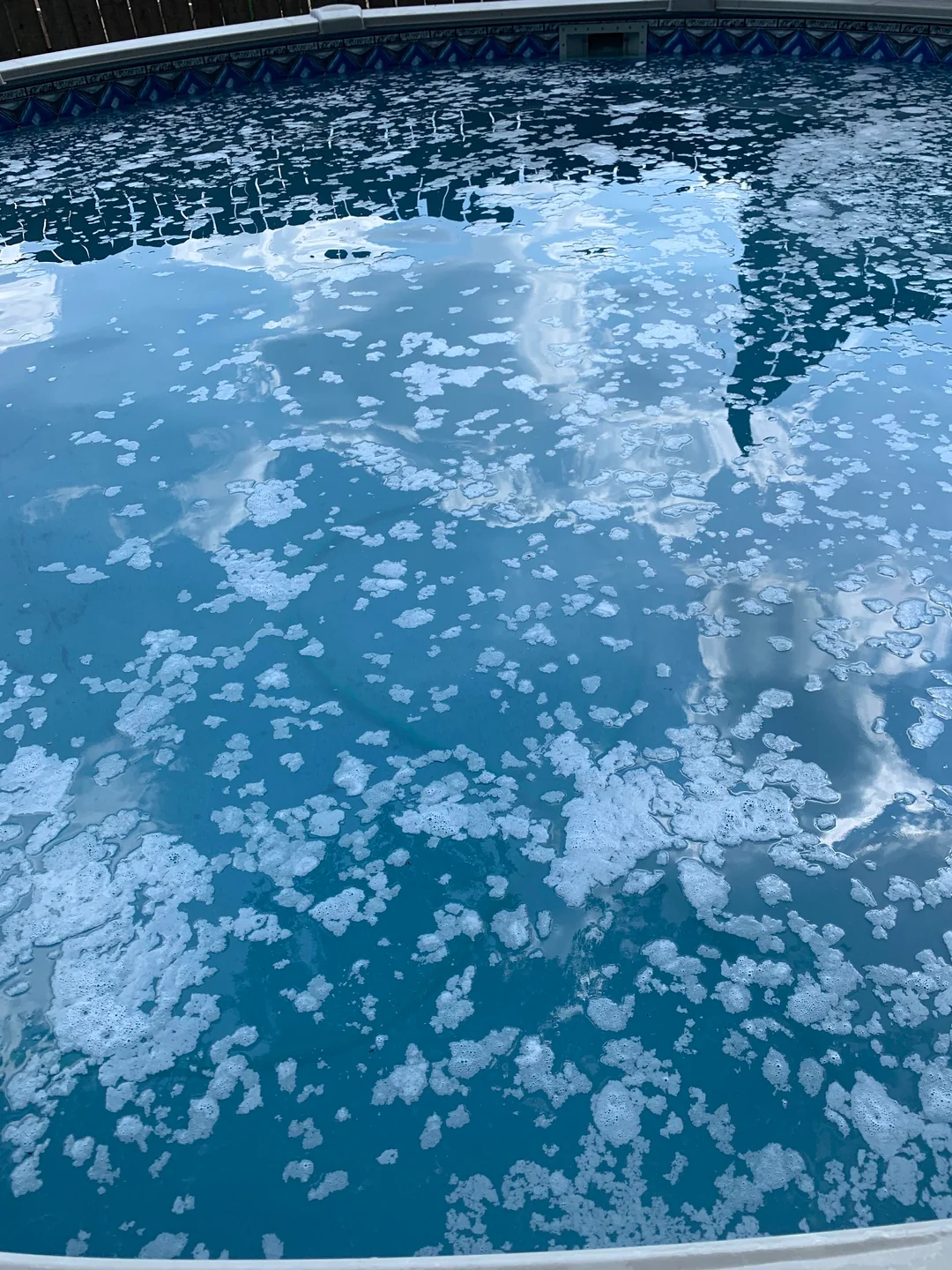
Seeing foam in pool water can quickly make a beautiful backyard pool look like a bubble bath. It often shows up following a busy weekend of swimming or right by the return jets. In some cases, the water below looks perfectly clear, yet stubborn white bubbles pile up near the skimmer or steps. No matter where it appears, pool foam is a clear indicator that foreign contaminants have made their way into the water, meaning your pool needs a bit of attention.
Is Foam in Pool Water Normal?
A few bubbles from the return jets are normal. That is just moving water and air. Real foam in pool water is different. Foam sits on top, clings together, and may build up when the pump runs or when someone jumps in. That kind of foamy pool water usually points to contaminants, leftover chemicals, or a pool chemical imbalance.
The first move is not to panic or dump in more chemicals. Start with testing. CDC recommends routine chlorine and pH testing because sanitizer and pH are the basics that help keep water comfortable and healthy.
Common Pool Foam Causes
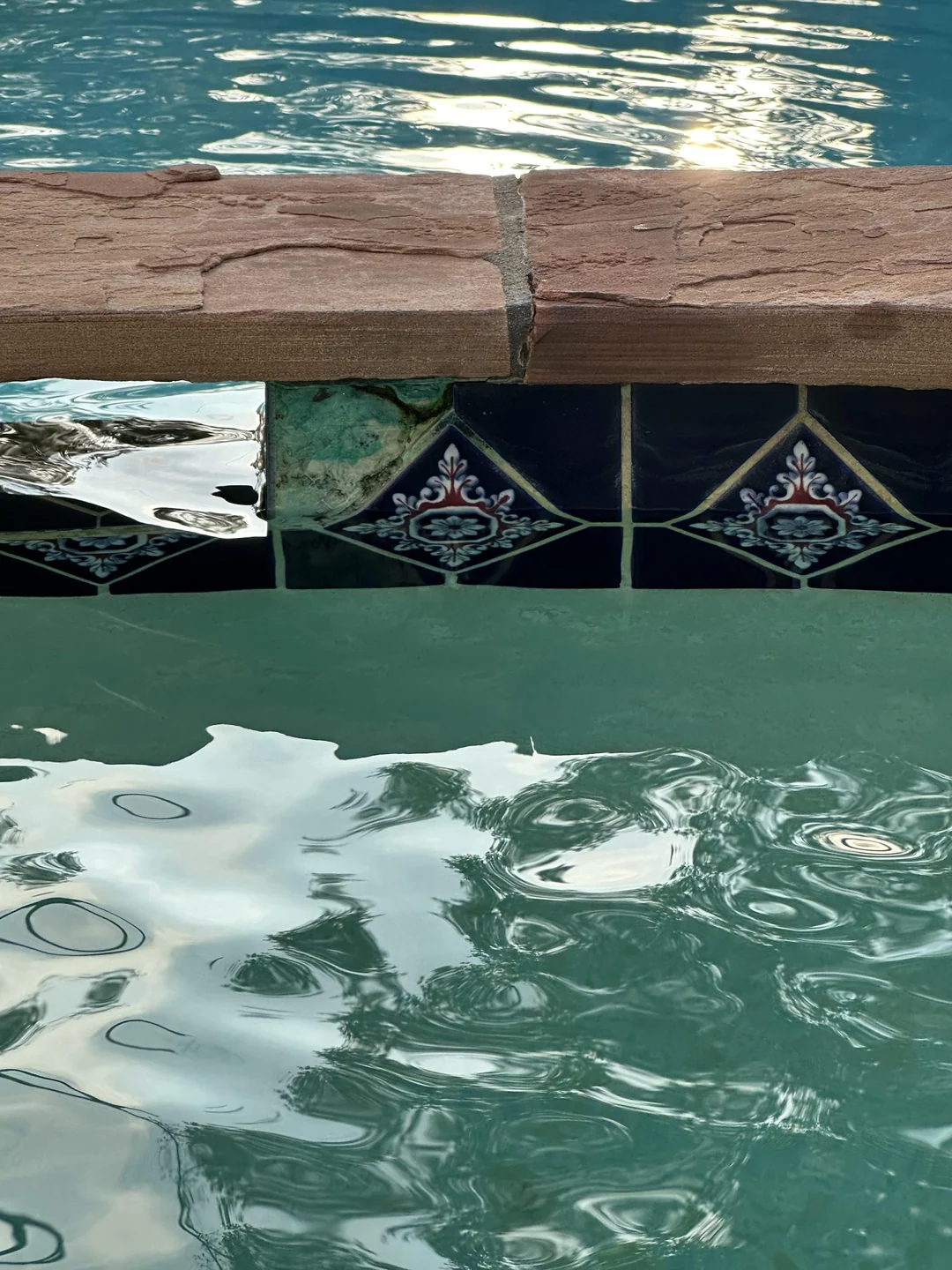
Most pool foam causes are pretty ordinary. Sunscreen, lotion, body oils, sweat, shampoo, conditioner, and laundry detergent from swimsuits can all leave a thin film in the water. One family party can add more oils and personal care products than a quiet pool sees all week. That is why foam in pool water often appears after heavy swimming, not on a random Tuesday morning.
Chemicals can also be part of it. Some cheaper algaecides are known for making pool water bubbles and surface foam, especially when there is air entering the system. Low calcium hardness can make water more prone to foaming too, especially in vinyl or fiberglass pools. And yes, soap is a menace. If deck cleaner, dish soap, or a non-pool filter cleaner gets into the water, foamy pool water can show up fast.
This is also why PoolBurg often reminds homeowners to look at patterns. Did the foam appear after algaecide? After a pool party? After cleaning the filter? After someone washed the deck nearby? The timeline usually tells on the culprit.
Foam vs Pool Water Bubbles
Foam and air bubbles are cousins, not twins. Foam in pool water usually stays on the surface and looks sudsy. Pool water bubbles coming from the return jets may mean air is being pulled into the system. A stuck skimmer weir, low water level, loose pump lid, or suction-side leak can all create air bubbles. If those bubbles mix with algaecide or oils, the surface can foam like crazy.
If you see constant bubbles from the returns, pair this article with PoolBurg’s guide on pool water problems or our troubleshooting help for common pool maintenance problems. Foam may be the symptom, while circulation is the thing making it worse
How to Clear Foam From a Pool
To clear foam in pool water, test first. Check free chlorine, pH, alkalinity, calcium hardness, and stabilizer. The CDC healthy pool guidance notes that pH affects sanitizer performance and swimmer comfort, so don’t chase foam while ignoring the basics.
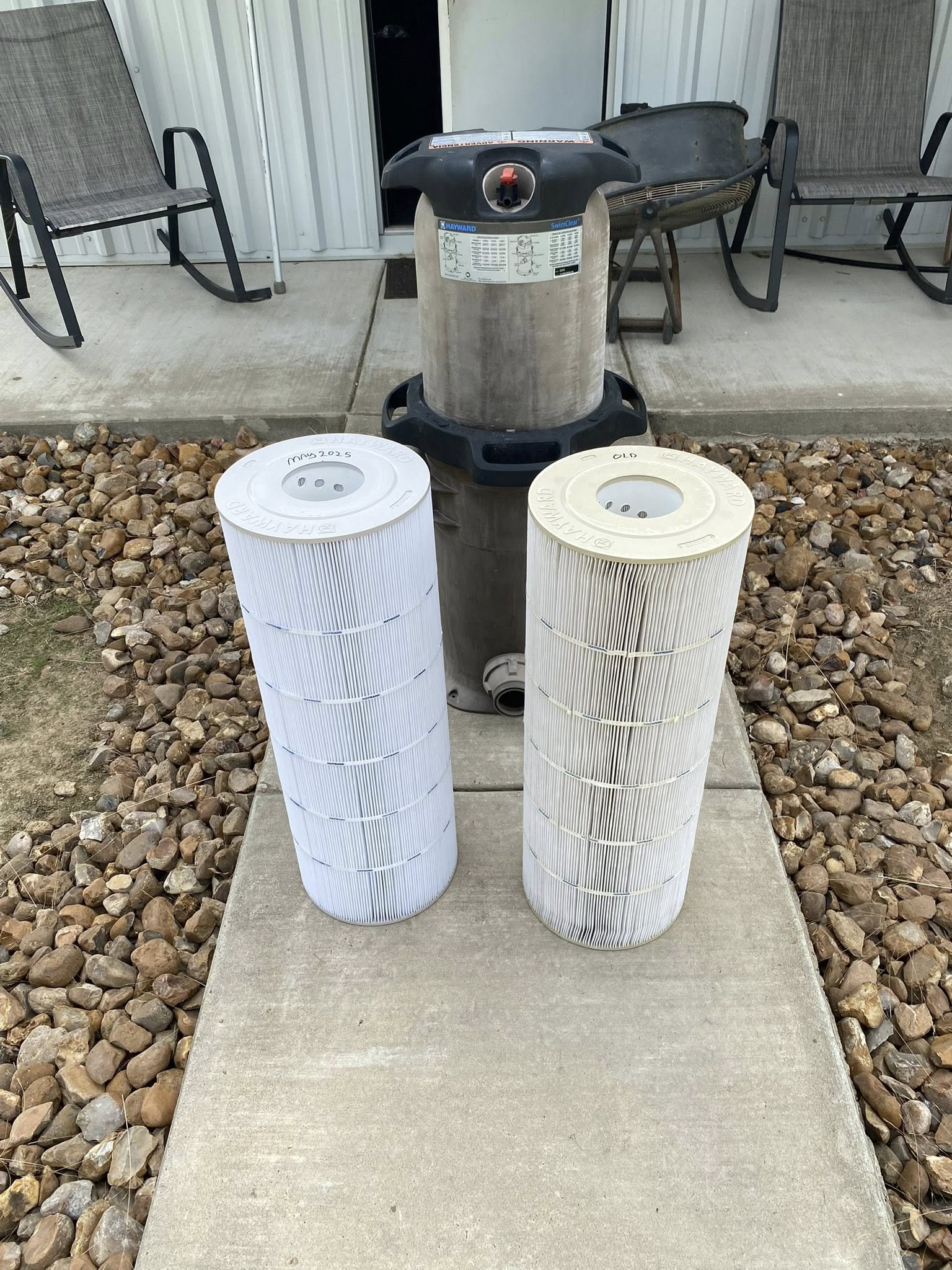
Next, run the pump and clean the filter. Cartridge filters may need a proper rinse. Sand filters may need backwashing. Skim the surface, brush oily areas near the waterline, and avoid adding more algaecide unless testing shows you actually need it. If sanitizer is low or combined chlorine is high, shock may help, but only after you test. Guessing with shock can create a new problem, especially if the pool already has a chemical imbalance.
For heavy sunscreen use, PoolBurg’s article on sunscreen in pool water is worth reading too. Sunscreen is great for skin and annoying for filters. Pool ownership, frankly, is sometimes just fighting invisible lotion.
How to Prevent Foam From Coming Back
Prevention is mostly boring, which is rude, but it works. Ask swimmers to rinse before getting in. CDC healthy swimming prevention tips say a one-minute shower removes much of the dirt, sweat, and oils that use up pool chemicals. Keep soaps, laundry products, and household cleaners away from the pool deck. Use quality pool chemicals, not mystery bottles from the garage.
Also keep the filter clean and the water balanced. A pool with poor filtration, low sanitizer, or ignored calcium hardness is more likely to keep foam hanging around. If foam in pool water keeps returning every weekend, the issue may not be one swimmer or one product. It may be the filter, circulation, waterline buildup, or a chemistry pattern that needs correcting.
People Also Ask
Why is there foam in my pool water?
Foam in pool water usually comes from oils, sunscreen, sweat, hair products, algaecide, soap residue, low calcium hardness, or a pool chemical imbalance.
Is foamy pool water safe to swim in?
A little foam is not always dangerous, but test before swimming. If chlorine, pH, or clarity is off, wait until the water is corrected.
Can algaecide cause pool foam?
Yes. Some algaecides can cause foamy pool water, especially if too much is added or if air bubbles are coming through the returns.
How do I get rid of foam in my pool?
Test the water, balance pH and chlorine, clean the filter, skim the surface, and stop adding unnecessary chemicals. Persistent foam may need professional testing.
Is foam the same as air bubbles?
No. Pool water bubbles usually come from air entering the circulation system. Foam sits on the surface and often points to oils, soap, or chemical residue.
Can sunscreen cause pool foam?
Yes. Sunscreen and body oils can collect on the water surface and contribute to foam, scum lines, cloudy water, and filter buildup.
PoolBurg Can Help Clear the Foam and the Cause
For family pools in Frisco, Allen, McKinney, The Colony, Lewisville, Wylie, and Prosper, foam in pool water often shows up after parties, kids’ swim days, and hot Texas weekends. PoolBurg can test the water, clean the filter, check for air bubbles, and fix the chemistry so the foam does not become a weekly tradition. If your pool keeps looking sudsy, contact PoolBurg and let us get the water comfortable again.