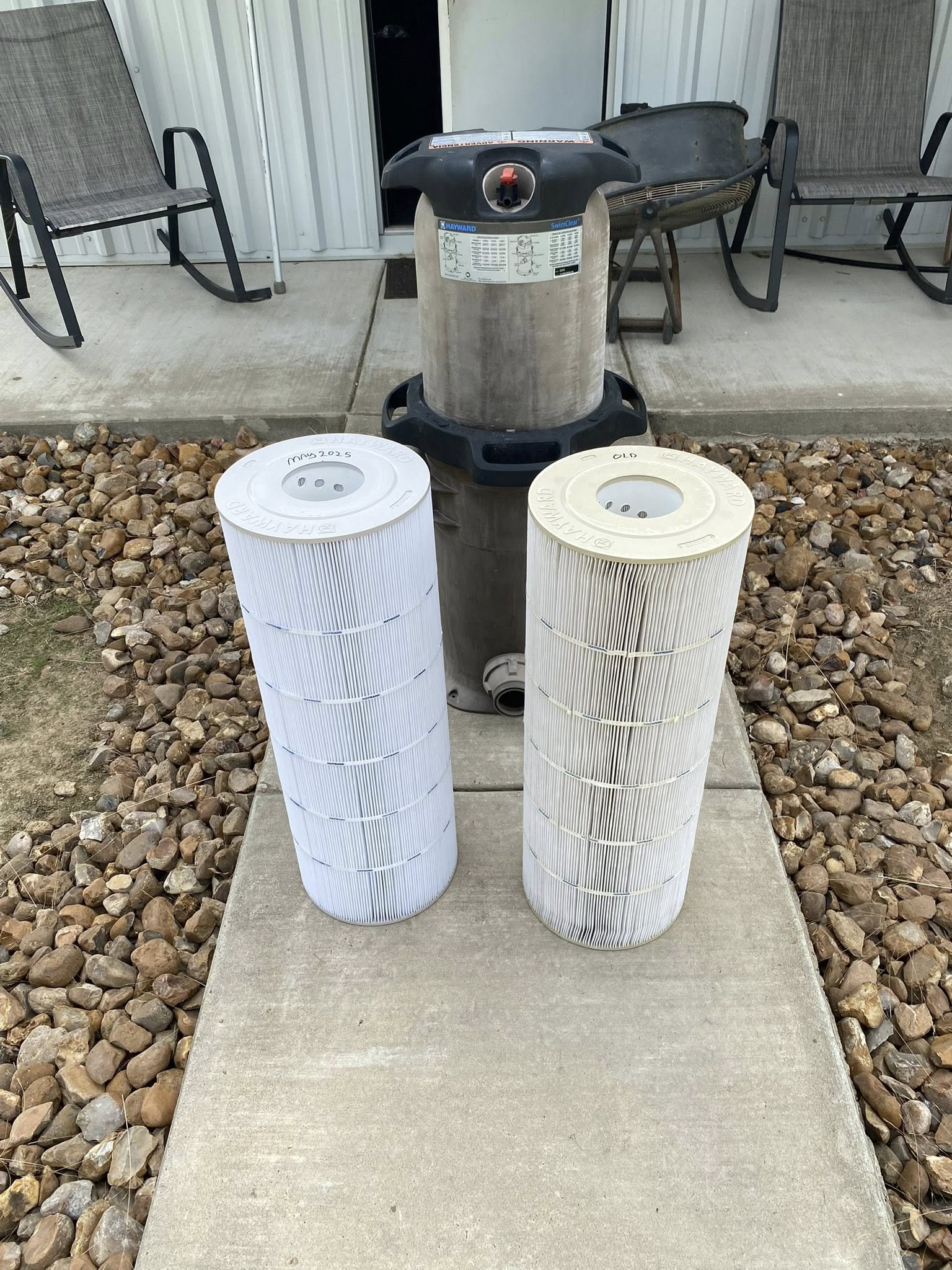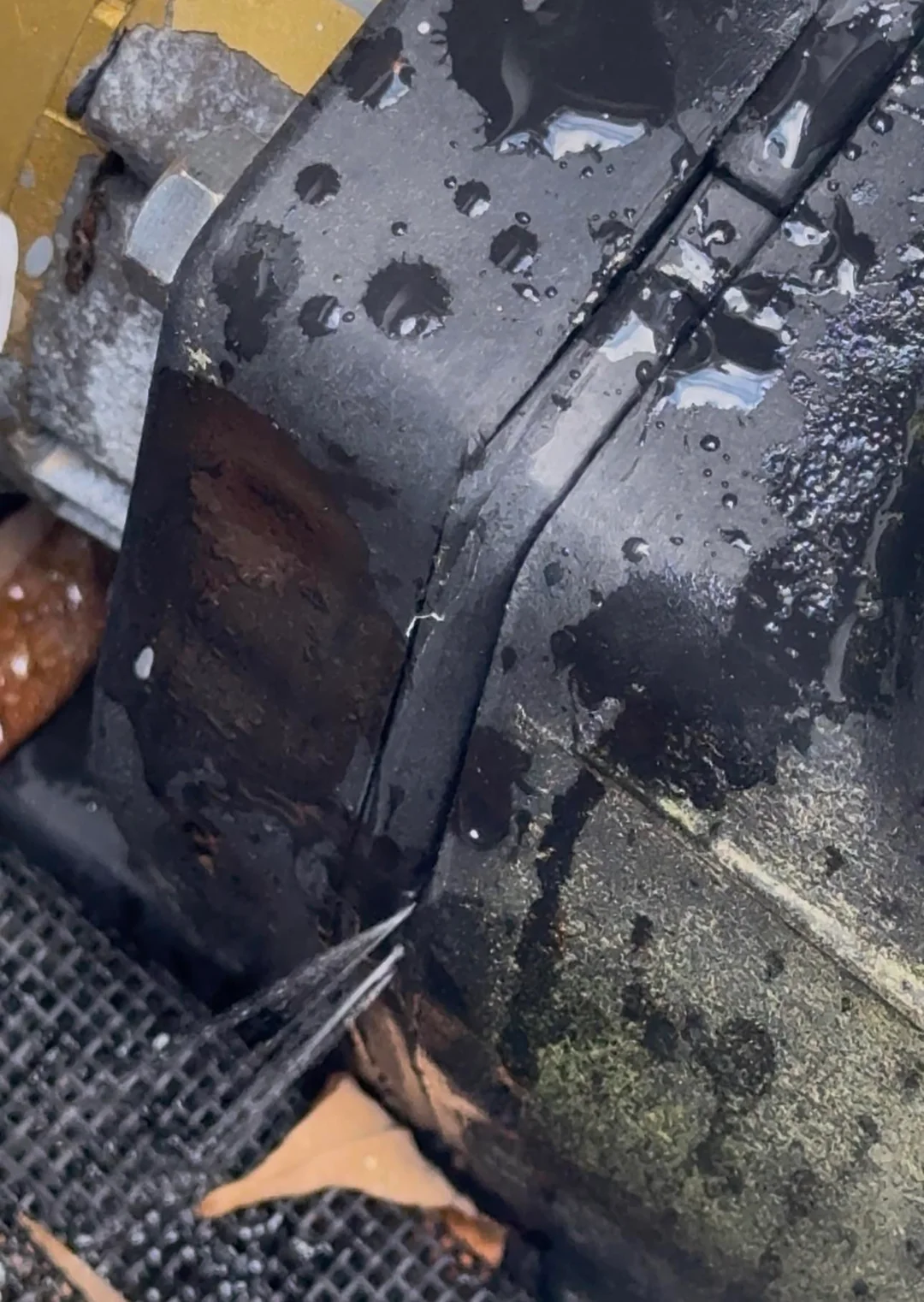
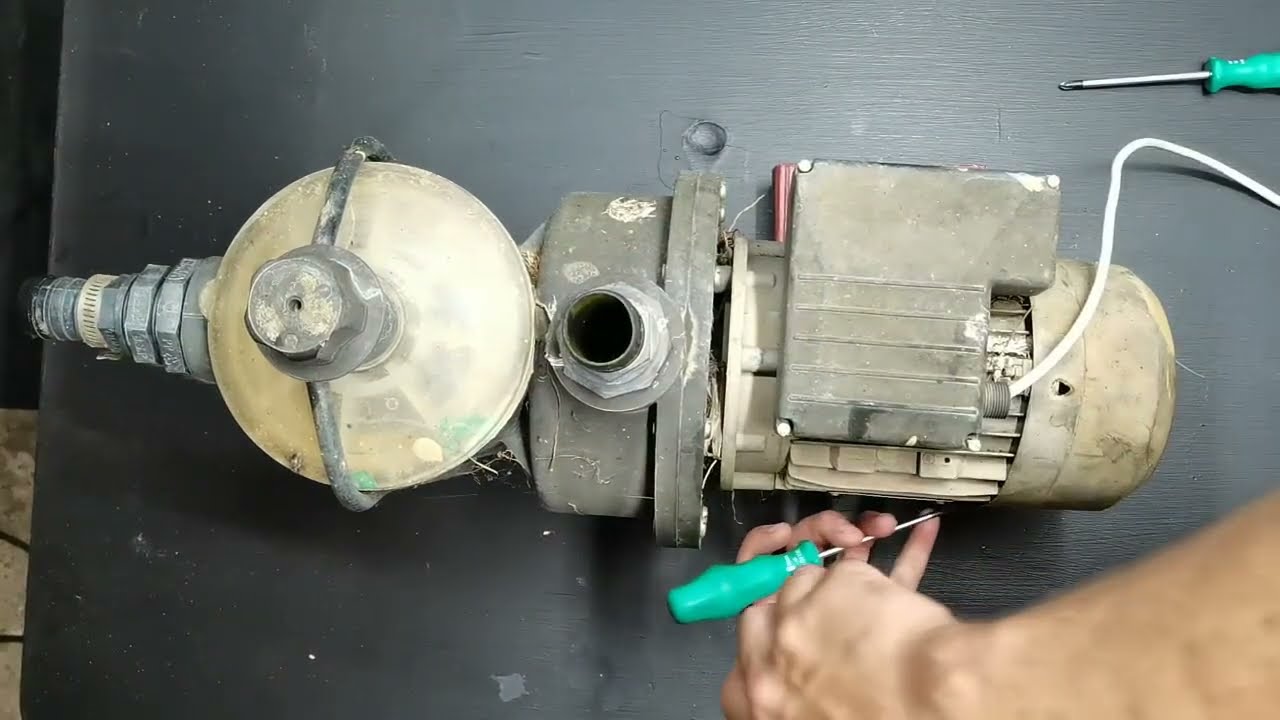
Treating pool heater soot buildup as minor grime is a mistake. Within a gas pool heater, the presence of dark residue typically signals incomplete combustion. This can stem from fouled burners, limited airflow, obstructed venting, or incorrect gas pressure—essentially, any factor that disrupts a healthy flame. Put simply, your equipment is struggling with a dirty burn. This is why following CDC carbon monoxide safety guidance remains critical whenever you are operating fuel-burning pool appliances.
What Soot Buildup in a Pool Heater Means
Soot in pool heater equipment is often tied to incomplete combustion. A healthy gas flame should burn cleanly and transfer heat through the heat exchanger. When the flame is starved for air, disrupted by debris, or fed by improper gas pressure, carbon residue can collect where it does not belong. The Department of Energy heating maintenance guidance also points to professional maintenance items like checking flame characteristics, testing for carbon monoxide, and removing dirt, soot, or corrosion from fuel-burning heating equipment.
A little dust around outdoor equipment is normal. Pool heater soot buildup is different. It looks darker, dirtier, and more like dry black residue near the burner area, exhaust, or heat exchanger path. If you see that, do not just wipe it and move on.
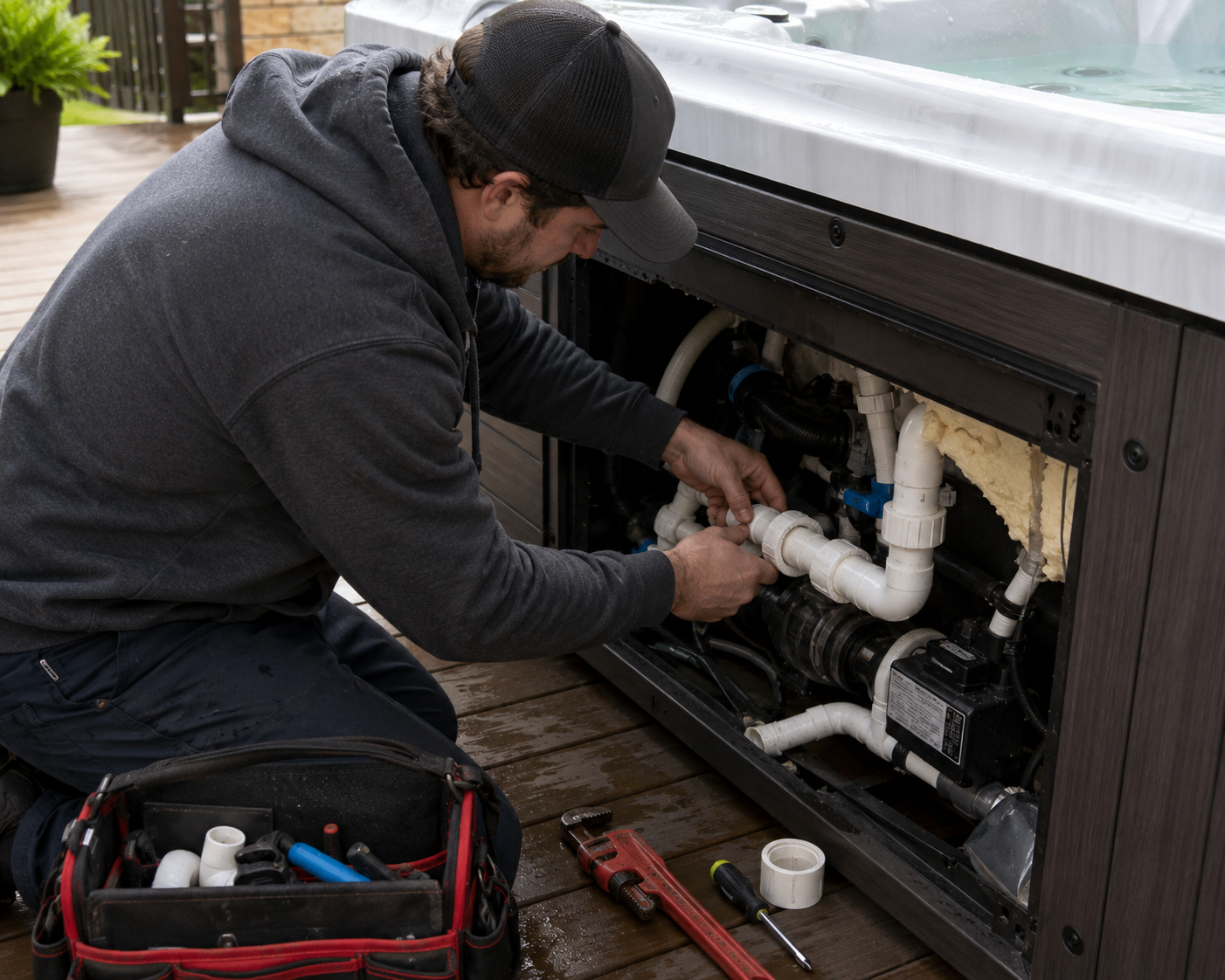
Signs Your Pool Heater May Have Soot Buildup
The tricky part is that a homeowner may notice the symptoms before seeing the soot. Watch for these warning signs:
- Black residue around the heater cabinet, exhaust area, or nearby wall
- A yellow, lazy, or irregular flame instead of a clean blue flame
- Unusual odor, smoke, or a hot metallic smell when the heater runs
- The heater starts, then shuts off or displays an error code
- Poor heating performance even though the system sounds like it is running
- Visible gas pool heater soot after a windy day, storm, or long stretch without service
Common Causes of Pool Heater Soot
Most pool heater soot buildup comes back to the flame. Dirty burners can clog with dust, leaves, rust flakes, or spider webs. Poor combustion air can happen when a heater is crowded, enclosed, or surrounded by stored items. Blocked venting can trap exhaust where it should not be. Gas pressure issues can also create a bad fuel-to-air mix.
Wrong fuel setup matters too. A heater built or converted for natural gas should not be treated like a propane unit, and vice versa. If the wrong orifice, regulator, or setup is involved, a pool heater flame problem can show up as soot, rough ignition, rumbling, shutdowns, or unreliable heating. For equipment-specific support, homeowners can compare their unit information with Pentair pool heater resources or the manufacturer documentation for their exact model.
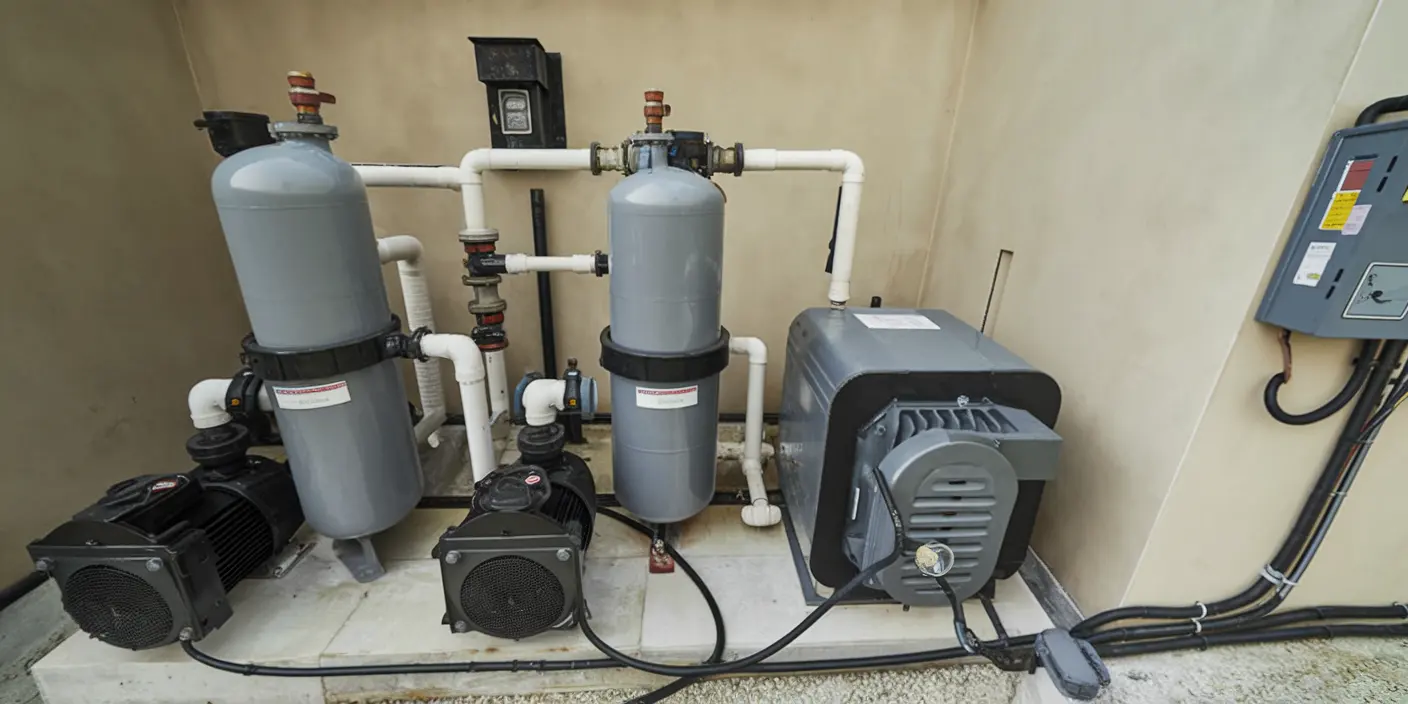
Why Soot Can Hurt Heating Performance
Soot acts like an ugly little blanket. It can block heat transfer, make the heater work harder, and push temperatures in the wrong direction inside the cabinet. Over time, pool heater soot buildup may contribute to overheating, sensor trips, ignition trouble, damaged components, and higher operating costs.
That is why “desooting” should not be treated like a random add-on charge with no explanation. A proper pool heater burner cleaning should be tied to an actual finding: visible soot, poor flame quality, restricted airflow, blocked burner openings, venting trouble, or a combustion issue that needs correction.
Why This Is Not a DIY Cleaning Job
This is the part where we lovingly take the screwdriver out of your hand. Gas pool heater soot is not the same as cleaning a skimmer basket. Cleaning soot without fixing the cause can leave the heater unsafe or make the problem return quickly. A technician should be able to inspect the burners, confirm ventilation, check safety controls, and verify gas pressure where appropriate.
The CPSC carbon monoxide information center calls carbon monoxide the “Invisible Killer,” and NFPA carbon monoxide safety also emphasizes CO alarms and safe fuel-burning equipment. So if you smell gas, see heavy soot, notice a yellow flame, or the heater is in an enclosed equipment room, shut the heater off and get qualified help before using it again.
People Also Ask
What causes soot buildup in a pool heater?
Pool heater soot buildup is usually caused by incomplete combustion, dirty burners, poor airflow, blocked venting, gas pressure problems, spider webs, debris, or the wrong fuel setup.
Is soot in a gas pool heater dangerous?
It can be. Soot can point to poor combustion, and fuel-burning appliances can create carbon monoxide if combustion or venting is not right. Heavy soot should be checked before the heater is used again.
Why is my pool heater flame yellow?
A yellow or lazy flame can mean the gas and air mixture is wrong, the burner is dirty, or the heater is not getting proper combustion air. That is a service call, not a guess-and-reset problem.
Can soot stop a heater from working?
Yes. Soot can interfere with heat transfer, sensors, burners, and safety controls. The heater may shut down, heat poorly, or throw error codes.
Should a pool heater burner be cleaned?
Yes, when buildup is present, but pool heater burner cleaning should be done carefully and paired with a diagnosis of why soot formed in the first place.
When should I call for heater service?
Call if you see black residue, smell gas, hear unusual rumbling, see a yellow flame, or notice the heater shutting down. PoolBurg can inspect the unit before a small issue turns into a dangerous one.
PoolBurg Can Check the Heater Before You Fire It Back Up
For gas-heated pools in Southlake, Grapevine, Keller, Las Colinas, Frisco, Plano, and Prosper, pool heater soot buildup is worth handling before the next cool-weather swim. PoolBurg can inspect burner condition, airflow, venting, gas pressure concerns, and safety controls so you are not guessing around a gas appliance.
If your heater has soot, strange flame behavior, or unreliable heating, schedule service with PoolBurg and let our team find the real cause before the unit is used again.