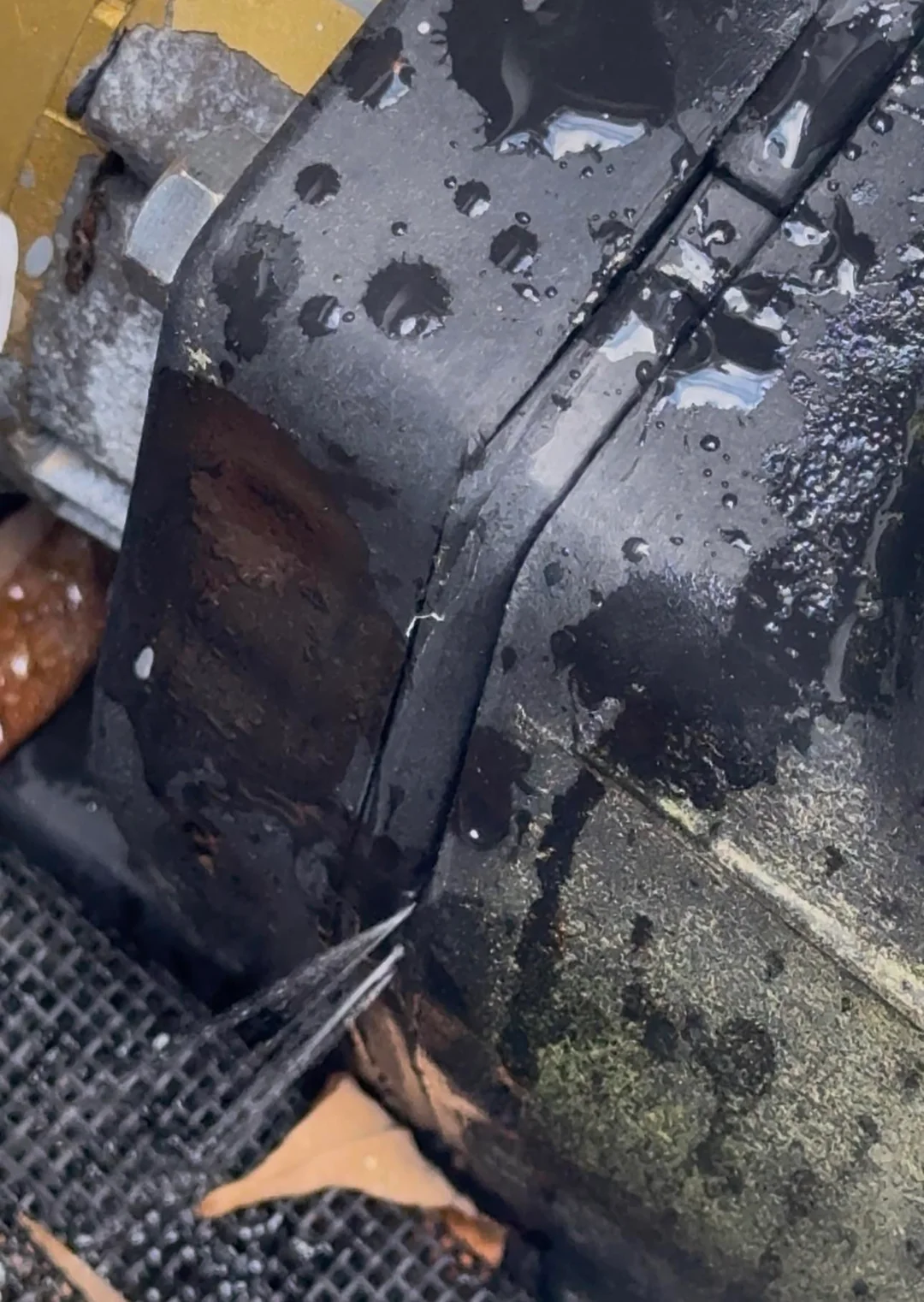
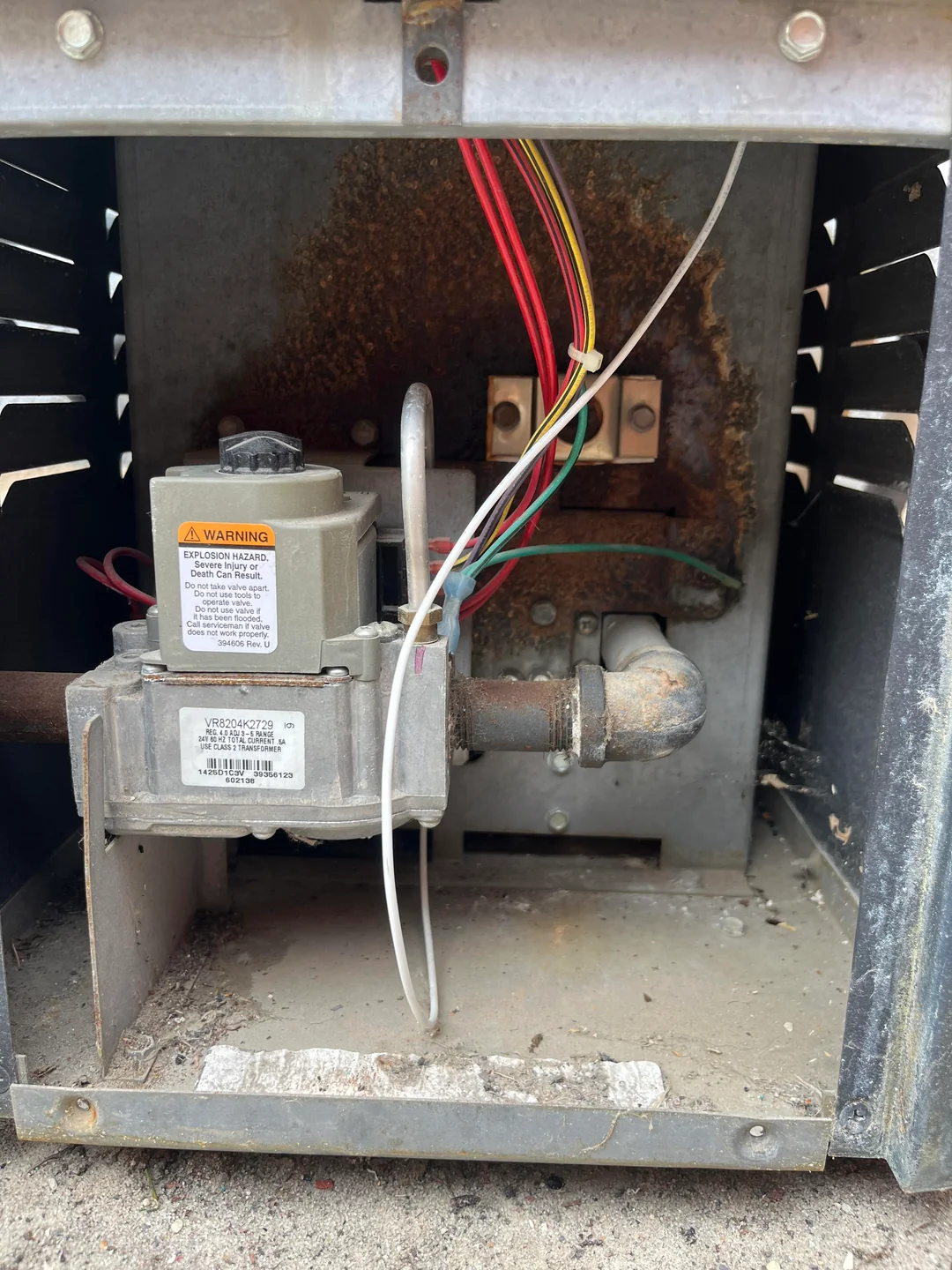
Pool heater rust may be nothing more than cosmetic surface wear, or it could be a serious warning sign that your equipment is failing. Determining if the corrosion is a minor blemish or a critical safety issue depends on its location and depth—especially when found near gas valves, burners, heat exchangers, or wiring. While a bit of exterior pool heater cabinet rust might be ignored for a season, rust inside the cabinet is a serious matter you should not ignore.
What Pool Heater Rust Usually Means
In simple terms, pool heater rust means metal has been exposed to moisture, chemicals, poor drainage, or age long enough to start breaking down. Light surface rust on an outer cabinet may be mostly cosmetic, especially on an older unit. But pool heater rust inside the cabinet can point to leaking plumbing, condensation, bad ventilation, salt exposure, or a heater that has been quietly neglected.
Gas heaters deserve extra respect. If rust is around the burner tray, wiring, gas valve, heat exchanger, rollout area, or exhaust path, do not treat it like chipped paint. Fuel-burning equipment can create carbon monoxide when combustion is not right, and CDC carbon monoxide safety guidance is a good reminder that odorless gases are nothing to play guessing games with.
Common Places Pool Heaters Rust
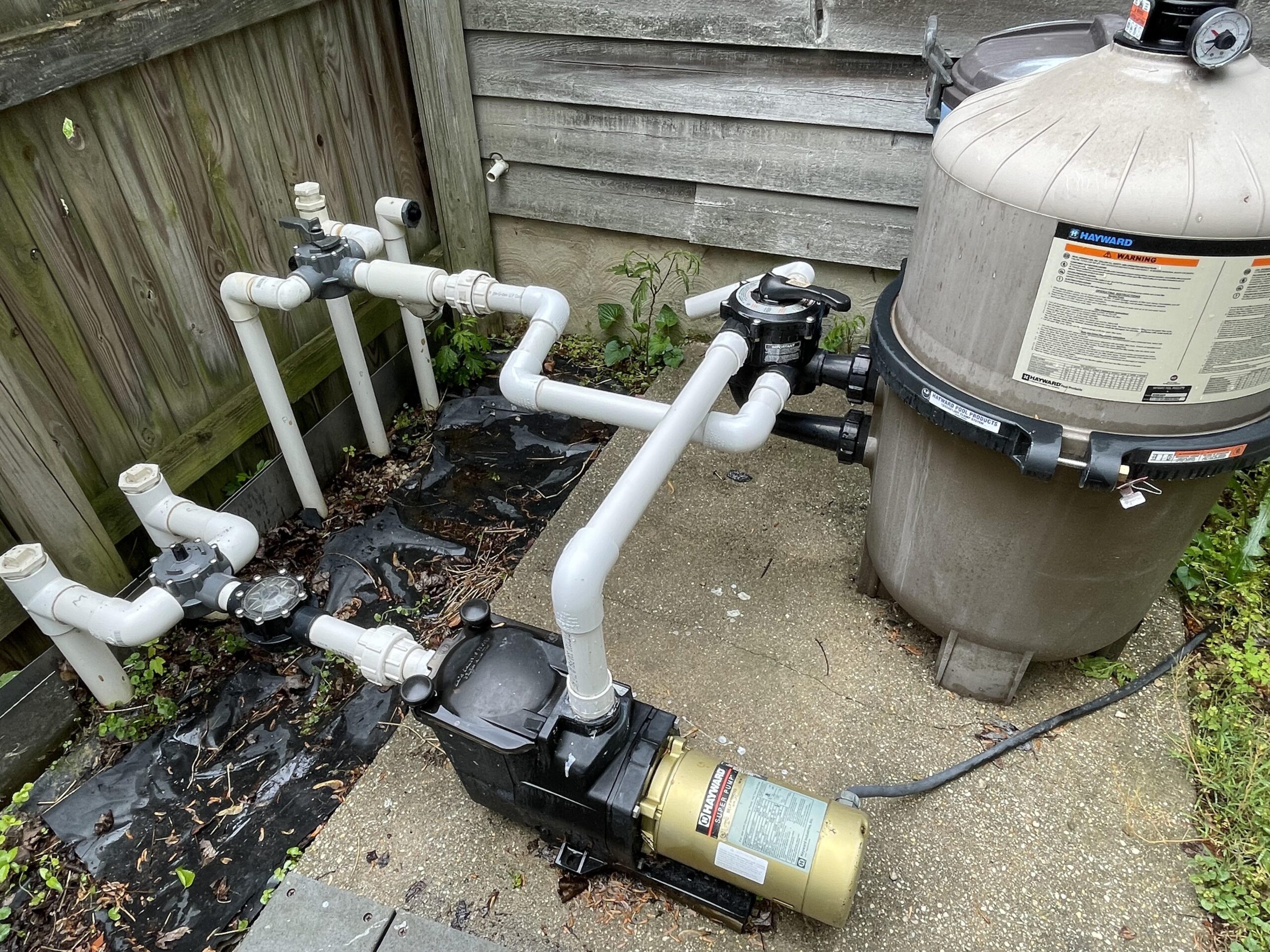
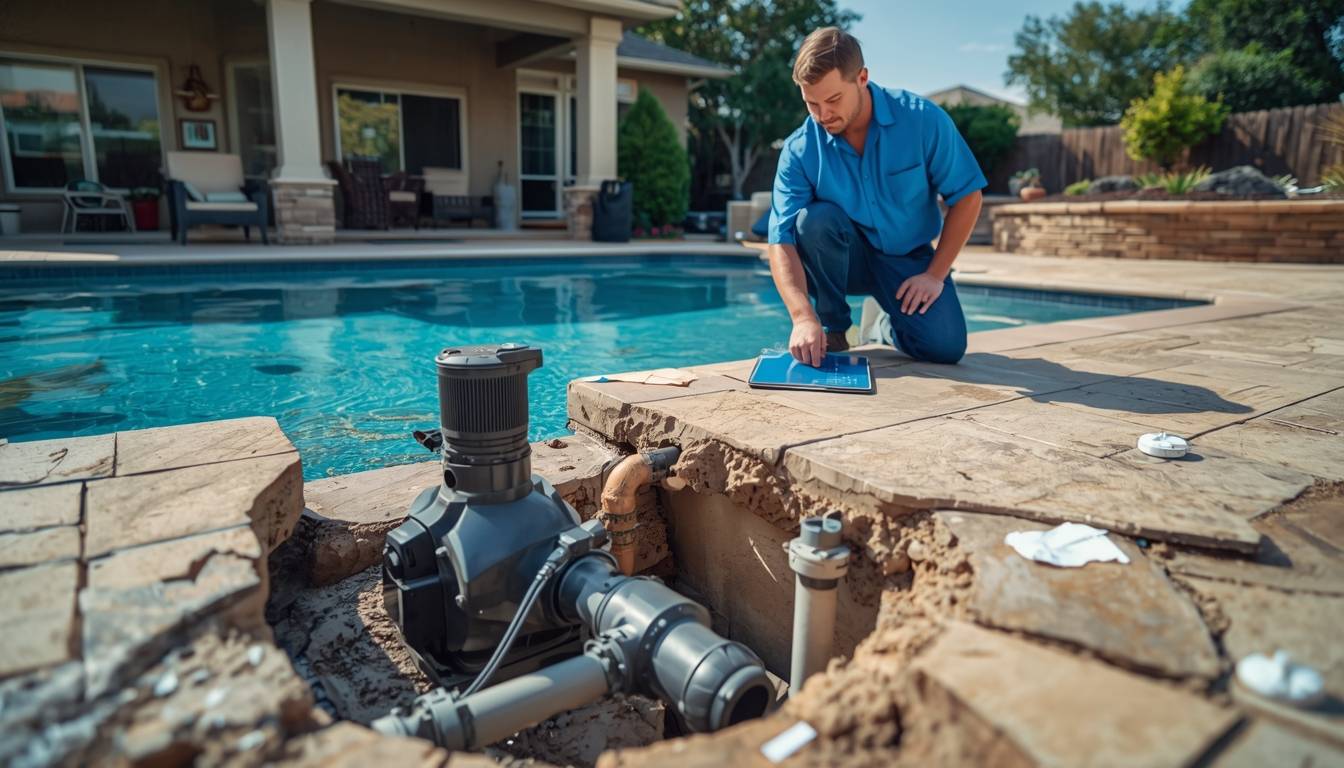
A rusty pool heater usually starts showing trouble in a few predictable places. The outer cabinet may rust first because it sits in rain, irrigation spray, or damp air. The bottom pan may rust when the equipment pad does not drain well. Plumbing unions may corrode if there is a slow drip. Inside the cabinet, pool heater corrosion around the burner area, heat exchanger, wiring, or exhaust opening is more concerning because those parts affect safe heating.
If you open the panel and see flakes, greenish corrosion, brittle wiring, or rust trails under a plumbing connection, that is no longer just ugly. It is evidence. The heater may still fire today, but the question is whether it is doing that safely and efficiently. For related warning signs, PoolBurg’s guide on pool heater soot buildup is worth pairing with this topic.
What Causes Pool Heater Rust?
The most common causes are boring, which is exactly why they get missed. Rain exposure, sprinklers hitting the heater, poor pad drainage, and leaves packed inside the cabinet can all hold moisture against metal. A leaking union or header can drip into the heater and create rust from the inside out. Saltwater pools can also speed up corrosion when mist, splash, or unbalanced chemistry reaches metal parts.
Chemical storage is another sneaky problem. Chlorine, acid, and other pool chemicals should not live right beside metal equipment, especially in a closed space. CDC pool chemical safety stresses safe chemical handling, and that same mindset helps protect equipment. If your salt pool has been fighting pH, this can also tie into saltwater pool pH problems and overall water balance.
When Pool Heater Rust Is a Warning Sign
Pool heater rust becomes more serious when it shows up with other symptoms. Watch for heater shutdowns, error codes, ignition trouble, soot, strange odors, water dripping into the cabinet, or rust flakes collecting inside the heater. A gas smell, burnt smell, or repeated ignition failure is a stop-and-call situation. The heater should not be forced to run just because the pool is cold and everyone wants the spa warm tonight.
Also pay attention to age. A newer heater with interior corrosion may have an active leak or installation issue. An older rusty pool heater with repeated service calls may be reaching the point where replacement makes more sense than chasing repairs. PoolBurg has a deeper breakdown on when to replace a pool heater if you are trying to make that call without getting talked into the most expensive option first.
Repair or Replace a Rusty Pool Heater?
Minor pool heater cabinet rust may be cleaned, monitored, and protected if the heater is otherwise healthy. A small plumbing drip may be repairable if caught early. But severe pool heater corrosion near combustion parts, the heat exchanger, gas components, or electrical controls is not a casual DIY weekend project. You need the cause diagnosed, not just the rust scraped away.
A good inspection should look at water leaks, gas connections, venting, burner condition, ignition, wiring, heat exchanger condition, and service history. CPSC carbon monoxide safety information is a helpful outside reference for why fuel-burning equipment deserves caution. If the unit is still repairable, routine care like pool heater service frequency can help keep rust and corrosion from becoming surprise failures.
People Also Ask
Is rust on a pool heater bad?
Sometimes. Exterior pool heater rust can be cosmetic, but rust inside the cabinet, near burners, wiring, gas parts, or the heat exchanger should be inspected.
Can a rusty pool heater be repaired?
Yes, if the rust is minor and the cause is repairable. Severe corrosion, active leaks, or damaged combustion parts may make replacement safer.
What causes pool heater corrosion?
Moisture, leaking plumbing, poor drainage, salt exposure, nearby chemical storage, age, and lack of maintenance can all cause pool heater corrosion.
Can saltwater damage a pool heater?
It can. Saltwater itself is not the villain, but salt mist, splash-out, and poor chemistry can speed up corrosion around metal heater parts.
When should I replace a rusty pool heater?
Consider replacement when rust is internal, repairs keep repeating, the heater shuts off often, safety parts are affected, or the heat exchanger is compromised.
Is rust near a gas pool heater dangerous?
It can be. Rust near gas, electrical, burner, or exhaust components should be checked before the heater is used again.
PoolBurg Can Inspect Pool Heater Rust Before It Gets Expensive
Pool heater rust is one of those problems that can be tiny today and expensive later. If you are in Southlake, Grapevine, Keller, Las Colinas, Prosper, Frisco, Plano, or nearby DFW areas, PoolBurg can inspect the cabinet, burner area, heat exchanger, wiring, plumbing, and safety controls so you know whether the rust is cosmetic, repairable, or a clear replacement sign.
Before you fire up a rusty pool heater for another weekend, contact PoolBurg and let us take a look. Warm water is great. Guessing with gas equipment is not.