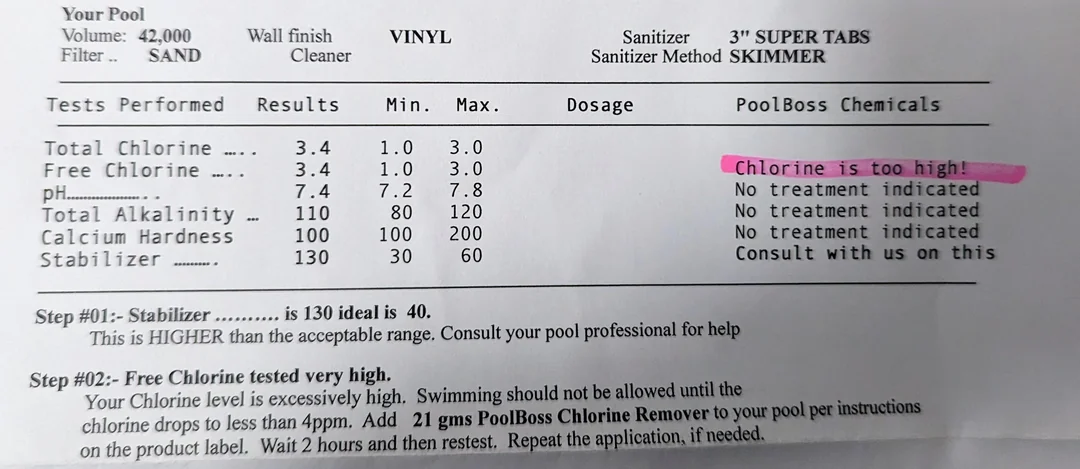
Pool calcium hardness too low can be sneaky because the water may still look clear. A test printout might even make it seem like 100 ppm is “fine,” especially on a vinyl pool. But calcium hardness is not just a plaster-pool detail. It is part of the bigger pool water balance picture, and when it drops too far, the water can become aggressive enough to bother surfaces, metals, and equipment over time.
What Calcium Hardness Means in Pool Water
Calcium hardness is the amount of dissolved calcium in the pool. Think of it like the mineral side of water balance. Too much calcium can create scale. Too little calcium can make the water hungry for minerals. Neither extreme is your friend.
For plaster, pebble, gunite, and tile pools, low calcium hardness pool problems matter because the water may start pulling calcium from the surface itself. For vinyl pools, the liner does not need calcium the same way plaster does, but soft pool water can still matter if there is a heater, metal fixture, grout, or other equipment in contact with that water. That is why pros often look beyond one reading and check the Langelier Saturation Index or a similar saturation balance tool.
Signs Calcium Hardness May Be Too Low
Pool calcium hardness too low does not always scream at you on day one. It usually whispers first. You may notice plaster that looks dull, rough, etched, or slightly pitted. Grout lines may look tired sooner than expected. Metal parts may show early corrosion. The water can also become harder to balance because calcium, pH, alkalinity, temperature, and stabilizer all work together.
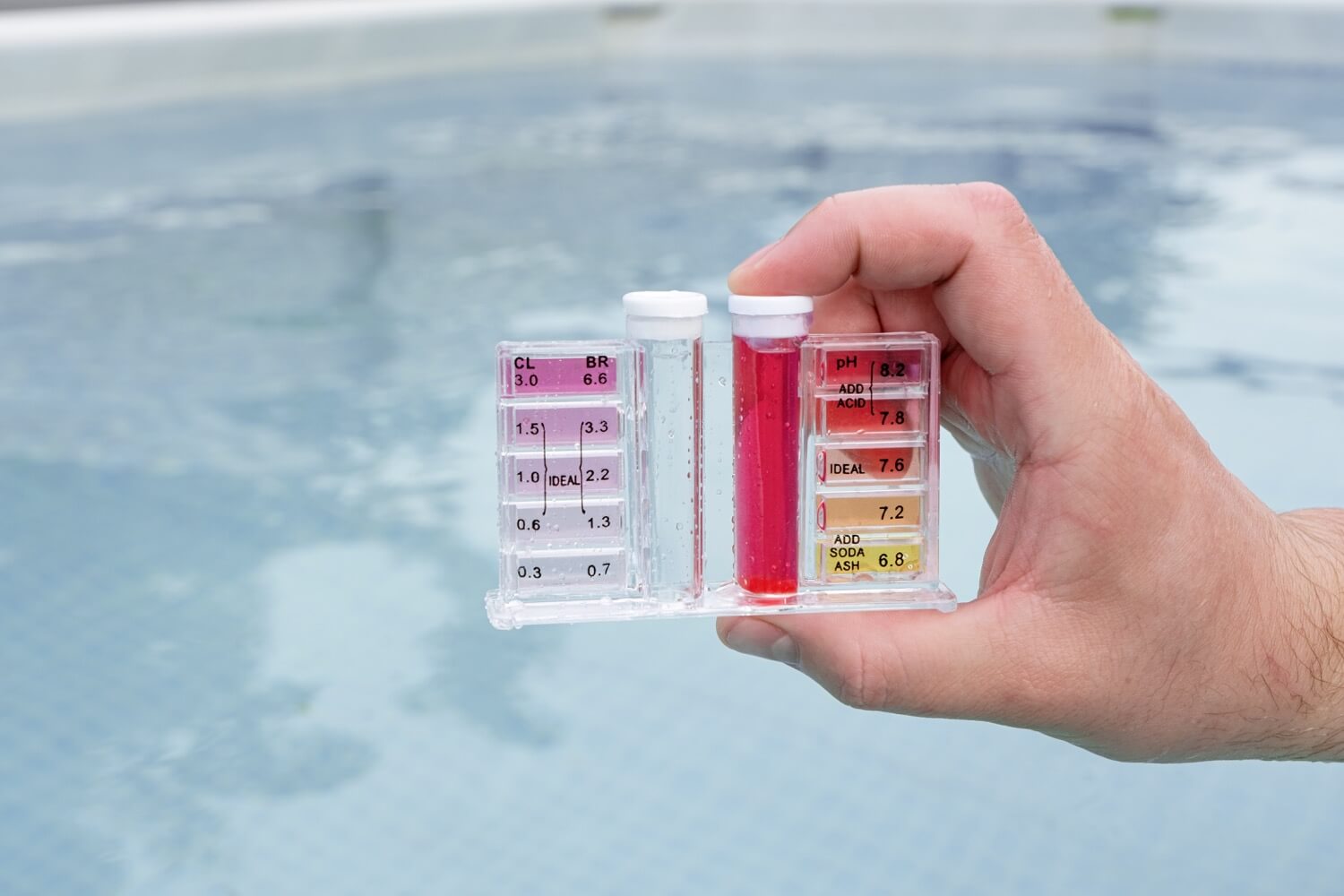
If the pool has a heater, do not ignore the number just because the water is clear. Low calcium hardness pool water can be part of an aggressive water condition, especially when pH and alkalinity are also low. PoolBurg often sees homeowners focus only on chlorine while the real issue is the whole chemistry picture. A reliable test using good pool water testing kits is the better starting point.
Why Low Calcium Hardness Is a Problem
The simple answer: water tries to balance itself. When pool calcium hardness too low combines with low pH or low alkalinity, the water may pull minerals from the easiest place it can find them. In a plaster pool, that can mean etching, pitting, and surface wear. Around waterline tile, it can contribute to rough grout and ugly edges. Inside equipment, it can increase corrosion risk.
That does not mean every slightly low reading is an emergency. It means the number should be read with the rest of the water. A pool at 100 ppm calcium with steady pH and alkalinity behaves differently from one at 100 ppm with low pH, heavy rain dilution, and a heater in the loop. That is also why the Orenda pool dosing calculator can be useful for seeing how one adjustment changes the whole balance.
What Causes Calcium Hardness to Drop?
Common causes include fresh fill water, heavy rain, partial draining, soft source water, splash-out followed by refill, and overcorrecting after high calcium. New plaster startup can also change the way calcium behaves, which is one reason water care after resurfacing needs more attention than the average weekly dip strip.
In North Texas cities like Frisco, Plano, McKinney, Allen, Prosper, Keller, and Southlake, calcium usually gets attention when it is too high because hard water and evaporation are common. Still, pool calcium hardness too low can happen after major dilution, new water, or a chemistry reset. After storms, it also makes sense to revisit basics like pool maintenance after rain instead of assuming the pool will rebalance itself.
How to Raise Calcium Hardness Safely
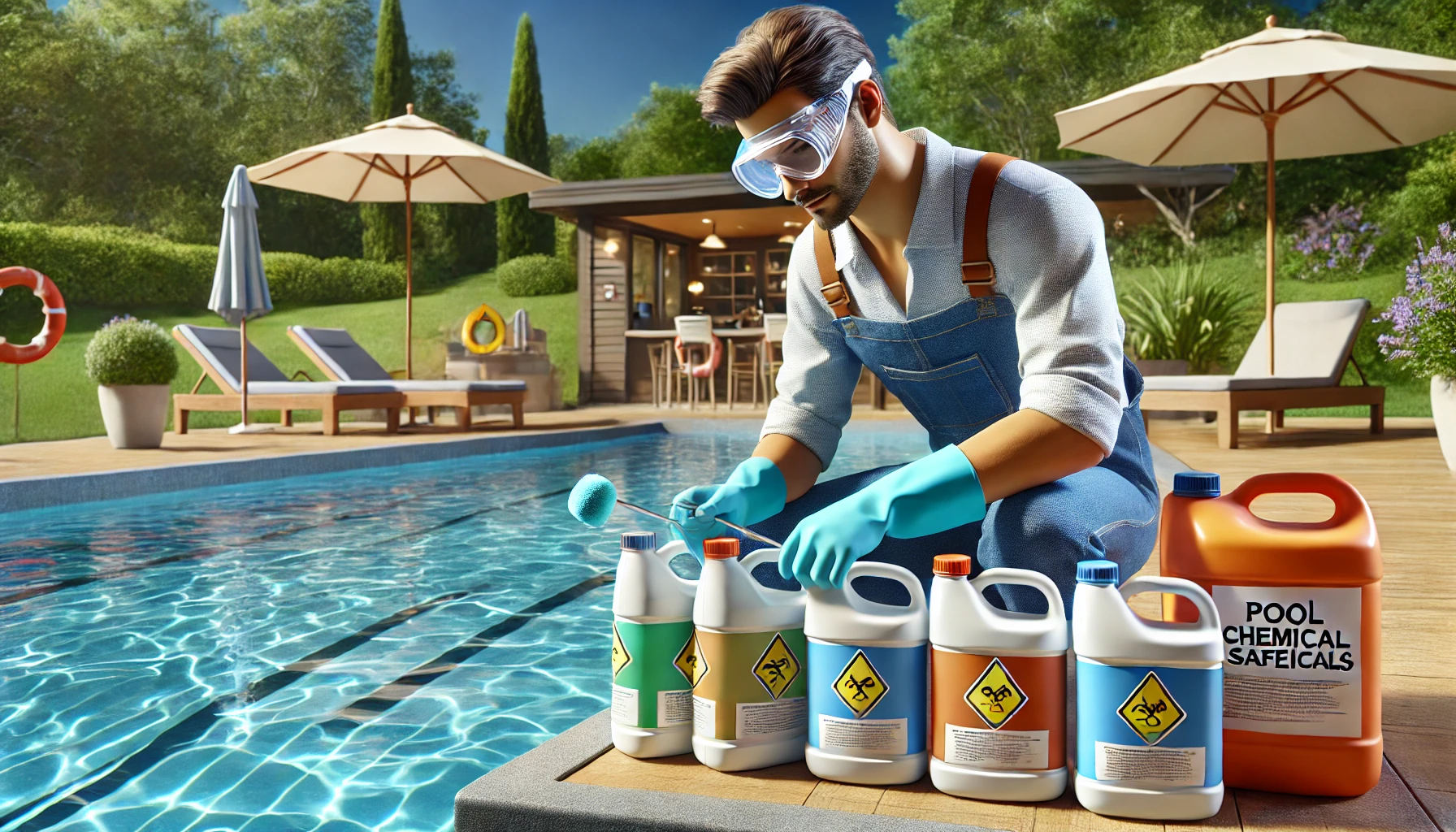
To raise calcium hardness, test first. Do not guess based on water feel. Calcium increaser is usually calcium chloride, and it should be added gradually according to the product label. Keep the pump running, add in small amounts, brush if needed, and retest after the water has circulated. If the label says to pre-dissolve, add chemical to water, not water to chemical, and avoid mixing it with any other pool chemical. The CDC chemical safety guidance is worth taking seriously here.
Do not try to fix pool calcium hardness too low by dumping in a huge dose all at once. Overshooting can create cloudy water, scaling, or another round of corrections. Also balance pH and alkalinity alongside calcium. PoolBurg can help with pool alkalinity too high, pH, calcium, and saturation balance together so you are not stuck in the classic pool-owner loop of fixing one number and breaking another.
People Also Ask
What happens if calcium hardness is too low?
If calcium hardness is too low, pool water can become aggressive. In plaster pools, that may lead to etching, pitting, roughness, and surface wear. It may also increase corrosion risk for metal parts and heaters when the rest of the water balance is off.
How do I raise calcium hardness in a pool?
Use a calcium hardness increaser, usually calcium chloride, and add it slowly according to the label. Circulate the water, brush if needed, and retest before adding more.
Can low calcium damage pool plaster?
Yes. A plaster or pebble surface can lose minerals when the water is undersaturated. That is one reason pool calcium hardness too low should be corrected before surface damage becomes obvious.
Is low calcium hardness bad for vinyl pools?
It is usually less urgent for the vinyl liner itself, but it can still matter for heaters, metal components, grout, and overall water balance.
Can rain lower calcium hardness?
Yes. Heavy rain can dilute pool water, especially if the pool overflows or water is drained afterward. After big storms, retesting calcium, pH, and alkalinity is smart.
Should calcium hardness be adjusted before pH?
Usually, test everything first. In many cases, pH and alkalinity are adjusted carefully while calcium is brought into range. The safest order depends on the full test results, not one number by itself.
PoolBurg Can Balance the Water Before It Starts Fighting the Pool
Pool calcium hardness too low is not something to panic over, but it is something to understand. Clear water can still be aggressive water. If your calcium reading looks low, your test results are confusing, or you are worried about plaster, tile, heater corrosion, or soft pool water, PoolBurg can test the full chemistry picture and help you raise calcium hardness safely.
For homeowners in Frisco, Plano, McKinney, Allen, Prosper, Keller, Southlake, and nearby DFW areas, contact PoolBurg and let us help your pool water protect the surface instead of slowly attacking it.