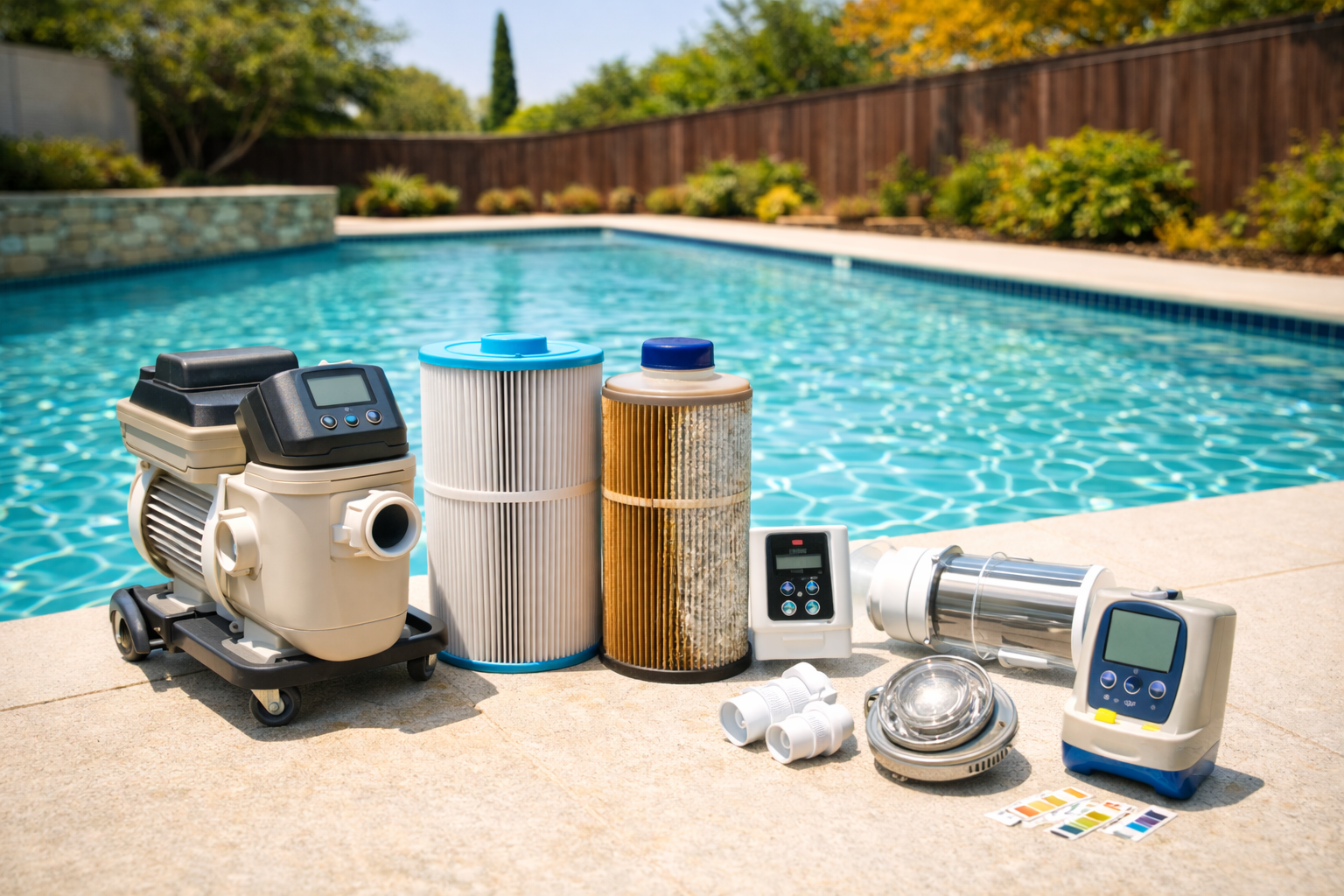
Some pool problems are loud. A broken pump screams. A clogged basket starves the system. Green water basically walks into the backyard wearing a neon sign. But phosphates? They’re sneaky. If your Dallas-Fort Worth pool looks clear after a shock treatment and then turns dull, dusty, or algae-prone a few days later, pool phosphate remover may be the missing piece in the story.
At PoolBurg, we see this all the time in DFW pools. The chlorine gets blamed first, then the filter, then the weather, then somebody’s dog. And sometimes, sure, those things matter. But when phosphates are high, algae has a buffet waiting for it. A good phosphate remover for pools does not replace chlorine or brushing, but it can make your water much easier to manage.
What Does a Pool Phosphate Remover Actually Do?
A pool phosphate remover lowers the amount of phosphate in the water. Phosphates are nutrient compounds that can enter your pool from leaves, soil, fertilizer, rainwater, swimmer waste, and even certain cleaning products. In natural water systems, the EPA explains that excess nutrients can encourage algae growth. Your backyard pool is not a lake, obviously, but algae is still algae. Give it sunlight, warm water, and nutrients, and it gets bold fast.
Most pool phosphate treatment products work by binding phosphates so the filter can catch them. That is why phosphate treatment for pool water usually goes hand-in-hand with circulation and filter cleaning. Pouring in a liquid phosphate remover for pool water and walking away is like sweeping the kitchen and never picking up the dustpan.
Where Do Phosphates Come From in DFW Pools?
DFW pool owners deal with a fun little mix of wind, heat, pollen, yard work, and sudden storms. That is prime phosphate weather. A pool phosphate remover becomes especially useful when your pool keeps getting hit with organic debris.
- Lawn fertilizer blowing or washing into the pool after watering or rain
- Leaves, grass clippings, mulch dust, and soil from landscaping
- Pollen and airborne dust during spring and windy North Texas weeks
- Swimmer load, sunscreen, body oils, and pets using the pool like a personal lake
- Poor filtration or a dirty filter that lets fine material keep circulating
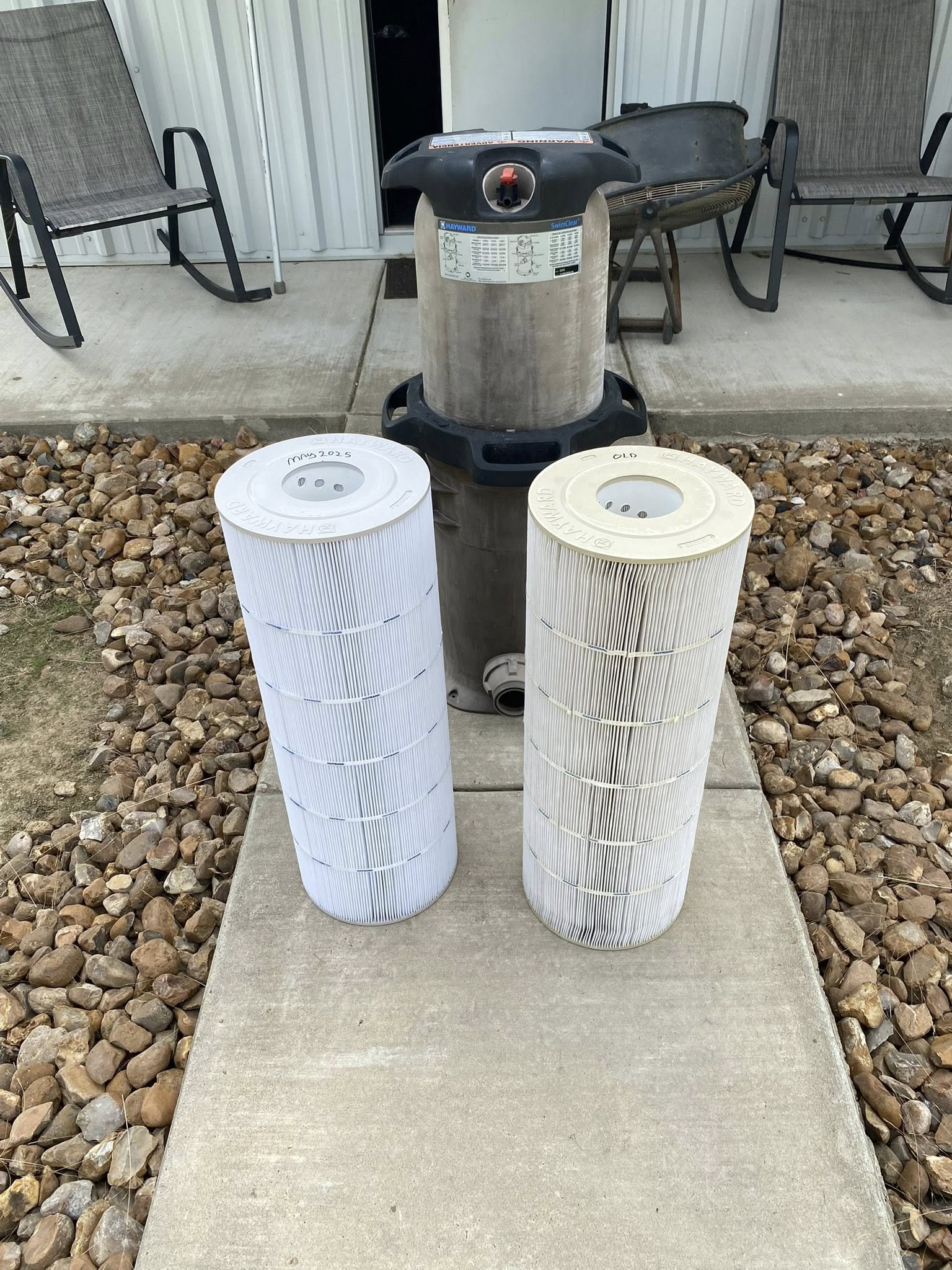
That last one matters more than people think. If the filter is struggling, a pool phosphate treatment will not get the clean finish you want. Pairing treatment with pool filter cleaning or pool filter repair can make the difference between “kind of better” and “finally, that sparkle is back.”
Signs You May Need a Phosphate Treatment for Pool Water
You do not need to panic over every phosphate reading. A pool can have phosphates and still look fine when the rest of the chemistry is dialed in. The real warning sign is a pattern: algae keeps coming back even after normal cleaning and chemical correction.
- Green dust or yellow-green film returns quickly after brushing.
- The water gets cloudy even though chlorine is present.
- You are using more sanitizer than usual to keep the pool clear.
- Algae blooms appear after storms, landscaping work, or heavy swim weekends.
- Your phosphate test comes back high and the pool has already been balanced.
When the water is already green, start with cleanup first. PoolBurg’s green pool cleaning is built for those “okay, this got out of hand” moments. Once the pool is cleaned up, pool phosphate remover can help reduce the food source that lets algae bounce back.
How to Use Liquid Phosphate Remover for Pool Water
Always follow the product label. Different brands dose differently, and overdosing can leave the water cloudy for a bit. The general process looks like this:
- Test the water first. Guessing is how people waste money on chemicals they do not need.
- Balance chlorine, pH, alkalinity, and sanitizer levels before treating phosphates. The CDC’s pool operation guidance highlights the importance of maintaining proper disinfectant and pH levels for safer water.
- Brush the pool and remove leaves or debris so the product is not fighting yesterday’s mess.
- Clean or backwash the filter, because the filter has to catch what the pool phosphate remover binds up.
- Add the liquid phosphate remover for pool water according to the label dosage.
- Run the pump long enough for full circulation, then clean the filter again if pressure rises or water clouds.
- Retest after the water clears and repeat only if the reading and pool condition call for it.
For extra product-specific reading, brands like Natural Chemistry PHOSfree and SeaKlear phosphate removers explain how their formulas are meant to be used with circulation and filtration. But again, the best phosphate remover for pool care is not just the strongest bottle on the shelf. It is the right product, at the right dose, used after the pool has been tested.
PoolBurg note: If the pool is green, cloudy, and full of debris, do not start with phosphate remover. Start by fixing the water, cleaning the pool, and checking filtration. Then use phosphate remover as a support move, not the whole strategy.
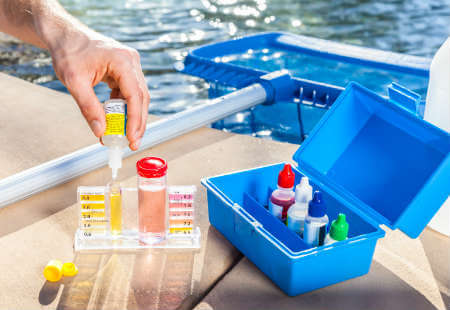
What Is the Best Phosphate Remover for Pool Owners?
The best phosphate remover for pool owners depends on the water reading, pool size, filtration system, and how bad the algae pressure is. For most residential pools, a liquid phosphate remover for pool maintenance is common because it is easy to dose and works through the filtration system.
Still, the product is only one part of the plan. If your pool is constantly drifting out of balance, a recurring weekly pool service plan usually beats the cycle of shock, hope, frustration, repeat. That is especially true in hot DFW weather when algae can move fast.
Phosphates vs. Chlorine: Don’t Make Them Fight Each Other
Here is the big misunderstanding: pool phosphate remover is not a sanitizer. It does not kill germs. It does not replace chlorine. The CDC’s pool chemical safety guidance is clear that chemicals need to be handled properly and used for their intended job. Chlorine sanitizes. Filtration removes particles. Phosphate remover lowers a nutrient source that algae can use.
Quick Comparison
| Pool Care Tool | What It Does | What It Does Not Do |
| Chlorine | Sanitizes water and helps control algae | Does not remove phosphate nutrients |
| Pool phosphate remover | Binds/removes phosphates through filtration | Does not sanitize water |
| Filter cleaning | Helps remove captured debris and treated particles | Does not balance chemistry by itself |
| Brushing/vacuuming | Breaks up algae films and removes visible debris | Does not correct water chemistry alone |
When PoolBurg Should Handle It for You
If your water is clear and you simply want phosphate testing added to your routine, our pool chemical service can help keep the water from becoming a guessing game. If the pool has visible dirt, algae dust, or surface buildup, start with professional pool cleaning service so the phosphate treatment has a cleaner pool to work with.
For homeowners with salt systems, phosphates can still show up. Saltwater pools are not magic; they still need balanced water, clean filtration, and steady inspections. Our salt water pool maintenance team can check the salt cell, chemistry, and phosphate level together instead of treating one symptom at a time.
And if your pool has a recurring phosphate issue, it may be part of a bigger maintenance pattern. PoolBurg provides pool maintenance and broader pool services in DFW for homeowners who want the pool handled before it turns into a weekend project with a receipt longer than a grocery run.
Simple Ways to Keep Phosphates Lower Between Services
- Skim leaves and debris before they sink and break down.
- Keep fertilizer away from the pool edge and avoid applying it before heavy rain.
- Brush steps, corners, benches, and shallow ledges weekly.
- Clean cartridges or backwash filters after storms and heavy algae cleanup.
- Test before treating, especially if the water looks fine but keeps losing sparkle.
A pool phosphate remover works best when it is part of a routine, not a panic button. The goal is not to chase a perfect number every week. The goal is water that stays clear, comfortable, and easier to maintain.
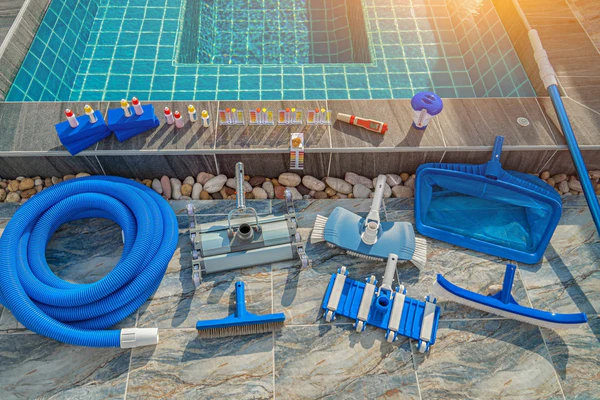
Final Takeaway: Pool Phosphate Remover Is a Helper, Not a Hero
Pool phosphate remover can be a smart fix when algae keeps returning and your phosphate levels test high. But it should sit inside a full care plan: balanced water, clean filtration, brushing, proper sanitizer, and regular testing. When all of those pieces work together, the pool stops acting dramatic every time DFW weather changes its mind.
Need help figuring out whether your pool needs phosphate remover for pools, a deeper clean, or a full pool phosphate treatment plan? Contact PoolBurg and we will help you get the water back on track without turning your backyard into a chemistry lab.
FAQ: Pool Phosphate Remover
How often should I use pool phosphate remover?
Only when testing shows high phosphates and the pool condition supports treatment. Routine use without testing can waste product and sometimes cloud the water.
Can I swim after using phosphate remover for pools?
Follow the product label. Many treatments require circulation time and filtration before the water looks its best.
Will phosphate treatment for pool water clear a green pool?
Not by itself. Green water usually needs brushing, cleaning, proper chlorine, filtration, and sometimes professional algae cleanup first.
Is pool phosphate treatment needed for saltwater pools?
Sometimes, yes. Salt systems create chlorine, but they do not stop phosphates from entering the water through debris, fertilizer, pollen, and runoff.