Pool valve replacement is one of those repairs that sounds tiny until the whole pool starts acting weird. One day the spa will not spill over right. The next day the cleaner barely moves. Then you notice a wet spot around the equipment pad and think, “Okay… something is definitely not happy back there.”
For Dallas-Fort Worth pool owners, valves live a rough life. They sit outside in the heat, deal with hard water, get twisted back and forth during cleaning, and sometimes take a punch from winter freeze damage. So when a valve starts leaking, sticking, or sending water the wrong direction, it is not just annoying. It can affect circulation, filtration, heating, spa operation, and even the lifespan of the pump.
That is exactly where PoolBurg helps. Our Pool Equipment Repair service covers valves, actuators, plumbing fittings, pumps, filters, heaters, automation, salt systems, and the whole equipment pad puzzle. Because most valve problems are not random. They are usually connected to pressure, old seals, cracked plumbing, poor flow, or automation that is no longer turning the valve correctly.
Good pool valve replacement is not just “swap the part and leave.” It is figuring out why the valve failed, what it controls, and whether the rest of the system is still moving water the way it should.
What Pool Valves Actually Do
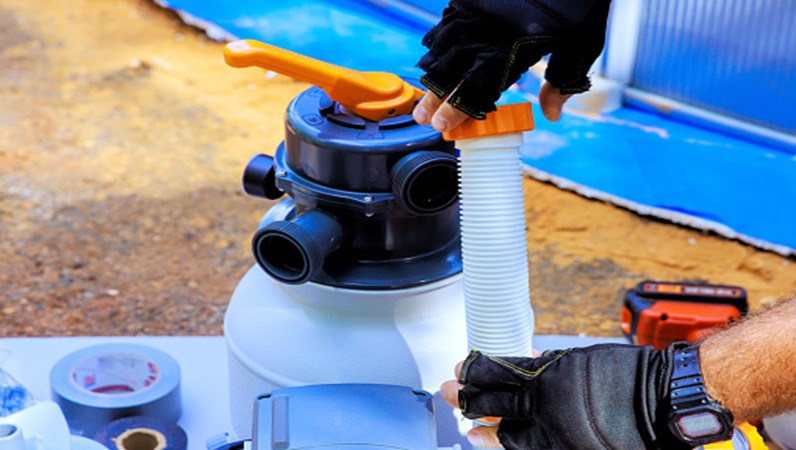
Your pool has valves because water needs directions. A valve tells water where to go, how much should go there, and when a feature should turn on or off. A pool diverter valve, for example, may control suction between the skimmer and main drain, return flow to the pool or spa, a water feature, a heater bypass, or cleaner line pressure.
Most homeowners only think about valves when something goes wrong. Fair. They are not exactly the glamorous part of the backyard. But valves are the traffic cops of the entire equipment pad. When one fails, the rest of the system starts guessing.
- Two-way valves open or close flow through one line.
- Three-way valves split or redirect water between two lines.
- Check valves help prevent water from flowing backward.
- Actuated valves connect to automation so your system can turn valves automatically.
Brands like Pentair pool valves, Jandy valves, Hayward valves, and similar products are common around DFW. The right part matters because valve size, plumbing layout, automation compatibility, and handle orientation all need to match the system.

Signs You May Need Pool Valve Replacement
Not every valve issue means full pool valve replacement. Sometimes a technician can replace an o-ring, lubricate a stem, tighten a lid, or rebuild the diverter assembly. But there are a few signs that usually mean the valve is past its “quick fix” era.
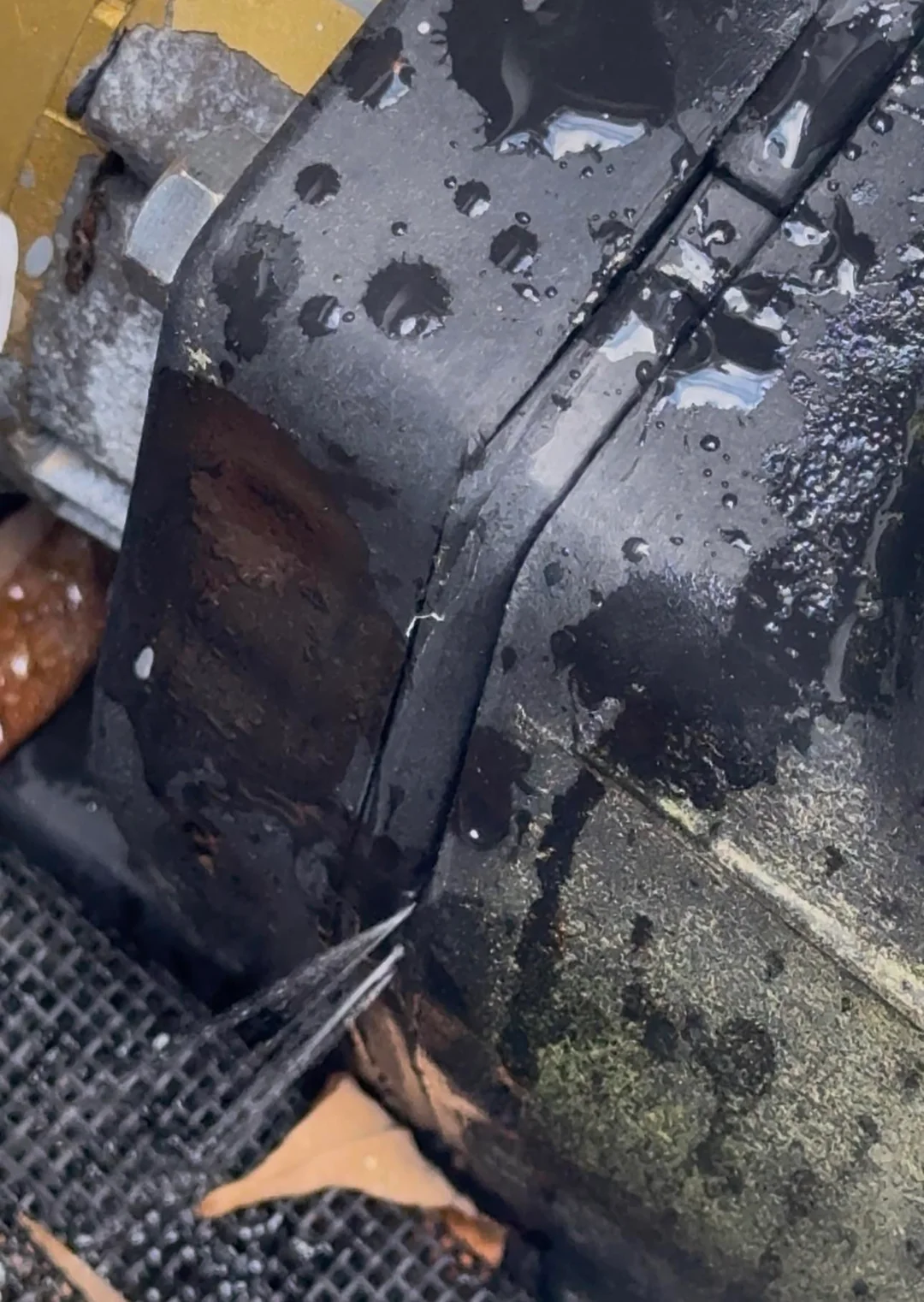
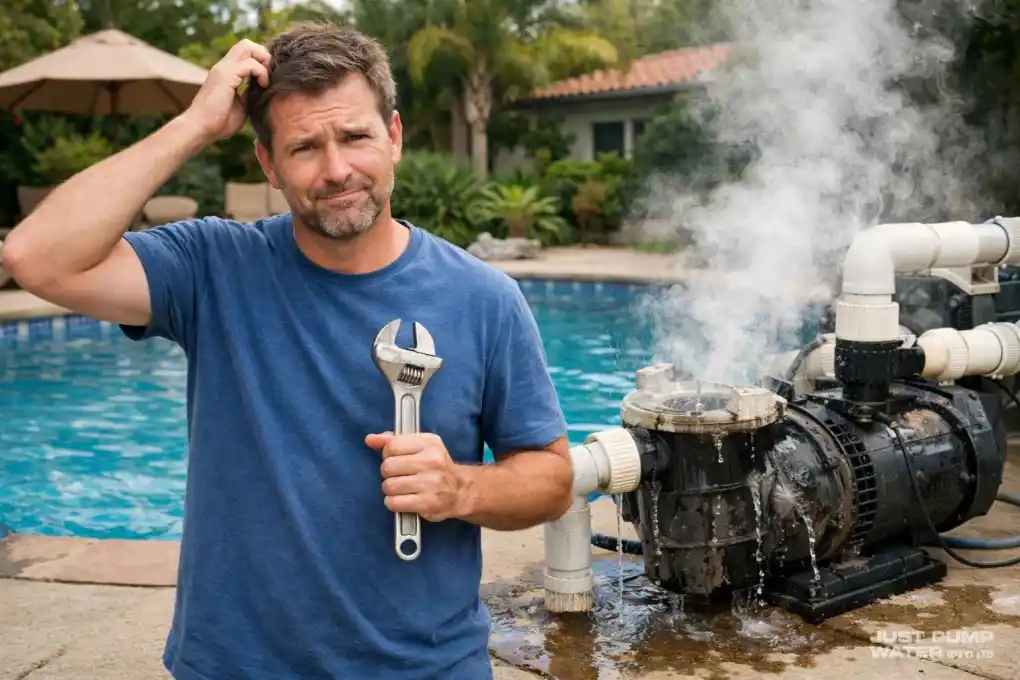
- Water is leaking around the valve body. A small drip can become pump strain, water loss, and air in the system.
- The handle is hard to turn. This often points to worn internals, mineral buildup, or a failing diverter.
- The valve is cracked. DFW freezes can split PVC, valve housings, unions, and fittings.
- The spa drains when the system shuts off. This can mean a failed check valve or a valve that is not sealing correctly.
- Water features no longer get enough flow. The valve may not be opening fully, or it may be diverting water incorrectly.
- Automation says one thing, but the valve does another. That is when pool actuator repair becomes part of the conversation.
When the symptom looks like a leak but the source is not obvious, PoolBurg can also check for related plumbing issues through Pool Leak Detection. A leaking valve and a leaking underground line can look similar at first glance, especially when water is pooling around the equipment pad.
Pool Actuator Repair vs. Valve Replacement
Here is where things get a little sneaky. Sometimes the valve itself is fine, but the actuator is not. The actuator is the motorized box mounted on top of certain valves. It turns the valve automatically when your pool changes from pool mode to spa mode, activates a water feature, or follows a schedule from the automation system.
So before recommending pool valve replacement, a good technician should check whether the problem is actually pool actuator repair. A failed actuator can make it look like the valve is stuck, misaligned, or ignoring commands. The issue could be a bad motor, stripped gears, incorrect cam settings, wiring trouble, or an automation communication problem. Products like the Hayward GVA-24 valve actuator are examples of the kind of equipment often used to automate valve movement.
If your system has automation, our Automation & Salt Conversions team can help connect the dots between the controller, actuator, valve position, and actual water flow. Because replacing a valve when the actuator is the real problem is like buying new tires because the steering wheel is crooked. Technically related, but not the fix.
Why Pool Valves Fail Faster in DFW
Dallas-Fort Worth is not gentle on pool equipment. Summer heat bakes plastic parts. Hard water can leave scale around moving components. Freeze events can expand trapped water inside plumbing and crack valve housings. Add normal wear and tear, and pool valve replacement becomes a pretty common part of pool equipment repair around North Texas.
PoolBurg sees this across pumps, filters, heaters, and plumbing too. A cracked valve after a cold snap may be part of a bigger equipment-pad issue. A sticky pool diverter valve may be connected to high filter pressure. A valve that keeps leaking after new seals may have warped from age, heat, or freeze stress.That is why we like looking at the whole system, not just the obvious part. If your pool is also struggling with cloudy water, weak returns, or a heater that keeps shutting down, valve problems may be affecting more than one piece of equipment. For seasonal maintenance, Weekly Pool Service can help catch those early warning signs before a valve issue turns into a weekend-ruining surprise.
What Happens During a Professional Pool Valve Replacement?
A proper pool valve replacement is tidy, intentional, and tested before the technician leaves. The process usually looks something like this:
- System diagnosis: Identify what the valve controls and whether the problem is the valve, actuator, plumbing, pressure, or automation.
- Flow check: Confirm water is moving through the right lines and that the pump is not pulling air.
- Valve selection: Match the correct two-way, three-way, check valve, or actuator-compatible valve.
- Plumbing cutout: Remove the failed valve without damaging nearby unions, elbows, or tight equipment-pad plumbing.
- New installation: Install the replacement valve with proper alignment, primer, cement, cure time, and handle orientation.
- Pressure and leak test: Run the system, inspect joints, confirm flow, and verify the valve works under real operating conditions.
If heating or spa operation is part of the issue, our Pool Heating and Cooling service may also be relevant. A valve that sends poor flow through a heater can trigger shutdowns, error codes, or inconsistent water temperature.
Can You Replace a Pool Valve Yourself?
Some handy homeowners can replace a simple valve. But here is the honest version: PVC work around a pool equipment pad can go sideways fast. There may be limited pipe length to work with, older brittle plumbing, tight spacing, unions that no longer line up, or automation that needs recalibration afterward.
DIY pool valve replacement also gets risky when electrical automation, heater bypasses, spa suction, or pressure-side plumbing is involved. Cut the wrong line or rotate the valve body the wrong way, and you can create a brand-new problem with a very confident glue joint.
If you are buying a home with a pool, this is also something worth checking before closing. A frozen, leaking, or misplumbed valve can reveal deeper equipment issues. PoolBurg’s Pool Inspection service is built for that exact “please tell me what I’m actually inheriting” moment.
Repair or Replace? Quick Decision Table
| Problem | Likely Fix | Why It Matters |
| Loose handle or minor lid seepage | Seal, o-ring, or diverter rebuild | May not require full pool valve replacement. |
| Cracked valve body | Replace the valve | Cracks usually keep spreading under pressure. |
| Automation not turning valve | Pool actuator repair | The motor or settings may be the issue, not the valve body. |
| Spa drains after shutdown | Check valve or diverter diagnosis | Backflow can drain raised spas and stress the system. |
| Weak flow to cleaner or water feature | Valve, pressure, or filter diagnosis | Flow problems can point to more than one equipment issue. |
Pool Valve Replacement FAQs
How long does pool valve replacement take?
Simple valve replacements can often be handled during one visit. More complex jobs may take longer if the equipment pad is crowded, if the valve connects to automation, or if nearby plumbing also needs correction.
How do I know if I need pool actuator repair instead?
If the valve works manually but does not move automatically, pool actuator repair is likely. If the actuator turns but the valve leaks, sticks, or sends water the wrong way, the valve itself may need service or replacement.
Can a bad pool diverter valve make my water cloudy?
Yes, indirectly. A bad pool diverter valve can reduce circulation through the filter, cleaner, spa, heater, or return lines. Poor circulation can make chemical balance harder and let debris hang around longer than it should.
Is pool valve replacement part of pool equipment repair?
Yes. Valves are part of the pool’s equipment and plumbing system. Pool equipment repair often includes pumps, filters, heaters, valves, actuators, salt systems, automation, and electrical troubleshooting.
Need Pool Valve Replacement in DFW?
If your valve is leaking, stuck, cracked, or just not sending water where it should, PoolBurg can help. We handle pool valve replacement, pool actuator repair, pool diverter valve issues, and full pool equipment repair across Dallas-Fort Worth.
Not sure what is failing? Even better. We will diagnose it first, explain what is actually going on, and help you decide whether repair or replacement makes the most sense.Ready to get your equipment pad back under control? Visit Contact Us or call (469) 277-9893 to schedule service with PoolBurg.