Finding the best pool vacuum sounds like a simple task until a gusty weekend leaves your floor covered in dust and your deep end full of leaves. Despite what flashy online ads claim about machines that do “everything,” the truth is that the right choice is never one-size-fits-all. The best pool vacuum for your backyard depends on specific factors like pool dimensions, floor slope, the type of debris you face, and whether you want to save money or save your weekend from manual labor.
What Counts as the Best Pool Vacuum?
A manual vacuum is the cheapest route and still works well for quick cleanups. It connects to a pole and hose, and you guide it by hand. For small pools, spot cleaning, or occasional dust, it can be plenty. For a large North Texas pool after oak pollen, grass clippings, or a storm? Your arms may file a complaint.
Suction-side cleaners connect to the skimmer or a dedicated vacuum line and use the pool pump’s suction. A good suction pool vacuum can be a smart middle ground because it is automatic, simpler than many robots, and usually easier on the budget.
Pressure-side cleaners use return-side water pressure to move debris into a bag. They can be strong on leaves and bigger debris, especially when a pool leaf vacuum is what the yard really needs.
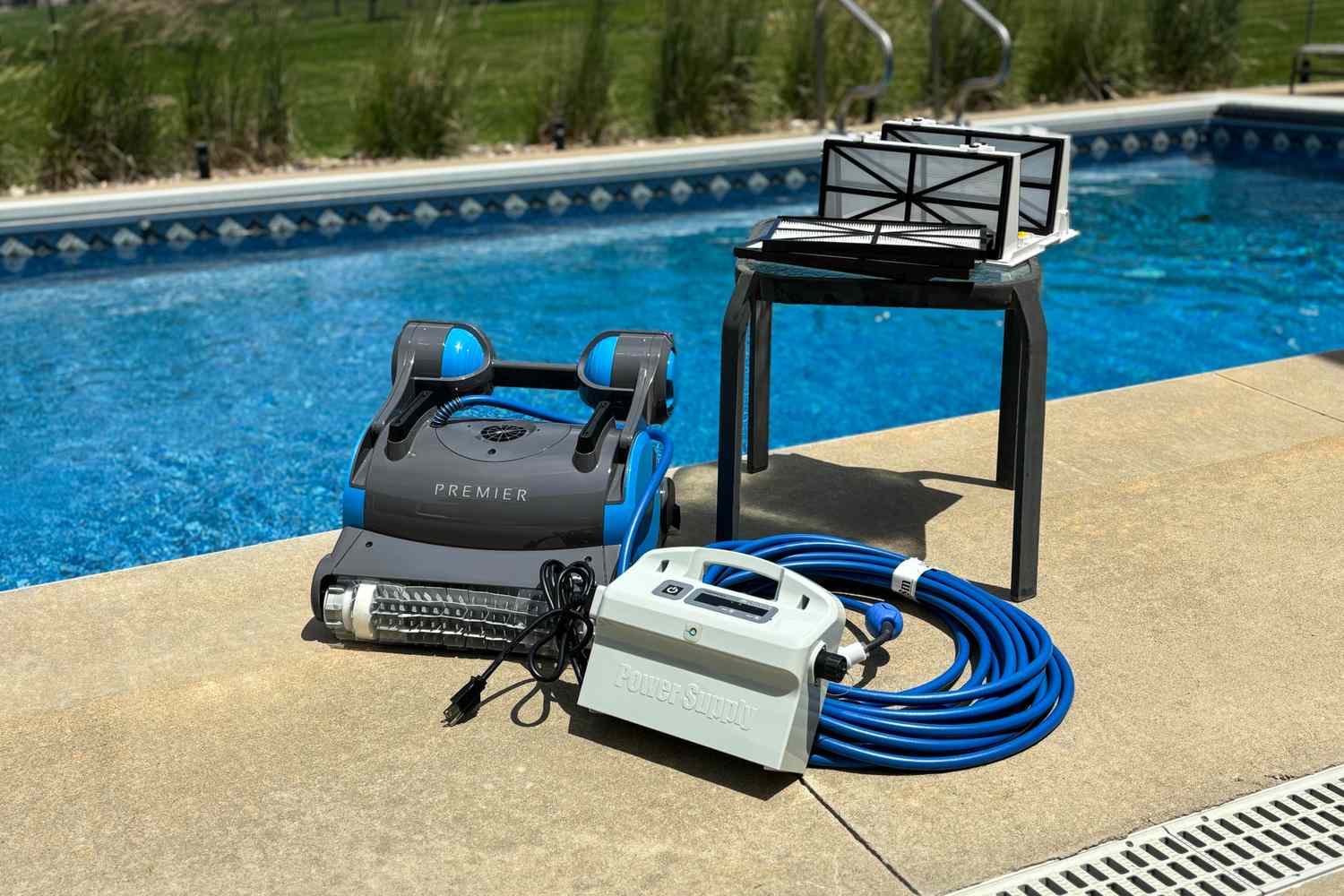
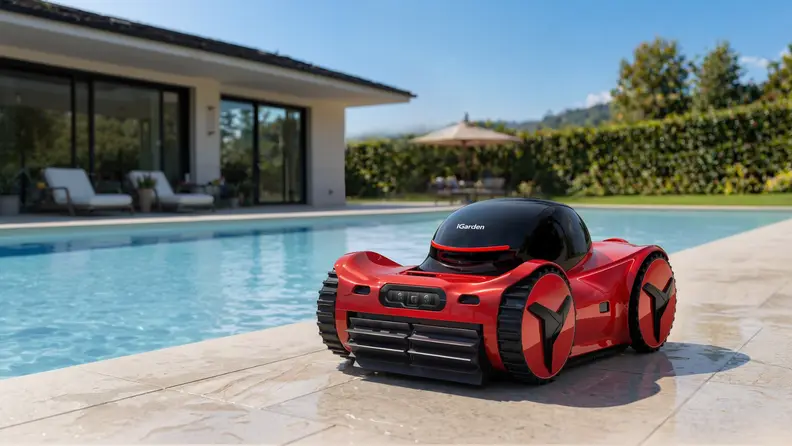
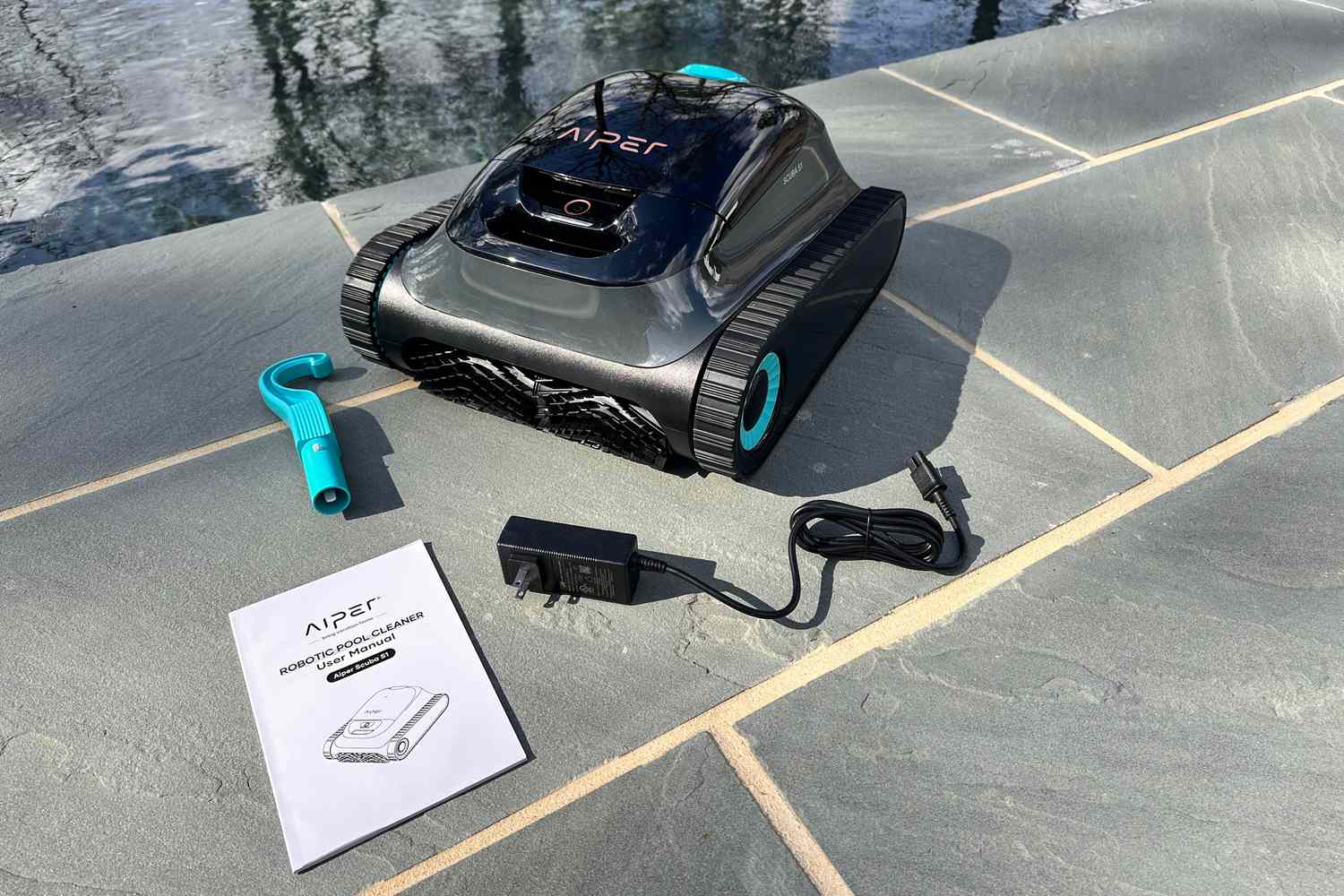
Robotic pool cleaners are the most independent option. They use their own motor, scrub the floor, and many models climb walls. Some cordless versions also avoid the cord problem, but they bring another question: runtime and charging.
Best Pool Vacuum by Debris Type
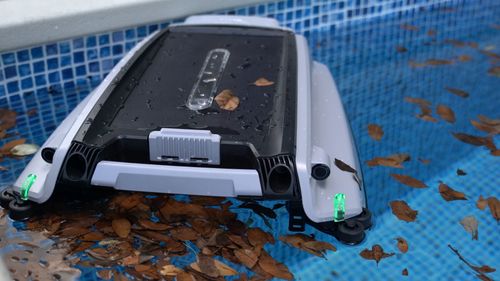
For leaves and pine needles, the best pool vacuum is usually a pressure-side cleaner, heavy-duty suction cleaner, or a professional vacuuming visit. Big debris can clog tiny baskets fast, so basket capacity matters.
For fine dust, pollen, and algae film, a robotic pool cleaner with fine filters usually makes more sense. Fine filters can catch the stuff that makes water look dull even after the floor looks “clean.” This is a big deal in Frisco, Allen, The Colony, Lewisville, Wylie, and Prosper when pollen season turns everything yellow-green overnight.
For occasional touchups, a manual vacuum or handheld cleaner can still be the best pool cleaner because it is cheap, direct, and does not need a charging station, app, or warranty drama.
Budget vs Performance
Cheap manual vacuums cost less upfront, but they trade money for time. Mid-range suction cleaners reduce effort, but they rely on good pump suction, clean baskets, and healthy filtration. Robotic cleaners cost more, but they can save the most time if the pool gets dirty often.
The trap is buying the flashiest cleaner before asking basic questions. How long is the pool? How steep is the deep end? Does the unit climb walls or only the floor? Does it clean the waterline or just approach it? Can you lift it out easily when full of water and debris? A cleaner that cannot finish your pool is not the best pool vacuum, even if the box looks impressive.
When a Robotic Pool Cleaner Is Worth It
PoolBurg’s robotic pool cleaner guide says robotic cleaners are excellent partners, not replacements for real maintenance. That is the right mindset. A robot can vacuum floors and help with walls, but it does not test chemistry, empty every basket, inspect equipment, or fix poor circulation.
A robotic pool cleaner is usually worth it for large pools, deep pools, busy families, heavy dust, or homeowners who are tired of dragging out a pole every other day. It is less urgent for small pools, simple shapes, or pools already cleaned weekly.
Do You Still Need a Skimmer or Service?
Yes. A vacuum handles settled debris. A skimmer catches floating debris before it sinks. That is why solar skimmer vs robotic pool cleaner is a real decision for leafy DFW yards. If the surface stays messy, a robot on the floor will always be cleaning yesterday’s problem.
Also, weak cleaning may not be the vacuum’s fault. Dirty filters, low water level, clogged baskets, poor return-jet direction, and short pump runtime can all make even a good vacuum look bad. Before spending big, check the basics or let PoolBurg do it with a proper cleaning and circulation review.
The PoolBurg Take
The best pool vacuum for North Texas is the one that matches the mess. Leaves need capacity. Dust needs fine filtration. Deep pools need power and reach. Busy homeowners need convenience. And some pools simply need a weekly service rhythm more than another gadget.
If your pool keeps collecting the same dirt, leaves, or cloudy-floor debris, PoolBurg can help you decide whether a manual vacuum, suction pool vacuum, robotic pool cleaner, pool leaf vacuum, or recurring service plan makes the most sense.
Quick Comparison Table
| Vacuum Type | Best For | Watch Out For | Best Fit |
| Manual vacuum | Spot cleaning and low budgets | Requires the most effort | Small pools or occasional cleanup |
| Suction pool vacuum | Routine floor debris | Depends on pump suction and clean filters | Simple pools with good circulation |
| Pressure-side cleaner | Leaves and larger debris | May need specific plumbing or booster setup | Tree-heavy yards |
| Robotic pool cleaner | Dust, walls, deep cleaning and convenience | Higher cost, filter cleaning, warranty support | Large or busy pools |
People Also Ask
What is the best pool vacuum?
The best pool vacuum depends on the pool. Manual vacuums are cheapest, suction cleaners are simple and automatic, pressure-side cleaners are strong on leaves, and robotic cleaners are best for homeowners who want less hands-on cleaning.
Are robotic pool cleaners worth it?
Yes, robotic pool cleaners are worth it for large pools, deep pools, dusty pools, and homeowners who want less manual vacuuming. They are not a full replacement for brushing, chemical testing, basket cleaning, or professional service.
How do I use a manual pool vacuum?
Skim first, connect the vacuum head and hose, prime the hose so it is full of water, attach it to the skimmer or vacuum port, and vacuum slowly so dirt does not cloud back into the water.
Can a suction vacuum pull large leaves?
Some suction cleaners can handle leaves, but very large debris can clog hoses, baskets, or cleaner throats. For heavy leaf loads, a pressure-side cleaner, leaf canister, deep leaf net, or professional cleaning may work better.
Should I run my pool vacuum continuously?
Usually no. Run the cleaner long enough to complete the job, then remove or clean it according to the manufacturer’s guidance. Leaving cleaners in the pool all the time can shorten parts life.
What is the best pool cleaner for pollen?
For pollen and fine dust, look for fine filtration. A robotic cleaner with fine filters or a suction cleaner paired with a clean filter system can help, but chemistry and filtration still matter.
Conclusion
Need help choosing the best pool vacuum for your DFW pool? PoolBurg can inspect your pool layout, debris load, circulation, filter condition, and cleaning routine so you do not waste money on the wrong cleaner. Call or text PoolBurg at (469) 277-9893, or book weekly service so our techs handle the dirty work for you.