The debate of floating pool skimmer vs built in skimmer is less of a competition and more about finding a smart helper. Your built-in pool skimmer remains the heart of the circulation system, while a floating unit serves as a mobile assistant, capturing leaves, pollen, and insects before they waterlog and drop. For homeowners in Southlake, Grapevine, and surrounding areas, the choice often comes down to your specific debris load, backyard wind patterns, and whether your surface stays clean enough between weekly service visits.
How a built-in pool skimmer works
A built in pool skimmer is connected to the suction side of the pool system. Water is pulled through the skimmer, into the pump, through the filter and back to the pool through the return jets. Its job is simple but important: remove floating debris before it becomes bottom debris.
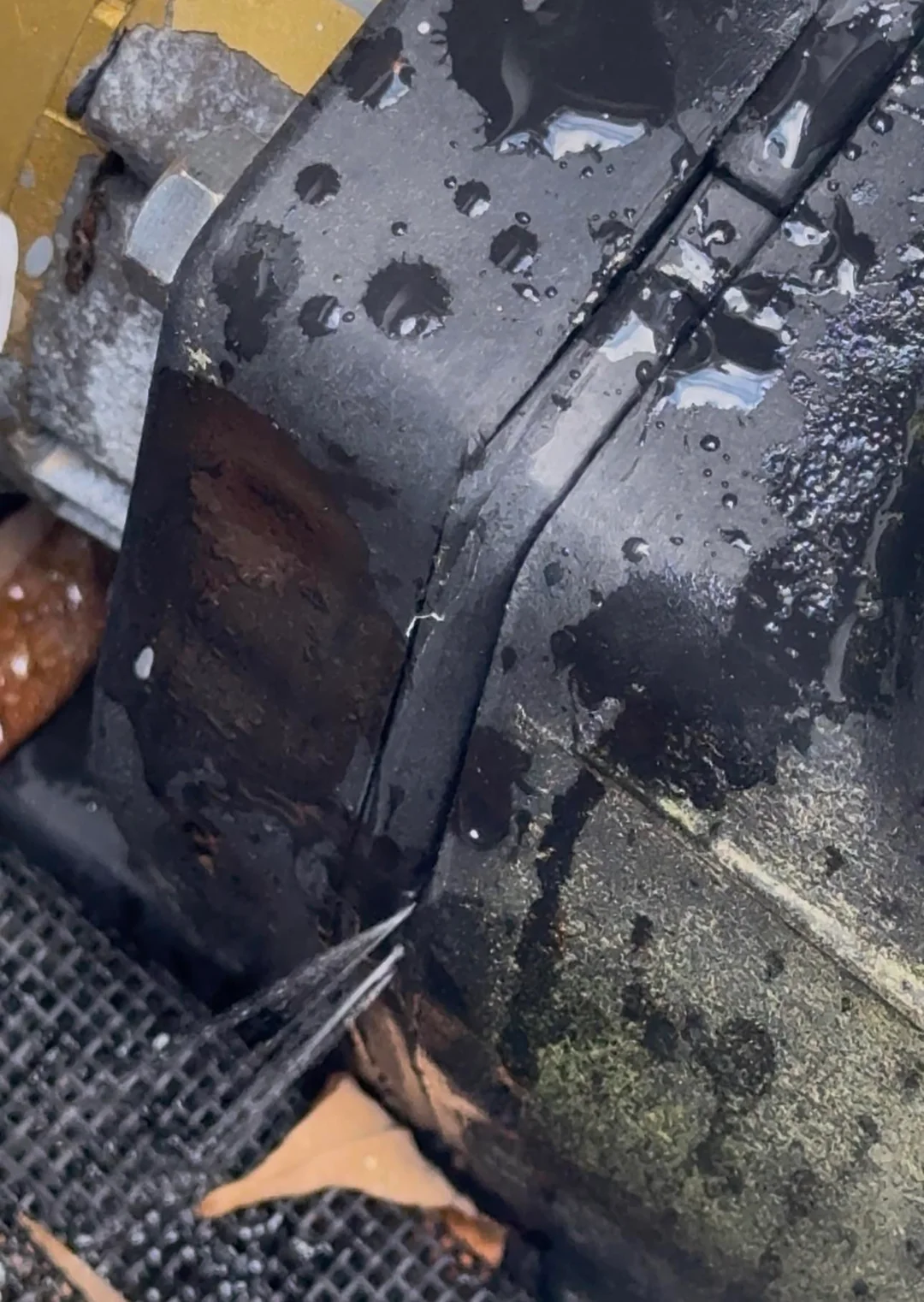
The catch is that a built in pool skimmer only works well when debris actually travels toward the skimmer mouth. Water level matters. Return-jet direction matters. Pump speed matters. The weir door matters too, because that little floating flap helps pull the top layer of water where leaves, pollen and insects sit.
How a floating or solar skimmer works
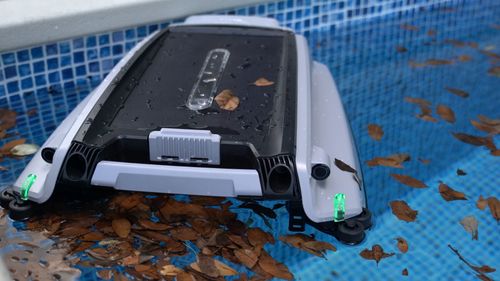
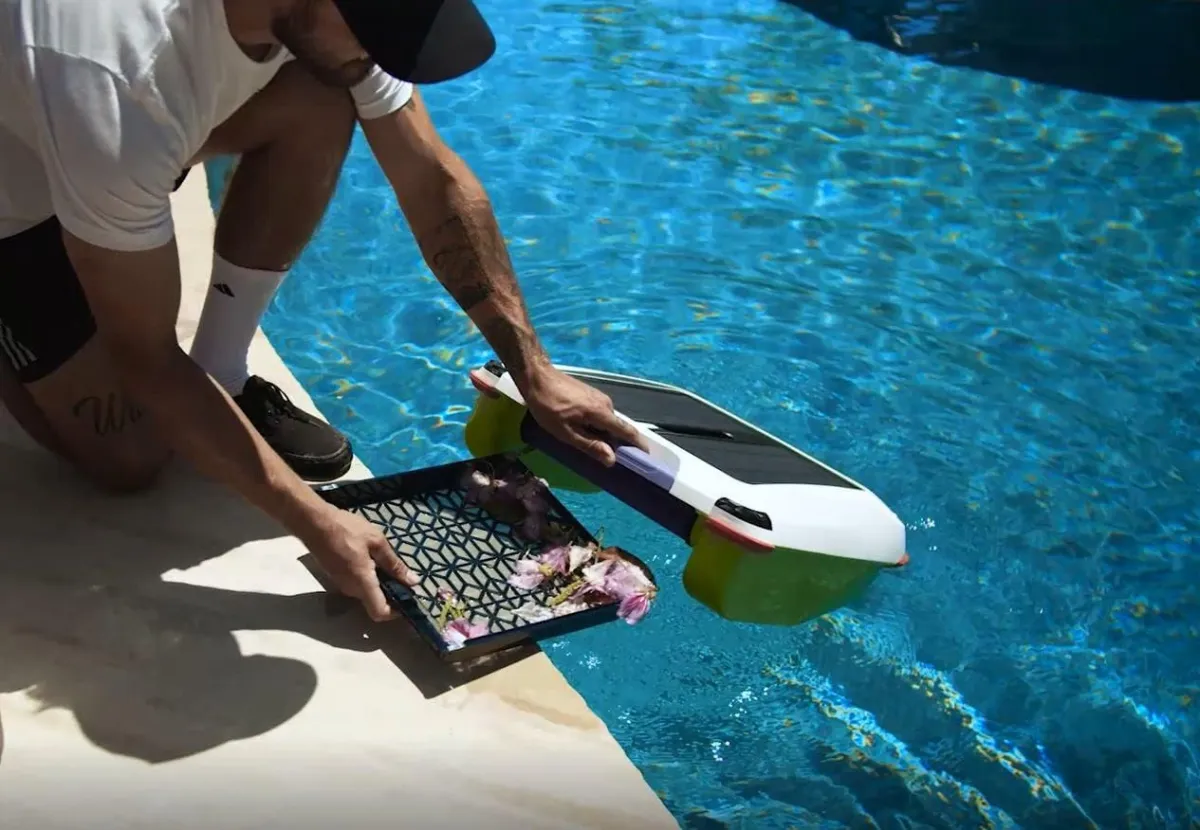
A floating pool skimmer moves across the water surface and collects debris in its own basket. Some versions run on solar power, so a solar pool skimmer helper can keep working even when the main pump is on a lower speed. That is the reason some homeowners love them. They are not waiting for wind and circulation to push debris toward one fixed opening.
But here is the honest part: floating pool skimmer vs built in skimmer does not mean the floating unit replaces plumbing, filtration or real circulation. It does not fix a dirty cartridge, a weak pump, a stuck weir door or a bad return pattern. It only helps collect what is floating on top.
Which debris each one handles best
A healthy built in pool skimmer is great for normal daily debris: a few leaves, bugs, grass clippings and surface film. It is also simple because it is already part of the pool.
A floating pool skimmer starts making more sense when the debris never gives the pool a break. Think oak catkins, crepe myrtle petals, pollen clouds, palm fuzz, cottonwood, beetles after rain or a neighbor’s tree that acts like it owns your backyard. In those cases, the floating unit can grab debris before it gets waterlogged and drops to the floor.
Quick comparison for Texas homeowners
| Feature | Built in pool skimmer | Floating pool skimmer |
| Main role | Core circulation and surface suction | Extra surface collection |
| Best for | Normal debris and routine operation | Leaves, pollen, bugs and wind-blown debris |
| Depends on | Pump speed, water level, weir door and returns | Battery or solar power, basket capacity and navigation |
| Can replace the other? | No, it is the main system | No, it is a helper tool |
| Best decision | Fix if weak or neglected | Add if debris load is still winning |

Why debris still collects in corners
When leaves sit in one corner while the pump is running, do not blame the skimmer basket first. The problem may be surface movement. Return jets may be aimed poorly, the pump may be running too low, the water level may be high, or a water feature may be interrupting the natural circulation pattern.
This is where floating pool skimmer vs built in skimmer becomes a practical question. If the pool is well designed and the built-in skimmer still pulls strongly, a gadget may be unnecessary. If wind constantly pushes debris away from the skimmer, a solar pool skimmer helper can be a smart backup.
When a floating skimmer is worth buying
A floating pool skimmer is worth considering when you are manually netting the pool every day, your bottom cleaner is always fighting leaves that used to float, or your skimmer basket clogs quickly during pollen and leaf season. It can also help when variable-speed pump schedules are set low for energy savings and the surface does not move strongly overnight.
Still, buy it with realistic expectations. You will have another basket to empty, another device to maintain and another item that can wear out. The best use is as a helper, not a substitute for a properly maintained circulation system.
When the real answer is fixing circulation or service frequency
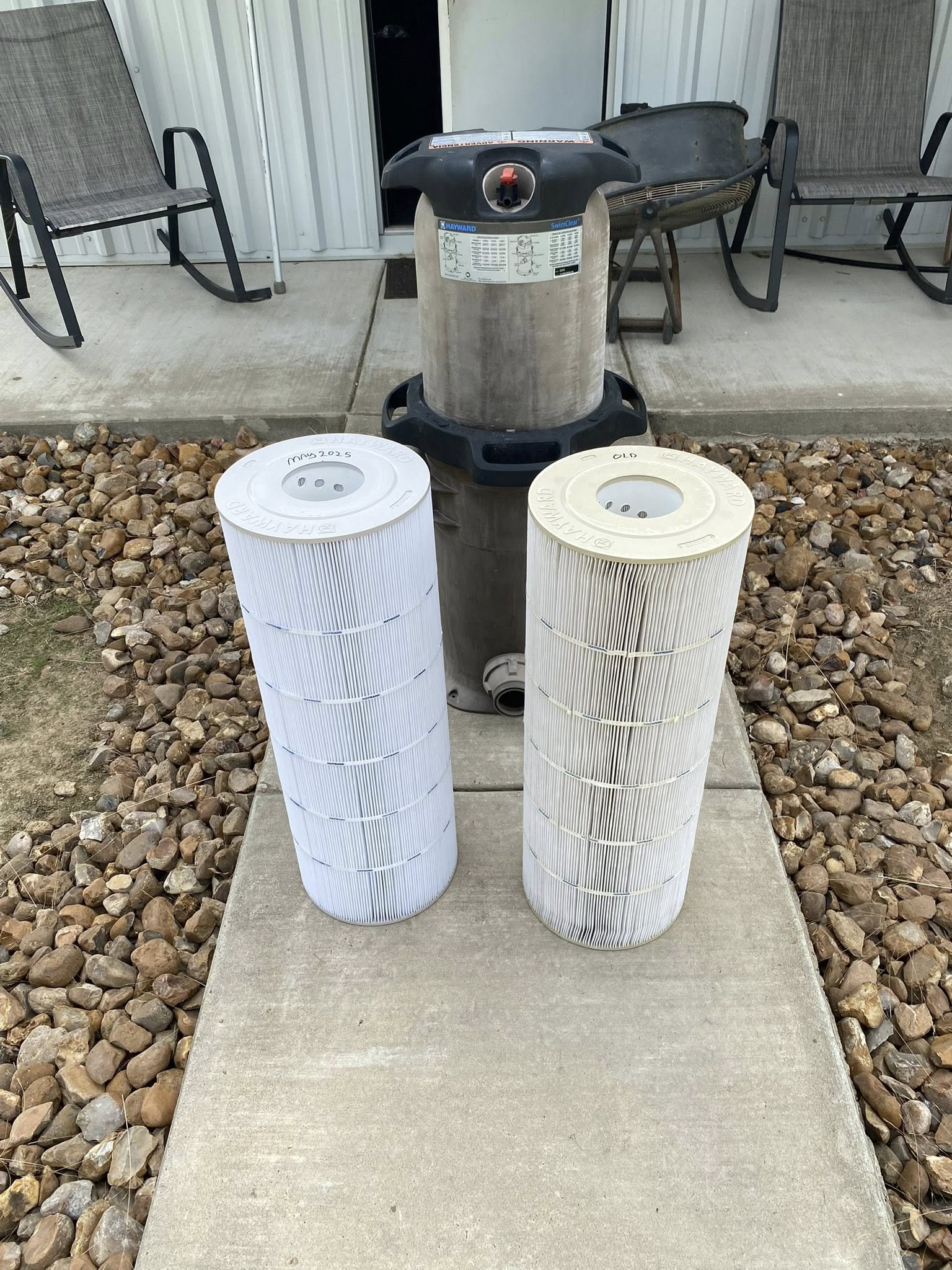
If the pool has weak skimming, cloudy water, high filter pressure or debris that never moves toward the skimmer at all, start with the basics before buying anything. Check the skimmer basket, pump basket, filter condition, water level, return direction and weir door. PoolBurg’s guide to pool skimmer basket cleaning frequency is a good place to start, and a deeper look at cartridge pool filter cleaning frequency can help if pressure keeps climbing.
For pools that fight surface debris every week, PoolBurg can also compare your skimming setup against your actual yard conditions. Sometimes the answer is a floating device. Sometimes it is better return direction, more service consistency, a cleaner filter or a different run schedule. The goal is not to sell another gadget. The goal is to make the surface stay clean with the least drama possible.
People Also Ask
Do floating pool skimmers work?
Yes, floating pool skimmers can work well when the problem is constant surface debris. They are especially helpful with leaves, pollen, bugs and light debris that would otherwise sink before reaching the built-in skimmer.
Can a floating skimmer replace a built-in skimmer?
No. A floating skimmer can help collect surface debris, but it does not replace the built-in skimmer, pump, filter and return system that circulate and clean the pool.
Are floating skimmers worth it for pollen?
They can be, especially when pollen sits on the surface or clumps in corners. A floating unit may reduce how much ends up in the filter, but you still need proper filtration and chemical balance.
Why is debris still getting stuck in pool corners?
Usually because surface circulation is weak, wind is pushing debris away from the skimmer, return jets are aimed poorly, or the water level is not right for strong skimming.
Do solar pool skimmers help with leaves?
Yes, a solar pool skimmer helper can collect leaves while they are still floating, especially in tree-heavy yards. It is most useful when debris loads overwhelm the built-in skimmer.
Is poor skimming a circulation problem instead?
Often, yes. A dirty filter, low pump speed, stuck weir door, high water level or poor return direction can all make skimming look weak.
Should I use both a floating skimmer and a built-in skimmer?
For heavy debris pools, using both can make sense. The built-in skimmer remains the core system, while the floating unit reduces the amount of debris that sinks or clogs baskets.
What is the cheapest way to improve surface skimming?
Start by emptying baskets, setting the right water level, checking the weir door, cleaning the filter and aiming return jets correctly. Those fixes often help before buying a device.
PoolBurg
If your pool always has leaves sitting in corners, pollen floating across the surface or weak skimmer suction even after cleaning the basket, PoolBurg can help you find the real cause. Book a circulation and surface-cleaning assessment, and we will check the skimmer, filter pressure, return direction, baskets, water level and service routine before recommending whether a floating pool skimmer is actually worth it for your pool.