Effective pool heat pump troubleshooting begins with understanding a fundamental difference: these units are not simply gas-powered heaters in another form. Rather than generating heat instantly, they extract thermal energy from the ambient air, utilizing refrigerant and a condenser to transfer warmth into your pool. This mechanism explains why they excel in moderate conditions but often struggle to keep pace during the chilly, gusty nights common in North Texas.
For homeowners in Frisco, Plano, McKinney, Allen, Keller, Grapevine and the rest of DFW, the tricky part is knowing when a pool heat pump not heating is truly broken and when the weather, runtime, flow or cover situation is simply working against it. Good pool heat pump troubleshooting separates those two before anyone starts talking about compressor failure.
How Pool Heat Pumps Work
A pool heat pump moves heat from outside air into pool water. The fan pulls air across the coil, the refrigerant absorbs that heat, the compressor boosts it, and the condenser passes that heat into the water. The Department of Energy heat pump pool heater guide explains why these units work best when the outside air is above roughly 45 to 50 degrees.
That one fact explains a lot. If the pool is at 70 degrees, the setpoint is 85, the night air is in the 40s, and the pool is uncovered, the unit may run for hours and still feel disappointing. That is not always a repair issue. Sometimes it is a heat-loss issue, and the first fix is not a new part. It is a better heating plan.
Quick Pool Heat Pump Troubleshooting Checks Before Service
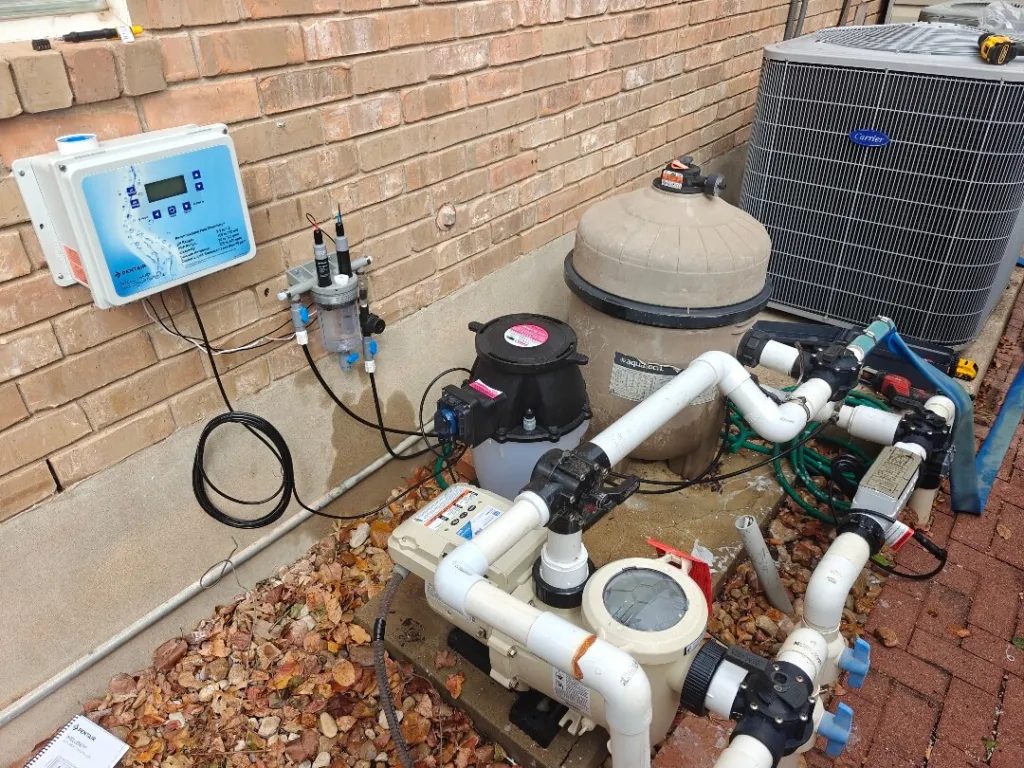
Start with the easy stuff because it saves money and embarrassment. Confirm the heater is in heat mode, the set temperature is above the current water temperature, the automation system has not disabled the heater, and the breaker or GFCI has not tripped. Then look at the display for error codes before turning anything off.
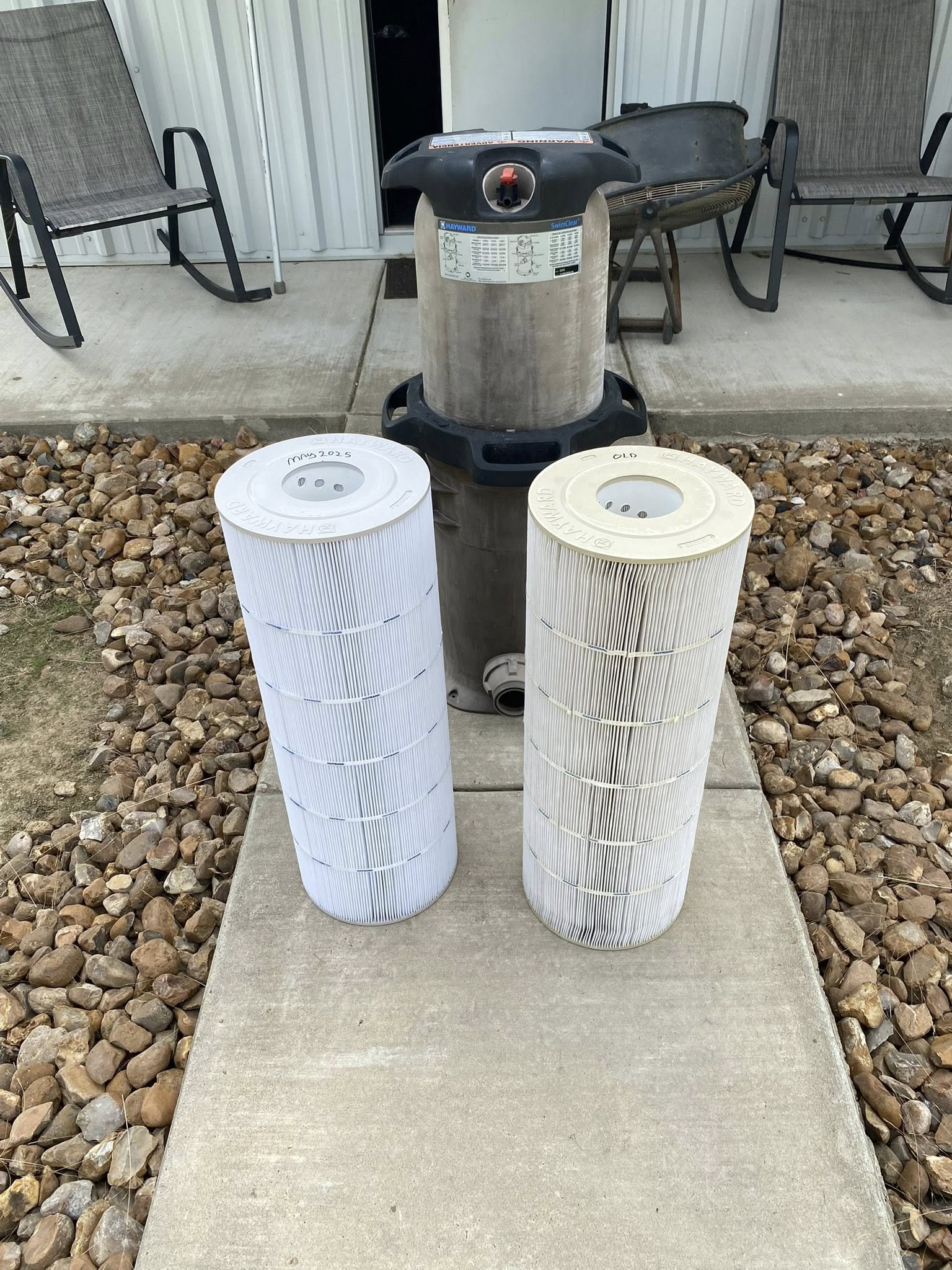
Next, check flow. A dirty filter, clogged skimmer basket, half-closed valve, wrong bypass position or pump speed that is too low can make heat pump pool troubleshooting feel like a mystery. If the heater has a low-flow or pressure-related warning, clean baskets, verify filter pressure, open the proper valves and make sure the pump is moving enough water.
When Weather Is the Problem, Not the Heater
One of the most common pool heat pump troubleshooting mistakes is expecting an overnight miracle. A gas heater can make a quick temperature jump. A heat pump is better at steady seasonal heating. It likes time, mild air, a properly sized unit and a covered pool.
A cover matters more than most homeowners think. The Department of Energy pool cover savings guide says covering a pool is one of the most effective ways to reduce heating cost because evaporation is such a major heat thief. If you are trying to hold heat through cool DFW nights, a cover can be the difference between “this thing is broken” and “okay, now it is gaining.” For a deeper comparison, see PoolBurg’s Heat Pump Pool Heating Time guide.
Airflow, Coils and Fan Problems
Heat pumps need breathing room. Pollen, grass clippings, leaves, cottonwood fluff and dust can clog the evaporator coil. In North Texas spring, that can happen fast. Gently rinse the coil with a garden hose if your manual allows it, but do not attack it with a pressure washer. The fins are easy to bend, and a damaged coil turns a simple maintenance visit into a real repair.
If the fan is not spinning, stop guessing. The problem could be a capacitor, fan motor, control board, wiring issue or safety lockout. If the fan runs but the air coming out does not feel cooler than the air going in, the system may not be transferring heat properly. That is when pool heat pump troubleshooting moves from homeowner checks to professional testing.
Defrost, Ice and Refrigerant Warnings
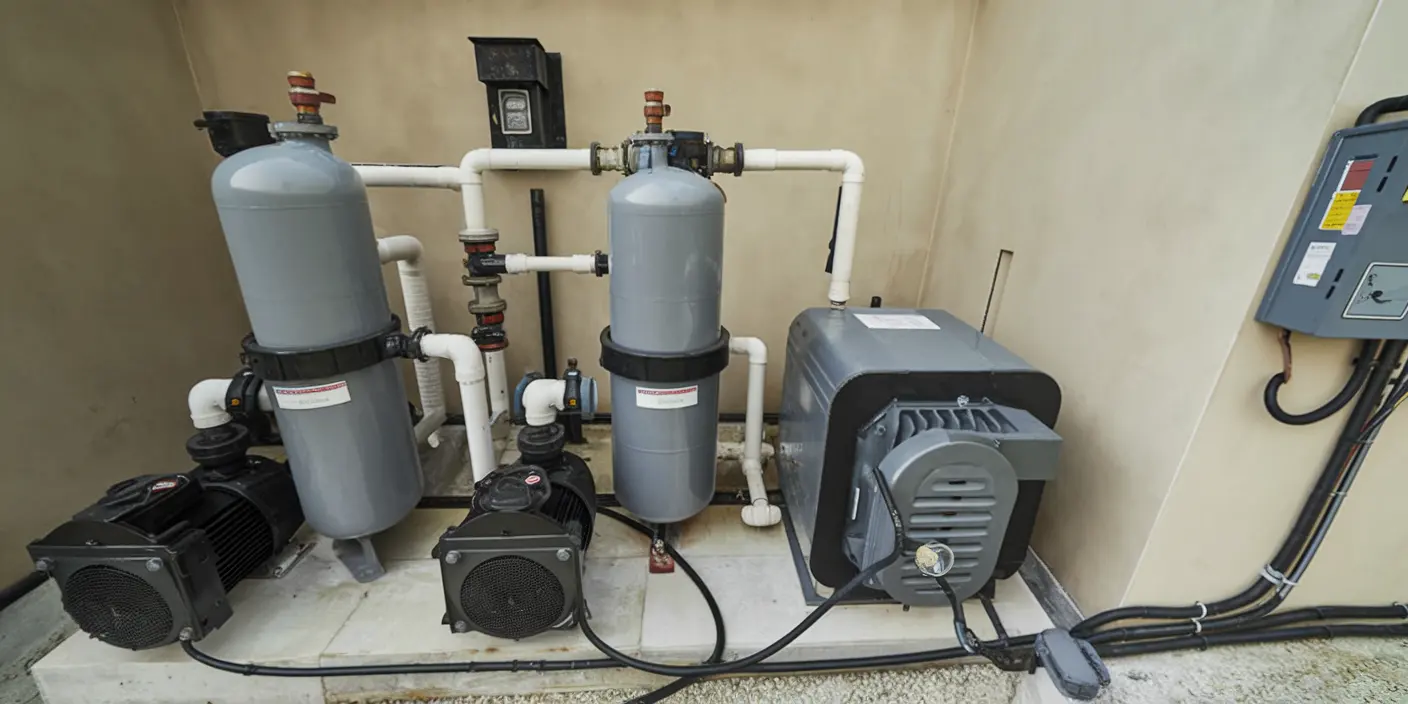
A little defrost behavior during cool, damp weather can be normal. A unit that is constantly iced over, stuck in defrost, short cycling or throwing low-pressure faults is different. The Hayward heat pump installation and operation manual points to low ambient temperature, dirty evaporator coils, water-flow problems and component failures as common troubleshooting paths.
Refrigerant is not DIY territory. If the system has a refrigerant leak, compressor issue or sealed-system fault, call a trained technician. EPA rules require certified technicians for equipment service that could release regulated refrigerants, which is one reason “just add refrigerant” should make homeowners nervous.
When to Call PoolBurg
Call for help when the heat pump trips breakers, will not start, will not come out of defrost, shows repeated low-flow errors after cleaning the filter, makes rough compressor noises, ices up in mild weather or runs for days with almost no temperature gain. Also call if you are not sure whether the unit is undersized. Sometimes the honest answer is not repair. It may be sizing, exposure, cover use or swim expectations.
PoolBurg can check airflow, coils, fan operation, electrical supply, flow, valves, filter pressure, error codes, refrigerant-related symptoms and realistic heating capacity. If you are comparing repair, replacement or setup changes, our Pool Heat Pump Installation Cost and Heat Pump vs Gas Pool Heater guides are helpful next reads. For hands-on service, start with Pool Heater Repair Near Me Texas or PoolBurg’s Pool Heater Not Working guide.
Quick Symptom Guide
| Symptom | Likely Direction | First Smart Check |
|---|---|---|
| Runs but water barely warms | Cold air, no cover, undersizing, short runtime | Check weather, cover use, runtime and pool size |
| Low-flow or pressure warning | Dirty filter, closed valve, weak pump flow | Clean baskets/filter and confirm valve positions |
| Fan does not run | Fan motor, capacitor, board or power fault | Verify power, then call service |
| Ice or constant defrost | Cold damp air, dirty coil, sensor or refrigerant issue | Shut down if severe and book diagnosis |
| Trips breaker or GFCI | Electrical fault or component failure | Stop resetting repeatedly and call a pro |
People Also Ask
Why is my pool heat pump not heating?
The most common reasons are cold outdoor air, a dirty coil, low water flow, a dirty filter, wrong valves, low pump speed, incorrect settings, undersizing, sensor faults or refrigerant-related problems.
What temperature is too cold for a pool heat pump?
Many heat pumps lose efficiency once outdoor air drops below roughly 45 to 50 degrees. Some models can operate lower, but heat-up speed and efficiency usually fall hard.
Can I run a pool heat pump in cold weather?
You can run it if the manufacturer allows it, but cold air, wind and uncovered water may make it slow and expensive. During freezing conditions, follow your freeze-protection and winter-prep plan.
How do I know if my heat pump has low refrigerant?
Icing, low-pressure errors, weak heating, short cycling or poor temperature differential can point that direction, but only a qualified technician should test or handle refrigerant.
Can dirty coils stop a heat pump from heating?
Yes. Dirty coils reduce airflow and heat transfer. In DFW, pollen and lawn debris can build up quickly during spring.
Should I use a pool cover with a heat pump?
Yes, especially overnight. A cover reduces heat loss and helps the heat pump hold gains instead of fighting evaporation all night.
CTA
If your pool heat pump is running but the water still will not get comfortable, PoolBurg can help you stop guessing. Book a heat-pump diagnostic for airflow, coil condition, electrical supply, refrigerant-related symptoms, water flow, filter pressure, error codes, cover use and realistic heating capacity across Frisco, Plano, McKinney, Allen, Keller, Grapevine and nearby DFW areas. Start with PoolBurg heater repair service and get a clear repair-versus-adjustment answer.