Understanding pool filter types often feels unnecessarily complicated for many homeowners. While sand is known for its simplicity and cartridges are praised for clarity, DE can seem like a premium technical choice. Between conflicting advice on maintenance and water quality, selecting a system can feel like a major investment decision. In reality, the ideal filter simply aligns with your specific pool environment, local debris challenges, conservation priorities, and the level of hands-on care you prefer to provide.
For homeowners in Frisco, Plano, McKinney, Allen, Garland, Mesquite, and across DFW, pool filter types matter because North Texas pools do not get easy conditions. Spring pollen, windy dust, oak debris, summer parties, sunscreen, and storm runoff can all push a filter harder than expected. So instead of asking only, “Which filter catches the smallest particles?” ask, “Which filter will keep my pool clear without becoming a weekly headache?”
Pool Filter Types in Plain English
The three main pool filter types are sand, cartridge, and DE. Hayward explains the three filter types as the systems most homeowners run into, and each can keep a pool clean when it is sized and maintained correctly. The difference is how they catch debris and how you clean them.
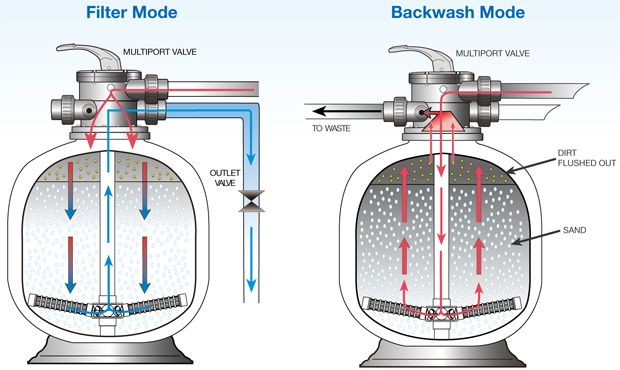
Sand filters push water through a sand bed. They are durable, forgiving, and easy to backwash. They do not polish water as finely as the other options, but they are tough and simple.
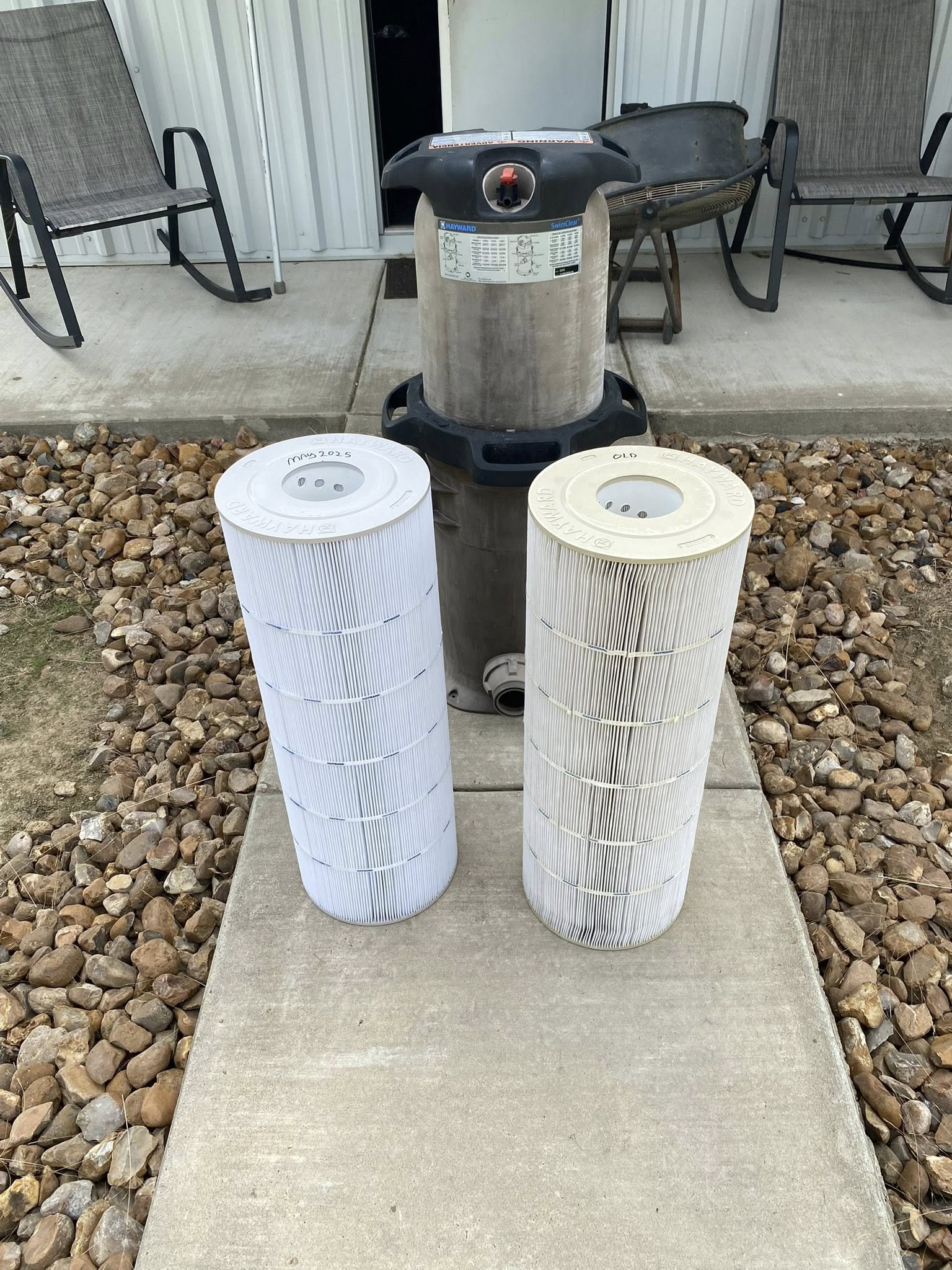
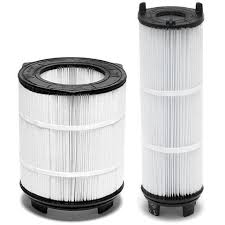
Cartridge filters push water through pleated cartridges. A cartridge pool filter usually gives better clarity than sand and does not require backwashing, so it can save water. The tradeoff is that someone has to remove and rinse the cartridges.
DE filters coat internal grids with diatomaceous earth powder. They produce the sharpest-looking water, especially for fine dust and pollen, but they require more careful cleaning and recharging after backwashing.
Sand vs Cartridge vs DE Filter Comparison
| Filter Type | Best For | Filtration Feel | Maintenance | Main Tradeoff |
|---|---|---|---|---|
| Sand | Low-maintenance owners and heavy debris | Good everyday filtration | Backwash when pressure rises | Uses more water and catches coarser particles |
| Cartridge | Clearer water with less water waste | Strong balance for most homes | Remove, rinse, soak when needed | Hands-on cartridge cleaning and replacement |
| DE | Finest clarity and fine pollen/dust control | Best polish | Backwash, inspect grids, recharge DE | More steps, more mess, more attention |
As a quick pool filter comparison, Hayward lists DE filtration down to about 3-5 microns, sand around 20-40 microns, and cartridge around 10-20 microns. Those numbers help, but they are not the whole story. A neglected DE filter can perform worse than a properly cleaned sand filter. An undersized cartridge filter can become a chore. A well-sized filter with good water flow usually beats the most expensive filter installed badly.
Which Pool Filter Is Best for Your Pool?
If you want the simplest setup, sand is often the easiest of the pool filter types to live with. It is not glamorous, but it is forgiving. Pentair describes sand filters as effective, affordable, and easy to maintain, which is exactly why many older DFW pools still use them. Sand is a good fit when you value low fuss and your water usually clears without constant fine-particle problems.
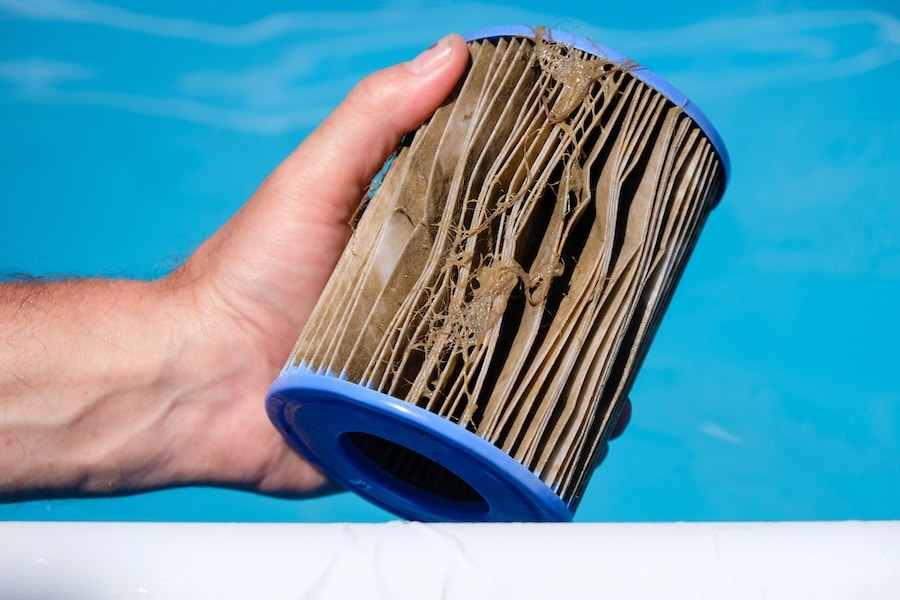
If you want the best middle ground, a cartridge pool filter often makes the most sense. It filters finer than sand, does not send backwash water down the drain, and pairs well with modern variable-speed pumps. The catch is real-life cleaning. If the cartridges are oversized, cleaning may only be occasional. If they are undersized or the pool gets hammered by pollen, they may become a messy chore.
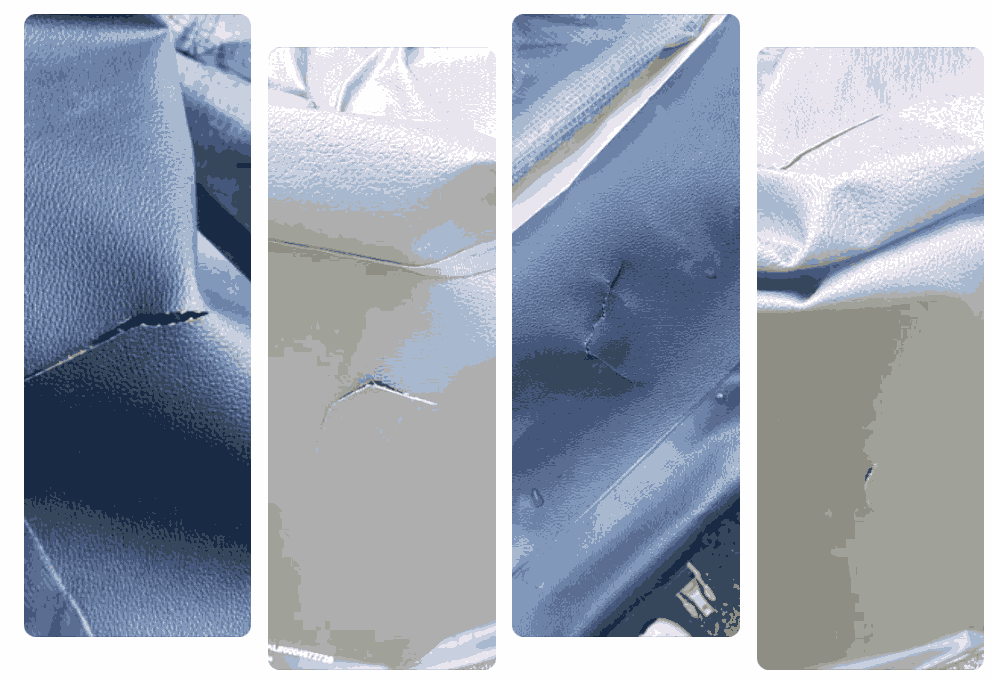
If you want the clearest water and do not mind extra steps, DE is the premium pick. DE can make lighted water look crisp at night and can help when fine dust keeps making the pool look dull. But it is not a set-it-and-forget-it system. You need to backwash correctly, recharge with the right amount of DE, and watch grids for tears or damage.
Maintenance Decides More Than Marketing
Here is the part homeowners learn fast: pool filter types are really maintenance personalities. A sand filter asks for backwashing. A cartridge filter asks for rinsing and occasional soaking. A DE filter asks for backwashing, powder handling, and grid care. Pentair notes that filters need proper maintenance and safety procedures before cleaning, and that warning is worth taking seriously. Turn the system off, release pressure properly, and do not open a pressurized filter tank.
Pressure is your best clue. Do not clean just because the calendar says so. Record the clean starting pressure after a proper cleaning, then respond when the gauge climbs, flow weakens, or the water stops clearing. PoolBurg’s backwash approach is built around pressure, flow, debris load, and what recently happened to the pool – not guesswork.
Why DFW Pools Often Lean Cartridge or DE
North Texas gives filters a workout. Pollen can look like yellow dust. Wind pushes fine grit into the water. Parties add sunscreen, sweat, and body oils. The CDC reminds homeowners that chlorine and pH are the first defense against germs, but filtration is still what physically removes dirt and debris that chemicals do not simply erase.
For homeowners worried about water waste, cartridge filters deserve a serious look because they do not require backwashing. The EPA WaterSense pool guide also discusses water-efficient filtration choices, including glass media and cartridge-style options. In areas where water use, drought stress, or frequent backwashing are concerns, this matters.
When to Upgrade or Replace Your Filter
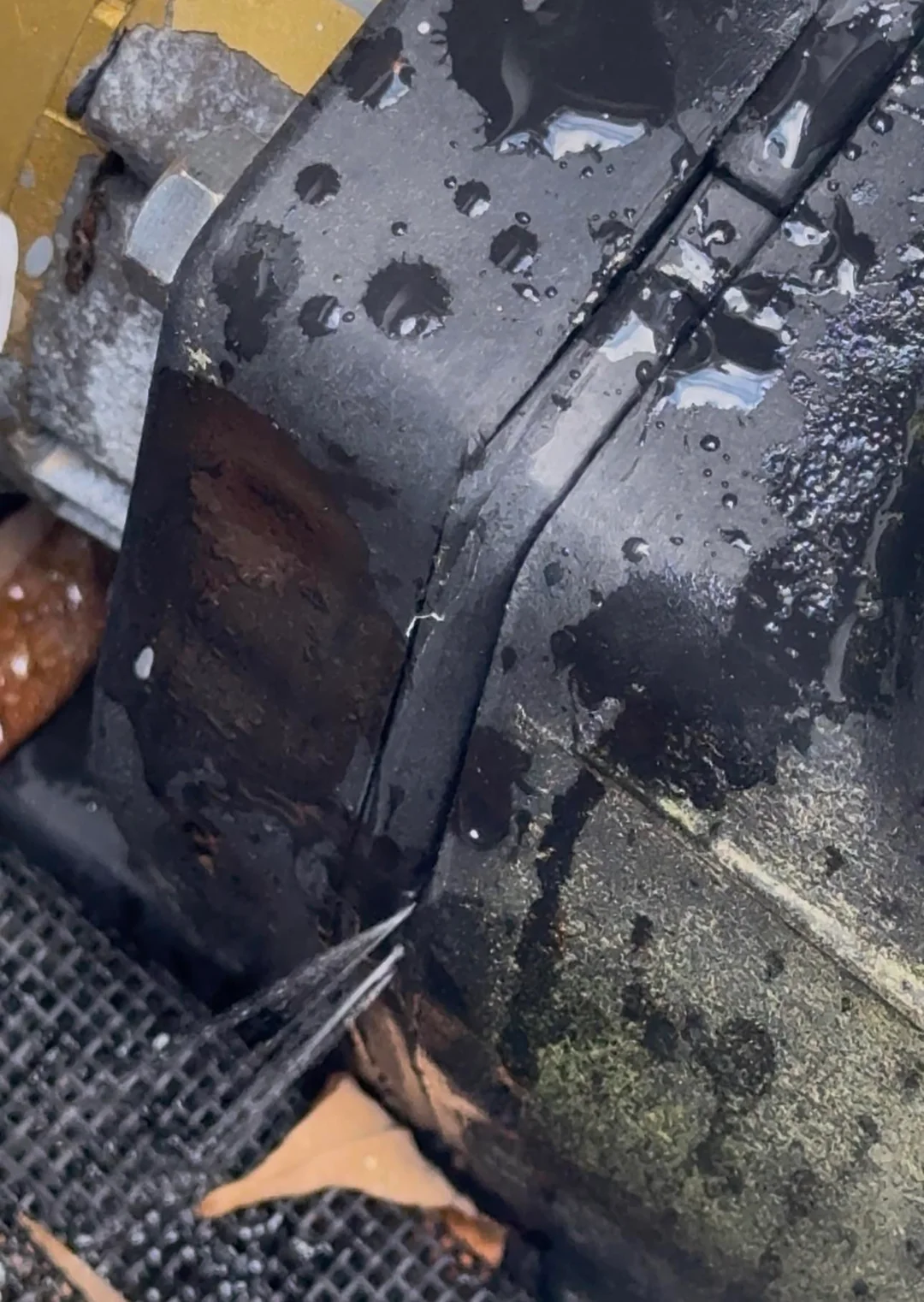
You do not always need to replace a working filter. If the pool is clear, pressure behaves normally, and cleaning is manageable, keep what works. Start thinking about an upgrade when the filter is undersized, cartridges clog too quickly, sand is old and channeling, DE grids are failing, or the pool stays cloudy even after chemistry and circulation are corrected.
The best pool filter is not always the one with the finest micron rating. It is the one that gives your pool clear water, reasonable maintenance, proper flow, and a routine you can actually stick with. PoolBurg can inspect your current system, check sizing, compare sand vs cartridge vs DE filter options, and recommend a filter that fits how your DFW pool is really used.
People Also Ask
Which pool filter is best: sand, cartridge, or DE?
DE filters usually create the clearest water, cartridge filters offer the best balance for many homes, and sand filters are the easiest to maintain. The right choice depends on debris, budget, water use, and maintenance preference.
Is a DE filter better than a sand filter?
For fine filtration, yes. DE catches smaller particles than sand. But sand is easier, cheaper, and more forgiving, so DE is only better if you want extra clarity and are willing to maintain it.
How often should I clean a cartridge pool filter?
Clean a cartridge pool filter when pressure rises above its clean baseline, flow weakens, or water clarity drops. Many DFW pools need more frequent cleaning during pollen, storms, and heavy swim weeks.
What pressure should my pool filter be?
There is no universal normal PSI. Record your clean baseline after service. Many filters need cleaning or backwashing when pressure rises about 8-10 PSI above that clean reading.
Should I replace my sand filter with DE?
Only if you want finer filtration and accept extra maintenance. If your sand filter keeps water clear and your routine is easy, replacement may not be urgent.
PoolBurg Can Help You Choose the Right Filter
If your pool keeps turning cloudy, your cartridge is exhausting to clean, or you are not sure whether your sand filter is still doing its job, PoolBurg can help. Schedule a filter evaluation and our team will check sizing, pressure, water clarity, flow, and maintenance history before recommending the right fix. Contact PoolBurg for filter cleaning, filter replacement, or a full equipment inspection across Frisco, Plano, McKinney, Allen, Garland, Mesquite, and nearby DFW communities.