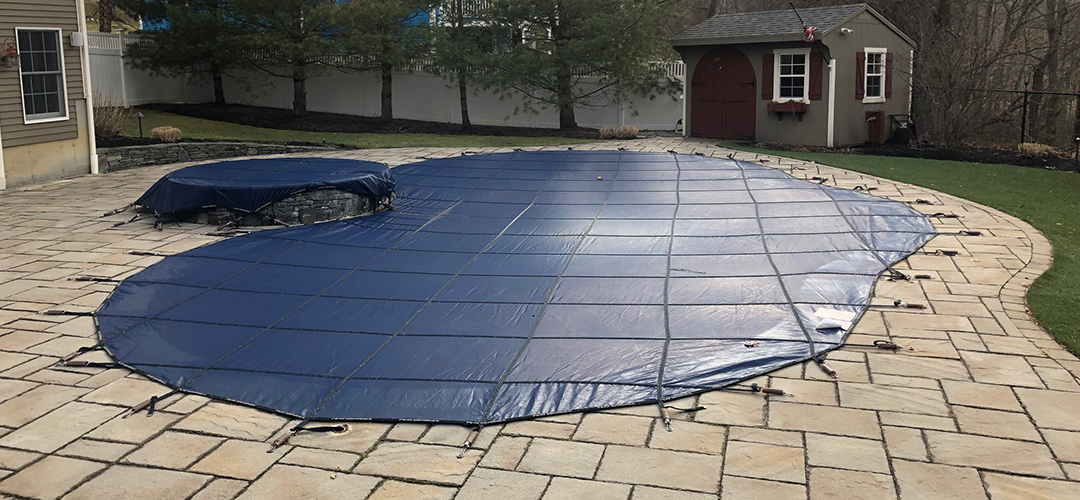
While picking between pool cover types might seem as straightforward as finding a lid for a jar, the choice becomes far more nuanced when you factor in the DFW climate. Between the relentless North Texas sun, seasonal leaf dumps, and the safety needs of children or pets, the “best” cover isn’t defined by the price tag or material density alone. Real value comes from choosing a system that fits your daily routine, is easy to manage, and provides the specific protection—whether heat retention or safety—that your family actually requires.
For PoolBurg homeowners in Frisco, Plano, McKinney, Allen, Southlake, Grapevine, Keller, Prosper and nearby DFW areas, the real pool cover comparison usually comes down to four questions: Do you want heat retention, safety, winter debris control, or daily convenience?
Pool Cover Types Start With the Job You Need Done
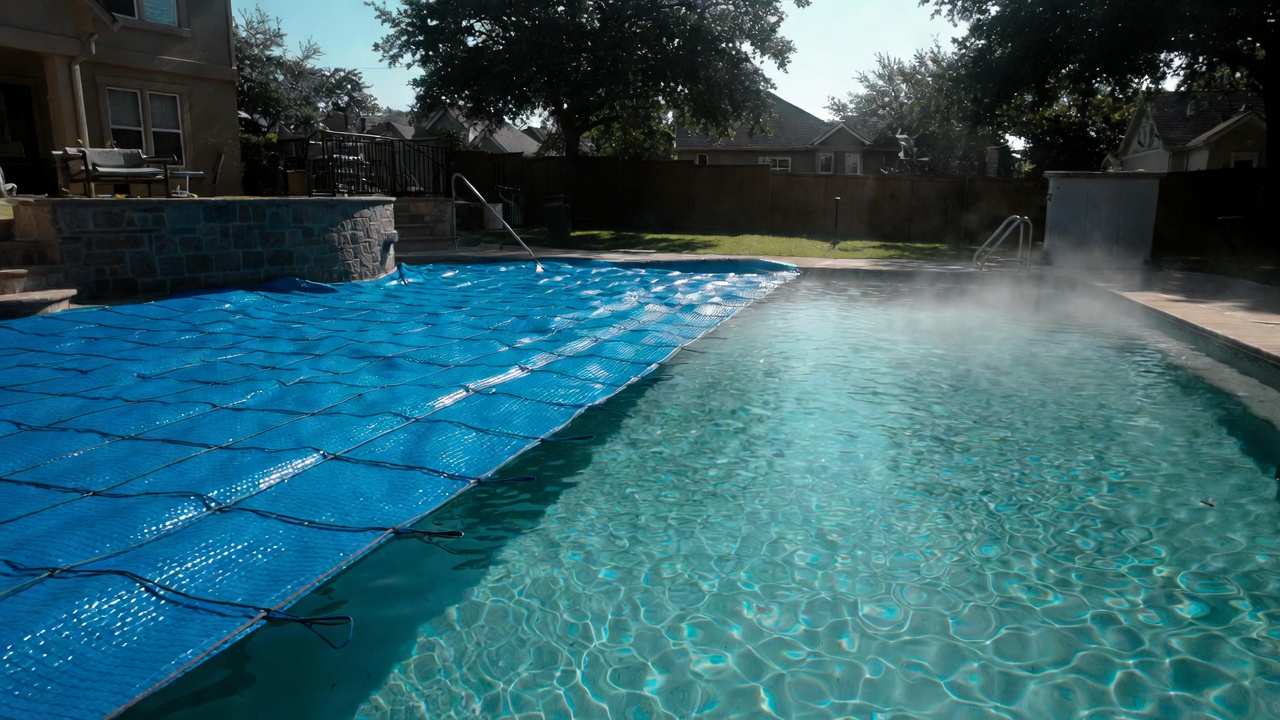
Solar pool cover. A solar pool cover is the bubble-wrap style cover most people picture first. It floats directly on the water, helps trap warmth, slows evaporation, and can make shoulder-season swimming more comfortable. It is usually the lowest-cost entry point, but it is not a safety cover. It also needs realistic expectations: Texas UV, chlorine, and repeated rolling can wear cheap solar blankets down over time.
Winter pool cover. A winter pool cover is mainly about keeping leaves, debris and sunlight out during longer downtime. In North Texas, most pools are not closed like northern pools, but a winter pool cover can still help during freeze prep, vacant-home periods, or heavy leaf seasons.
Safety pool cover. A safety pool cover is anchored and designed as a protective barrier when properly installed and used according to the manufacturer. This is the category families care about most when children, pets, guests, or liability are part of the conversation. A safety pool cover is not a substitute for supervision or fencing, but it can be one important layer of protection.
Automatic pool cover. An automatic cover is the convenience upgrade. It opens and closes with a motorized system, which matters because the easiest cover to use is usually the one that gets used most. Automatic covers can help with heat loss, evaporation, debris, and safety, but they cost more and need proper maintenance.
Solar, Safety or Winter: Which Cover Fits Best?
For heating and evaporation, start with a solar pool cover. DFW pools lose a lot of water and heat to sun, wind, and dry air. The U.S. Department of Energy says covering a pool when it is not in use is one of the most effective ways to reduce heating costs, and EPA WaterSense notes that pool covers can prevent major evaporation loss. That makes a solar pool cover useful for homeowners trying to hold warmth overnight without running the heater constantly.
For safety, choose a real safety cover. This is where homeowners should be careful with wording. A floating bubble blanket is not the same thing as a safety pool cover. Safety-rated covers are built and tested for barrier performance. If the goal is child-safe or pet-conscious protection, the question is not “Which cover is cheapest?” It is “Which cover is actually rated and installed for safety?”
For leaves and off-season protection, look at winter or solid covers. A winter pool cover makes sense when the pool will sit unused for a stretch or when trees dump leaves faster than the skimmer can keep up. Solid covers block sunlight and debris better, but rainwater management matters. Mesh-style safety covers let water drain through but may allow more light and fine material into the pool.
The Real Cost Is Not Just the Price Tag
The honest pool cover comparison has to include the chore factor. A cheap solar cover can be a great buy if you have a reel, store it out of harsh sun when it is off the pool, and replace it when the bubbles start failing. Without a reel, it can become that awkward wet blanket nobody wants to wrestle with. A winter tarp may cost less upfront, but it still needs securing, cleaning and storage. A safety cover costs more, but it adds peace of mind. An automatic cover costs the most, but it removes the daily “ugh, I do not feel like covering it” problem.
In Texas, sunlight is brutal on materials. Covers that stay rolled up wet, hot, and exposed can age faster. That does not mean solar covers are bad; it means homeowners should buy with realistic lifespan expectations instead of assuming one blanket will last forever.
A Simple Pool Cover Types Decision Guide
- Choose a solar pool cover if your main goal is warmer water, lower evaporation, and lower heating demand.
- Choose a winter pool cover if your main goal is debris control during seasonal downtime.
- Choose a safety pool cover if children, pets, guests, or liability are your biggest concerns.
- Choose an automatic pool cover if you want safety, convenience, heat retention, and daily use without dragging a cover by hand.
- Choose a professional cover consultation if your pool has raised walls, waterfalls, odd shapes, attached spas, or limited deck space.
What PoolBurg Looks at Before Recommending a Cover
Pool cover types should match the pool, not just the catalog photo. PoolBurg looks at pool shape, deck layout, trees, wind exposure, safety needs, heating goals, storage space, and how often the homeowner realistically plans to remove the cover. A cover that works beautifully for a straight rectangular pool may be annoying on a freeform pool with water features. A solar blanket may help comfort, but it will not solve a safety concern. A safety pool cover may protect the pool, but it may not be the easiest option for daily summer removal.
That is why the best pool cover is usually the one chosen around your actual use pattern. A family that swims every evening may care more about automatic convenience. A homeowner with a heater may care more about heat retention. A property with kids or grandkids may prioritize a true safety cover before anything else.

People Also Ask
What are the main pool cover types?
The main pool cover types are solar covers, winter covers, safety covers, and automatic covers. Some homeowners also compare mesh versus solid safety covers, because water drainage and debris control work differently.
Are solar pool covers worth it?
Yes, a solar pool cover can be worth it when the goal is reducing evaporation and holding warmth overnight. It is usually not the longest-lasting or safest cover type, but it is one of the most affordable comfort upgrades.
Is a solar pool cover a safety pool cover?
No. A solar pool cover floats on the water and should not be treated as a safety barrier. For child or pet safety, use a safety-rated cover and keep other protection layers in place.
What is the best winter pool cover?
The best winter pool cover depends on whether you want low cost, better debris control, or safety. Solid covers block more sunlight and debris, while mesh safety covers drain water better and reduce standing water on top.
Can I use a pool cover all year?
Many homeowners use different covers by season: a solar cover during swim season and a winter or safety cover during longer downtime. Automatic covers can be used often, but they still need proper care and cleaning.
How long should a pool cover last?
It depends on material, sun exposure, storage habits, chemical balance, and how often the cover is rolled or dragged. Lightweight solar covers may need replacement sooner than a properly maintained safety or automatic cover system.
Conclusion
Need help choosing between solar, safety, winter and automatic pool cover types? PoolBurg can inspect your pool layout, talk through your safety and heating goals, and recommend a cover that makes sense for Texas use. Book a cover consultation before spending money on a cover that looks good online but does not fit the way your pool is actually used.