Automatic pool cover cost can feel like one of those pool upgrades that makes people pause, blink twice, and ask, “Wait, for a cover?” That reaction is fair. A quality automatic cover is not a cheap add-on. But for many Southlake, Grapevine, Prosper, Frisco, Plano and Las Colinas homeowners, the value is not only in covering the water. It is in making the pool easier to live with every single day.
A realistic automatic pool cover price depends on size, shape, track design, new-build versus retrofit work, electrical needs, cover box details and the condition of the surrounding deck. HomeGuide places many automatic covers around $8,000 to $20,000 on average, while Angi lists a broader common range of $6,000 to $22,000. In other words, two quotes can both be honest and still look very different.
What Drives Automatic Pool Cover Cost
New build versus retrofit
A new pool is usually the cleanest time to plan an automatic cover because the cover box, tracks, drainage, coping and deck can be designed around it from day one. A retrofit can still work beautifully, but the pool cover installation cost may rise if the deck must be cut, walls are raised, utilities need rerouting or the pool has water features sitting where tracks would normally go.
Cover size, shape and track design
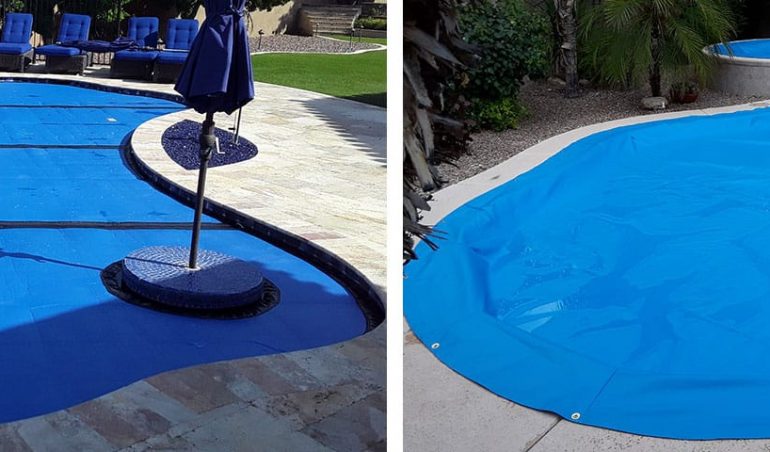
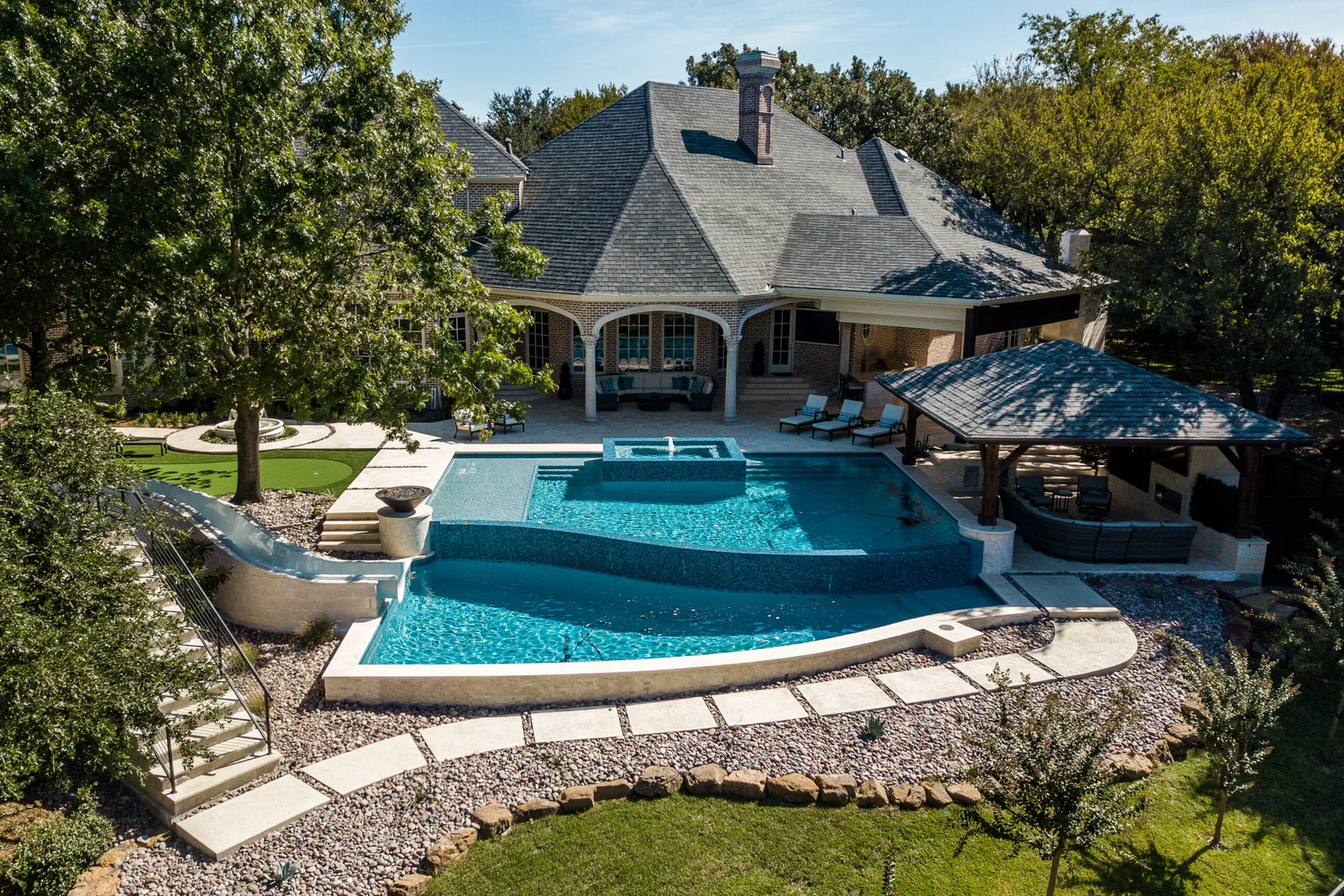
Rectangular pools are usually easier. Freeform pools, spas attached at odd angles, tanning ledges, raised walls and stone edges may push the retractable pool cover cost higher because the installer has to solve more details. Track choice matters too. Deck-mounted tracks can be simpler, while recessed tracks look cleaner but need more planning.
What the Homeowner Is Really Paying For
Convenience and daily use
The biggest reason people love automatic covers is simple: they actually use them. A manual cover can work, but if it is heavy, awkward or annoying, it gets skipped. With an automatic cover, closing the pool before dinner, after the kids swim, before a storm or before a weekend trip becomes a normal habit instead of a chore. That is where the auto pool cover worth it conversation becomes personal.
Evaporation, heat retention and debris reduction
Energy.gov says covering a pool when it is not in use is the single most effective means of reducing pool heating costs, with possible heating-cost savings of 50% to 70%. EPA WaterSense also notes that pool covers can reduce evaporation and help water retain heat, contributing to water, energy and cost savings. In North Texas, that can matter a lot during windy weeks, dry heat, shoulder-season heating and leaf-heavy months. Less evaporation also means fewer top-offs and more stable chemistry.
Added safety value
A proper safety-rated automatic cover is not the same thing as a thin solar blanket. ASTM F1346 establishes performance requirements for pool safety covers, including testing and labeling expectations for covers used on pools, spas and hot tubs. The ASTM safety cover standard is one reason families with children, pets or frequent guests often look beyond basic safety cover cost and think about everyday peace of mind.
Ongoing Cost After Installation
Service, fabric, tracks and ropes
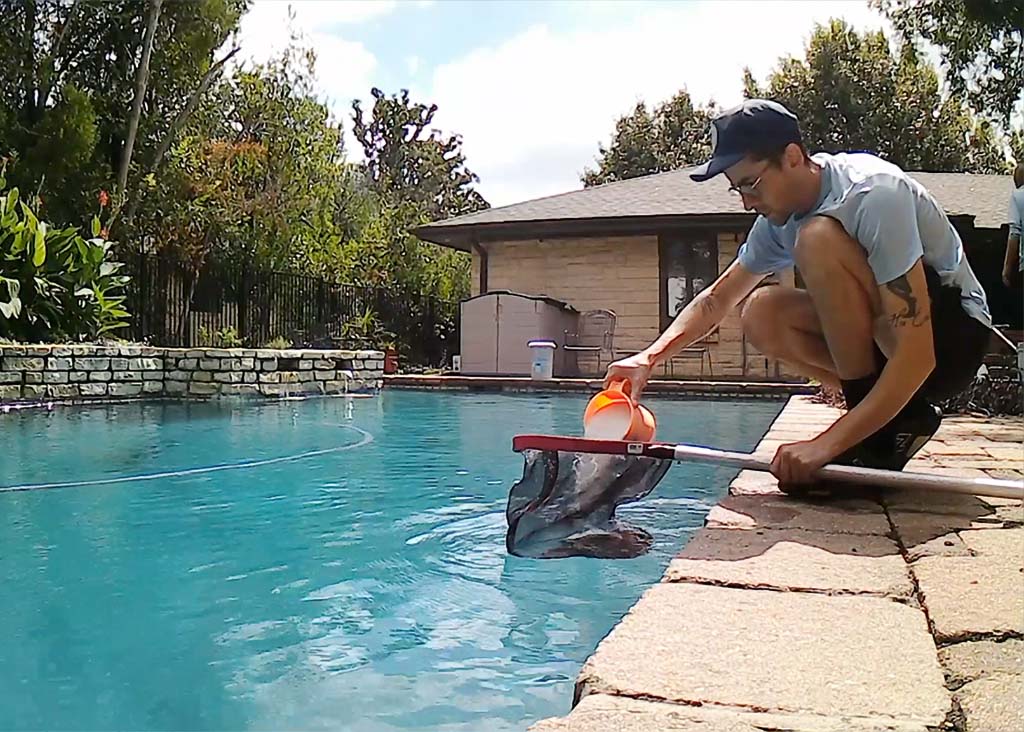
The first quote is not the only number to understand. Automatic covers have fabric, ropes, tracks, pulleys, switches, motors and sometimes pumps that remove standing water from the cover. Latham’s automatic pool cover maintenance checklist recommends removing debris and washing cover fabric with mild dish soap every 3 to 6 months. Covermatic also warns that dirty tracks can grind webbing and create premature wear, so track cleaning is not cosmetic; it protects the system.
Fabric life varies with sun, chemistry, usage, water left sitting on the cover and how well the tracks stay clean. A homeowner comparing automatic pool cover cost should ask what fabric replacement usually costs, what the warranty actually covers, who services the system locally and how quickly help is available if the cover gets stuck.
When Manual or Semi-Automatic Options Make More Sense
A full automatic system is not always the smartest buy. Some budget-conscious homes may prefer a manual safety cover, especially if the pool is smaller, used seasonally or covered mostly during winter. Semi-automatic options can reduce labor without adding the same motorized complexity. The tradeoff is behavior: the less convenient the cover is, the less likely people are to use it every day.
| Cover Choice | Best Fit | Cost/Convenience Reality |
| Manual safety cover | Winter protection and tighter budgets | Lower upfront cost, but more effort to use |
| Semi-automatic cover | Homeowners wanting help without full automation | Middle ground for some pool shapes and budgets |
| Automatic safety cover | Daily safety, heat retention and easy use | Higher upfront cost, but easiest to use consistently |
The Retrofit Questions That Decide Feasibility
Deck layout, water features and odd shapes
For an existing pool, the important question is not just “How much?” It is “Can this pool accept a cover cleanly?” A good site visit should look at deck depth, drainage, coping, raised bond beams, spas, rock features, sheer descents, benches, tanning ledges and where the cover box would sit. If the grade around the pool cannot drain correctly, standing water on the cover can become a nuisance and a service issue.
How to Judge Worth It Honestly
Family safety, heating cost and service burden
An automatic cover makes the most sense when it solves several problems at once: safer access control, less debris, easier heating, lower evaporation, fewer chemical swings and less daily skimming. It may make less sense if the pool is rarely used, the budget is already stretched, there are no kids or pets around, or the pool shape makes the install awkward and expensive.
Resale appeal and real-life comfort
The honest answer is this: automatic pool cover cost is high, but so is the value when the cover fits the way you use the pool. A family that swims often, heats the pool in spring and fall, hates leaf cleanup and wants fast open-and-close convenience may see the cover as one of the best upgrades on the pool. A homeowner chasing the lowest upfront price may be happier with a simpler safety cover.
People Also Ask
How much does an automatic pool cover cost?
Many automatic pool covers land somewhere around $8,000 to $22,000, but complex retrofits, custom shapes, recessed tracks and deck work can push the price higher.
Is an automatic pool cover worth it?
It can be worth it if you value safety, heat retention, reduced evaporation, cleaner water and the convenience of covering the pool daily. It is less compelling if the pool is rarely used or the budget is tight.
Can an automatic cover be added to an existing pool?
Often, yes, but feasibility depends on deck layout, pool shape, coping, water features, drainage and where the cover box and tracks can go.
Does an automatic cover save heating money?
Yes. Pool covers reduce evaporation, which is one of the biggest causes of pool heat loss. The savings depend on climate, cover use, heater type and how often the pool is covered.
Can an automatic cover support weight?
A safety-rated automatic cover must be properly installed and maintained to perform as intended. Always confirm that the specific cover meets the safety standard and follow the manufacturer’s rules.
How long do automatic pool covers last?
The system can last many years, but fabric, ropes and wear parts may need replacement depending on sun exposure, chemistry, use, water accumulation and maintenance.
What maintenance does an automatic cover need?
Keep leaves and water off the cover, clean tracks, wash fabric gently, check alignment and schedule service when the cover runs unevenly or sounds strained.
Is a semi-automatic cover a better value?
Sometimes. It can be a good middle option when the homeowner wants easier operation than a manual cover but does not want the full automatic pool cover price.
PoolBurg CTA
Thinking through cover options for a North Texas pool? PoolBurg can help compare manual, semi-automatic and automatic cover options based on your pool shape, safety goals, heating habits and budget. We can review your deck layout, drainage, water features and service expectations so the quote makes sense before anyone starts cutting concrete. Contact PoolBurg to request an on-site cover feasibility and budget consultation.