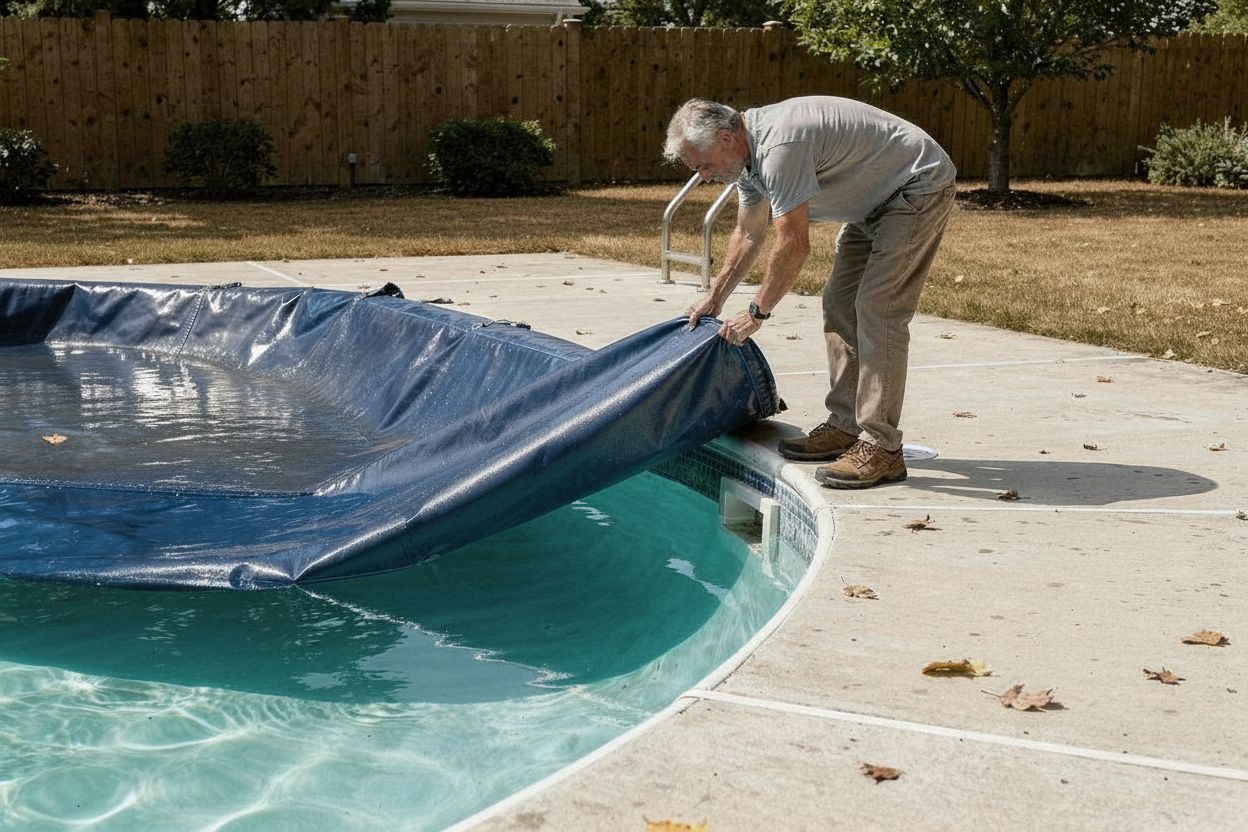
A good pool opening after a winter storm routine is calm, step-by-step and a little suspicious. Freezing water expands, and the National Weather Service notes that frozen pipes can burst when water expands inside them. Pool equipment is not house plumbing, but the same basic physics applies. So before you reopen pool after freeze conditions, slow down and inspect first.
Safety First Before Touching the System
Power and breaker checks
Start at the power side. If breakers tripped, automation looks wrong, the equipment pad is wet, or you see damaged wiring, do not keep flipping things on and off. Freeze events often come with power blips, moisture and stressed equipment. Resetting a system blindly can turn a small problem into a burned motor, cracked fitting or unsafe electrical situation.
Obvious cracks, leaks and water level
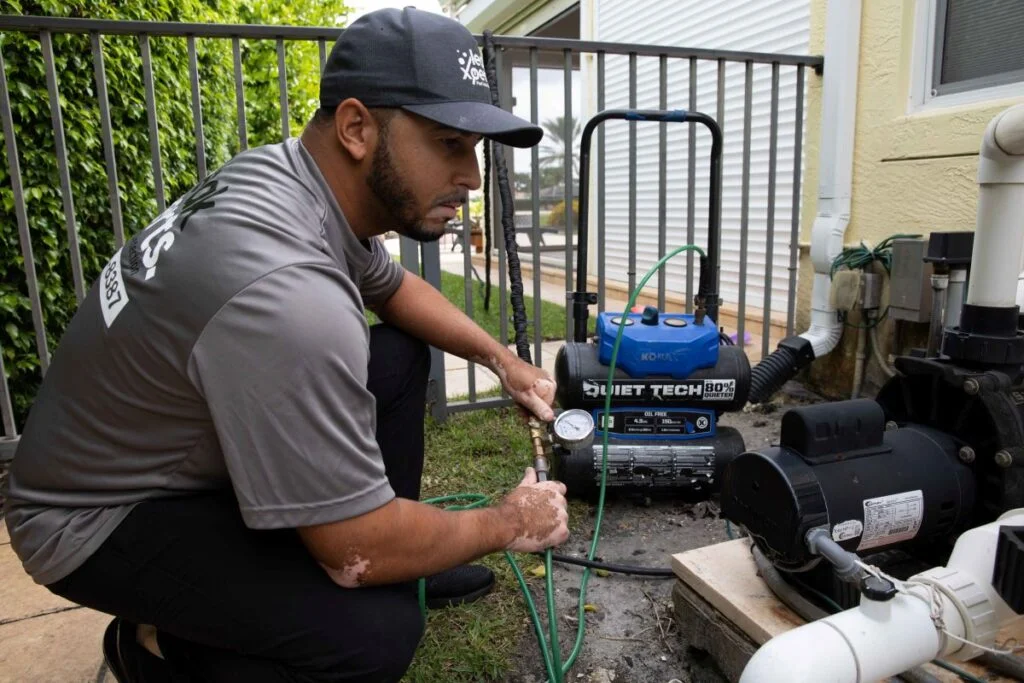
Walk the pad before starting the pump. Look at the pump lid, pump housing, filter tank, clamps, heater unions, valves, exposed PVC, cleaner booster pump and any above-ground plumbing. Check the pool water level too. If backwashing, overflow, rain or ice movement left the pool low, the pump may pull air instead of water. A pool startup after freeze should never start with a thirsty pump struggling to prime.
What to Inspect on the Equipment Pad
Pump, filter, heater and valves
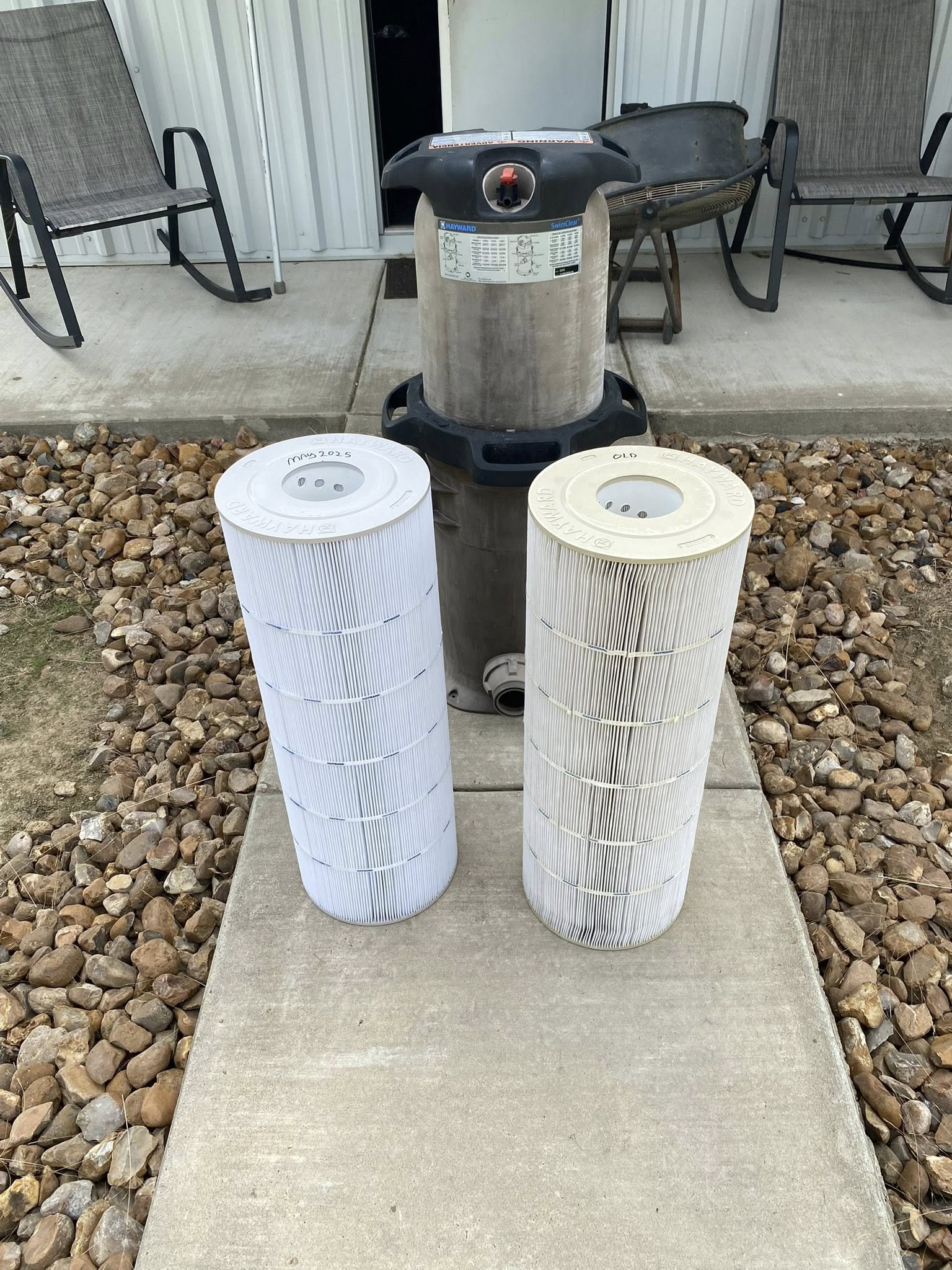
The pump is usually the first place homeowners notice trouble. A cracked lid, warped seal, split housing or constant air bubbles can point to freeze damage or suction problems. The filter needs the same attention. Check the pressure gauge, air relief, clamps and tank body. If a filter clamp looks loose or the tank looks distorted, stop and call for service. Pressurized equipment deserves respect.
Heaters are another big one. Gas heaters and heat pumps can hold water in areas homeowners do not see. Inspect the body, unions, bypass plumbing and error display. If the heater shows a fault after the freeze, PoolBurg’s pool heater not heating guide is a useful next read, but a post-freeze heater error is also a good reason to book a professional check.
How to Bring the System Back Online
Refill, prime and restore circulation carefully
If everything looks intact, bring the water back to the proper operating level first. Empty skimmer and pump baskets, confirm valves are in normal circulation position and make sure drain plugs are installed if they were removed during winter prep. Pentair’s winter weather pool protection guidance reminds homeowners that opening valves and air relief points can relieve pressure when water is expanding, while moving water is less likely to freeze during cold weather.
Once ice is gone and water level is right, prime the pump normally and watch the system for several minutes. Do not walk away immediately. Look for dripping unions, spraying PVC, a pump that will not catch prime, strange grinding, a filter pressure spike or water dumping from the heater. If anything looks wrong, shut it down. The post-freeze pool checklist is not about bravery; it is about preventing one cracked part from damaging the rest of the pad.
| Restart Step | What to Check | When to Stop |
| Refill | Water level near normal operating range | Pump is pulling air or skimmer is low |
| Prime | Pump basket fills and stays full | Pump will not prime or runs dry |
| Circulate | Filter pressure and return flow look normal | Leaks, pressure spikes or weak flow appear |
| Heat | Heater starts only after flow is stable | Error codes, leaks or ignition issues appear |
What Water-Care Steps Come Next
Test first, then balance
Chemicals come after circulation is safe. Test the water before adding anything. CDC home pool guidance recommends testing chlorine and pH regularly, and that basic rule still applies after a storm. Once the system is running, rebalance pH, chlorine, alkalinity and stabilizer as needed. Then brush, skim and clean baskets. If the pool sat cold and dirty, the filter may need attention too, so PoolBurg’s normal pool filter pressure gauge reading article can help you understand whether pressure is normal or telling you something.
The Signs of Hidden Freeze Damage
Slow leaks, air draw, heater faults and weak flow
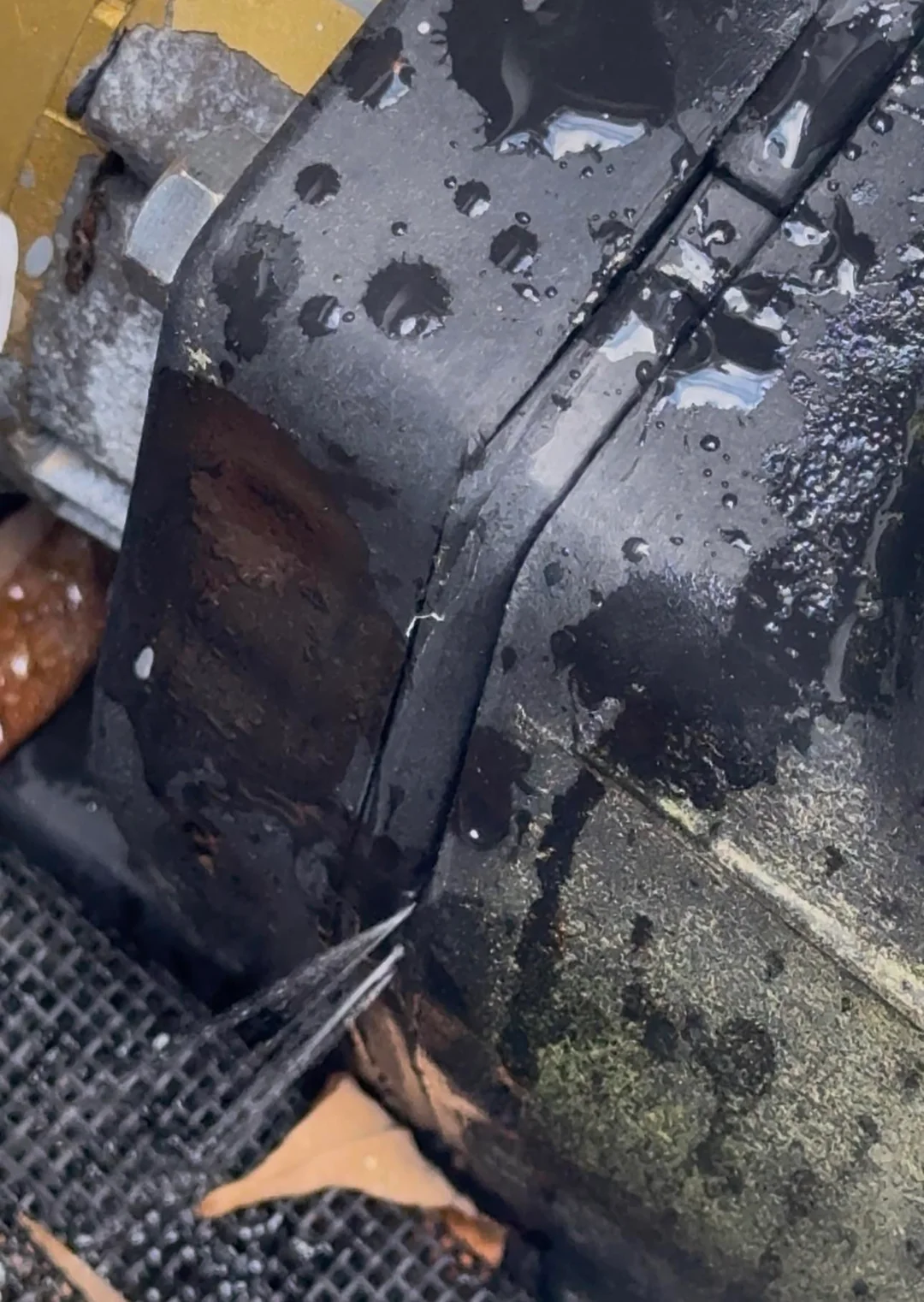
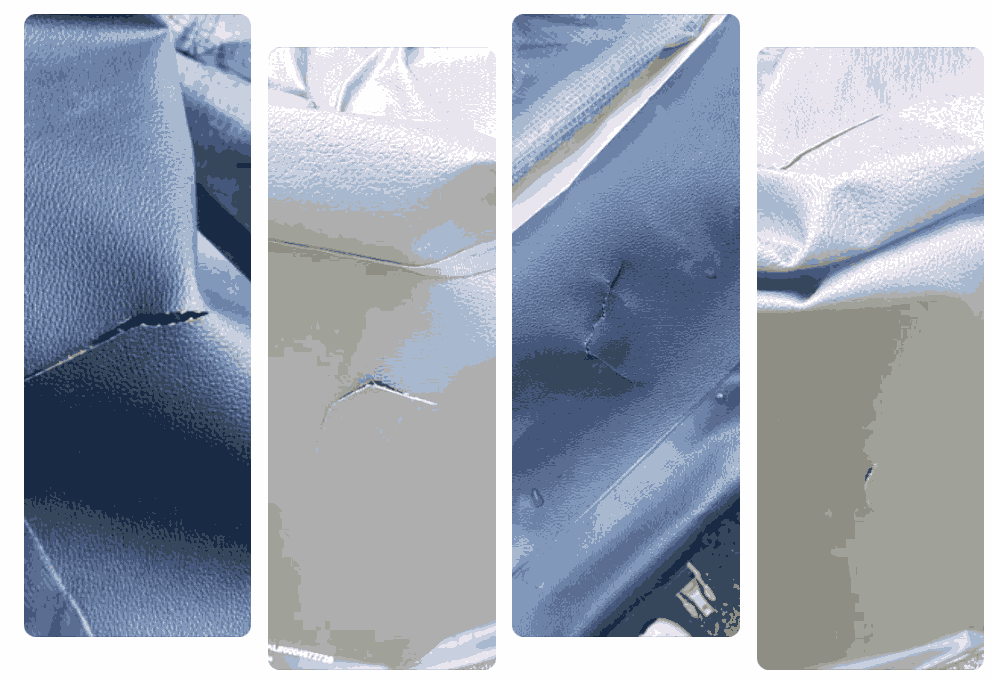
Some freeze damage is obvious. Some shows up like a bad magic trick: the system runs, then pressure drops, bubbles appear, the pump loses prime, or a tiny drip becomes a steady leak as the day warms. Hayward’s freeze-protection guidance says if ice has formed on equipment, do not turn power back on until the ice melts naturally. That is smart advice because cracks may not show themselves until thawing begins and water pressure returns.
Also watch water loss. If the pool keeps dropping after refill, you may be dealing with cracked plumbing, a leaking heater, a damaged valve or an open drain plug. A pool equipment inspection after storm conditions should include the whole flow path, not just the most obvious puddle on the pad.
When PoolBurg Should Be Called In
Cracked housings, heater errors and pumps that will not prime
Call PoolBurg if you see cracked PVC, a leaking pump housing, a filter issue, heater errors, a pump that will not prime, water loss that will not stop, or an equipment pad you do not feel safe restarting. This is especially true after a hard freeze or power outage. A proper post-freeze visit checks the pump, filter, heater, valves, automation, plumbing exposure, pressure and circulation before anyone starts chasing chemistry.
For ongoing protection, PoolBurg’s weekly pool service includes equipment assessment, filter pressure checks, basket cleaning and water balancing. And if you are already thinking ahead to the next cold snap, the pool closing in Texas guide explains why DFW pools need smarter freeze prep than simply hoping the weather behaves.
The Bottom Line
Pool opening after winter storm damage is not about panic. It is about order. Inspect first, refill second, restart carefully, test water after circulation is safe, and call for help when the equipment gives you warning signs. The faster you separate simple startup issues from real freeze damage, the better chance you have of avoiding a bigger repair.
People Also Ask
What should I do to my pool after a freeze?
Inspect the equipment pad first, check power, refill to the proper level, prime the pump carefully, watch for leaks and then test and balance the water.
How do I know if my pool equipment has freeze damage?
Look for cracked PVC, leaking pump housings, filter tank issues, heater errors, air bubbles, weak flow, water loss or a pump that will not prime.
Should I turn the system on immediately after a storm?
Not if ice is still on the equipment, power looks unsafe, water level is low, or you see cracks. Inspect first and restart carefully only when conditions are safe.
What if the pump will not prime after winter weather?
Stop running it dry. Check water level, baskets, pump lid seal and valve position. If it still will not prime, book service before the motor overheats.
Do I need to shock the pool after a winter storm?
Maybe, but only after testing. Circulation and equipment safety come first. Then balance pH and chlorine based on actual test results.
Can a pool heater crack in freezing weather?
Yes. Heaters hold water and can be damaged by freeze expansion, especially if water is trapped inside and the unit is not protected.
What does freeze damage look like on PVC?
It may look like a split, bulge, drip, loose fitting or leak that appears once thawing begins and pressure returns.
When should I book a professional startup?
Book service if the freeze was severe, the system lost power, the pump will not prime, the heater faults, leaks appear or the equipment pad feels confusing or unsafe.
PoolBurg CTA
Need help with pool opening after winter storm weather in Frisco, McKinney, Allen, Plano, Mesquite, Garland or nearby DFW communities? PoolBurg can inspect your pump, filter, heater, plumbing, valves, automation and water chemistry before small freeze issues turn into expensive repairs. Contact PoolBurg to schedule a post-freeze pool inspection and startup visit.