Pool heater not heating problems become obvious fast in Frisco, Plano, McKinney, Allen, Prosper and Southlake, especially during spring and fall when the air warms up but the water still feels icy. The heater may look alive, flash an error, start and quit, or do absolutely nothing. Before assuming the whole unit is bad, start with the three big suspects: flow, fuel and controls.
What It Means When a Pool Heater Runs but Does Not Heat
Heater on but water stays cold
If the display is on but the pool heater not heating water, check the set point first. Then look at valves, bypasses and pump speed. A heater can only warm the water that actually moves through it. A pool cover can also help keep heat from disappearing overnight; the U.S. Department of Energy’s swimming pool cover guidance explains how covers reduce heating loss.
Heater starts then shuts down
A heater that fires briefly and stops is usually protecting itself. Low flow, a pressure-switch issue, a dirty filter, a high-limit switch or ignition trouble can all interrupt the cycle. Hayward’s LO code troubleshooting guidance points to water flow and pressure-switch checks as key items.
Heater never ignites at all
If the heater never tries to light, the problem may be gas supply, an igniter, flame sensor, control board, automation setting or tripped breaker. This is where pool heater troubleshooting can turn expensive if you start replacing parts blindly.
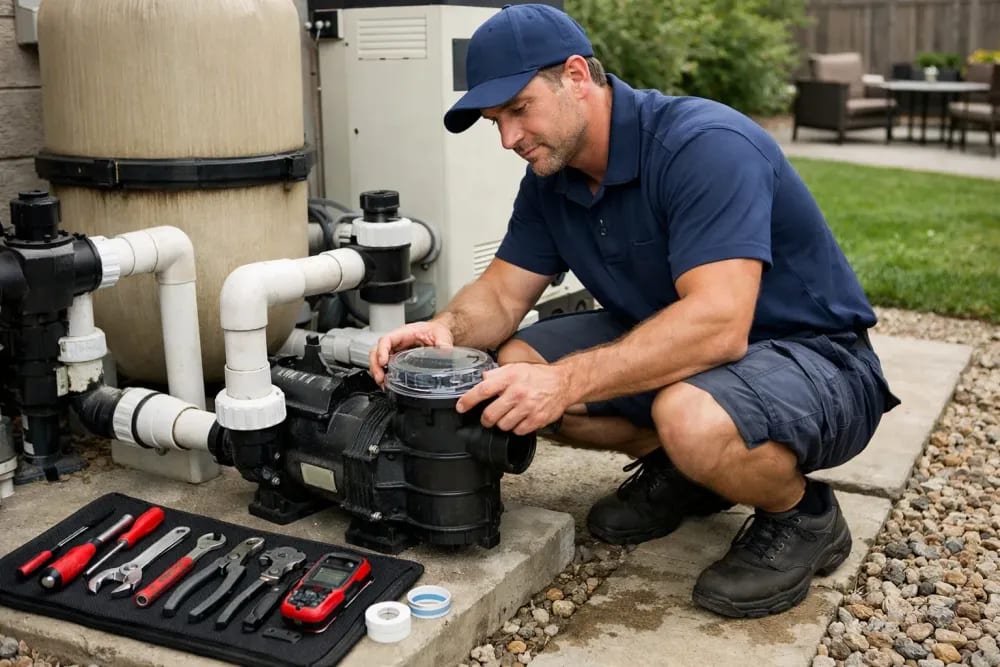
Quick Checks a Homeowner Should Do First
| Quick Check | Why It Matters | First Move |
| Set point | The heater will not call for heat if the target temperature is too low. | Raise the setting above current water temperature. |
| Valves and bypass | Water may be skipping the heater or moving too slowly. | Confirm proper valve position and return flow. |
| Breaker, timer or automation | Schedules can interrupt heating even when the display looks normal. | Check power, mode and automation commands. |
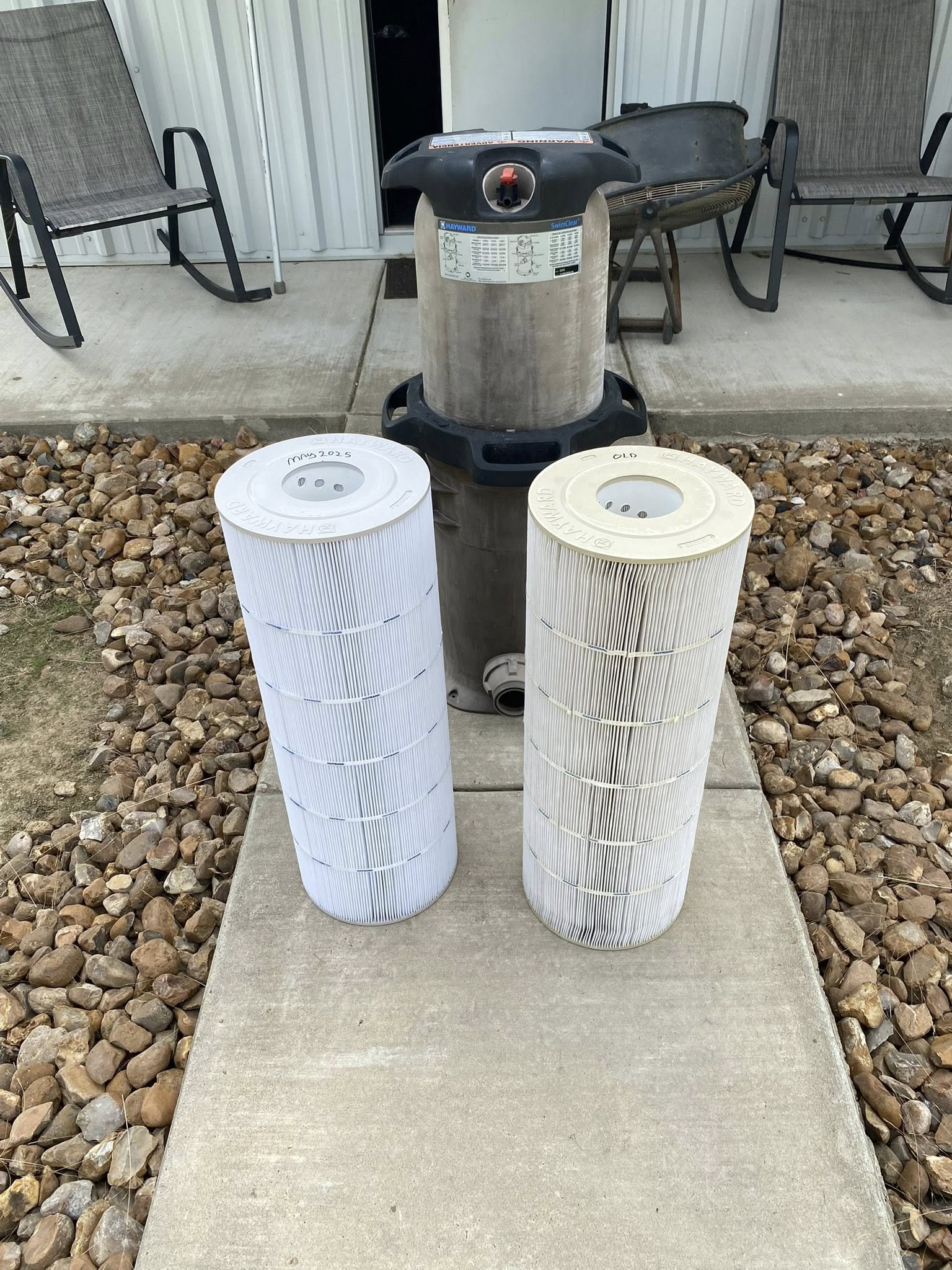
| Dirty filter | Restricted flow can stop the heater from firing safely. | Clean cartridges or backwash when pressure rises. |
A dirty filter is one of the easiest reasons a pool heater stopped heating. PoolBurg’s pool filter maintenance guide and how to backwash pool filter guide can help you spot the basics before booking service.
The Most Common Reasons a Pool Heater Stops Heating
Low water flow and pressure-switch problems
Pool heaters need steady circulation before they fire. Low pump speed, clogged baskets, closed valves, air leaks or a failing pressure switch can all make the heater think heating is unsafe. Pentair’s MasterTemp installation and user guide warns that incorrect pressure-switch settings or poor flow can damage equipment, so do not randomly adjust it.
Ignition, burner or pilot issues
Gas heaters may click but not light, light and roll out, or shut down because flame is not proven. Dirt, insects, corrosion, gas pressure problems and bad igniters are all common suspects.
Sensor or thermostat faults
Sometimes the heater is not lazy; it is confused. A bad water-temperature sensor can tell the system the pool is already warm, while a high-limit issue can shut things down early.
Scale, soot or exchanger blockage
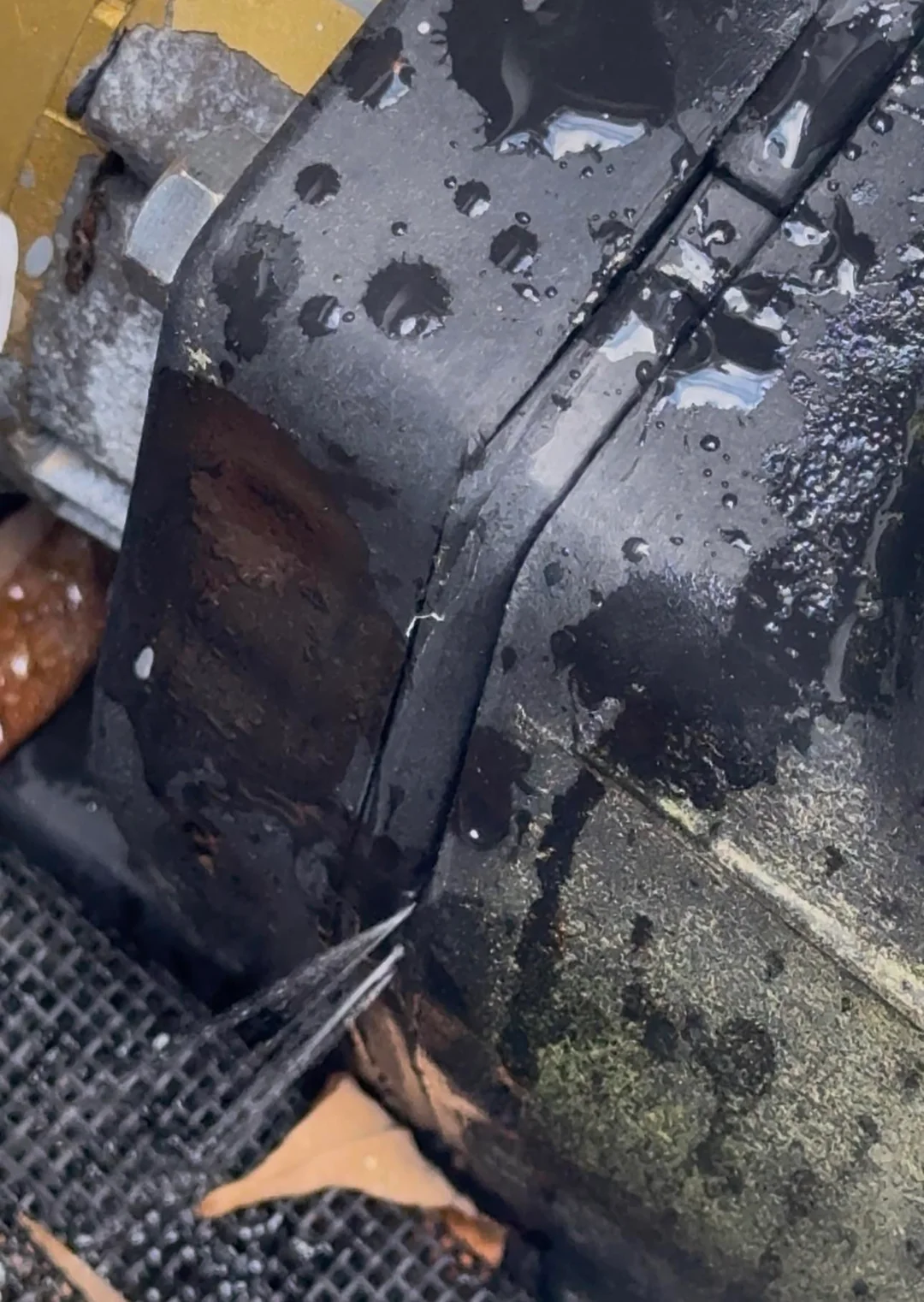
DFW hard water can encourage scale when chemistry is ignored. Soot, rust, scorch marks, rattling or odd smells are not DIY signs. If the pool heater not heating comes with those symptoms, stop and call a technician.
Weather and ambient-temperature limits
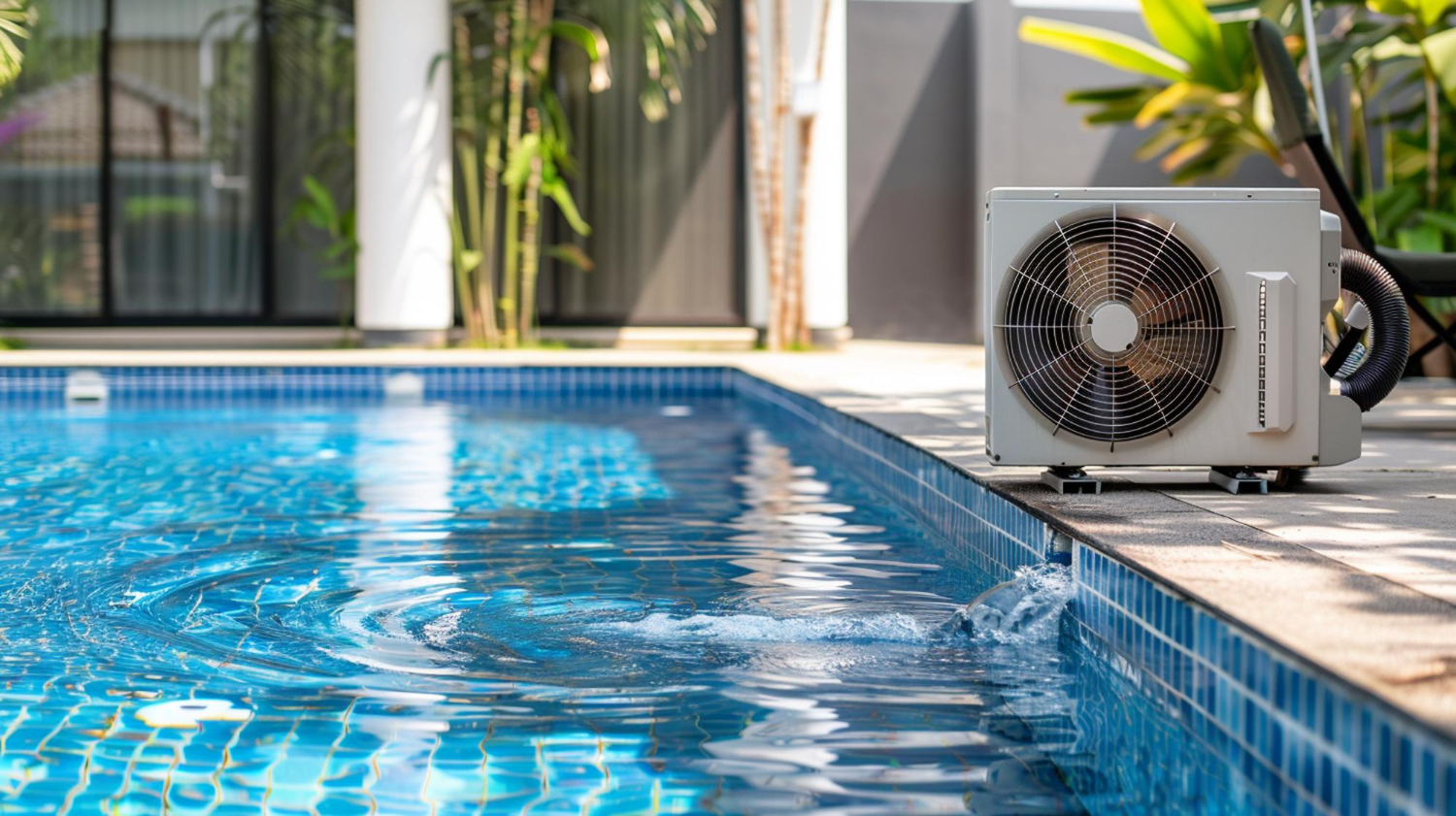
Heat pumps are not broken just because they heat slowly on cold, windy days. The Department of Energy heat pump pool heater guide explains that sizing depends on pool surface area and the difference between air and water temperature.
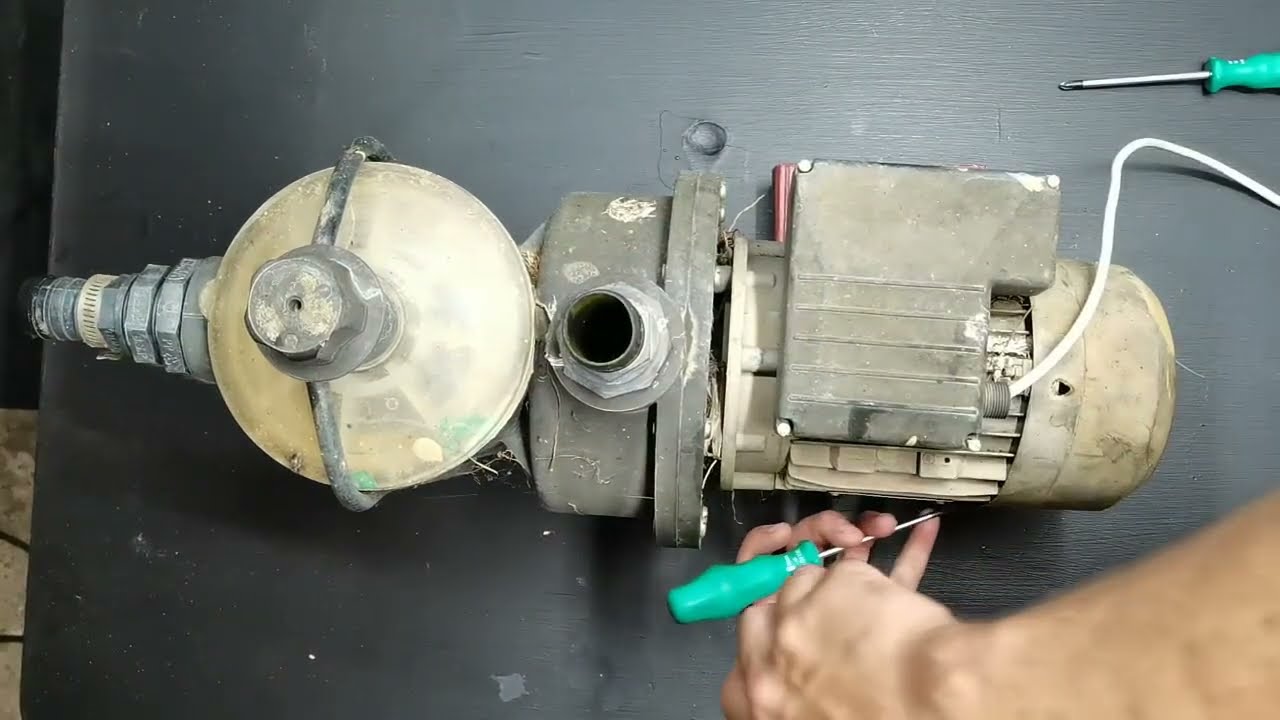
Gas Heater Faults Versus Heat Pump Faults
Why gas heaters fail differently
Gas heaters are fast and powerful. The Department of Energy gas pool heater guide notes that gas heaters can heat quickly and maintain temperature regardless of weather. When they fail, the problem is often ignition, gas supply, exhaust or safety limits.
Why heat pumps feel slow when conditions are wrong
A heat pump pulls heat from the air, so cool nights, wind and no cover can make it feel painfully slow. PoolBurg’s pool heat pump maintenance service can check airflow, coils, electrical feed and whether the unit is sized realistically.
Repair or Replace
When a simple repair is worth it
Repair is often worth it when the heater is newer, the cabinet is clean and the issue is isolated, like a sensor, igniter, pressure switch or dirty-filter flow problem. In those cases, smart pool heater troubleshooting can save real money.
When replacement is smarter
Replacement starts making sense when the heater is rusted, leaking internally, repeatedly locking out or stacking repairs. PoolBurg’s pool heater not working guide is a good next read if the problem keeps coming back.
When to Stop Troubleshooting and Book Service
Safety red flags
Stop DIY checks if you smell gas, see soot, hear popping, notice melted wiring, find water inside electrical compartments or keep resetting breakers. A pool heater not heating is annoying. Combustion or electrical trouble is different.
What a proper heater diagnostic should include
A proper diagnostic should check flow, filter pressure, valves, gas or electrical feed, automation commands, sensors, safeties, error history and repair-vs-replacement options. PoolBurg can provide same-week heater diagnostics across Frisco, Plano, McKinney, Allen, Prosper, Southlake and nearby DFW areas. Pair that with weekly pool service and you can catch circulation and equipment problems earlier.
People Also Ask
Why is my pool heater not heating water?
Usually because of low flow, dirty filters, valve issues, ignition problems, sensor faults or incorrect settings.
How can I troubleshoot a pool heater that won’t turn on?
Check the breaker, heater mode, automation schedule, set point, pump operation and error codes. Stop before opening gas or electrical components.
What are the common reasons for a pool heater to stop heating?
Dirty filters, weak flow, pressure-switch problems, ignition failure, scale buildup, sensor faults and heat pump weather limits are common.
How do I know if my pool heater is bad?
Repeated lockouts, leaks, heavy rust, tripped breakers, loud noises and repeat repairs usually mean the heater needs professional evaluation.
Can pool heaters be repaired?
Yes. Many heaters can be repaired when the issue is a sensor, igniter, switch, control problem or circulation issue.
Is it worth repairing an older pool heater?
It depends on age, heat exchanger condition, parts availability and repair history. Small isolated repairs may be worth it; repeated failures may not.
Why does my heater start and then shut off?
A safety circuit may be stopping operation because of low flow, dirty filters, pressure-switch trouble, high-limit issues or ignition problems.
Can a dirty filter stop a pool heater from heating?
Yes. A dirty filter can restrict water flow enough to keep the heater from firing or make it shut down shortly after starting.
PoolBurg Helps DFW Homeowners Get Heat Back Without Guessing
When your pool heater not heating turns into a weekend problem, PoolBurg can check the flow side, fuel or electrical feed, controls, sensors, safety circuits and repair-vs-replacement options. Contact PoolBurg to schedule a same-week heater diagnostic and get your water comfortable again.