
If you are researching salt water pool myths, you have come to the right place. Uncovering the truth about salt water pool myths is critical for North Texas homeowners. Salt water is easily the most popular upgrade in DFW, but believing salt water pool myths can cost you thousands of dollars. We hear wild salt water pool myths every single week on our maintenance routes. It is time to bust these salt water pool myths once and for all.
Salt Water Pools Are Great — But salt water pool myths Cost DFW Homeowners Money
These systems come wrapped in more misconceptions than any other technology. Some salt water pool myths lead to severe under-maintenance, while other salt water pool myths lead to wasted money on unneeded chemicals. Here are 10 dangerous salt water pool myths we hear every week from DFW pool owners.
The 10 salt water pool myths You Need to Stop Believing
Myth 1 — “They don’t have chlorine”
This is one of the biggest salt water pool myths. The TRUTH: You are swimming in chlorinated water. The generator simply converts salt into pure chlorine through electrolysis. Believing these salt water pool myths ignores the fact that the delivery method is the only real difference.
Myth 2 — “They are maintenance-free”
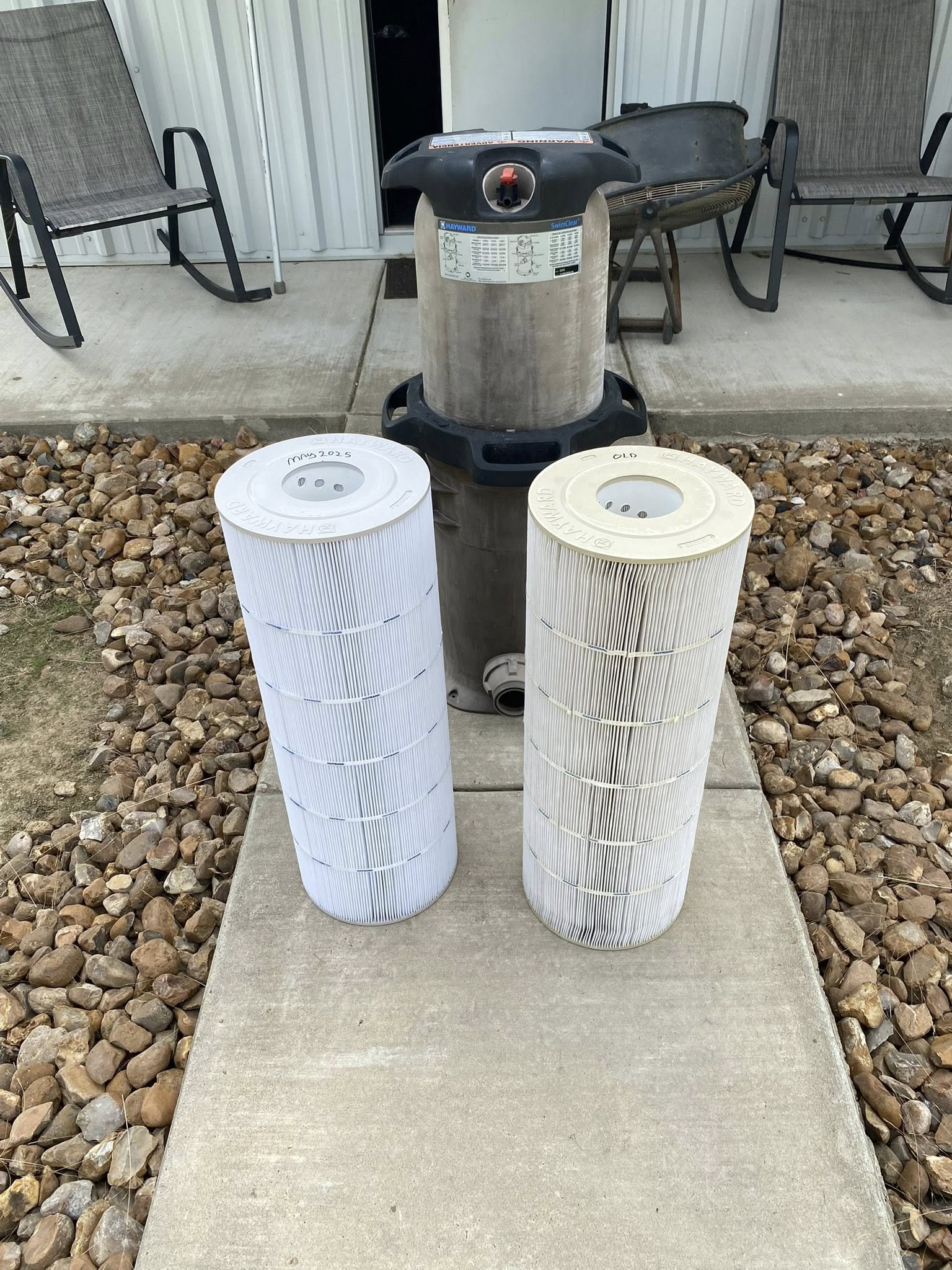
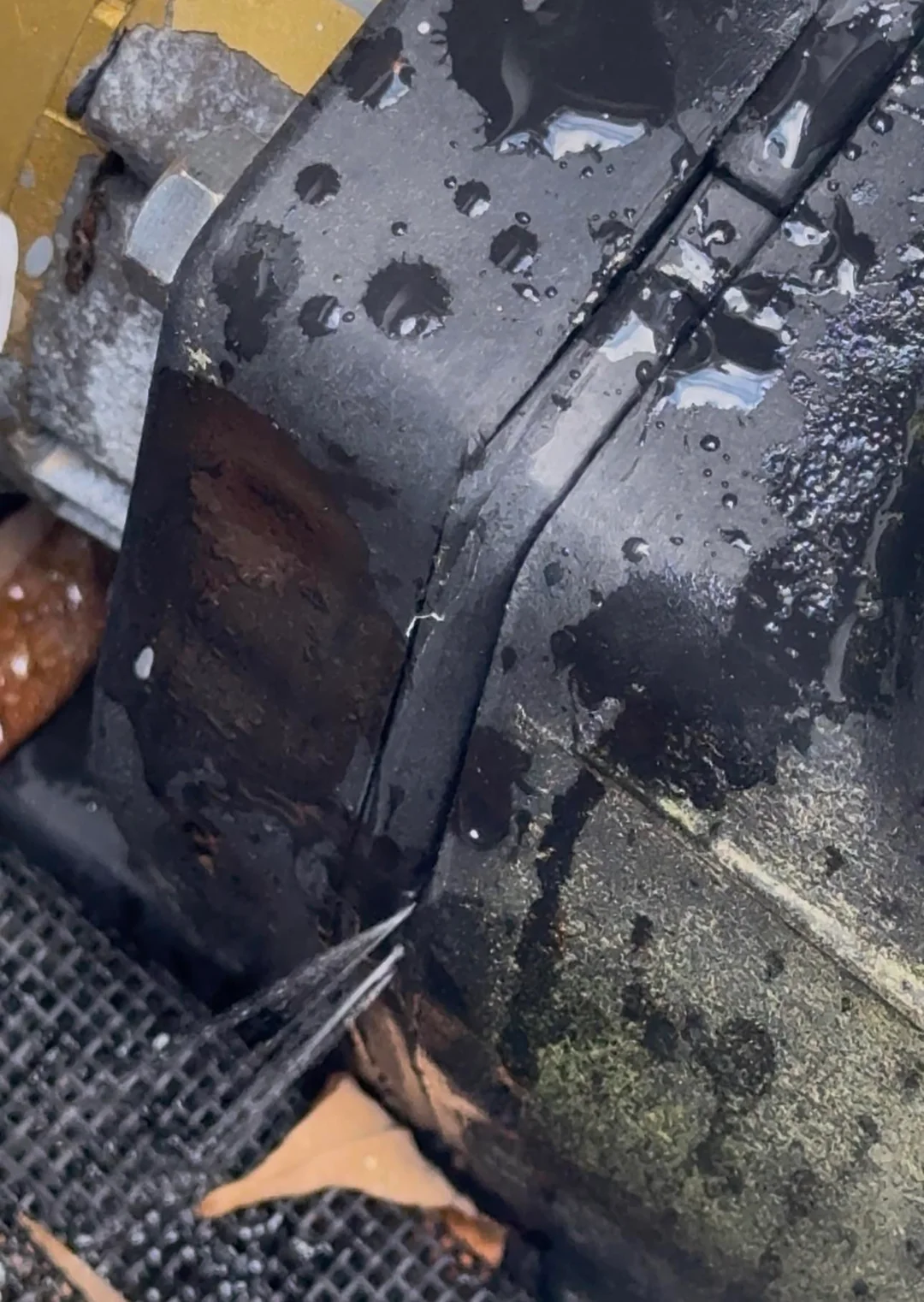
Falling for maintenance-free salt water pool myths is dangerous. The TRUTH: They require the EXACT SAME brushing, skimming, and filtration as traditional systems. Plus, you have additional generator maintenance. In DFW’s notoriously hard tap water, these salt water pool myths fall apart because heavy calcium scaling requires constant cell cleaning. This clearly explain how quickly this scale ruins equipment.
Myth 3 — “They are cheaper to maintain”
If you look at financial salt water pool myths, you will be disappointed. The TRUTH: You save on buying liquid chlorine, but you spend heavily on cell replacements ($300-$800 every 3-5 years) and extra muriatic acid. The net cost is basically equal, which you can see in our detailed annual pool maintenance cost breakdown.
Myth 4 — “The water tastes like the ocean”
These taste-related salt water pool myths are funny. The TRUTH: Ocean water is roughly 35,000 ppm. Your backyard is only 3,000 ppm. That is 10 times LESS salty than the ocean. You can barely taste it, though the silky feel on your skin is definitely real.
Myth 5 — “They never cause eye irritation”
Skin and eye salt water pool myths are misleading. The TRUTH: Because they still contain chlorine, organic contamination still forms irritating chloramines. While irritation is usually lower due to steady dosing, CDC confirm that any pool can cause red eyes if the chemistry gets out of balance.

Myth 6 — “I never need to add extra chlorine”
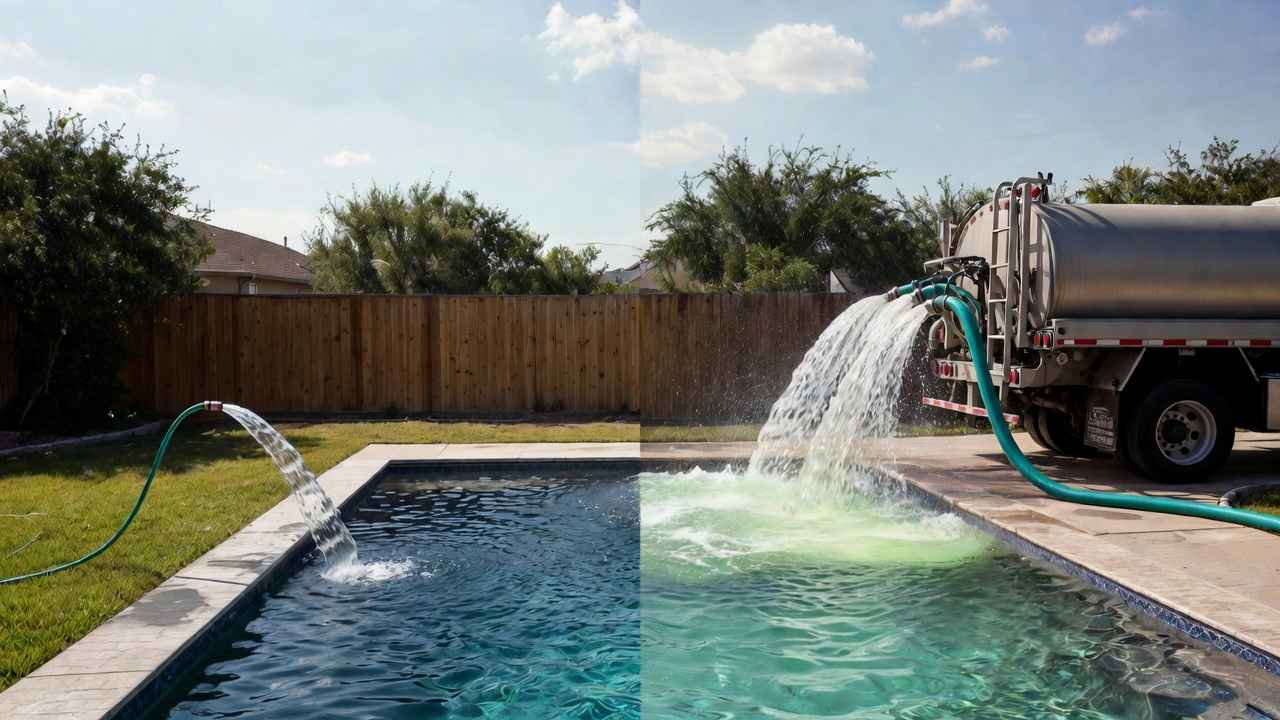
These hands-off salt water pool myths ruin summers. The TRUTH: During the peak DFW heat or after massive thunderstorms, your generator simply cannot produce sanitizer fast enough. You absolutely must supplement with liquid shock during high-demand periods.
Myth 7 — “It is gentle on all equipment”
These equipment salt water pool myths cause major rust. The TRUTH: Salt water is highly conductive and MORE corrosive to certain metals than fresh water. Light screws, ladders, and heater headers will rust faster. We always recommend sacrificial zinc anodes to stop this corrosion before you need an expensive pool heater repair.
Myth 8 — “The cell lasts 7-10 years”
Lifespan salt water pool myths are a hard reality check. The TRUTH: The national average is 5-7 years, but in DFW’s hard water, the true average is only 3-5 years. Calcium scaling is the number one killer.
Myth 9 — “They don’t need pH management”
Chemistry salt water pool myths are totally backwards. The TRUTH: These systems have WORSE pH challenges because the electrolysis process generates sodium hydroxide, a strong base. Your pH will constantly drift upward, requiring more acid.
Myth 10 — “Converting fixes underlying pool problems”
These magical cure-all salt water pool myths are false. The TRUTH: A conversion only changes how sanitizer is delivered. If you have bad filtration or poor circulation, these salt water pool myths won’t save you. You must fix the fundamentals first.
What IS True Beyond the salt water pool myths
Once you look past the salt water pool myths, the benefits are real.
- Softer water: Swimmers consistently prefer the silky feel.
- Steady production: The generator provides consistent daily output.
- Less handling: You stop carrying heavy buckets of tablets.
- Convenience: The automated appeal is genuine, even if oversight is still needed.
People Also Ask About salt water pool myths

Do salt water pools really have chlorine?
Yes! One of the most common salt water pool myths is that they are chemical-free, but they actually generate their own pure chlorine.
Is a salt water pool really low maintenance?
No. Believing low-maintenance salt water pool myths leads to neglect. You still must balance pH and clean the cell regularly.
Are salt water pools cheaper?
Financial salt water pool myths are tricky. According to HomeAdvisor’s swimming pool cost data, the ongoing expenses (like cell replacements) make the long-term costs roughly equal to traditional setups.
How long do cells last in Texas?
Despite national salt water pool myths, DFW’s hard water limits cell lifespans to about 3 to 5 years.
Does salt water damage pool equipment?
Yes, ignoring corrosion salt water pool myths is bad. It can rust unprotected metals rapidly if your chemistry is ignored. PHTA heavily recommends zinc anodes to prevent galvanic corrosion.
Is it worth converting in DFW?
Yes, if you want softer water and automated delivery, but do not do it based on cost-saving salt water pool myths.
PoolBurg Exposes salt water pool myths With Truth
We love these systems, but we will always give you the facts over fiction. The EPA safe chemical guidelines emphasize that proper knowledge is the only way to keep water safe. Still confused by salt water pool myths? PoolBurg gives you honest answers, precise dosing with our water chemistry calculator, and elite service. Visit our Contact Us page today to stop guessing and start swimming!