Pool allergies can completely ruin a perfect Texas afternoon. Many DFW swimmers falsely blame their water chemistry when they start sneezing, assuming they are allergic to pool water. But when you look at the real relationship between your pool and allergies, our local environment adds tons of sneaky irritants that have absolutely nothing to do with chlorine.
If you suffer from pool allergies, you are likely reacting to pollen, mold, mildew, and other environmental dust around your patio. Understanding the real source of your pool allergies is the only way to find the right solution.
Pollen Allergies and Swimming in DFW
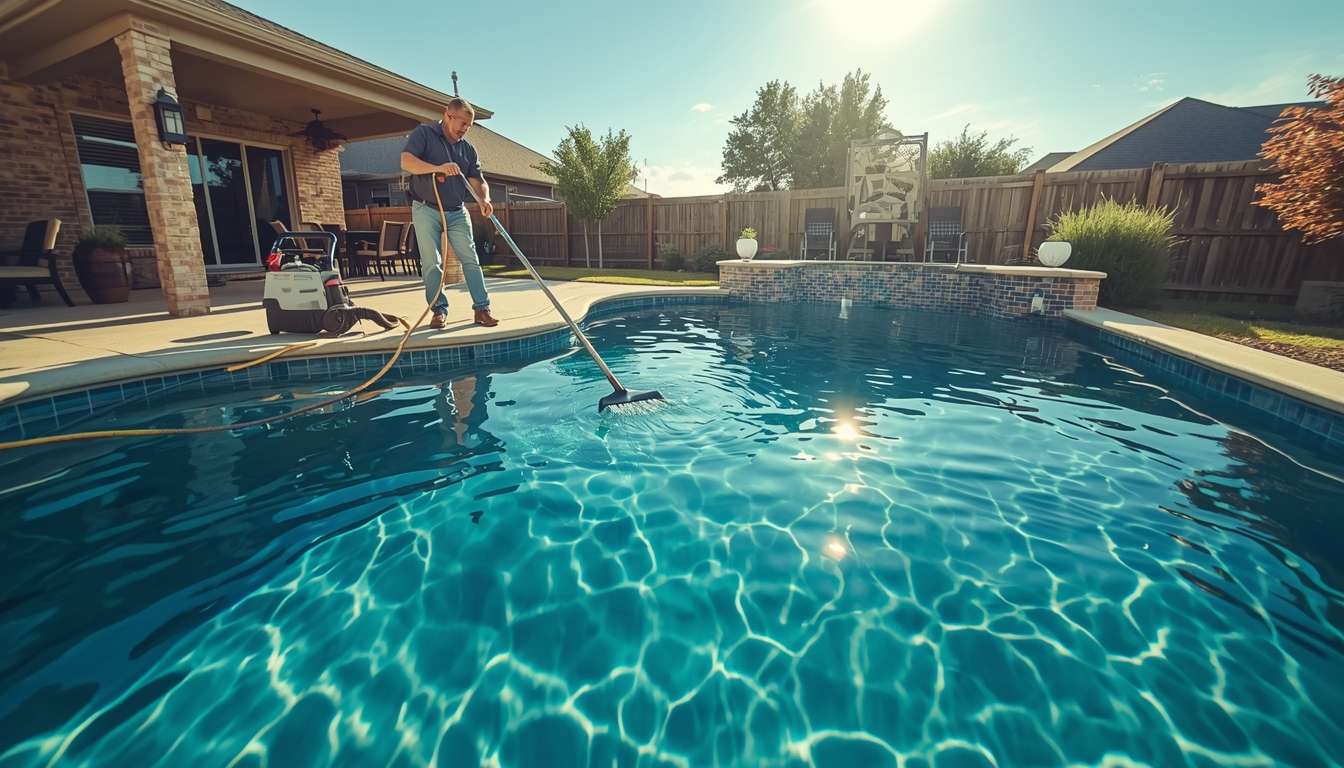
Our brutal DFW pollen calendar affects your backyard year-round, constantly triggering severe pool allergies. We get cedar fever from December through February. Then, oak trees dump massive amounts of yellow dust from March through May, which makes pool allergies spike dramatically. Grass pollen hits from April to June, and ragweed finishes the year in the fall. Honestly, you are rarely more than a month away from a new wave of pool allergies.
How exactly does this affect swimmers battling pool allergies? The pollen lands directly on the water surface, and then you swim right through it. This intense exposure triggers pool pollen allergies instantly. You also walk barefoot through the dust on the deck, and you dry your face with towels covered in allergens. The symptoms you blame on chemicals are usually just your everyday pool allergies being aggravated by the outdoors. The Dallas Express say that extreme oak and elm tree pollen levels are currently causing massive respiratory distress across the metroplex.
To manage your pool allergies, you have to be smart. Swim only when counts are low, like early morning or right after a rainstorm. Shower immediately after swimming to rinse the irritants off your skin to fight your pool allergies. Keep an eye on the Weather Forecast to know when high winds will blow more dust into your yard.

Mold and Mildew Around the Pool
Where does the mold grow? It thrives under damp covers, on outdoor furniture cushions, inside the equipment enclosure, and on shaded concrete. When you disturb these areas, spores go airborne and trigger severe pool mold allergies. Inhaling these spores causes coughing and wheezing.
These symptoms happen near the water, but they are not caused by the chemistry, meaning your pool allergies are actually environmental. To manage pool mold allergies, wash your cushions monthly, air out your covers, and clean shaded deck areas with a mild bleach solution. Keeping the area dry actively fights pool mold allergies.
Insect and Pest Allergies at the Pool
Your pool allergies might also stem from bugs. Fire ants love building mounds near warm equipment pads. Wasps and bees constantly fly down to the water for hydration during dry Texas summers. A sting can cause a massive reaction. While these aren’t traditional pool allergies, they definitely ruin the swimming experience.
How to Tell if Your Symptoms Are Chemistry or Environmental
Chemistry symptoms usually involve red, burning eyes and a strong chemical smell. These happen IN the water and improve after you shower. True environmental pool allergies involve sneezing, a runny nose, and itchy eyes. The CDC explain that red eyes are usually caused by chloramines (imbalanced water), not an actual allergy. To test your pool allergies, ask yourself: do you sneeze when you sit in your front yard without swimming? If yes, you just have seasonal pool allergies. You can fix this by taking your medication and having a professional tech balance the water properly, which the PHTA recommends for ultimate swimmer comfort.
Can Swimming Actually HELP Your Pool Allergies?
Believe it or not, swimming in a properly maintained yard can actually benefit people with pool allergies. The warm, moist air right above the water’s surface naturally soothes irritated airways. Plus, swimming gives you a great workout without the heavy dust exposure of running on a trail. The EPA outlines strict air quality and environmental guidelines reminding us that managing local allergens is key to staying healthy outside. Manage the environment, and your pool allergies will fade.
People Also Ask
Can you be allergic to pool water?
True chemical allergies are rare; usually, you are just suffering from pool allergies caused by local Texas trees.
Why do I get allergies when I swim?
You are outside breathing heavy oak dust, which instantly sparks your pool allergies.
Does pool pollen cause allergies?
Yes, pool pollen allergies are a huge problem for DFW homeowners every single spring.
Can mold around the pool cause allergic reactions?
Absolutely. Untreated outdoor cushions easily trigger pool mold allergies and intense sneezing.
How do I reduce allergens?
Keep your deck spotless, wash your towels frequently, and shower immediately to wash off the triggers causing your pool allergies.
Is swimming good or bad for allergies?
It is actually great for your lungs, as long as you properly manage your pool allergies with medication and clean water.
PoolBurg Maintains a Clean Environment
We skim the heavy pollen at every visit to help you defeat your pool allergies. We address both your water chemistry and your surroundings so you never have to feel allergic to pool water again. Check out our chlorine sensitivity guide for more info on how we keep your water perfectly balanced. If you are tired of struggling with pool allergies, contact PoolBurg today for reliable weekly pool service that keeps your backyard pristine! Visit our Contact Us page to get started.