A successful spring pool startup Texas homeowners rely on starts long before the kids start asking to jump in. Look, I’ve been maintaining pools across Frisco and Southlake for a long time, and I can tell you that March is the most critical month on your calendar. If you rush your spring pool startup Texas protocol or skip the baseline chemistry checks, you’ll be fighting an uphill battle against algae and phosphate spikes all the way through August.
The goal of a proper spring pool startup Texas is to set a solid foundation. In North Texas, we don’t just “open” a pool; we recover it from the winter elements and prepare it for the brutal 100°F sun. This guide is your complete pool startup checklist designed specifically for our local climate. Whether you have a heater and want to swim by Spring Break or you’re waiting for May, following these steps for opening pool for spring is the only way to protect your plaster and your equipment from the aggressive DFW environment.
Spring Is Here — Time to Get Your DFW Pool Swim-Ready
Most pools in neighborhoods like Prosper and McKinney are ready for action by mid-to-late March when water temperatures hit that 70°F mark. According to official industry opening guidelines, timing your startup correctly prevents early-season algae blooms. If you ignore your spring pool startup Texas needs now, you’re basically inviting a “green swamp” to take over your yard.
Pre-Startup Assessment (First Week of March)
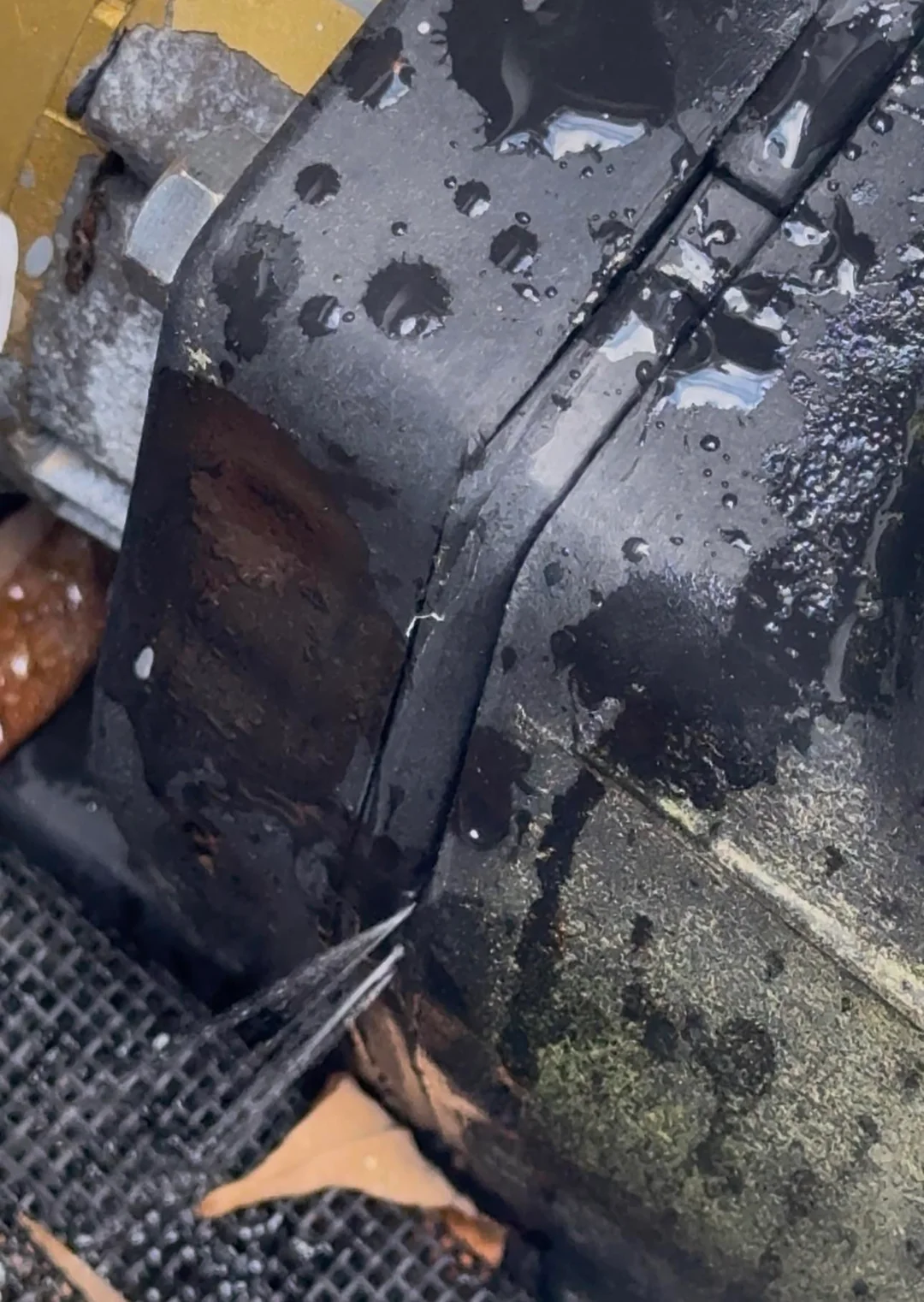
Before you turn a single valve, do a lap around the deck. Check for new cracks caused by our shifting clay soil and look at the equipment pad for any freeze damage. Even if you winterized perfectly, hairline cracks in a pump housing can lead to massive air leaks. According to weather forecasts, our late-season freezes are notorious for catching owners off-guard. Check your fence and gate too—safety compliance is the #1 rule before any opening pool for spring event.
Spring Pool Startup Texas Checklist — Step by Step
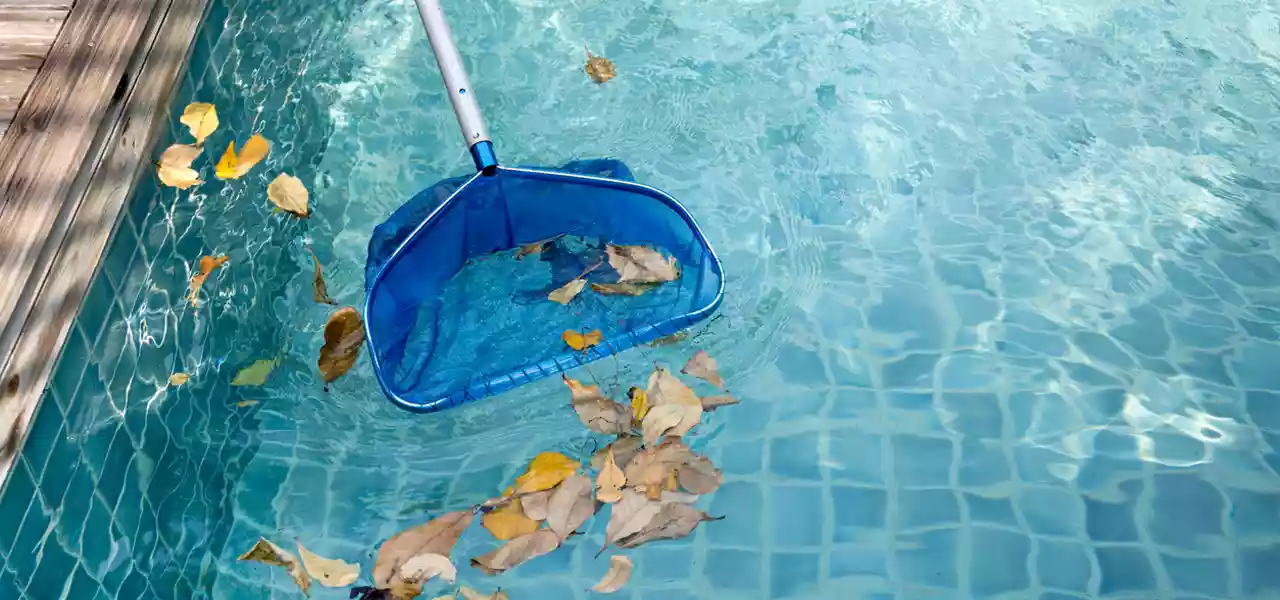
Step 1 — Debris and Filter Recovery
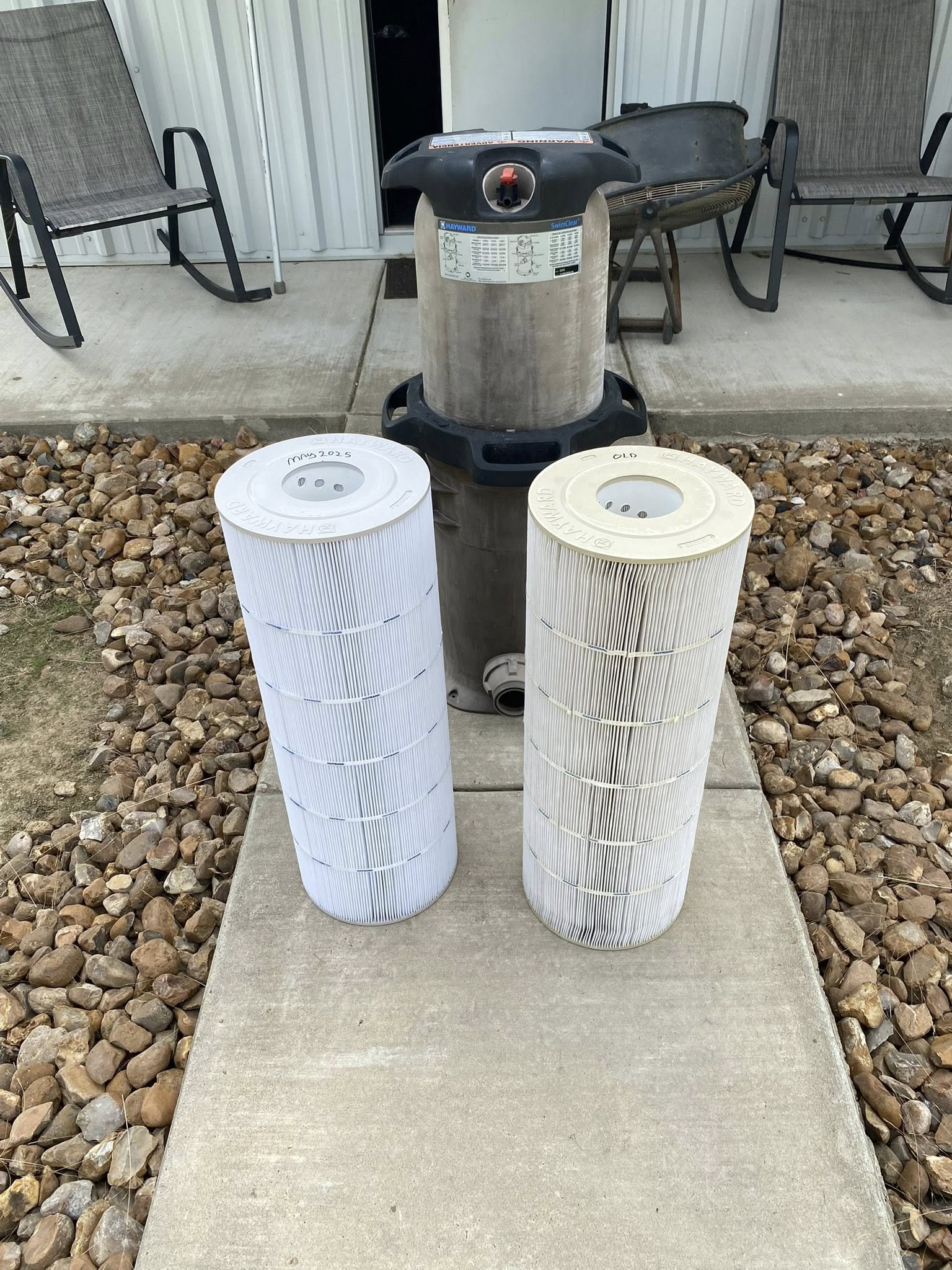
Remove your winter cover and clean it before storing to avoid a mold factory. Next, perform a deep clean of your filter. If you have a cartridge filter, it likely needs a chemical soak to remove the DFW hard water calcium that built up over winter. This is a non-negotiable part of the pool startup checklist.
Step 2 — Circulation and Schedule
Increase your pump run time immediately. In winter, 4–6 hours is fine, but for a spring pool startup Texas summer prep, you need 8–10 hours daily. According to energy efficiency standards, running a variable speed pump at a lower RPM for longer periods is the best way to clear winter turbidity.
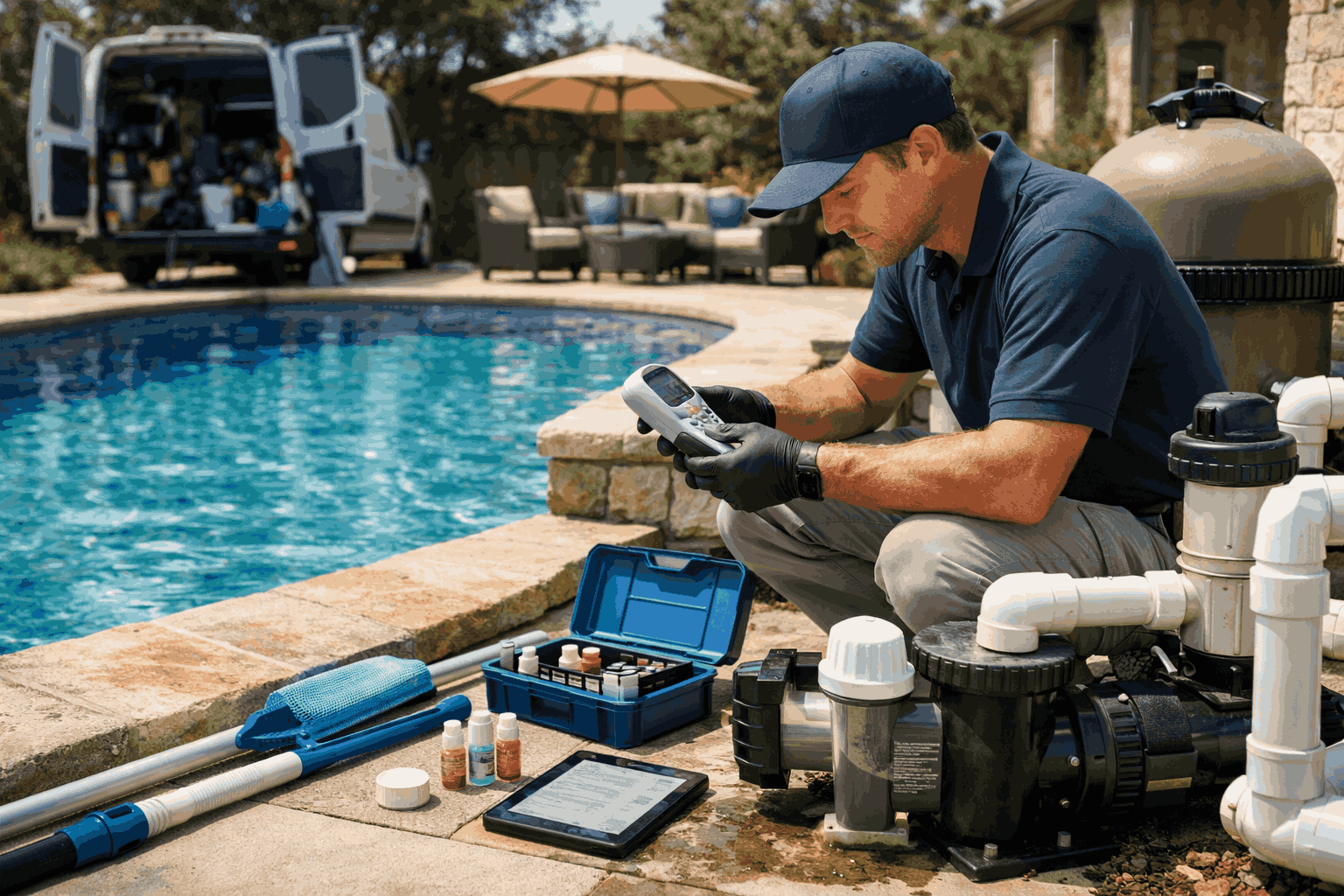
Step 3 — Chemistry Baseline and Balancing
Test every parameter to establish your spring baseline. DFW fill water is notoriously high in alkalinity, so expect to add muriatic acid to get your pH between 7.2 and 7.4. This is the most frustrating part of a spring pool startup Texas mission, but it’s vital for swimmer comfort. The CDC remind us that proper pH is the only thing that allows your chlorine to actually kill pathogens.
Step 4 — The Big Shock
Raise your free chlorine to 15-20 ppm to kill any bacteria that established a foothold during the dormant months. We always recommend using liquid chlorine for your spring pool startup Texas because it adds zero stabilizer or extra calcium.
Step 5 — Algae and Phosphate Prevention
April in North Texas means one thing: oak pollen. This yellow dust is basically a buffet for algae. A preventive dose of algaecide and a phosphate remover now will save you hundreds of dollars in “rescue” chemicals later in the season. According to water quality research, managing these minerals is the secret to a crystal-clear DFW pool opening.
Spring Startup Cost and Timeline
A professional spring pool startup Texas service usually runs between $150 and $300. While DIY chemicals are cheaper, a pro catches the bearing noise in a pump or the soot buildup in a heater that an untrained eye might miss. Expect the full process of opening pool for spring to take about 3 to 5 days to reach total stabilization.
People Also Ask
When should I open my pool in DFW?
Early to mid-March is best to get ahead of the spring pollen season.
Do I need to shock my pool during spring pool startup Texas sessions?
Yes, a “break-point” shock is required to eliminate any combined chlorine and organic matter from the winter.
How much does a professional startup cost?
In Frisco, most standard pools range from $150 to $300 including initial balancing chemicals. Check average pool maintenance data for current DFW rates.
PoolBurg’s Spring Startup Service — We Handle Every Step
We know exactly what North Texas pools need to survive the transition from freeze to furnace. From post-freeze inspections to precise chemistry balancing, we make your spring pool startup Texas effortless. Spring is here — let PoolBurg get your pool swim-ready. Schedule your spring startup today.