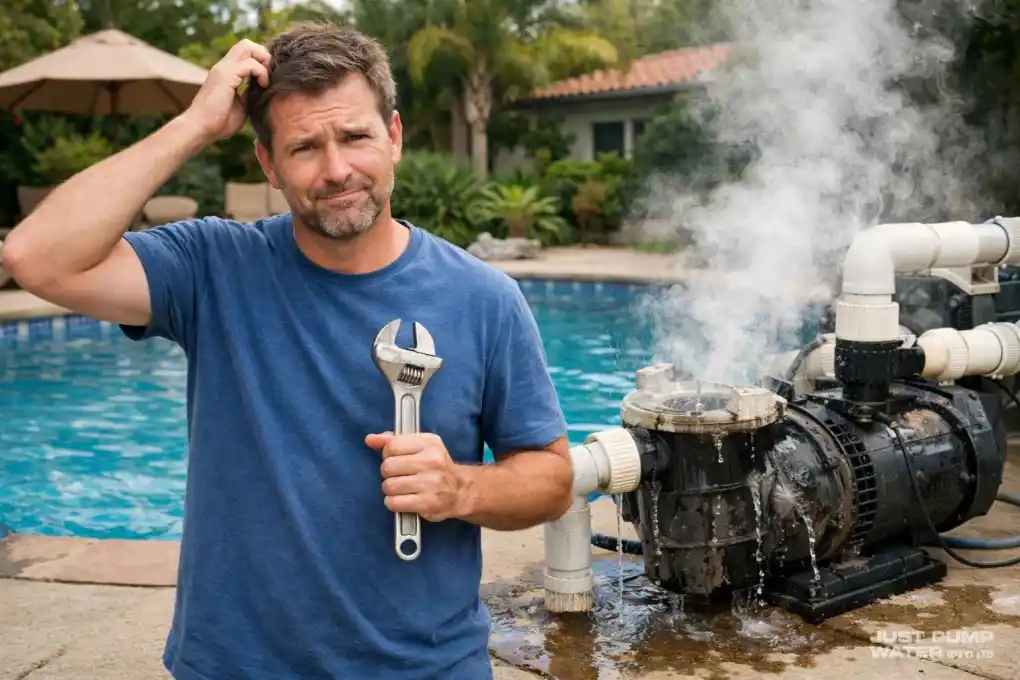
Pool pump won’t turn on? If you are standing at your equipment pad in Frisco or Plano while the 100-degree Texas sun beats down, a silent pump feels like a full-blown emergency. Seriously, in our climate, you have about 48 hours before that sparkling blue oasis starts its transformation into a swamp. But before you spiral into a panic about the cost of a full equipment replacement, take a breath.
Many times, the reason a pool pump won’t turn on is something you can fix yourself in ten minutes. This guide walks you through a logical pool pump troubleshooting sequence, moving from the “oops, forgot that” fixes to the “okay, call Mikey” repairs.
Don’t Panic — Let’s Figure Out Why Your Pool Pump Isn’t Working
When you flip that switch and hear nothing but the sound of DFW traffic, it’s frustrating. But remember: a pool pump is just a motor attached to a fan (the impeller) that moves water. If it’s not moving, it’s either a power issue, a mechanical blockage, or a component failure.
We see hundreds of these calls every season. Most homeowners assume the motor is fried. While that happens—especially with our “weather whiplash”—it isn’t always the case. Let’s start with the basics of pool pump troubleshooting to see if we can get your water circulating again today.
Pool Pump Won’t Turn On At All — No Sound, No Movement
If the motor is dead silent, we are looking at a break in the electrical chain.
Check 1 — Is it getting power?
First, head to your main breaker panel. DFW summer storms are notorious for tripping breakers. If the breaker is fine, check the GFCI outlet near the equipment pad. Press the “Reset” button. If it clicks back into place and the pump starts, you’re golden. However, if the breaker trips again immediately, stop. That is a sign of a short circuit or a ground fault. According to CPSC, water and electricity are a deadly mix, so leave the heavy electrical to us.
Check 2 — Is the disconnect switch on?
Most North Texas pools have a manual “pull-out” or toggle switch right by the pump. It’s easy to accidentally bump this off during yard work or while the kids are playing nearby. Make sure it’s firmly in the “On” position.
Check 3 — Is the motor capacitor dead?
Do you hear a faint huuuummm that lasts for a few seconds before the motor shuts off? That is usually a dead start capacitor. Think of the capacitor as the “shot of adrenaline” the motor needs to start spinning. These parts cost between $50 and $150 to replace. Pro Tip: Never try to “hand-start” the motor by spinning the shaft while the power is on. It’s dangerous and usually indicates the capacitor is shot anyway.
Pool Pump Turns On But Won’t Prime — No Water Moving
Sometimes the motor is running fine, but the water just isn’t moving. This is a “prime” issue.
- Check the Water Level: Is the water at least halfway up the skimmer? If it’s too low, the pump will suck air. In DFW, we lose 1-2 inches of water a week to evaporation in July. Fill it up!
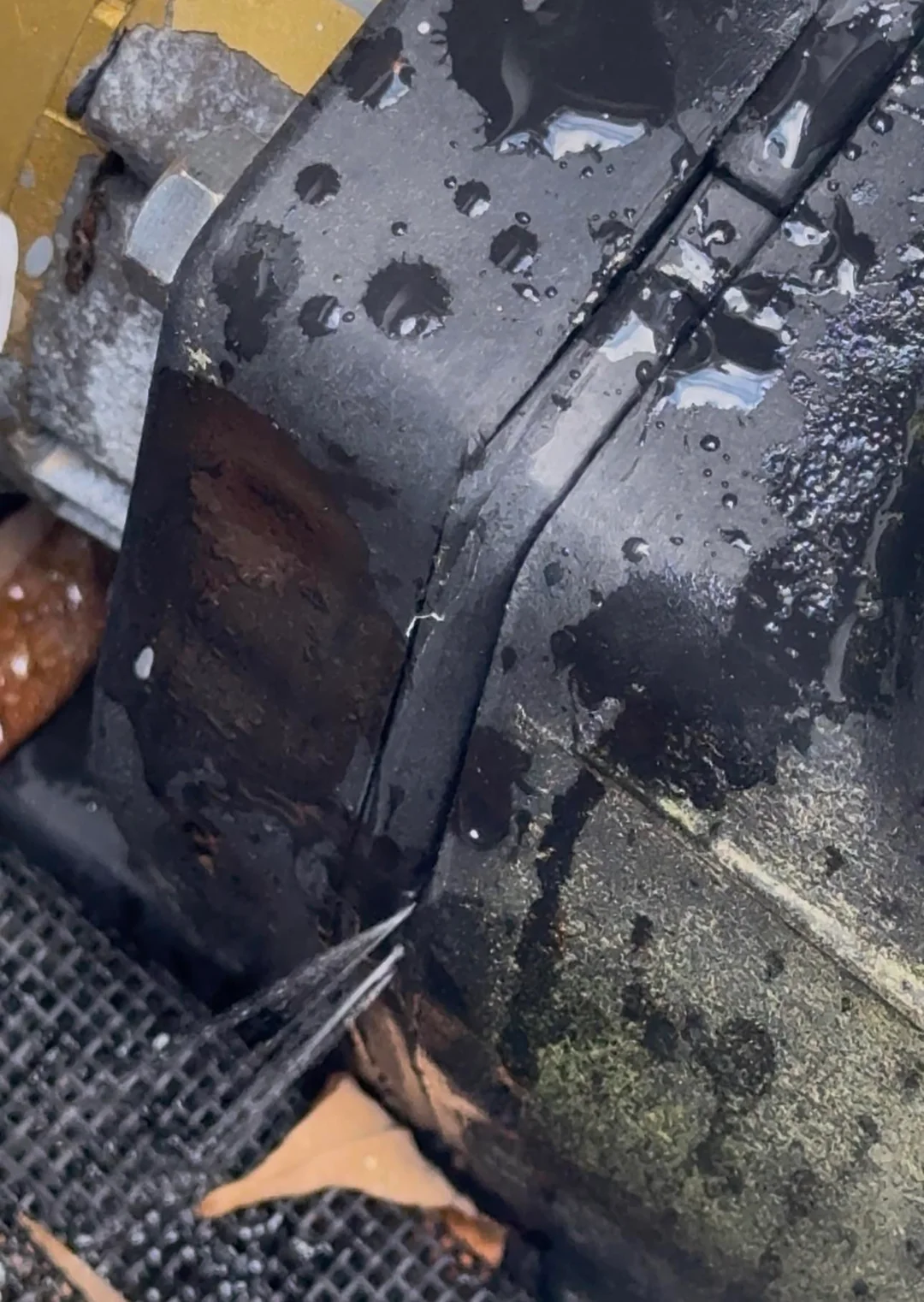
- The Lid and O-Ring: If your pump lid isn’t airtight, the pump can’t create a vacuum. Check the O-ring for cracks. We recommend being very liberal with the lubricant to ensure a perfect seal.
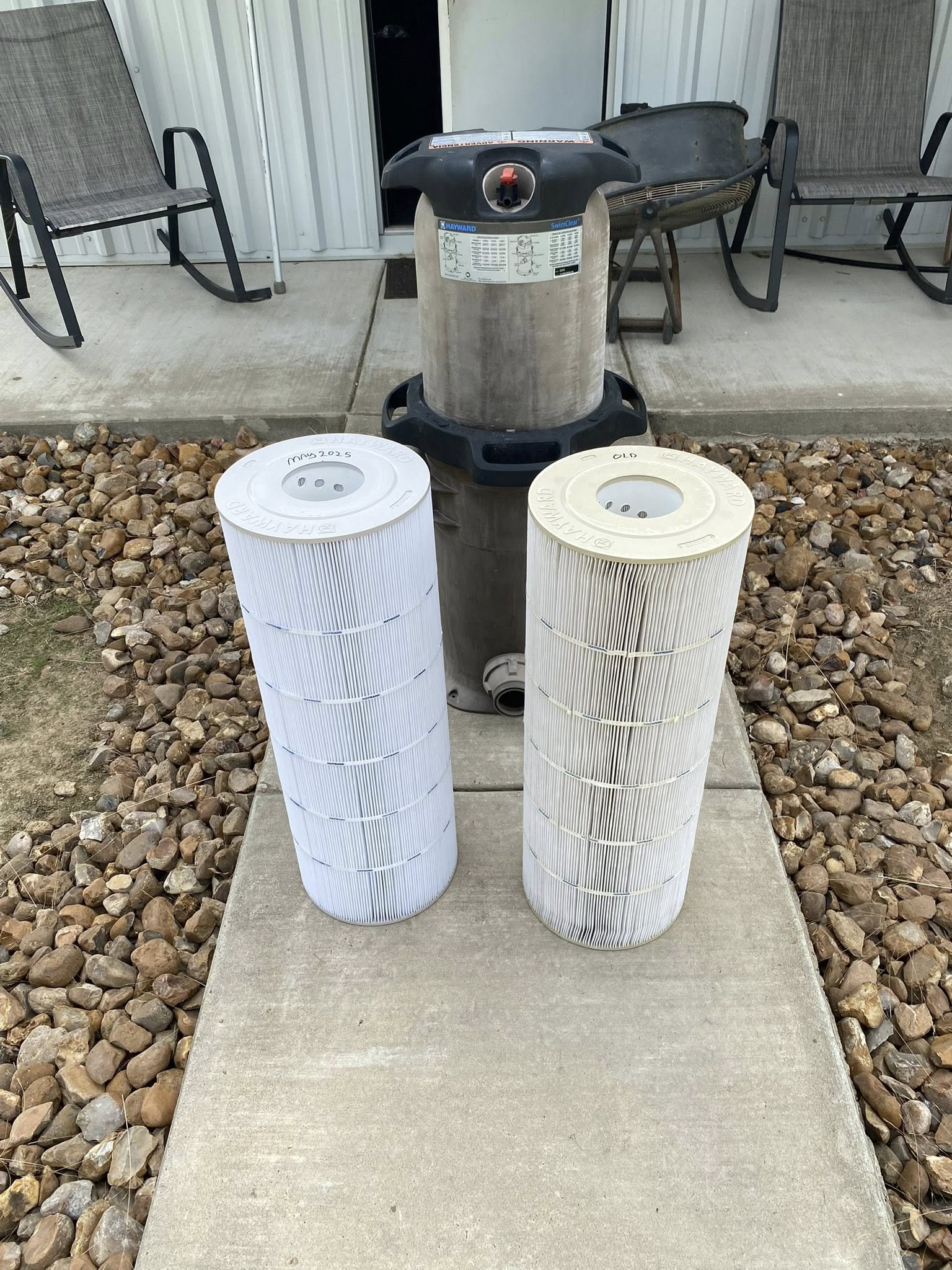
- Clogged Baskets: This is the #1 easiest fix in our pool pump troubleshooting list. If your skimmer or pump baskets are full of North Texas oak pollen or leaves, the water can’t get through.
Pool Pump Running But Making Strange Noises
A noisy pump is a crying pump.
- Grinding/Screeching: This usually means the internal bearings are failing. This is common if you’ve had a small leak at the shaft seal that you ignored for a few months. You’ll likely need a motor replacement soon.
- Loud Vibrating (Cavitation): This sounds like someone threw a handful of marbles into your pump. It means the pump is “starved” for water. Check your baskets and water levels immediately.
- Clicking: If you have a variable speed pump, a clicking sound often points to a drive board issue. Check for error codes on your automation screen.
When to DIY vs. When to Call PoolBurg
If you’ve checked the breakers, reset the GFCI, and cleaned the baskets, but the pool pump won’t turn on, it’s time to call in the “Guardians.” Anything involving opening the motor housing or troubleshooting a variable speed pump requires specialized tools and knowledge of DFW’s specific voltage swings.
Rule of thumb: If you can’t fix it with a garden hose or a flip of a switch, call us before your pool turns into a science project.
People Also Ask
Why did my pool pump stop working?
It is usually a tripped breaker, a clogged basket, or a dead capacitor. In North Texas, the extreme heat can also cause motors to “thermal out” and shut down to prevent a fire.
How do I reset my pool pump?
Turn the power off at the breaker for 30 seconds, then flip it back on. If you have an automation system, you may need to reset the schedule from the app.
Can I fix my pool pump myself?
You can safely handle basic pool pump troubleshooting like cleaning baskets and checking power. However, internal motor repairs or capacitor replacements should be handled by a pro to avoid electrical shock.
How long can my pool go without a pump in Texas?
In the summer, you have about 48 hours. In the winter, you can go a few days, but you must monitor for freeze protection needs.
PoolBurg’s Emergency Pump Repair — Same Day When Possible
At PoolBurg, we know that a silent pump is a ticking clock. Our technicians are trained on all major brands and carry the most common parts on their trucks. We’ll give you an honest “repair-vs-replace” assessment so you can get back to enjoying your water.
Pump not working and you’ve checked the basics? Call PoolBurg — we’ll diagnose it fast.