Pool deck material is not just a design choice in DFW. It decides how hot the surface feels under bare feet, how safe the pool area feels for kids, and how well the backyard holds up when North Texas soil starts doing its usual expand-and-shrink dance. Pick the wrong pool deck material, and the pool may look pretty for one summer, then crack, stain, shift, or become too hot to enjoy. Pick the right pool deck material, and the whole backyard feels more finished, more comfortable, and easier to maintain.
Quick note: the best pool deck material Texas homeowners choose is usually the one that balances heat comfort, slip resistance, drainage, soil movement, budget, and the style of the home. That is why PoolBurg looks at the pool, the deck, the equipment area, and the yard as one system.For related help, homeowners can explore PoolBurg’s pool repair services, schedule a pool inspection, or reach out through PoolBurg contact before making expensive deck decisions.
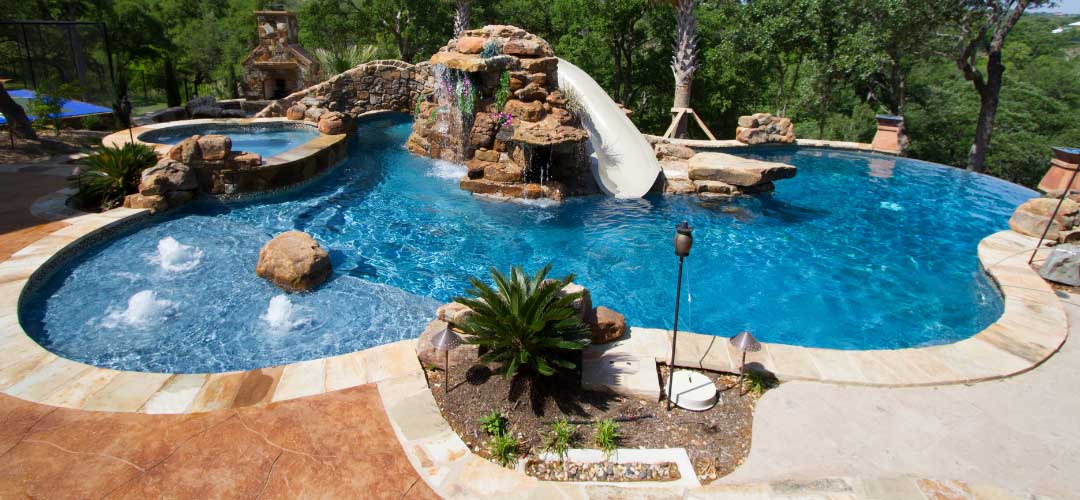
Why Pool Deck Material Matters So Much in Texas
DFW pool decks take a beating. Summer heat is brutal. Clay soil moves. Heavy rain can drain poorly. And when people are walking barefoot around water, slick surfaces are not just annoying, they are a real safety problem. The EPA’s cool pavement guidance explains how surface color and material can affect heat absorption, which matters a lot when a pool deck sits in full Texas sun all afternoon.
Another local issue is soil. Texas is known for expansive clay, and Texas A&M AgriLife notes that clay soils can swell and shrink with moisture changes. Around pools, that movement can show up as deck cracks, uneven coping, drainage trouble, and gaps near the pool edge. So yes, pool deck material is a comfort choice, but it is also a structure and maintenance choice.
The Most Popular Pool Deck Options
Concrete Pool Decks
Concrete is one of the most common pool deck options because it is affordable, clean-looking, and easy to shape around curves. Broom-finished concrete gives decent traction, while stamped or textured concrete can mimic stone. The catch is simple: concrete can crack, especially in DFW soil. It can also get hot if the color is too dark. If you choose concrete as your pool deck material, lighter color, texture, control joints, and good drainage matter. The Concrete Network pool deck guide is a helpful reference for decorative concrete ideas and finish options.
Pavers Around the Pool
Pavers are a strong option when comparing concrete vs pavers pool deck choices. They cost more upfront, but they can be easier to repair because individual pieces can be lifted and reset. That matters if soil movement causes settling. Pavers also drain well when installed correctly, and they give the pool area a polished, custom look. For homeowners who want a flexible pool deck material, pavers often make sense.
Travertine and Natural Stone
Travertine has become popular because it feels upscale and often stays more comfortable underfoot than darker surfaces. It can be a beautiful pool deck material for DFW homes with Mediterranean, modern, or luxury backyard designs. Natural stone is not maintenance-free, though. It needs proper installation, drainage, and sometimes sealing. The Natural Stone Institute is a good place to learn more about stone characteristics before committing.
Cool Deck and Coated Surfaces
Cool deck coatings and acrylic overlays can refresh an older surface without full replacement. They can improve traction, lighten the color, and make the pool area feel more comfortable in July and August. This pool deck material route is often best when the existing concrete is still structurally sound but looks tired. If the slab is badly cracked or hollow, resurfacing may only hide the problem for a short time.

Pool Deck Material Comparison
| Option | Best For | Heat Comfort | Repair Ease | Watch Out For |
|---|---|---|---|---|
| Concrete | Budget friendly pool deck material | Medium | Medium | Cracking in shifting soil |
| Pavers | Flexible, premium pool deck options | Medium to good | High | Higher upfront cost |
| Travertine | Luxury look and barefoot comfort | Good | Medium | Sealing and install quality |
| Cool deck coating | Refreshing older concrete | Good | Medium | Needs solid base underneath |
People Also Ask
What is the best pool deck material Texas homeowners should consider?
The best pool deck material Texas homeowners choose is usually light-colored, slip-resistant, heat-conscious, and forgiving when soil moves. Concrete, pavers, travertine, and cool deck coatings can all work when installed correctly.
Is concrete or pavers better for a pool deck?
Concrete is usually cheaper. Pavers often win for repair flexibility. In the concrete vs pavers pool deck debate, pavers are helpful when movement or future access is a concern.
What pool deck material stays cooler?
Light travertine, lighter concrete finishes, and cool deck coatings generally feel better under bare feet than dark stone or dark stamped concrete.
Can a pool deck affect drainage?
Absolutely. Any pool deck material must be sloped correctly so water moves away from the pool, house, and equipment pad.
PoolBurg Helps DFW Homeowners Make Smarter Pool Deck Choices
The right pool deck material should make your pool safer, cooler, cleaner, and easier to enjoy. PoolBurg can help DFW homeowners spot cracking, drainage issues, equipment-pad problems, and surface concerns before a small deck issue becomes a bigger pool problem.
Need help deciding between pool deck options or worried your current deck is failing? Contact PoolBurg and let’s make your backyard feel good again before the Texas heat starts bossing everyone around.