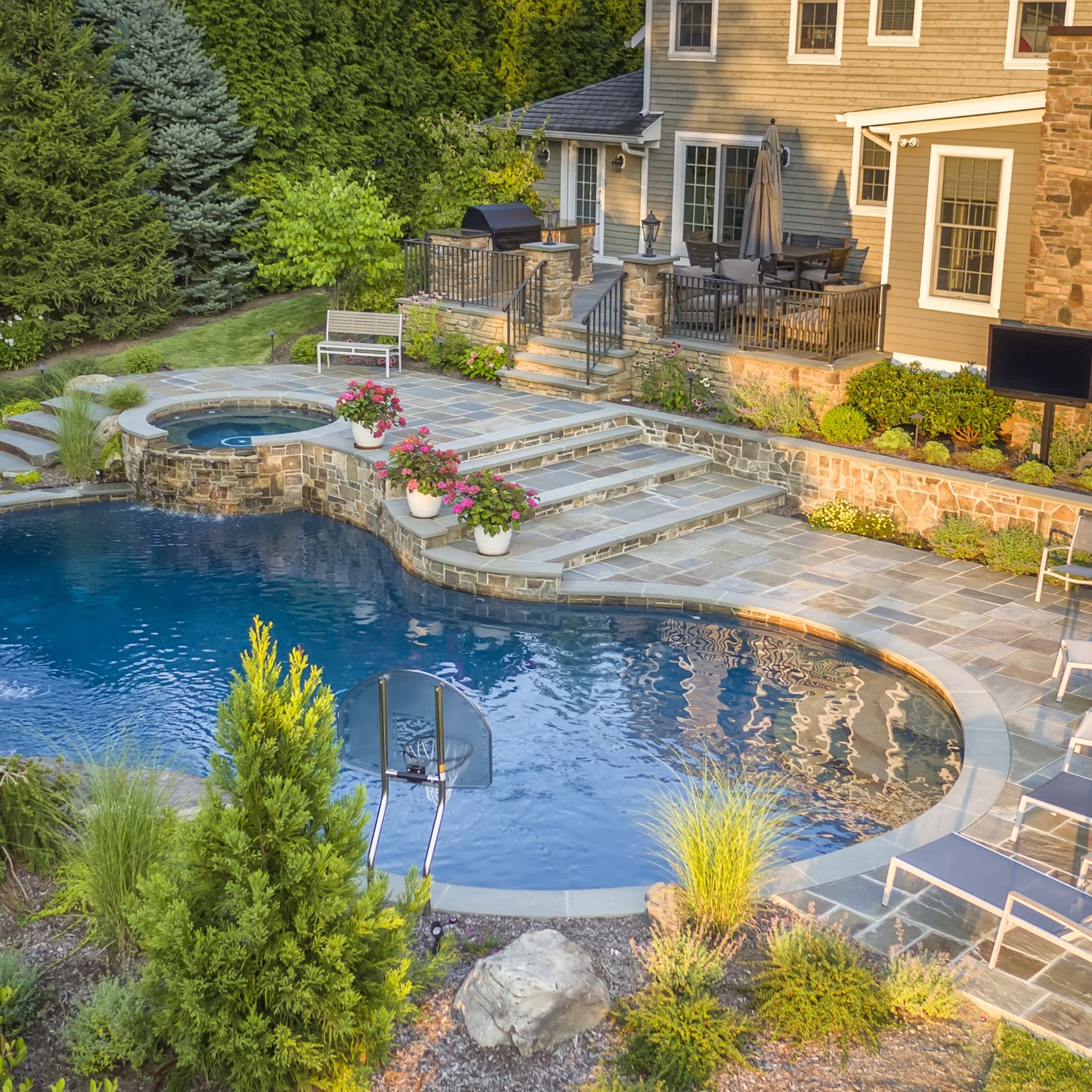
Pool water temperature guide questions come up fast in DFW because our pools do not stay politely in one season. One month the pool too cold problem ruins spring plans, and a few months later the same backyard feels like bathwater. The trick is not chasing one perfect number. The real goal is matching water temperature to how your family swims, while keeping comfort, safety, energy costs, and chemistry in balance.
What Temperature Should Your DFW Pool Be
A good pool water temperature guide starts with a simple truth: different swimmers need different water. Adults relaxing after work may love 82°F. Kids usually want it warmer. Lap swimmers often want it cooler. Therapy users may need warmer water, while spa users have stricter safety limits. PoolBurg sees this all the time across Frisco and North Texas. The best pool temperature is the one that fits the way you actually use the pool.
Ideal Pool Temperatures by Use Case
Recreational swimming for adults
For everyday swimming, the ideal pool temperature is usually 78°F to 84°F. Around 82°F is the sweet spot for many DFW homeowners because it still feels refreshing on a hot afternoon without shocking everyone when they step in.
Children and family swimming
Families usually prefer 82°F to 86°F. Kids get cold faster than adults, especially when they jump in and out of the water all afternoon. If your pool too cold complaints mostly come from children, try aiming closer to 84°F.
Lap swimming and exercise
For exercise, cooler is better. A strong pool water temperature guide should put lap swimming around 76°F to 82°F. Above 84°F, the water may feel cozy at first, but swimmers can overheat during harder workouts.
Therapy, rehab, and relaxation
Water therapy often feels best between 84°F and 88°F because warmer water can help muscles relax. Some therapy settings go warmer, but that depends on the person, the activity, and medical guidance.
Spa and hot tub use
For spas, safety matters more than comfort bragging rights. The CDC hot tub safety guidance says hot tub water should not be higher than 104°F. Texas pool and spa inspection materials also reference the 104°F limit, so do not treat that number casually.
DFW Pool Temperature Throughout the Year
Without heating or cooling, DFW water can swing hard. January and February often feel too cold for most swimming, sometimes around the 45°F to 55°F range. March and April can become swimmable for brave swimmers, but a heater helps. May usually starts the fun. June through August can push water into the 85°F to 95°F range, which is why the pool too hot issue is real here. September is often fantastic, October is comfortable with help, and November through December usually need heating.

Can a DFW Pool Get Too Hot
Yes, and honestly, it surprises new Texas pool owners. When a pool too hot situation hits 90°F or above, the water stops feeling refreshing. Chlorine also works harder, algae pressure rises, and pH can drift faster. That is why this pool water temperature guide is not just about comfort. It is also about water quality.
To cool a hot pool, run water features at night, point return jets upward, and circulate water after sunset. Evaporative cooling helps. Shade sails, umbrellas, and covered seating areas can also reduce afternoon heat gain. Dedicated pool chillers exist, but many DFW pools can be managed with smart circulation and shade before jumping into major equipment costs.
Heating Your DFW Pool Efficiently
If your pool too cold problem shows up in March, April, October, or November, heating can stretch the swim season beautifully. The Department of Energy pool heating guidance notes that pool heating can use a lot of energy, so efficiency matters. A solar cover is often the cheapest helper. The DOE swimming pool cover guide says covering a pool when not in use is the most effective way to reduce heating costs and can save 50% to 70%.
For equipment, heat pumps are popular because the DOE heat pump pool heater guide explains they usually cost more upfront than gas heaters but often have lower annual operating costs. Gas heaters heat faster, but they can cost more to run. PoolBurg’s Pool Heating and Cooling service can help homeowners think through comfort, budget, and equipment condition.
Temperature and Pool Chemistry Are Connected
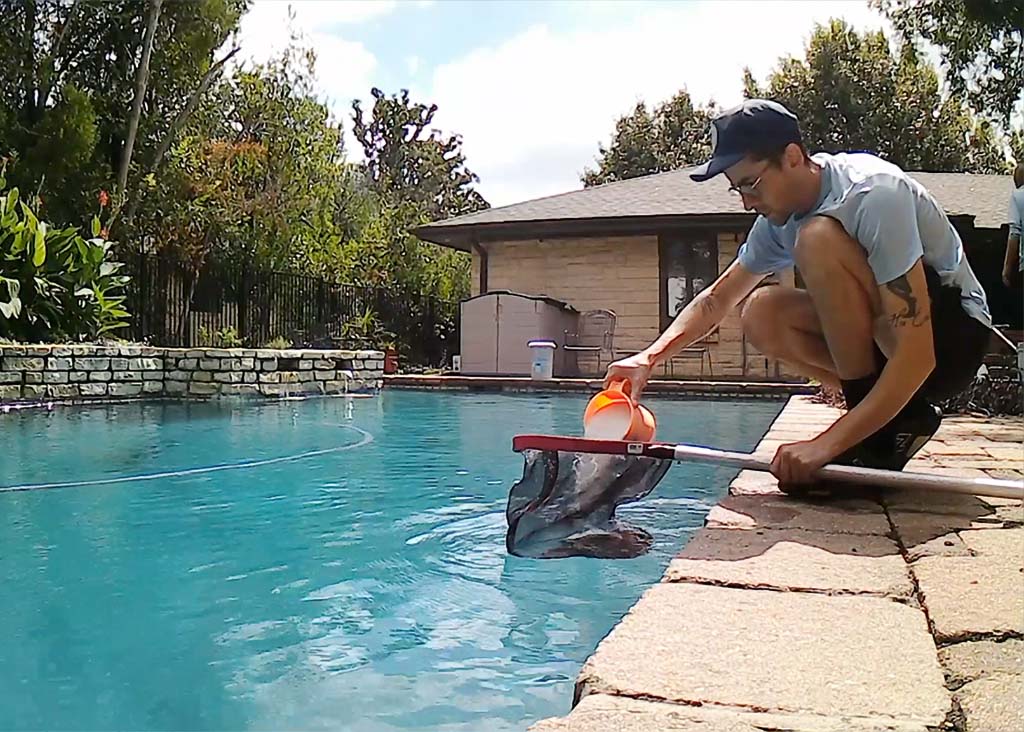
Here is where many homeowners get caught off guard: warmer water changes chemistry behavior. The best pool temperature for comfort may also increase sanitizer demand during DFW heat. When water gets hot, chlorine gets used faster, algae grows more aggressively, evaporation increases, and salt pools often see pH drift upward. PoolBurg’s weekly pool service includes water testing and balancing, which matters even more when the temperature is jumping week to week.
People Also Ask
What temperature should a pool be in Texas
For most Texas homeowners, 78°F to 84°F works well for adults, while families often prefer 82°F to 86°F.
Can a pool get too hot in DFW
Yes. In July and August, pool too hot problems can push water into the 90s, making swimming less refreshing and chemistry harder to manage.
What is the best pool temperature for kids
The best pool temperature for children is usually around 84°F because warmer water helps them stay comfortable longer.
How do I cool down my pool in summer
Run water features at night, circulate after sunset, add shade, and point return jets upward for surface agitation.
Does pool temperature affect chemical usage
Yes. Warmer water usually increases chlorine demand, algae risk, pH drift, and evaporation.
PoolBurg Adjusts Chemistry for Your Pool Temperature
A pool water temperature guide helps, but real pools change every week. PoolBurg adjusts service around your actual conditions, not a generic chart. Whether your pool too hot problem is eating chlorine or your pool too cold issue is shortening the season, we help keep the water comfortable, clear, and easier to enjoy. Want comfortable water at the right temperature? Contact PoolBurg and let us manage the details.