Pool automation system technology has turned the backyard pool from a weekend chore into something much easier to manage. Instead of walking outside to flip switches, guess pump schedules, or manually adjust equipment, a pool automation system lets you control major pool functions from a panel, phone, or tablet.
For busy homeowners, that convenience matters. With the right setup, professional pool service becomes more predictable, equipment runs more efficiently, and small issues are easier to catch before they turn expensive.
A pool automation system can control pumps, heaters, lights, water features, spa modes, valves, schedules, and sometimes sanitation equipment. Systems like Pentair IntelliCenter, Jandy iAquaLink, and Hayward OmniPL are built for homeowners who want cleaner control without babysitting the equipment pad.
A smart pool is not just a fancy pool. It is a pool that runs on a plan instead of guesswork.
What a Pool Automation System Actually Controls
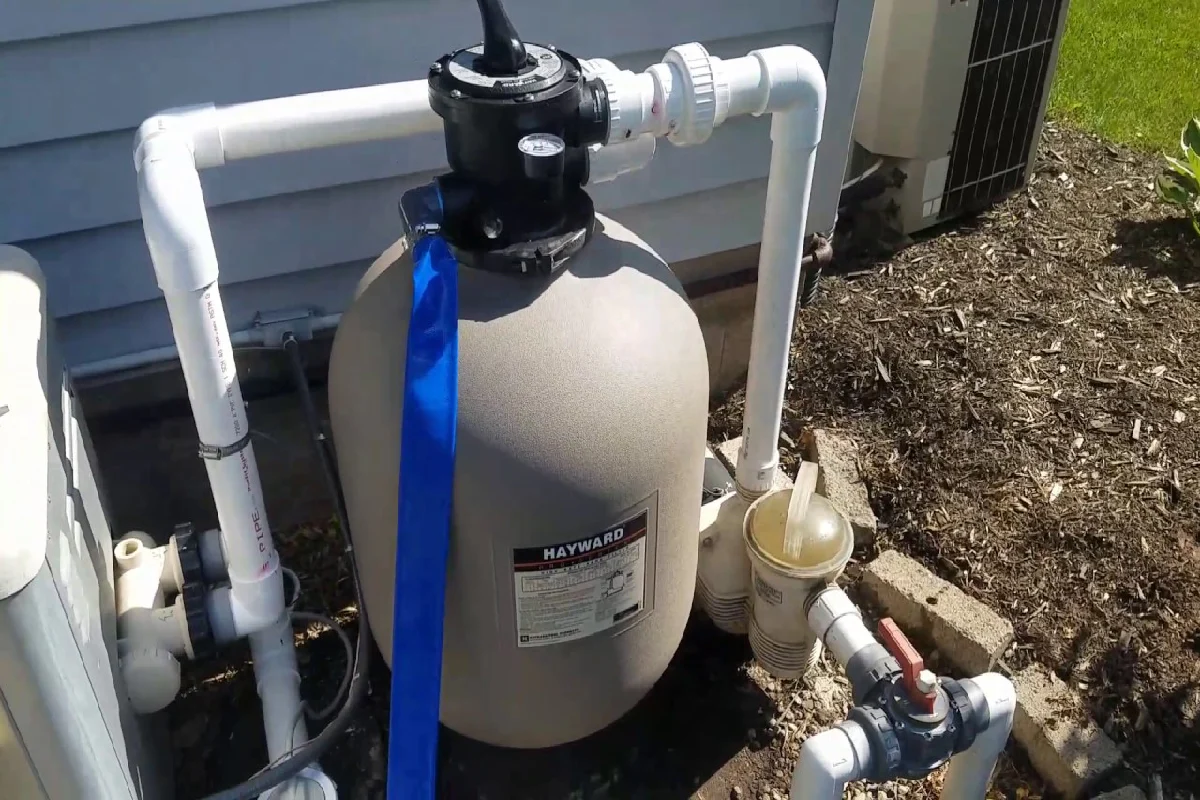
A pool automation system is basically the brain of your pool. It can help coordinate:
- Variable-speed pump schedules
- Pool and spa heating
- LED pool lighting
- Water features and bubblers
- Cleaner booster pumps
- Salt systems and sanitation settings
- Freeze protection modes
- App-based alerts and remote adjustments
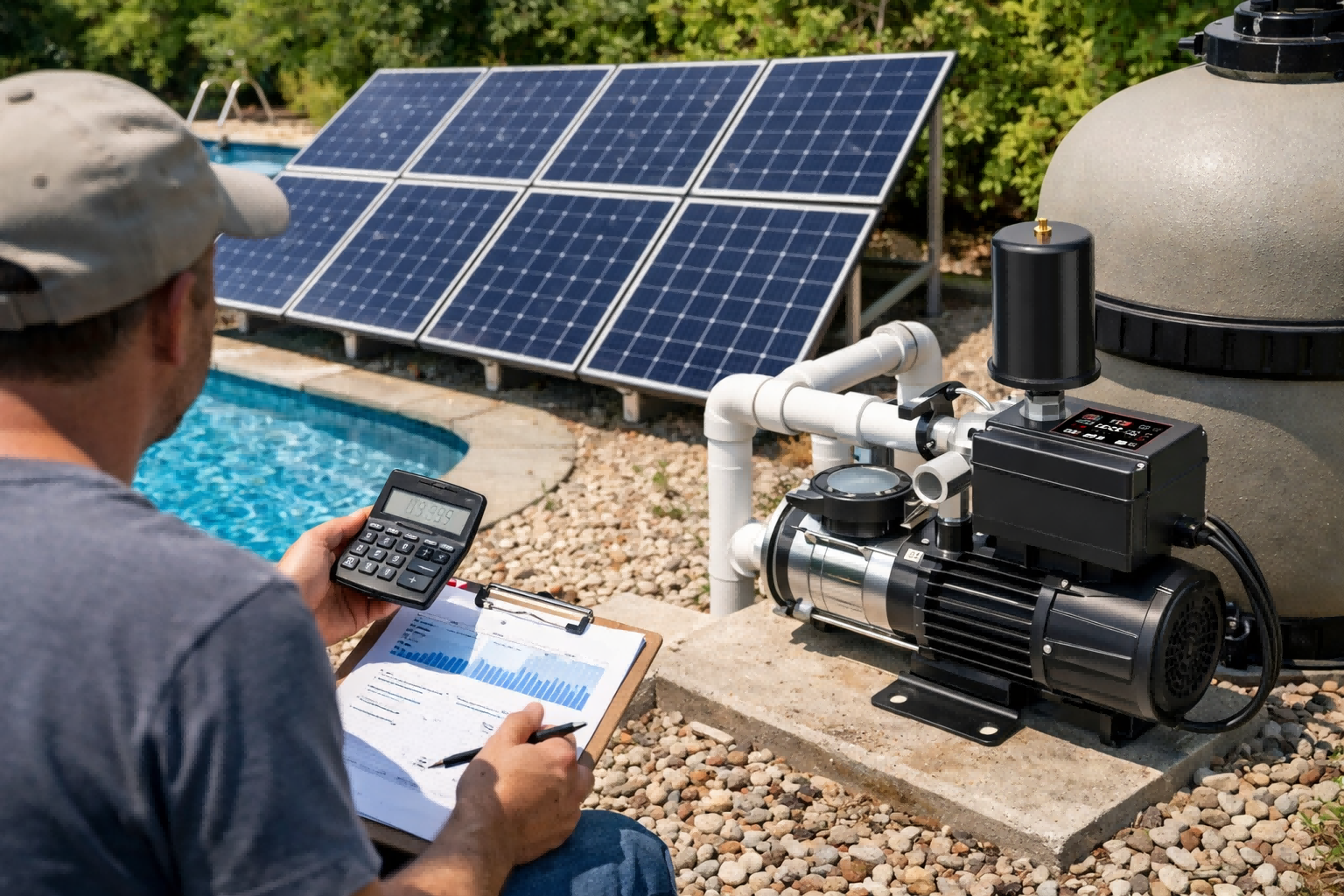
This is where pool automation shines. For example, instead of running a pump too long at full speed, homeowners can schedule lower-speed circulation during normal hours and stronger flow when cleaning, heating, or running water features. ENERGY STAR notes that certified variable-speed pool pumps can save energy compared with conventional models, so automation works especially well when paired with modern equipment like variable-speed pumps.
Pentair IntelliCenter and Jandy iAquaLink Compared in Real Life
The Pentair IntelliCenter is a strong choice for homeowners who want a full-featured pool automation system with expandable control. It is often used on pools with spas, lighting, water features, heaters, and more complex equipment setups.
The Jandy iAquaLink is also popular because it gives homeowners remote access and simple app control. Many pool owners like it because it feels familiar: open the app, tap the feature, and the pool responds.
Hayward’s automation options, including OmniPL, are also worth knowing, especially for homeowners already using Hayward equipment. The best pool automation system is usually the one that matches your equipment brand, wiring, valves, and long-term service plan.
Why Pool Automation Helps With Maintenance
A pool automation system does not replace weekly pool cleaning, brushing, filter care, or water testing. What it does is make the pool easier to manage between visits.
Good pool automation can help with:
- Consistent circulation so water does not sit too long.
- Better heater control so the spa is not accidentally left heating overnight.
- Lighting schedules for safety and evening use.
- Freeze protection during North Texas cold snaps.
- Cleaner equipment habits because pumps and valves run on programmed schedules.
That is why PoolBurg often looks at automation as part of the whole maintenance picture. If your system is programmed poorly, even great pool maintenance can feel harder than it should.
Signs Your Pool Automation System Needs Service
Even a good pool automation system can become frustrating when sensors fail, settings drift, or old relays stop responding. You may need pool equipment repair if you notice:
- The app says equipment is on, but nothing happens
- Pump schedules randomly disappear
- The heater does not respond from the control panel
- Lights flicker or refuse to change colors
- Spa mode does not rotate valves correctly
- Freeze protection does not activate when expected
If you are seeing these issues, do not keep tapping buttons and hoping. A professional can check wiring, actuators, relays, firmware, panels, and equipment compatibility.
Pool Automation Cost Is Really About Complexity
A basic pool automation system costs less than a full backyard command center. A simple pool with one pump and lights may need a smaller setup. A pool with a spa, heater, salt system, booster pump, water features, and multiple lighting zones needs more advanced automation.
Before upgrading, ask these questions:
- What equipment do I already have?
- Do I want app control or only panel control?
- Will I add a spa, heater, or lighting later?
- Is my current pump compatible?
- Is my wiring safe and organized?
Helpful external resources include the ENERGY STAR pool pump guide and the U.S. Department of Energy pool pump guidance, especially if your goal is lower energy use.
PoolBurg Helps Make Pool Automation Simple
Pool automation system upgrades should make life easier, not turn your phone into another headache. PoolBurg helps homeowners understand what they already have, what needs repair, and what is actually worth upgrading.
Whether you are comparing pentair intellicenter, jandy iaqualink, Hayward automation, or a basic timer upgrade, the goal is the same: reliable pool automation that supports cleaner water, smarter schedules, and fewer surprise problems.
Ready to make your pool easier to manage? Contact PoolBurg today and ask about pool automation system service, setup, and equipment support.