New pool owner guide rule number one: do not panic. If you just bought a house with a pool, congratulations — you inherited a backyard upgrade, a summer hangout spot, and, yes, a system that needs a little respect. The good news is that pool ownership is not hard when someone shows you what actually matters.
A lot of first-time pool owners feel overwhelmed because nobody explains the pool in plain English. The pump runs. The filter has pressure. The cleaner moves around like a tiny underwater robot. There are valves, timers, chemicals, skimmer baskets, lights, drains, and maybe a heater or salt system. It can feel like you bought a house with a small water treatment plant attached.
That is why this new pool owner guide exists — to help you slow down, look at the right things first, and avoid expensive rookie mistakes.

New Pool Owner Guide Step 1 Know What You Actually Own
Before you start buying chemicals or touching valves, identify your pool type and equipment. Is it plaster, pebble, fiberglass, or vinyl? Is it chlorine or salt water? Do you have a cartridge filter, sand filter, or DE filter? Is there automation, a heater, or a booster pump?
PoolBurg’s weekly pool service is helpful here because a technician can walk the system, label what matters, and explain what is normal. A proper first visit should include:
- Pool surface condition check
- Filter and pump inspection
- Water test and chemical review
- Cleaner check
- Skimmer, basket, and return flow inspection
- Leak or equipment red flag review
The CDC recommends keeping sanitizer and pH in proper range because balanced water is what helps protect swimmers and keeps the pool from turning cloudy or irritating.
If You Just Bought a House With a Pool Get It Inspected
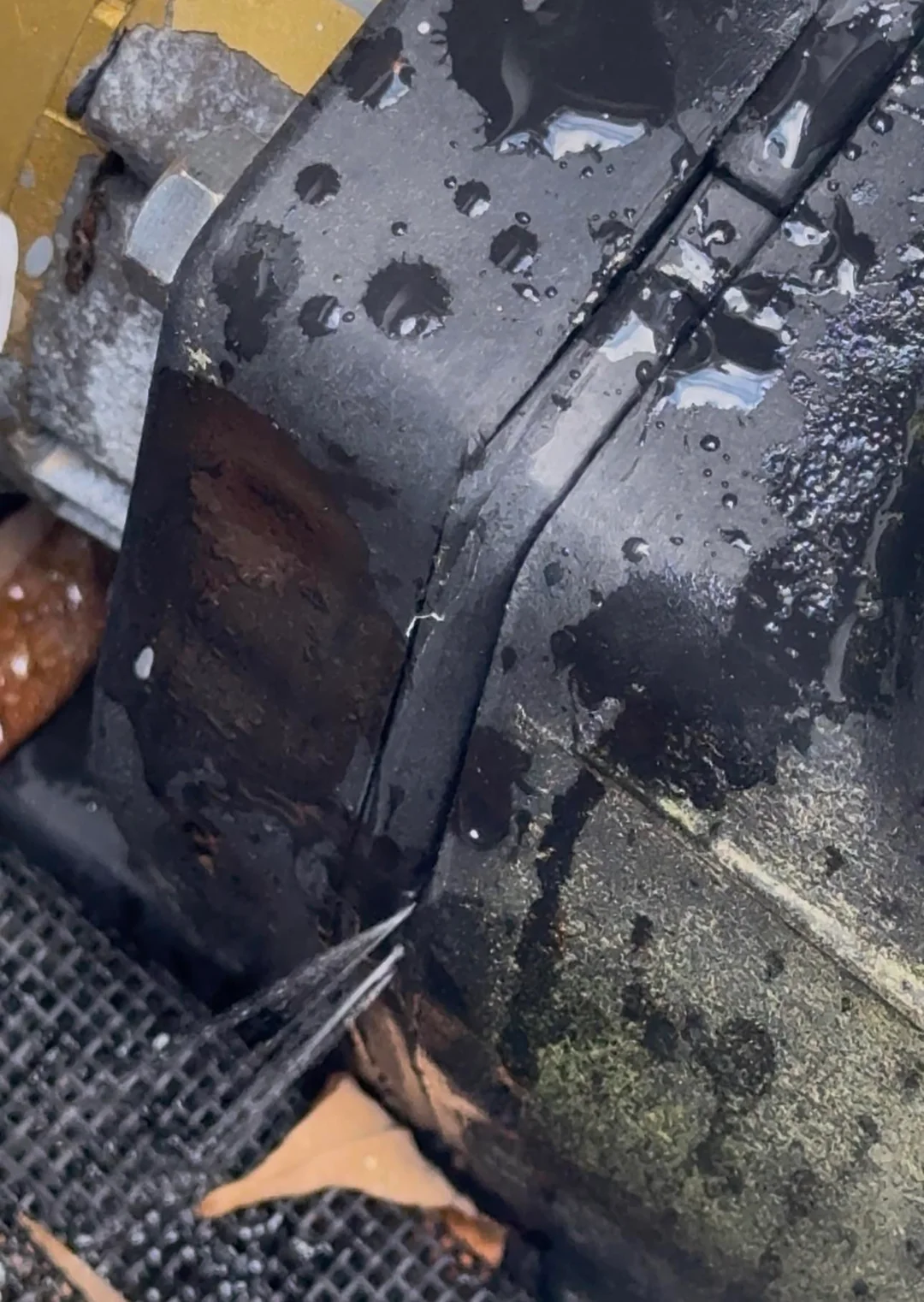
If you just bought a house with a pool, or you are still under contract, do not assume the regular home inspection covered everything. Pool systems are specialized. A pool can look blue and still have hidden issues like a weak pump, leaking valves, failing heater, cracked plaster, clogged filter, or bad automation board.
A professional pool inspection is one of the smartest moves for new homeowners. It gives you a real baseline before you start spending money blindly.
A clear pool is not always a healthy pool. Clear water can still have poor chemistry, worn equipment, or hidden repair needs.
The InterNACHI swimming pool inspection standards also show why pool inspections look beyond appearance and focus on safety, structure, circulation, and equipment.
Pool Service for New Homeowners Saves You From Guesswork
Pool service for new homeowners is not just about skimming leaves. It is about learning the rhythm of your pool before problems sneak up on you.
During the first 30 to 60 days, you should learn:
- How long your pump should run
- What your normal filter pressure looks like
- How often baskets fill with debris
- How quickly chlorine drops in hot weather
- Whether your pool loses water normally or too fast
- What chemicals your specific pool actually needs
- Which equipment noises are normal and which are not
This is where PoolBurg’s pool maintenance services can make the first season way smoother. Instead of guessing, you get a weekly pattern and a technician who can catch little things before they become “why is this repair suddenly $900?” problems.
Learn the Basic Pool Care Tips First
This new pool owner guide is not asking you to become a chemist. But you should know the basics.
Your pool needs circulation, filtration, brushing, skimming, and balanced water. That is the whole game. When one part gets ignored, the pool starts acting up.
Good beginner pool care habits include:
- Empty skimmer and pump baskets often
- Brush walls and steps weekly
- Keep water level halfway up the skimmer opening
- Run the pump long enough during hot months
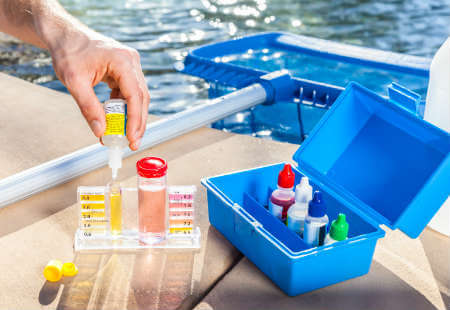
- Test water regularly
- Clean or backwash the filter when needed
- Watch for cloudy water, algae, stains, or air bubbles
The EPA WaterSense outdoor water guidance is also useful for homeowners trying to manage evaporation, outdoor water use, and smart backyard habits.
Do Not Ignore the Filter
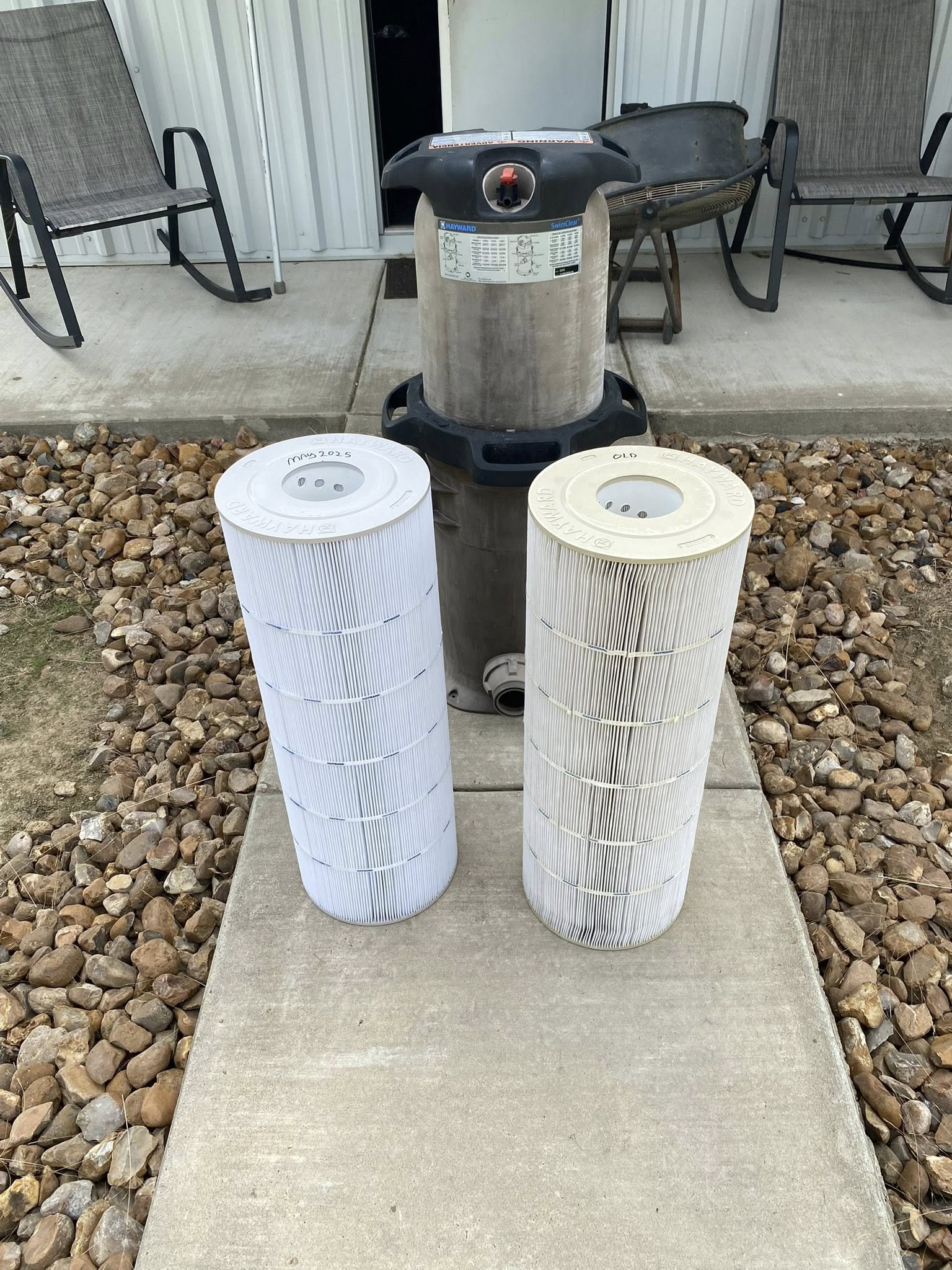
New pool owners often focus on chemicals first, but the filter does a huge amount of the work. If the filter is dirty, undersized, damaged, or neglected, chemicals alone will not save the water.
Cartridge filters need cleaning. Sand filters need backwashing. DE filters need proper maintenance. If you do not know which one you have, that is another reason pool service for new homeowners is worth it.
A filter problem can show up as:
- Cloudy water
- Weak return flow
- High pressure
- Algae returning quickly
- Cleaner not moving properly
- Water that will not clear after shocking
PoolBurg’s pool equipment repair team can check whether your equipment is healthy or just limping along.
Budget for Real Pool Ownership
If you just bought a house with a pool, build pool care into your monthly home budget. In DFW, professional weekly service often falls in the general range of $130 to $250 per month depending on pool size, debris, equipment, and condition. PoolBurg’s Texas pool cost guide also notes that ongoing pool ownership includes service, chemicals, repairs, and equipment upkeep over time.
You may also need occasional extras like filter cleanings, salt cell cleaning, mastic repair, leak detection, drain and clean service, or equipment upgrades. None of that means the pool is a bad investment. It just means the pool is part of the house, and it deserves the same kind of routine care as HVAC, roofing, plumbing, and landscaping.
People Also Ask
What should I do first after buying a house with a pool?
Start with a professional pool inspection, full water test, equipment review, and filter check. Then set up a weekly care plan so you know what the pool needs before problems build up.
Is pool service for new homeowners worth it?
Yes. Pool service for new homeowners helps prevent algae, equipment damage, bad chemistry, and expensive emergency repairs while you are still learning the system.
How often should a new pool owner test the water?
During warm months, test at least weekly, and more often after heavy rain, parties, high heat, or visible water changes. Professional service usually includes routine water testing and balancing.
What if I just bought a house with a pool and the water is green?
Do not swim in it. A green pool needs diagnosis first. It may need shock treatment, filter cleaning, brushing, vacuuming, or a deeper recovery service depending on how bad it is.
Can PoolBurg teach me how my pool works?
Yes. PoolBurg can inspect your equipment, explain your system, and help you understand the basics so pool ownership feels less intimidating.
PoolBurg Helps New Pool Owners Start the Right Way
A good new pool owner guide should end with this: you do not have to figure it all out alone. Pool ownership is much easier when you have a reliable team helping you learn the pool, protect the equipment, and keep the water clean.
If you just bought a house with a pool, PoolBurg can help with inspections, weekly service, equipment repair, water balancing, and first-season support. Start with a real assessment, ask every question you have, and let the pool become what it was supposed to be — the best part of the backyard.Ready to stop guessing? Contact PoolBurg and schedule your new homeowner pool assessment today.