Best pool filter decisions sound simple until you remember that DFW pools deal with hard water, oak leaves, pollen, dust, long swim seasons, and equipment pads that are often hotter than a driveway in July. The best pool filter is not always the fanciest one. It is the one that matches your pool size, pump, debris load, and how much maintenance you actually want to do.
The Three Types of Pool Filters in DFW
Every pool needs filtration because chemistry cannot remove every tiny particle floating through the water. The three main options are sand, cartridge, and DE filters. When homeowners ask which pool filter is best, the honest answer is: it depends. Sand is durable, cartridge is efficient, and DE gives the finest clarity. Your North Texas conditions decide the winner.
Sand Filter vs Cartridge Filter vs DE Filter
| Filter Type | Best For | Strength | Watchout |
| Sand filter | Heavy debris pools | Very forgiving and durable | Backwashing wastes water |
| Cartridge filter | Most DFW home pools | Better clarity with no backwashing | Cartridges need rinsing and replacement |
| DE filter | Premium clarity | Finest filtration | Most maintenance-intensive |
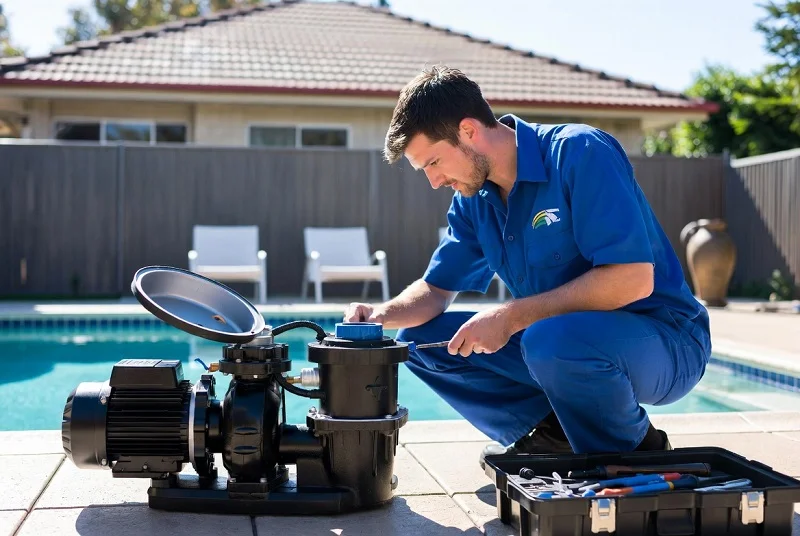
Sand Filters Are the DFW Workhorse
Sand filters work by pushing water through #20 silica sand, where debris gets trapped between the sand grains. To clean them, the system is backwashed, which reverses water flow and flushes the trapped dirt out. In the sand filter vs cartridge filter conversation, sand wins for toughness. It handles heavy leaves, messy spring pollen, and big backyard debris better than many homeowners expect.
The tradeoff is clarity and water waste. Sand usually filters less finely than cartridge or DE, and backwashing can use a noticeable amount of water. In DFW, where outdoor water use and drought awareness matter, that is worth considering. Hard water can also make sand clump or calcify sooner, so many local pools need sand replacement closer to every 3 to 5 years.
Cartridge Filters May Be the Best Pool Filter for Most DFW Homes
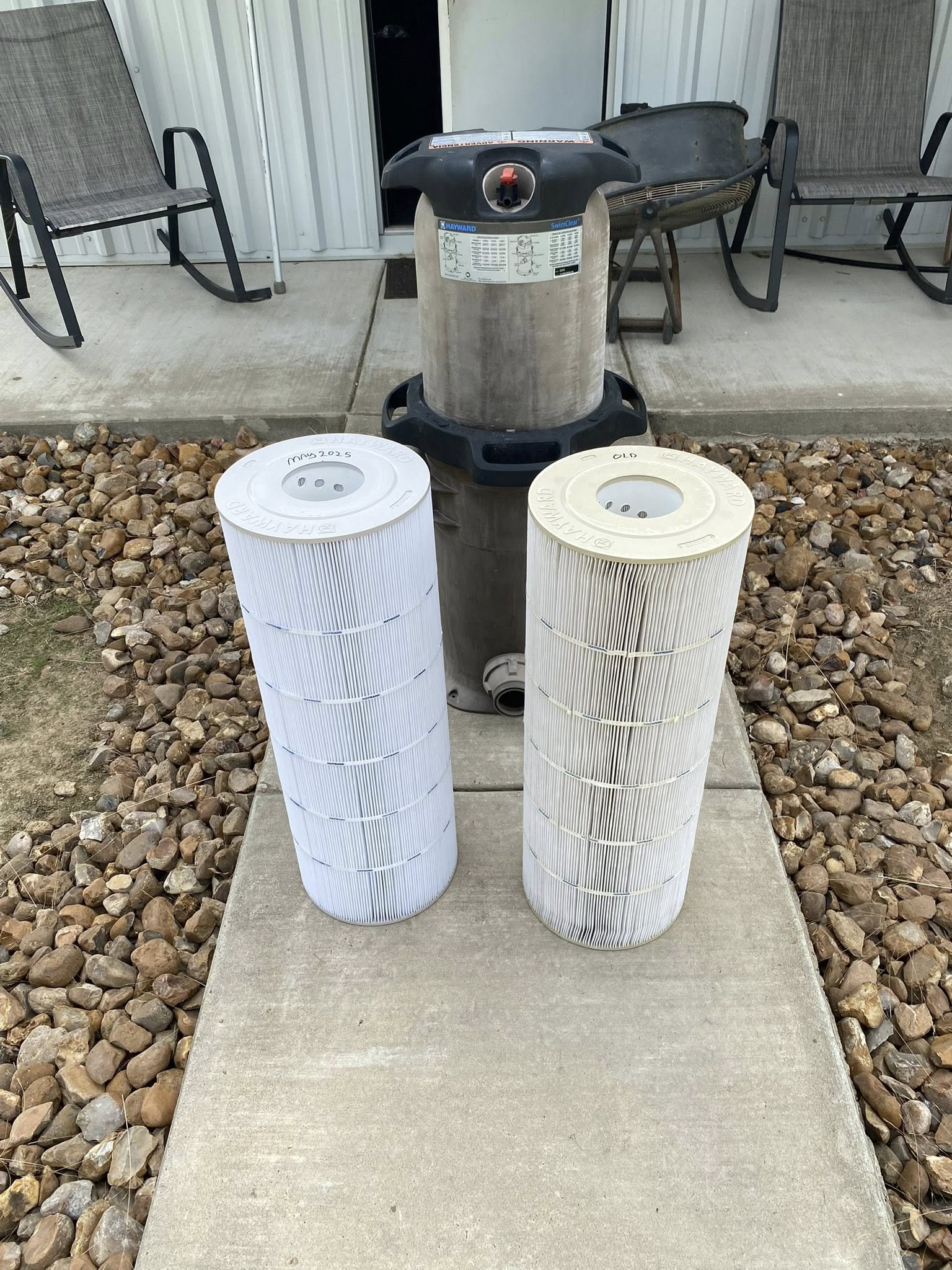
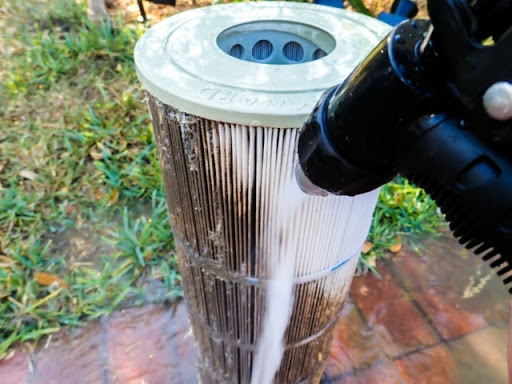
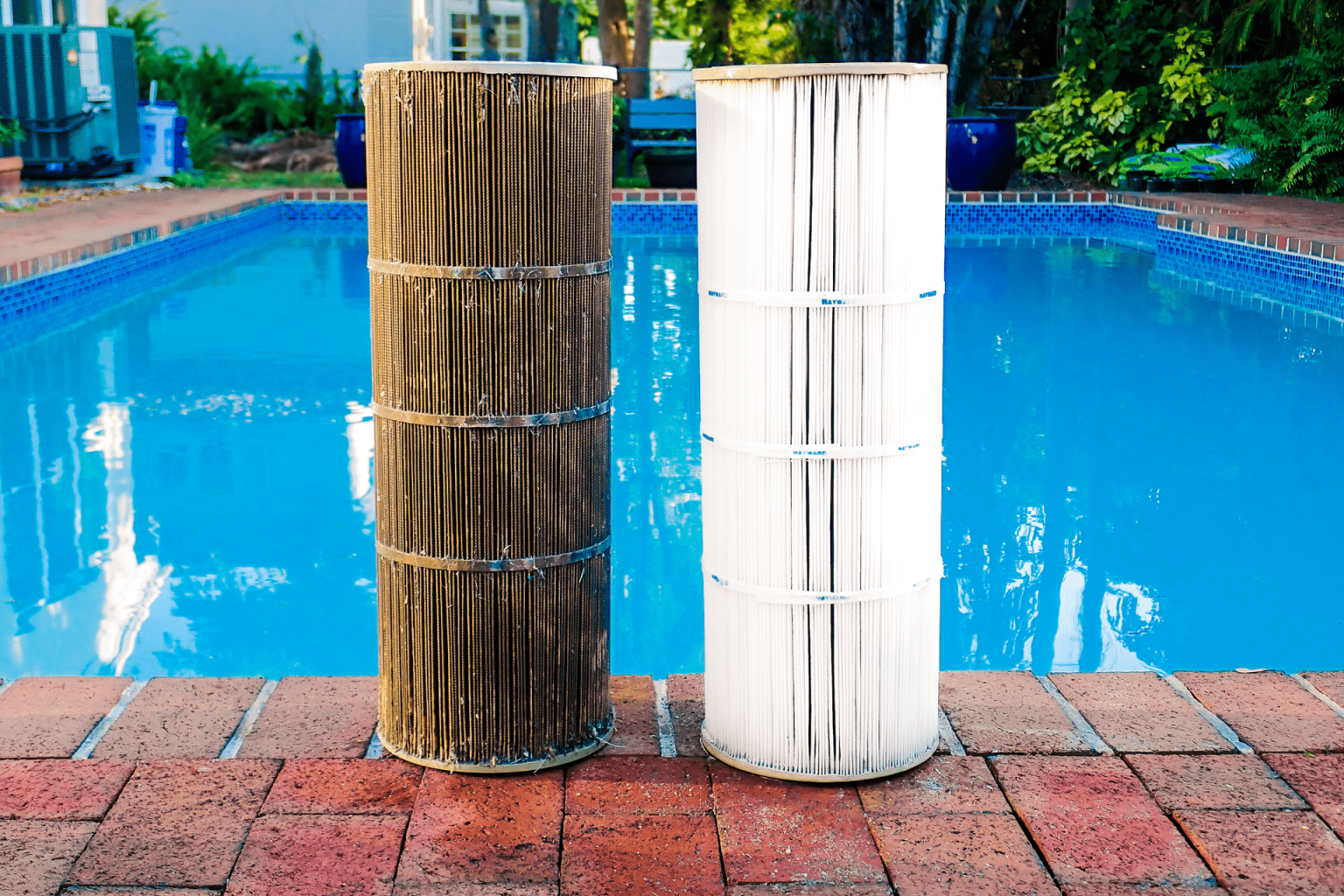
A cartridge filter uses pleated fabric to catch debris as water passes through the folds. You clean it by removing the cartridge and hosing it off. No backwashing. No wasted pool water. That is a big reason PoolBurg often sees cartridge systems as the best pool filter choice for newer DFW pools, especially when paired with a variable-speed pump.
Cartridge filters usually catch smaller particles than sand, which helps with cloudy water, fine dust, and pollen. They also work well at lower flow rates, so they are friendly to modern energy-saving pump setups. The downside is that cleaning is more hands-on. DFW calcium can embed into the pleats, so cartridges may need replacement faster than they would in softer-water markets.
DE Filters Are the Premium Clarity Option
DE filters use grids coated with diatomaceous earth powder. If the goal is the clearest-looking water possible, DE is hard to beat. It can catch very fine particles, which is why some homeowners with showpiece pools in Frisco, Southlake, Prosper, and Plano love them.
But DE is not the easiest system to own. It requires recharging with fresh DE powder after cleaning, grid maintenance, and more careful handling. For the right pool owner, DE can be the best pool filter. For someone who wants simple weekly care, it may be more than they want to babysit.
PoolBurg Recommendation on Which Pool Filter Is Best
For many North Texas homeowners, the best pool filter is a properly sized cartridge filter. It gives strong clarity, saves water by avoiding backwashing, fits tight equipment pads, and pairs nicely with variable-speed pumps. If your existing sand filter is working well, though, do not rip it out just because cartridge filters are popular. A healthy sand system can still do a great job.
If your pool sits under mature trees in Keller, Garland, or older Plano neighborhoods, sand may still be the more forgiving choice. If your pool is built for entertaining and sparkle matters most, DE may be worth the extra maintenance. The smartest answer to sand filter vs cartridge filter is not a trend. It is matching the filter to your pool, your pump, your water, and your patience.
How Filter Care Affects Water Clarity
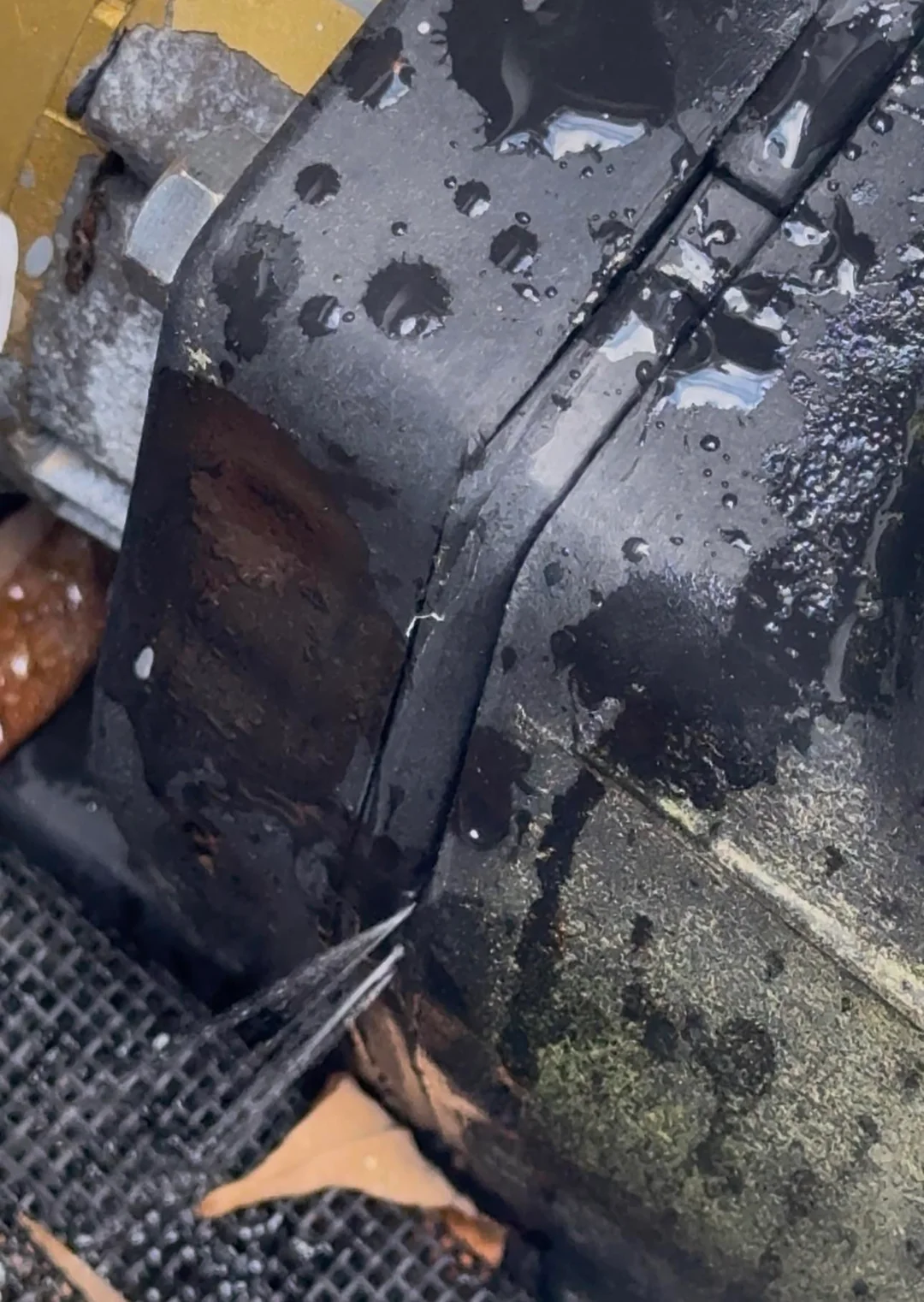
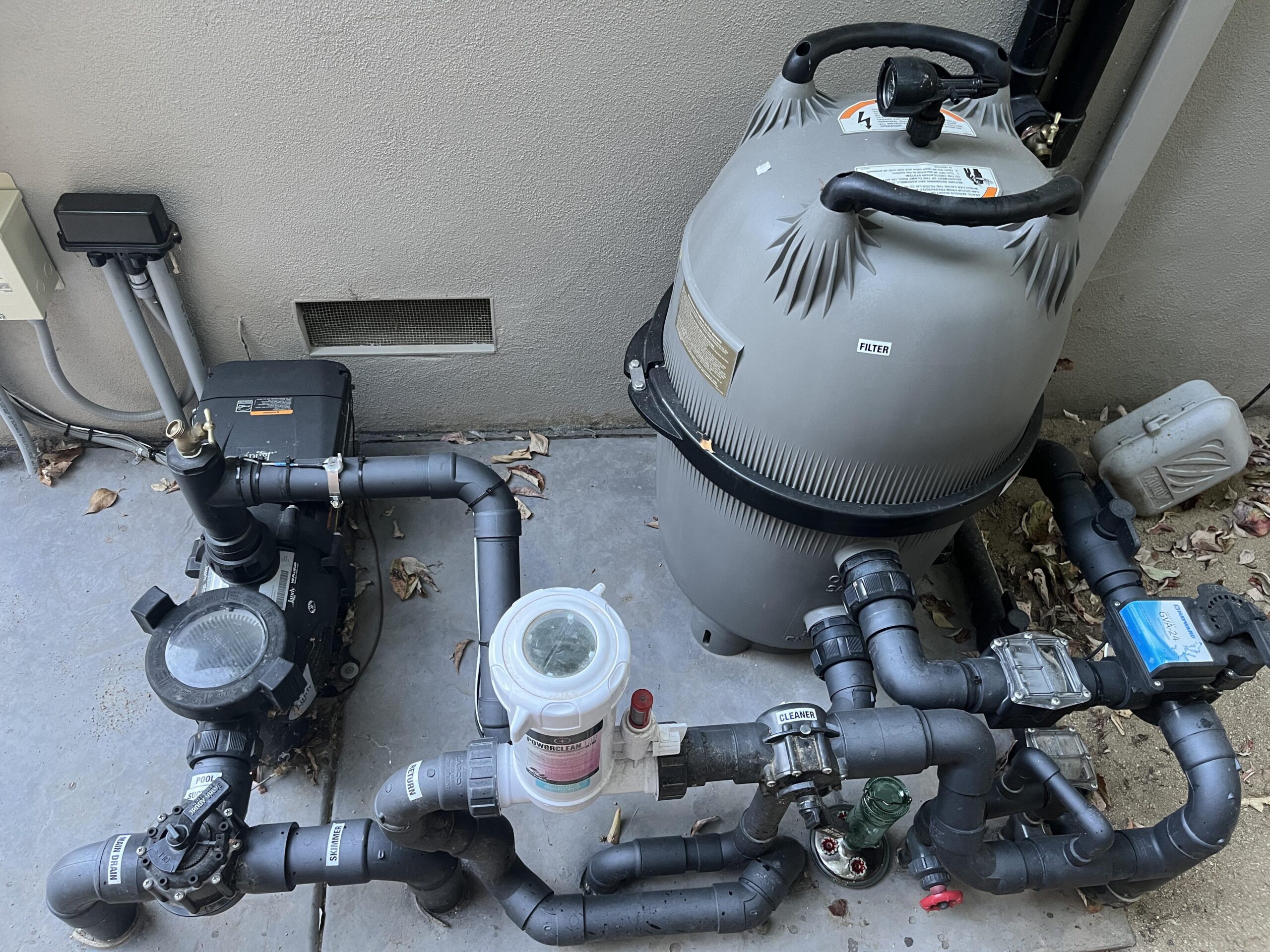
Even the best pool filter fails when it is ignored. High pressure, cloudy water, weak returns, leaking clamps, cracked cartridges, torn DE grids, or sand blowing back into the pool are signs something needs attention. PoolBurg handles filter cleaning, inspection, troubleshooting, and repairs through our pool filter repair service. For routine care, our weekly pool service includes filter attention as needed so small problems do not quietly turn into pump-killing pressure issues.
People Also Ask
Which pool filter type is best for Texas?
For most DFW homes, a cartridge filter is often the best pool filter because it gives better clarity than sand and avoids water-wasting backwashing. Sand is still great for heavy debris, and DE is best for premium clarity.
Is a cartridge filter better than a sand filter?
Often, yes, especially for water clarity and efficiency. But if your pool gets slammed with leaves, the sand filter vs cartridge filter answer may lean toward sand because it is more forgiving.
How often do I need to replace pool filter media?
Sand commonly lasts around 3 to 5 years in DFW conditions. Cartridges may last 1 to 2 years depending on calcium, debris, and cleaning habits. DE grids can last several years if cared for properly.
Can I switch from a sand filter to a cartridge filter?
Yes, many pools can switch, but the filter size, plumbing layout, pump flow, and equipment pad space should be checked first.
Which filter works best with a variable-speed pump?
A properly sized cartridge filter usually works very well with variable-speed pumps because it can filter effectively at lower flow rates.
Does hard water affect pool filters?
Yes. DFW hard water can scale cartridges, clump sand, and clog DE grids faster. That is why water balance matters as much as the filter type.
PoolBurg Services All Filter Types Across DFW
Sand, cartridge, and DE filters all have a place. PoolBurg maintains, repairs, and replaces them across DFW, and we can help you figure out the best pool filter for your actual backyard instead of guessing from a product label. If your water keeps clouding up, your pressure gauge keeps climbing, or you are simply tired of wondering which pool filter is best, contact PoolBurg and let us assess the system the right way.