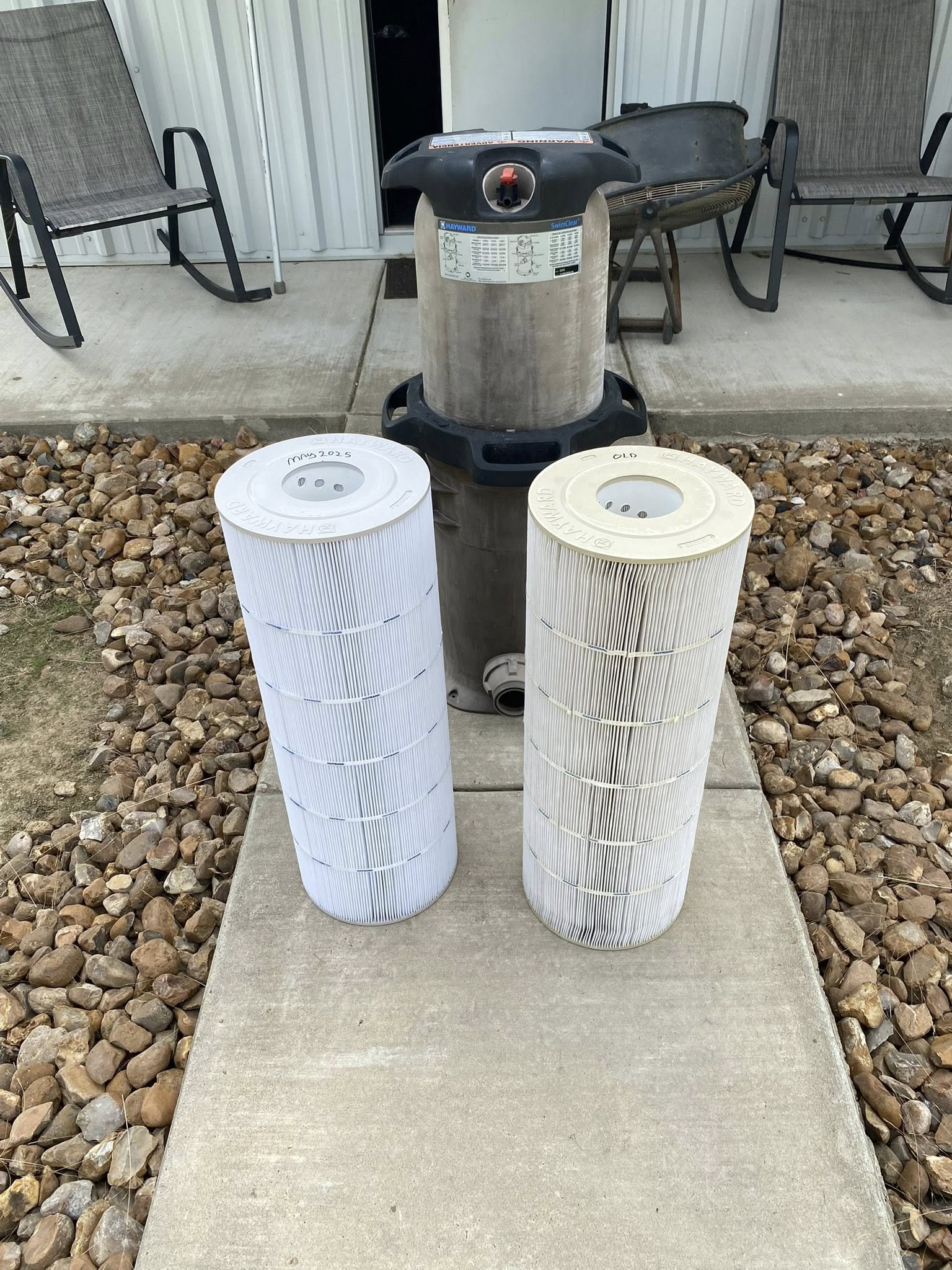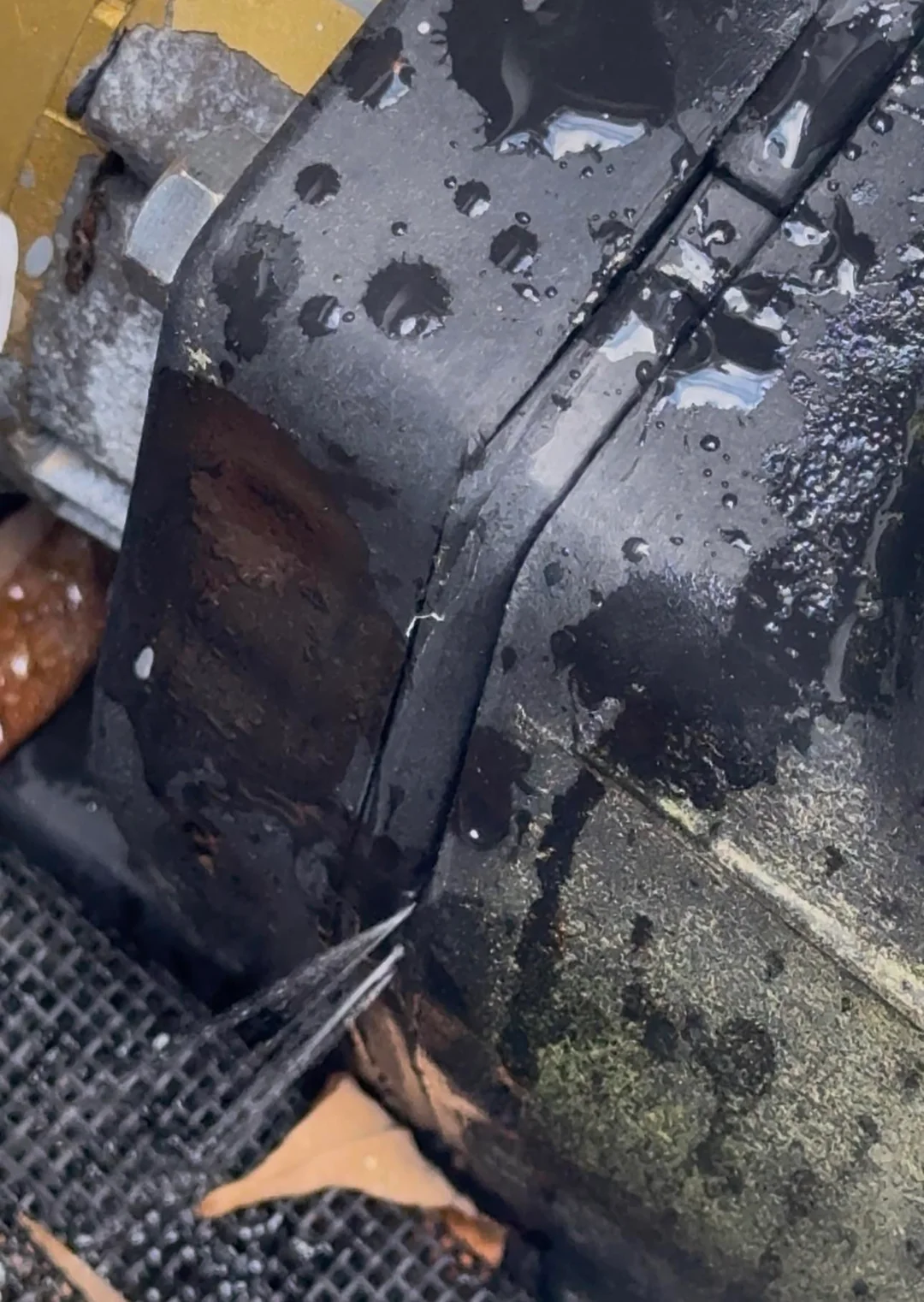

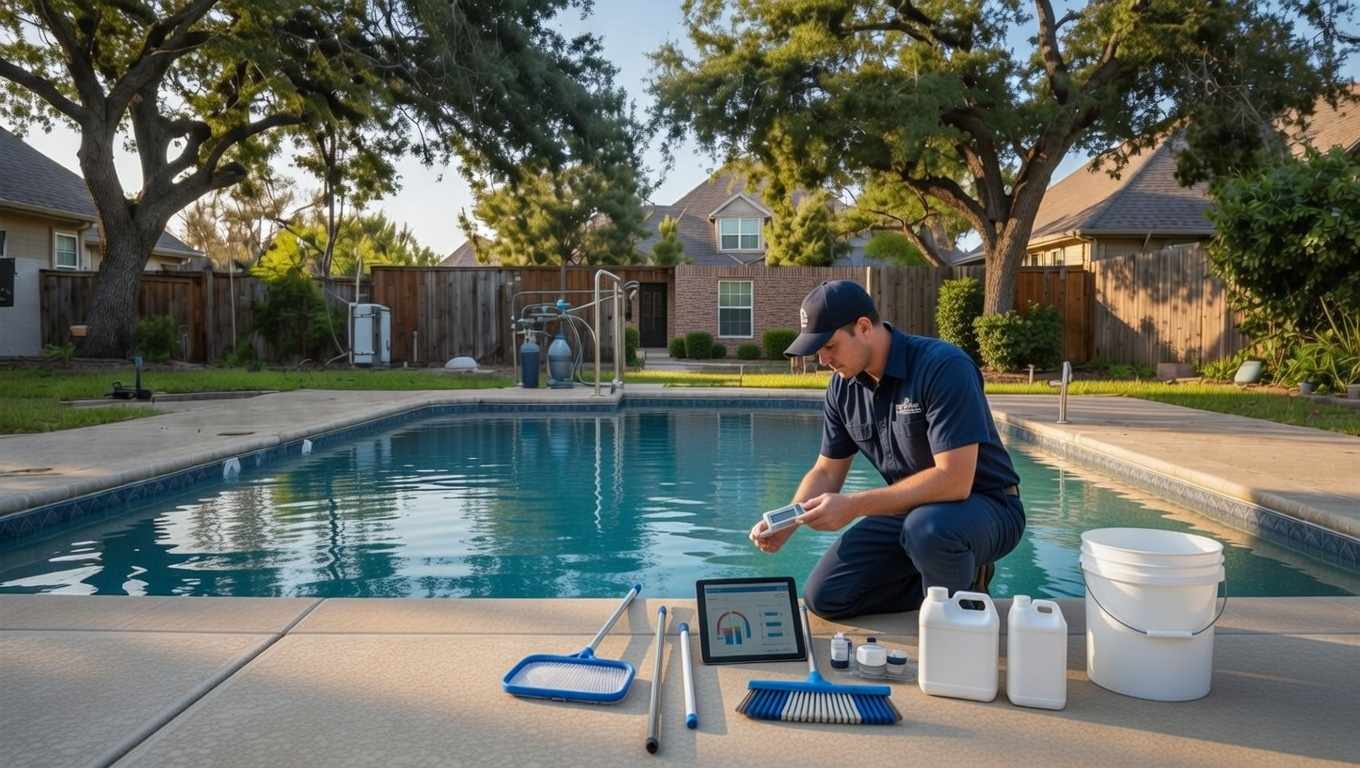
Professional pool water test results matter more in DFW than many homeowners realize. Our heat, hard water, long swim season, fertilizer runoff, and wild spring weather can move chemistry fast. A pool that looked perfect on Monday can be cloudy by Thursday if chlorine drops, pH climbs, or calcium starts scaling. That is why good pool water testing is not just a “nice to have.” It is the foundation of clear water, safe swimming, and fewer expensive repairs.
Why Pool Water Testing Matters So Much in North Texas
A professional pool water test gives you real numbers before you add chemicals. That matters because guessing is how pools get overtreated, undertreated, or turned green overnight. The CDC guidance on home pool water treatment and testing explains that disinfectant and pH levels are key to safer swimming water. In North Texas, that simple idea becomes even more important because sunlight burns through sanitizer, while hard water keeps pushing calcium and pH problems into the spotlight.
PoolBurg sees this every week during service. Our weekly pool service in North Texas includes water testing and balancing because chemistry is where pool care either gets easy or gets expensive. Skip testing long enough and you can end up paying for algae cleanup, scale removal, clogged filters, stained surfaces, or equipment damage.
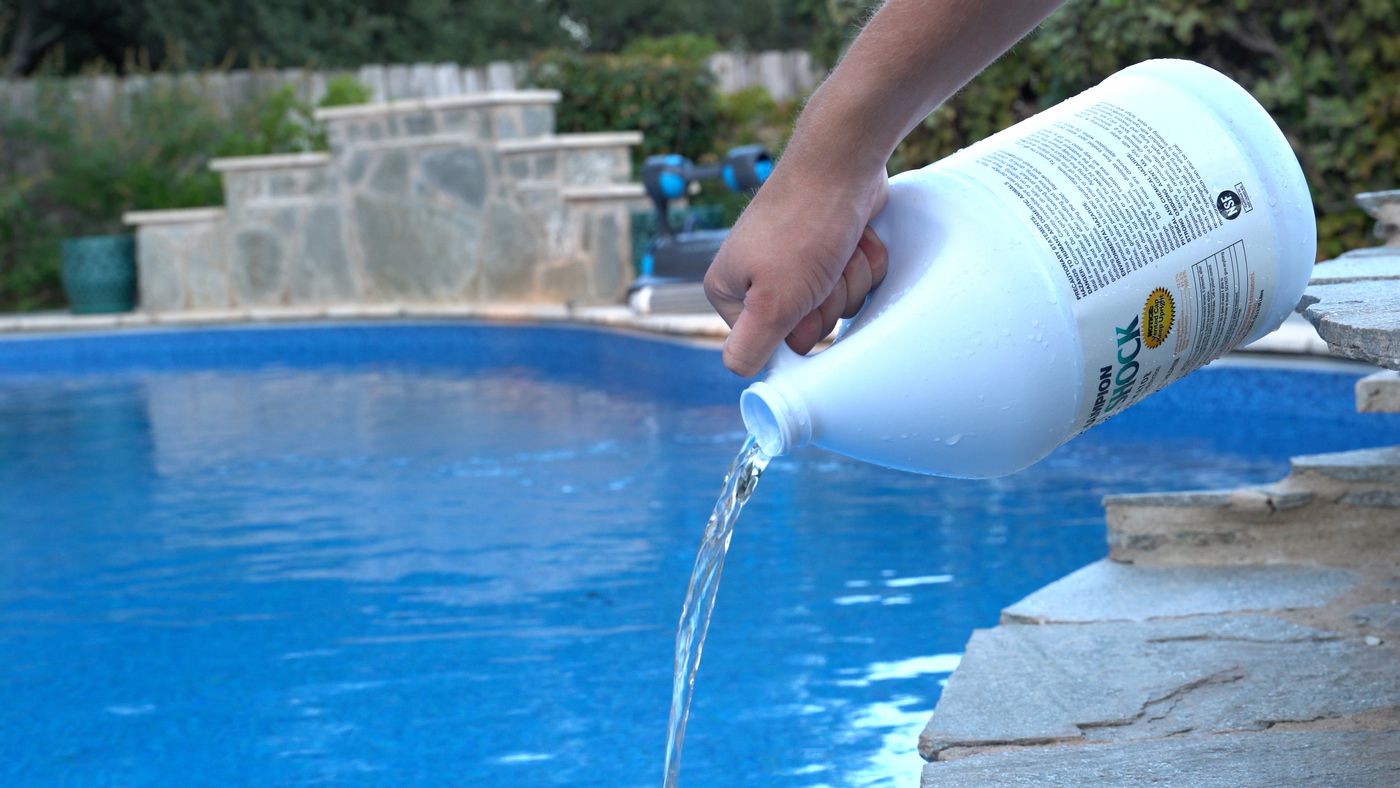
What Should a Professional Pool Water Test Check?
A good professional pool water test should look beyond chlorine and pH. Those two are important, but they are not the whole story.
- Free chlorine: In DFW summer, test several times per week because UV and heat burn it off quickly.
- pH: Most pools should stay in a comfortable, sanitizer-friendly range, and Texas pools often drift high.
- Total alkalinity: This helps control how stable your pH stays from week to week.
- Calcium hardness: DFW hard water makes this a big one because high calcium plus high pH can create scale.
- Cyanuric acid: Stabilizer helps protect chlorine from sunlight, but too much can make chlorine less effective.
- Salt level: Salt pools need independent salt checks because onboard readings can drift.
- Phosphates and metals: These help explain stubborn algae, staining, and water that never seems to behave.
The 2024 CDC Model Aquatic Health Code also emphasizes routine testing for items like alkalinity, calcium hardness, and cyanuric acid in aquatic venues. Residential pools are not the same as commercial pools, but the lesson still applies: clean-looking water is not the same as balanced water.
Pool Water Testing Methods Compared
| Testing Method | Best For | Big Advantage | Watchout |
| Test strips | Quick checks | Fast and cheap | Least accurate for detailed decisions |
| Liquid pool water test kit | Serious DIY testing | More accurate and complete | Takes time and fresh reagents |
| Digital testers | Consistent readings | Less color matching | Needs calibration |
| Professional testing | Full chemistry picture | Best troubleshooting value | Requires skill or a service visit |
A basic pool water test kit is better than nothing, especially for quick checks between service visits. But a professional pool water test is different because it connects the result to the pool itself: surface type, filter condition, salt cell performance, recent weather, bather load, and what chemicals were already added. For homeowners who want a solid DIY option, the Taylor K-2006 FAS-DPD kit is a well-known liquid testing kit for chlorine, pH, alkalinity, hardness, and CYA. Store testing can also help; Leslie’s AccuBlue water testing is one common example of a digital in-store test.
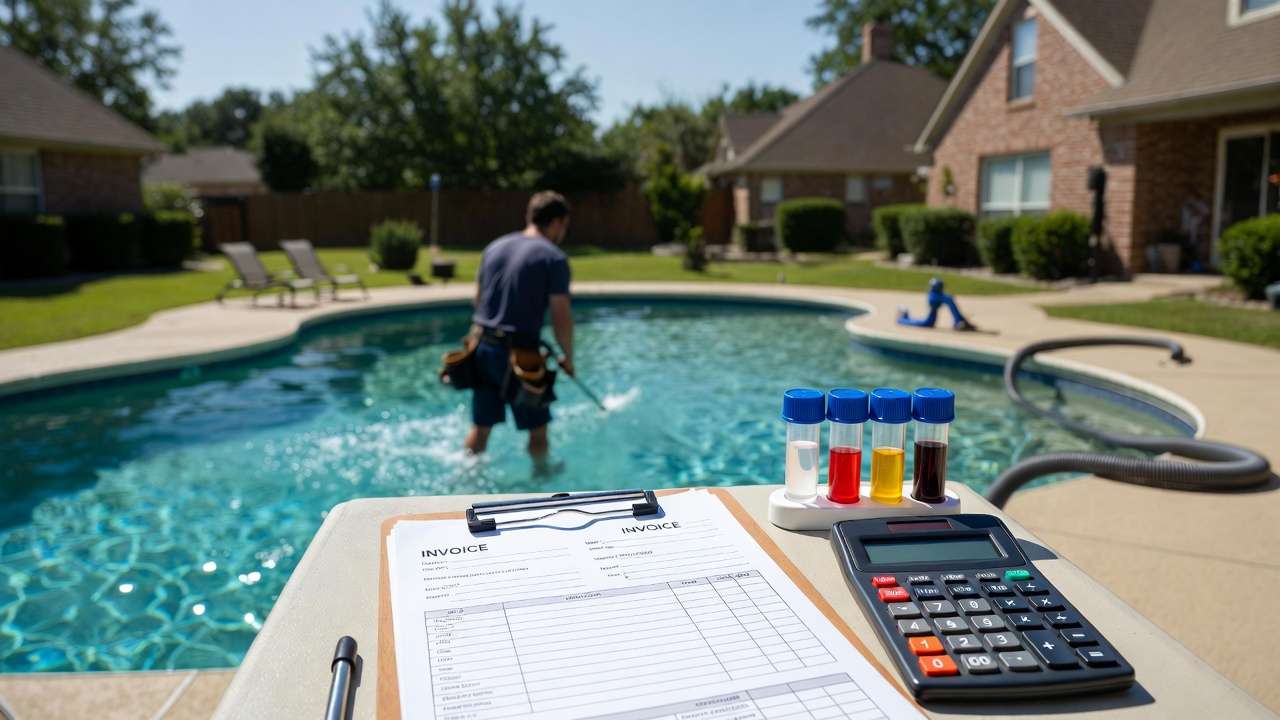
How to Test Pool Water the Right Way
If you are learning how to test pool water at home, start with the sample. Bad samples create bad results.
- Take water from elbow depth, away from skimmers and return jets.
- Do not test right after adding chemicals; let the pump circulate first.
- Avoid reading strips or liquid colors in harsh direct sunlight.
- Use clean containers and fresh reagents or strips.
- For store testing, bring the sample in quickly because stored water chemistry changes.
Hardness deserves special attention here. The Texas Water Development Board description of water hardness explains hardness as calcium, magnesium, and related minerals expressed as calcium carbonate. For pools around Frisco, Plano, McKinney, Allen, and the rest of DFW, that mineral load is exactly why a professional pool water test can prevent scale before it coats tile, heaters, filters, and salt cells.
Common Testing Mistakes DFW Homeowners Make
The biggest mistake is only testing when the water already looks bad. By then, the pool is asking for rescue instead of routine maintenance. Other common mistakes include trusting only test strips, ignoring calcium and CYA, using expired reagents, and believing a salt system means chemistry is automatic. It is not. Salt pools still need pool water testing, pH control, calcium checks, and salt verification.
That is why PoolBurg’s pool service in Frisco focuses heavily on hard water, chemical balancing, and equipment inspection. A professional pool water test catches the small problems before they become the “why is my pool green again?” kind of weekend.
People Also Ask
How often should I test my pool water in Texas?
In summer, test chlorine and pH several times per week. A professional pool water test is smart weekly or at least monthly, especially when heat, storms, or heavy swimming are involved.
What is the best pool water test kit for homeowners?
A quality liquid pool water test kit is usually more dependable than strips for serious decisions. Test strips are fine for quick checks, but not ideal for calcium, alkalinity, or CYA troubleshooting.
Is a free pool store water test accurate?
It can be useful, especially for a broad snapshot. Still, results are only as good as the sample, machine calibration, and the person interpreting the numbers.
What should I test besides chlorine and pH?
You should also check alkalinity, calcium hardness, cyanuric acid, salt level for salt pools, and sometimes phosphates or metals.
Can I over-test my pool water?
Testing often is not the problem. Reacting too quickly to every tiny change is. A professional pool water test helps separate normal movement from real chemistry trouble.
PoolBurg Includes Professional Chemistry Management
A professional pool water test should make pool ownership feel less mysterious, not more complicated. PoolBurg tests, balances, and watches the trends so your pool is not being managed by guesswork. If your water keeps drifting, scaling, clouding, or turning green, start with real numbers. Then fix the cause. For help with weekly care, testing, and maintenance, contact PoolBurg and let us take the chemistry headache off your hands.